


Artificial intelligence (AI) adoption in the Philippines is accelerating, but many companies still struggle to find people with the right skills. Community-led tech groups are stepping in to help bridge that gap.
A report from cloud computing company Amazon Web Services (AWS) shows AI adoption among Philippine organizations is growing at 24% year on year, up from 14% previously. About 82% of businesses expect AI to change how they operate, indicating strong demand for talent.
However, only 26% of companies believe their workforce is ready for AI. This mismatch between demand and skills is becoming a major challenge for businesses trying to adopt new technologies.
“There is a huge opportunity to get our tech workforce skilled in AI now,” said Precious Lim, country manager of AWS in the Philippines.
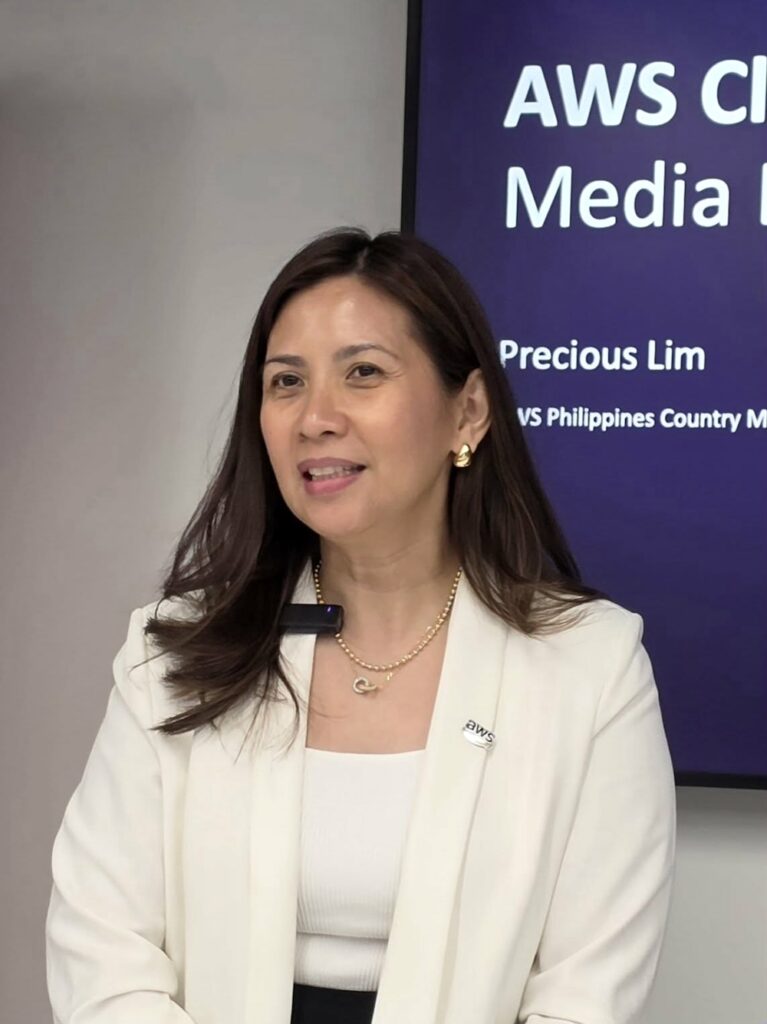
Citing a report from Jobstreet, Lim said 66% of companies in Southeast Asia now consider AI skills a key factor when recruiting.
“When it comes to hiring, it is very telling in terms of the talent that’s needed in the workforce and the skills that employers are looking for,” Lim said.
While government programs such as the proposed Philippine Digital Workforce Competitiveness Act aim to improve digital skills, industry players say community-led learning is becoming just as important.
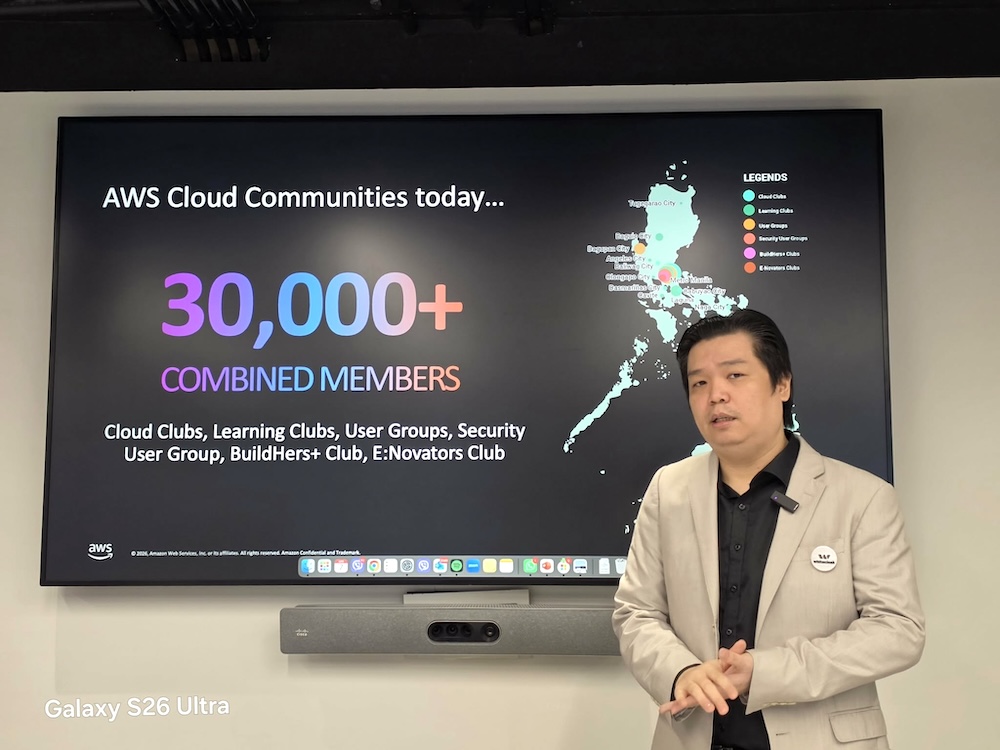
AWS Cloud Communities in the Philippines have grown into a network of more than 30,000 members across Luzon, Visayas, and Mindanao. These groups offer hands-on training, peer support, and real-world problem solving that many learners cannot get from traditional classrooms or company-led upskilling.
ALSO READ: PH organizations move to next phase of AI adoption
Raphael Francis Quisumbing, head of Cloud, Data, AI Innovation at White Cloak Technologies Inc. and an AWS Hero awardee (2025), helped build these communities after experiencing gaps in accessible training early in his career.
In 2013, while working at an e-commerce startup, he said getting help from AWS often meant sending multiple emails and waiting for replies. That experience led him to create a local user group where developers could learn directly from each other.
“We then decided to help the local community learn and upskill,” he said.
What started with just two people taking AWS certification exams has grown into a nationwide ecosystem. Some estimates place the network at more than 35,000 members across about 50 groups, reflecting strong demand for practical tech skills.
“We wanted to establish consistency first, but it naturally grew into a yearly community day spanning three locations,” Quisumbing, who is the grandson of former Education Secretary Lourdes Quisumbing, said.
Career shifters
The communities are also opening doors for people outside the traditional tech pipeline. Quisumbing said they have supported career shifters, including professionals who started learning cloud computing in their mid-30s.
“Because it’s community‑driven, learning is different here, so the community adopts what is needed based on what is present now,” Quisumbing said.
Some members have gone on to build their own AWS partner companies, while others have secured jobs after completing community-led training. In several cases, learners who benefited from the programs returned as mentors, helping expand the cycle of learning.
The groups also promote inclusivity through initiatives such as AWS Women Builders and Cloud Clubs for students, making tech careers more accessible to a wider audience.
“Diversity brings different perspectives. We don’t want to be siloed. We don’t want to just think one way,” Quisumbing said.
Beyond technical training, community leaders emphasize the importance of soft skills such as communication and leadership. A pilot Leadership Summit organized locally was later adopted by other user group networks, highlighting the Philippines’ role in shaping community-driven learning.
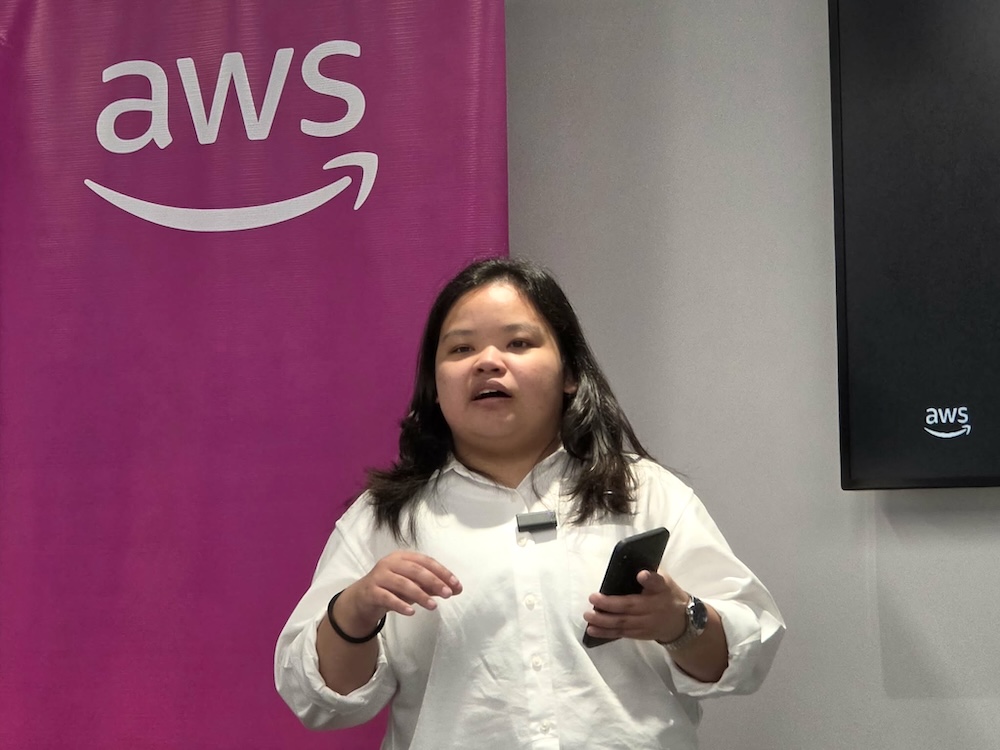
Uriel Alonso, senior cloud application specialist at Apper Cloud Labs and an AWS Community Builder, said the support system helped her transition into tech despite early challenges.
She recalled struggling to break into the industry and feeling like an outsider at first. Through the community, she gained certifications, mentorship, and eventually a leadership role.
Her experience reflects a broader trend. As AI adoption accelerates, informal learning communities are becoming a practical and effective way to build a future-ready workforce.
Closing the AI skills gap will not rely solely on formal education alone, but also on strong, accessible communities that can train people at scale.
