


Buying a home in the Philippines is not for the faint of heart. Between unverified listings, fly-by-night brokers, and endless back-and-forth just to schedule a viewing, it’s no surprise many Filipinos call the experience a “wild jungle.”
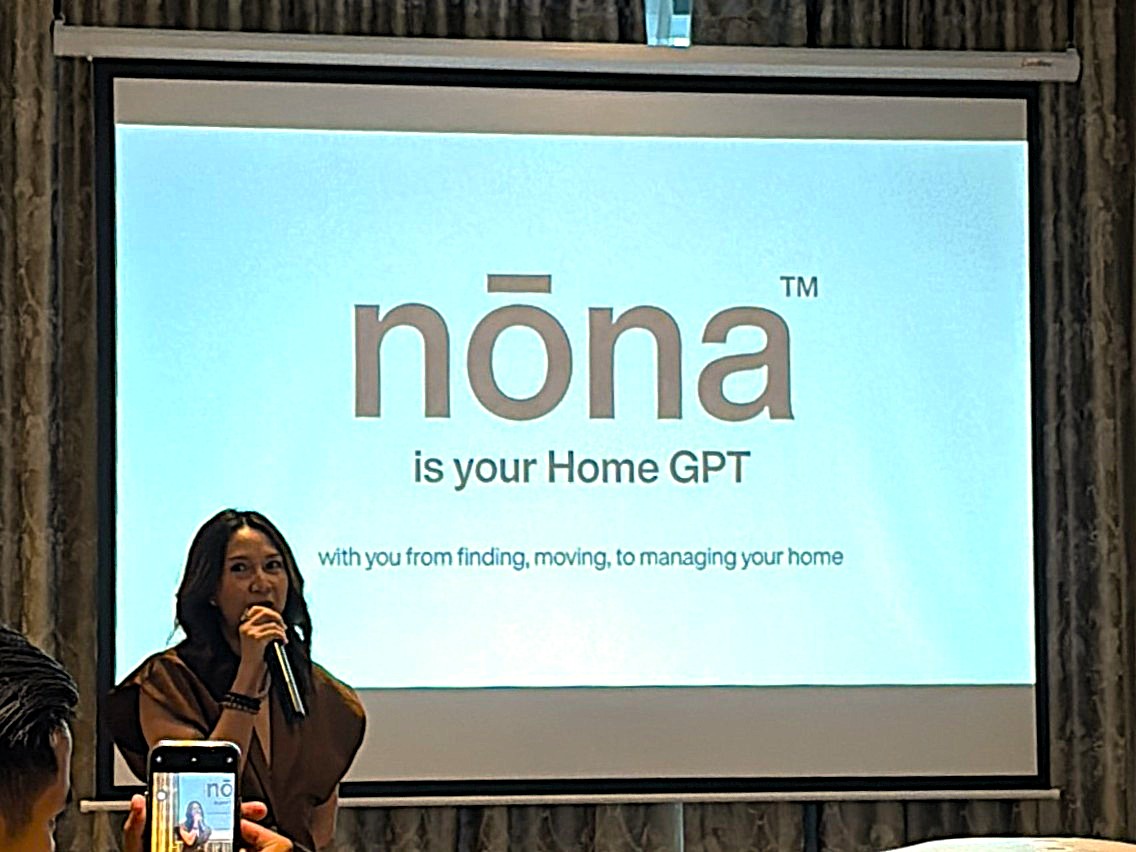
This week, a new platform called nōna officially launched with the promise of bringing order to that chaos. Positioned as the country’s first “Home GPT,” nōna combines artificial intelligence with human expertise to make searching, buying, or even just renting a home feel less like guesswork and more like guidance.
The project is led by Crystal Lee Gonzalez, a familiar name in local tech circles. She helped bring Lazada, Viber, and Canva to the region, but Nona is the first venture that’s truly her own. “All the brands I launched before were someone else’s dream,” she said at the launch event in BGC. “When I turned 40, I knew I wanted to build my own.”
A name rooted in home
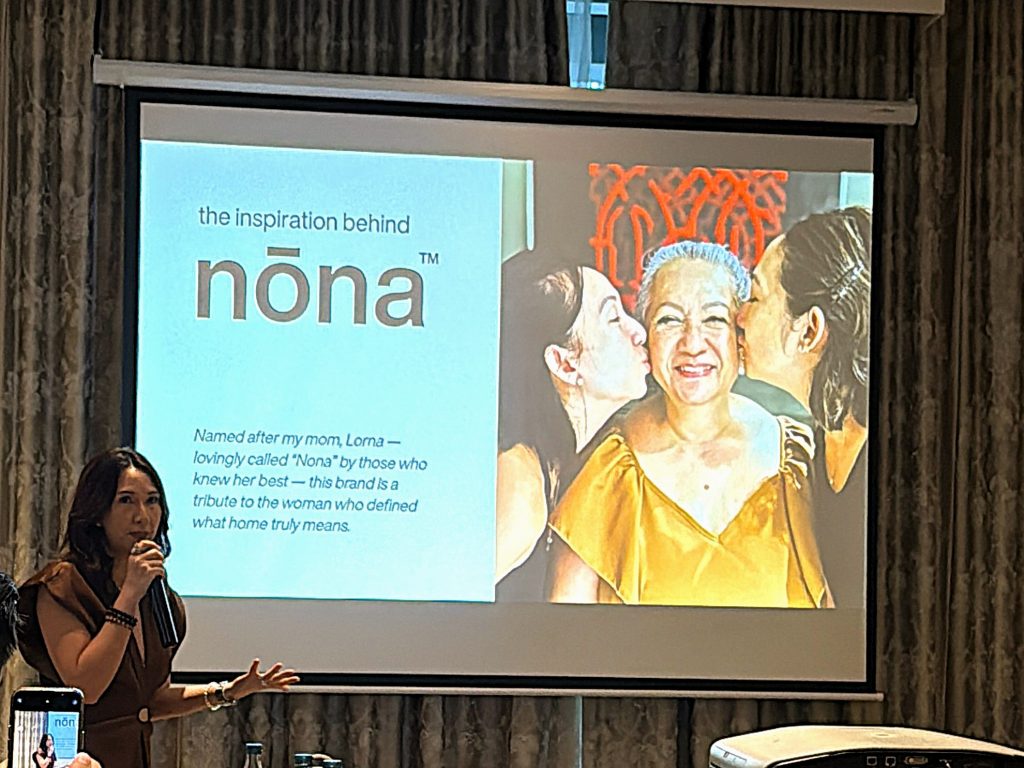
The brand is more personal than it first appears. “Nona” was Gonzalez’s mother’s nickname, and she credits her for shaping her idea of what “home” really means. “In every stage of my life, renting for the first time, moving out, moving up, my mom made it easier,” she shared. “That’s the role we want Nona to play: the trusted person who has no hidden agenda, just what’s best for you.”
Taking on a messy market
The need for trust is real. Gonzalez pointed out that over 120,000 fake real estate agents were reported in the Philippines last year. Add to that the stories of OFWs losing their savings to scams or buyers stuck with properties that don’t appreciate in value, and you see why nōna wants to be more than just another listings site.

“We want to turn the experience from chaos to calm,” Gonzalez said.
How it works
Instead of having to browse multiple websites and Facebook groups, users can go to nona.ph and start a chat. The platform’s AI (what Gonzalez calls a “Home GPT”) instantly surfaces a curated list of properties. Each listing is vetted, with legal and broker support stepping in where needed.
At launch, nōna has over ₱60 billion worth of verified properties, some of which are exclusive to the platform. And unlike many competitors, there’s no subscription fee. It’s free to search and free to list.
Why target millennials and Gen Z
The company’s focus is clear: younger buyers. Gonzalez cited research showing that 44% of upcoming property buyers will be millennials, with Gen Z close behind.
“These generations grew up with Grab, Airbnb, and TikTok Shop. They expect convenience and transparency. They won’t put up with the way real estate has always been done,” she said.
She added that millennials, even those in the middle class, often choose homes slightly above their budget for the sake of lifestyle and location. That makes honest, practical advice even more important. “It’s not enough to just show options—we want to guide people toward investments that actually make sense.”
Partners in the “safe village”
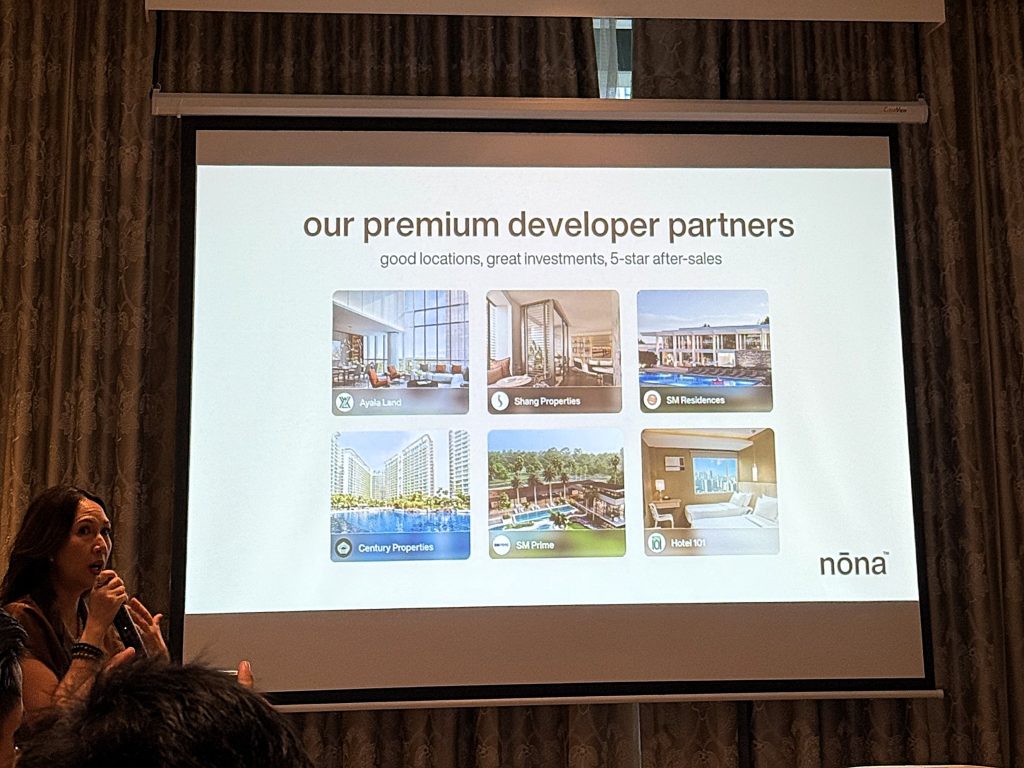
To back that promise, nōna has signed partnerships with some of the country’s biggest developers—Shang Properties, Century Properties, Ayala Land (Leasing and Resale), Signature Series by SM Residences, SM Prime, and Hotel 101. On the brokerage side, it works with ERA Philippines, RE/MAX Philippines, AskMe Realty, and Infinity Realty.
“Real estate has always been about trust and timing,” Gonzalez said. “By putting AI at the center, we make sure you see the right home, right away—verified, safe, and tailored to your lifestyle.”
More than just finding a home
The roadmap goes beyond property search. Gonzalez shared plans to expand into home management services, linking users to architects, contractors, cleaning providers, and even furnishing tie-ups.
“We don’t want to leave you alone after you buy,” she said. “From your first rental to your forever home, we want Nona to be there.”
Looking ahead
During the Q&A, Gonzalez fielded questions about oversupply in the mid-market housing segment. Her answer? Think of Nona like a dating app. “It’s like Bumble for real estate,” she said. “Good properties and serious buyers often miss each other. Our job is to make the match faster and safer.”
The platform officially goes live to the public on September 9 (9/9), a date chosen to mirror its name and symbolize fresh starts.
For Gonzalez, that symbolism is fitting. “This is about more than tech,” she said. “It’s about giving Filipinos peace of mind that their home journey, one of the biggest investments of their lives, is safe, smart, and simple.”
