



By now, you’ve probably heard that Electronic Arts, or EA, is being acquired by private equity. The storied publisher soon be owned by a consortium of investors that includes Affinity Partners, Silver Lake and Saudi Arabia’s Public Investment Fund (PIF). Ordinarily when things like this happen, I find myself being asked to unpack what the deal means for not just the companies involved, but the bigger picture with regards to the games industry. And surprisingly, it’s not what my editor Jayvee asked to write about.

Instead, he asked me to provide my perspective as someone who is old enough to see many of the most venerable games companies rise and fall throughout the 90s, before meeting some kind of untimely fate in the early twenty-first century. He asserted that EA was likely the last of “a bygone era,” and he’s absolutely right. LucasArts, Atari, Microprose, Sierra On-Line and Interplay are just a few of the publishers and developers that ceased to exist not long after the turn of the century. Each and every one of them produced titles that were formative or seminal works in the history and development of video games as a creative medium.

As for EA, well there’s no pretending that this deal is going to have anything but tremendous consequences. At $55 billion, it is the biggest leveraged buyout in private equity history. In simple dollar terms, it’s significantly less than the $75 billion Microsoft paid for Activision Blizzard King a few years ago. But it also saddles the company with a hefty $20 billion debt. Don’t ask me to explain, but that means EA needs to generate money fast to pay down the cost of the buyout, to say nothing of generating the profit that their buyers expect. This is the kind of deal that’s killed companies like Toys R’ Us and bankrupted TGI Friday’s.
Originally founded in 1982, Electronic Arts was conceived as a boutique imprint where “software artists” like Anne Westfall, Bill Budge and Danielle Berry would be held up as auteurs. While those lofty aspirations would eventually fade as the company grew increasingly more corporate, it would still go on to establish defining franchises like Wing Commander, The Sims, Dungeon Keeper, Ultima, and Mass Effect. It was when EA became more famous for closing studios and cancelling projects that its reputation went on a decades long decline. Fan favorite studios like Bullfrog, Origin, Pandemic and Visceral are just a few of the studios that have been axed since 2001.
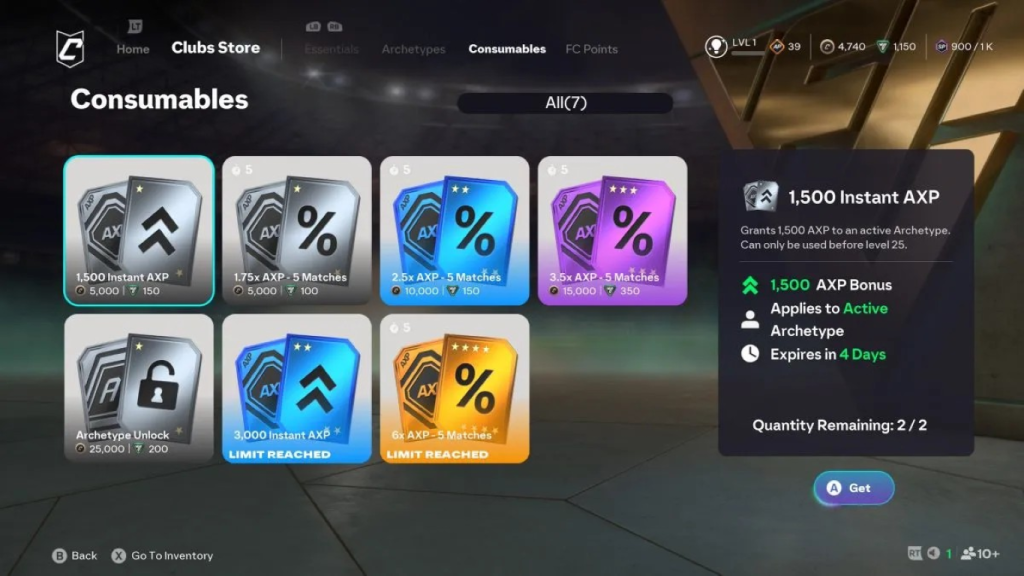
The EA of recent years is better known for its aggressive pursuit of mega franchises. In addition to a broad-reaching license from Disney and Lucasfilm to produce Star Wars games, the publisher’s crown jewels are its lucrative EA Sports franchises and the military combat series known as Battlefield. Both franchises are infamous for aggressive monetization in the form of in-app purchases. Card packs, loot boxes, season passes, virtual currencies. EA has never met a microtransaction it didn’t immediately take a shine to.
The reactions to the acquisition range from dismay to disappointment, as they lament that EA must now answer to venture capital and a foreign power. Even if some players may have stopped playing its games a long time ago, they associate the publisher with some of their most cherished experiences in interactive entertainment. But the truth is that any part of that company that gave us Mass Effect or Dead Space stopped existing a long time ago. In its place now is a content mill live service megalith that will have little interest in doing anything to hurt the deal, outside of its bullshit interest in using AI to cut corners and pay off the debt.

I get it. There’s a certain psychological comfort people derive from knowing that the bastions of entertainment and pop culture that made up their childhood and adolescence continue to exist, even when they no longer engage with it. People have strong feelings about Marvel Comics even when they haven’t bought a comic since the 90s. They have extensive opinions about Star Trek or Saturday Night Live even when they haven’t really seen an episode of either in decades. They take for granted that EA will always be there to put out money grubbing sports games and desperately chase after Call of Duty’s thunder, while hoping against hope it might resuscitate or remaster a beloved IP.
But the reality is that EA’s ability to deliver anything culturally relevant is the exception rather than the norm. The true impact that this deal will range from the terrible to the awful and through it, Saudi Arabia continues its push into gaming and esports. And while all’s fair in love and capitalism, this deal goes towards securing a future where the kingdom’s entertainment investments can be used to overshadow its human rights abuses. And when that same kingdom punishes same sex relations with the death penalty, well you can expect series like The Sims and Dragon Age to ditch their queer themes and characters. Already CEO Andrew Wilson has begun invoking AI to streamline its workforce.

Between EA’s contempt for workers and decades long reputation for avarice, the rapacious nature of venture capital and the horrific disregard for human rights from Saudi Arabia, you can only expect more “content,” more “live service,” more monetization and even less incentive to make anything else.
