


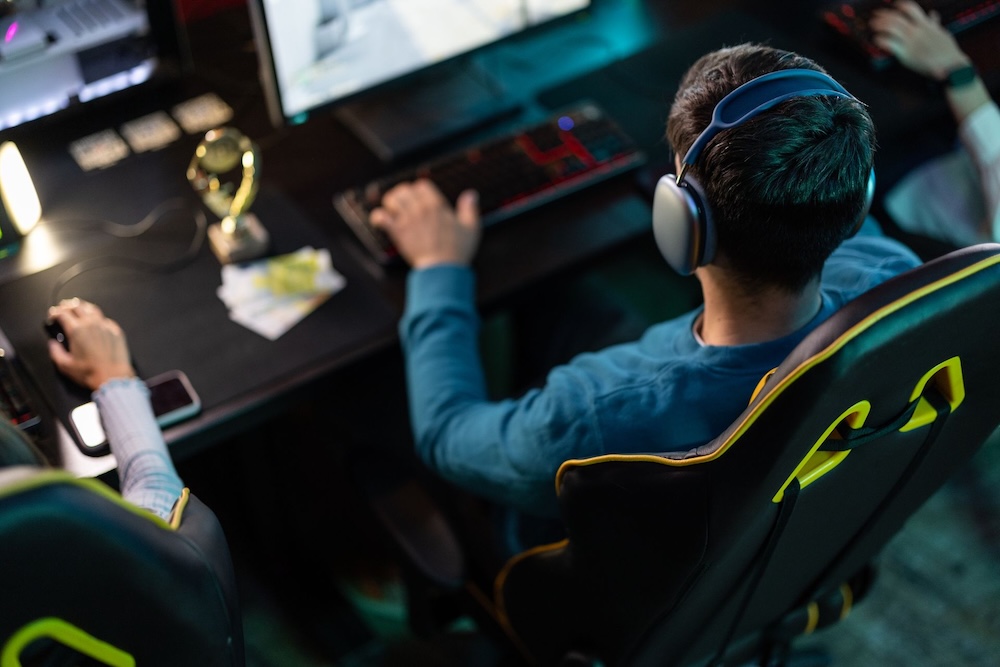
The Philippines is emerging as one of Southeast Asia’s most community-driven gaming markets, with around 45 million gamers out of its 118 million population, according to the “Ampverse Playbook: Unlocking the Value of Gaming in Southeast Asia.”
The report shows that gaming in the country is no longer just about playing. It has become a highly social activity where Filipinos connect with friends, follow creators, and discover new games through online communities.
“The Philippines is one of Southeast Asia’s most dynamic gaming markets because of how social and community-driven it is,” said Charlie Baillie, CEO and co-founder of Ampverse, a fully integrated gaming and entertainment marketing specialist. “Gaming here is not just about playing, but about sharing experiences, participating in communities, and discovering content through creators.”
Across Southeast Asia, the gaming market continues to expand. The region is expected to have around 290 million gamers in 2025, generating about $6.6 billion in revenue. By 2030, the number of gamers could exceed 330 million, while the whole gaming ecosystem, including content creators, livestreams, and advertising, may reach $14 billion.
In the Philippines, the opportunity is more than just about the number of players. The report shows how strong engagement in online communities makes the country ideal for creator-led campaigns and viral marketing strategies.
Mobile gaming plays a major role in this growth, accounting for about 70% of gaming revenue across the region. Many Filipino gamers also spend time watching livestreams and gaming content on platforms like YouTube and social media, often relying on influencers and peers when choosing what to play.
The report notes that some global brands struggle to connect with audiences in SEA because they apply Western strategies that do not match local behavior. In markets like the Philippines, success depends on working with trusted creators and building campaigns that feel natural to the community.
“The Philippines is a clear example of why localization matters,” Baillie said. “Success here depends on understanding how communities interact, how creators drive discovery, and how brands can participate in ways that feel native to the culture.”
