


A couple of years before the turn of the millennium, when Gen Zs were still in diapers, we, the older millennials, frequented arcades, inserted ₱5 coins into token slots, and pressed “Start.” No pun nor innuendo intended, we played with joysticks for a geekgasmic experience. It was among the best times of being a high schooler before the age of social media.
The fighting game genre was at its peak. The colorful, cosmopolitan brawlers of “Street Fighter” were the most popular, with VS. crossover games with Marvel, alongside other Capcom characters. There’s also “Tekken” for those into family revenge stories, plus a playable panda named “Panda.” SNK’s “King of Fighters” had the most good-looking characters, triggering my bisexual tendencies.
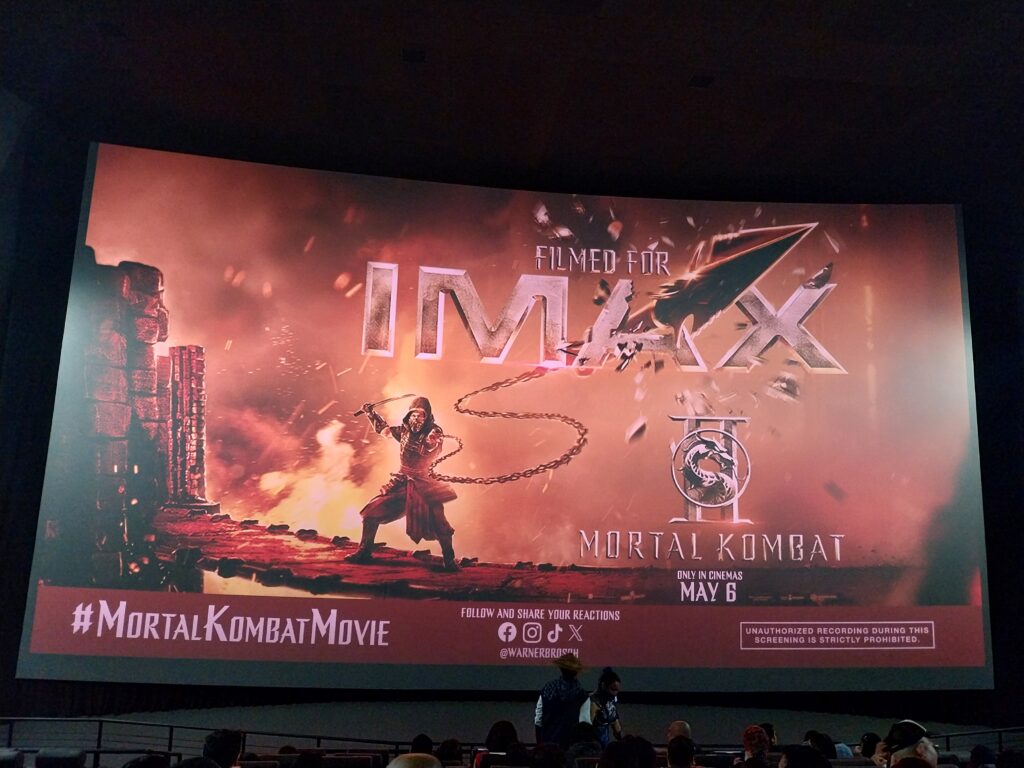
And then there was “Mortal Kombat.” At the surface level, the graphics were not enticing as they were animated images of real-life actors and martial artists. But while watching one match ending brutally reminiscent of the Predator, clutching one’s spine and skull to deliver the deathblow, I learned that what made it stand out is its violent “Fatality” closing moves. The video game also included “Friendship,” a satirical and more wholesome alternative to Fatalities that included signing autographs, sharing gifts, or dancing with their opponent.
Our first introduction to the IP might have been the first Mortal Kombat (1995) film, which was a cult favorite, featuring a set of Earthrealm defenders fighting other champions from the invading Outworld realm. This was followed by the sequel Mortal Kombat: Annihilation (1997), which, unfortunately, became a textbook example of how not to do a live-action adaptation of a video game. A third Mortal Kombat film was cancelled, and the IP languished in development hell until its reboot in 2021.
Released during the pandemic and made available through the defunct HBO GO in Asian territories, the reboot film Mortal Kombat (2021) was obvious in its efforts to make it right and play safe, introducing an original character, Cole, who did not appear in the video games. While it teased the impending tournament between Earthrealm and Outworld, there was an attempt to ground spectacular characters in reality, instead of embracing the lore of Mortal Kombat. Good thing, it changed screenwriters for the sequel, which felt more like an honest-to-goodness adaptation of the video game.
In retrospect, Mortal Kombat (2021) became more of a prelude or a side quest to Mortal Kombat II (2026), rather than a solid part one of the reboot film series. Mortal Kombat II (2026) appeared to be a result of listening to MK fans, faithfully adapting the things that made the video game work, while not benching character development.
From the visual backgrounds to the ending billboard, they were all seemingly plucked from the video game. Forgive when an MK fan silently whispers “Fatality” or “Friendship” during the fight sequences. It also finally embraces the tournament’s moniker – either one meets a brutal demise or ends with a bear hug.
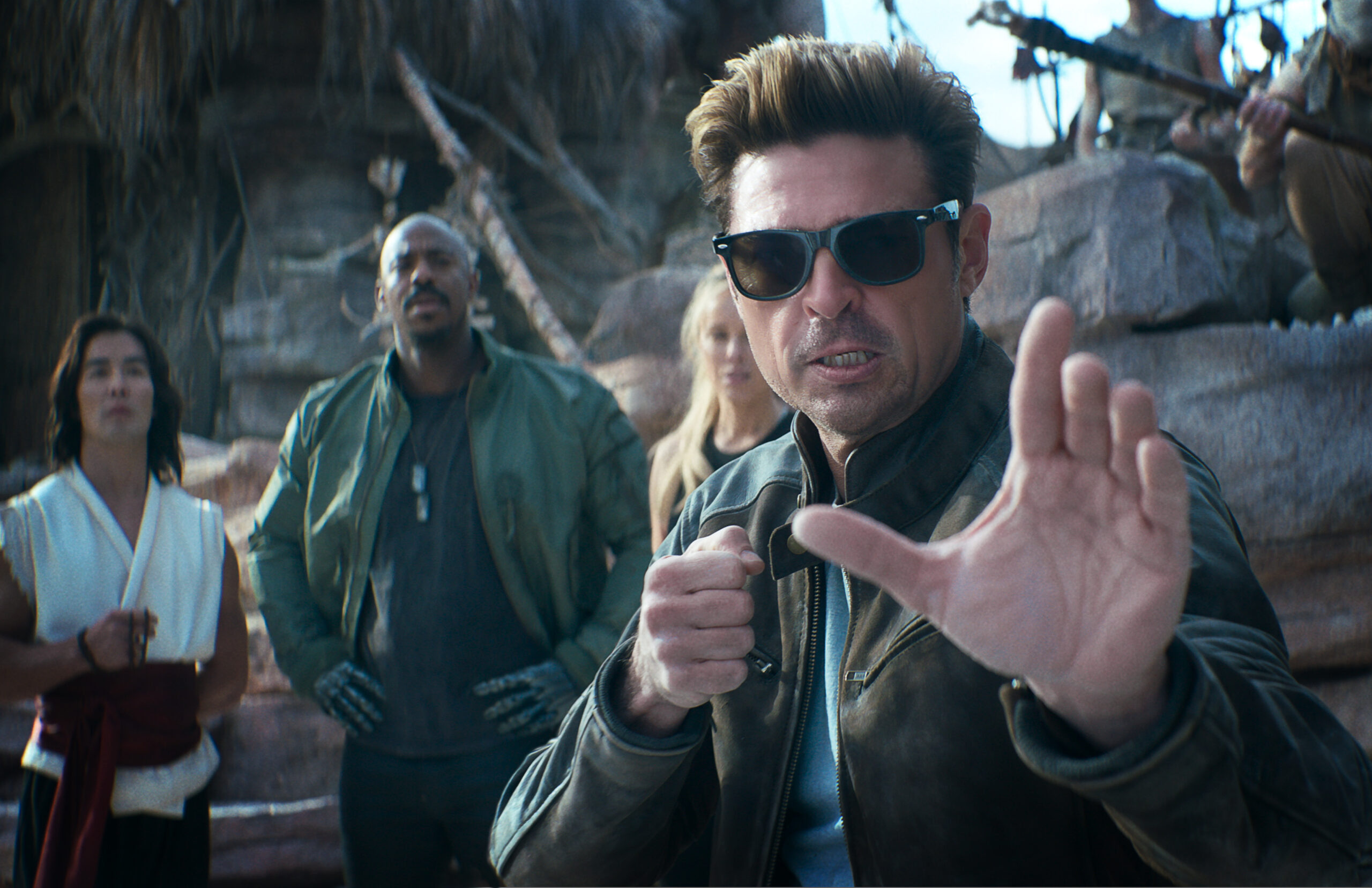
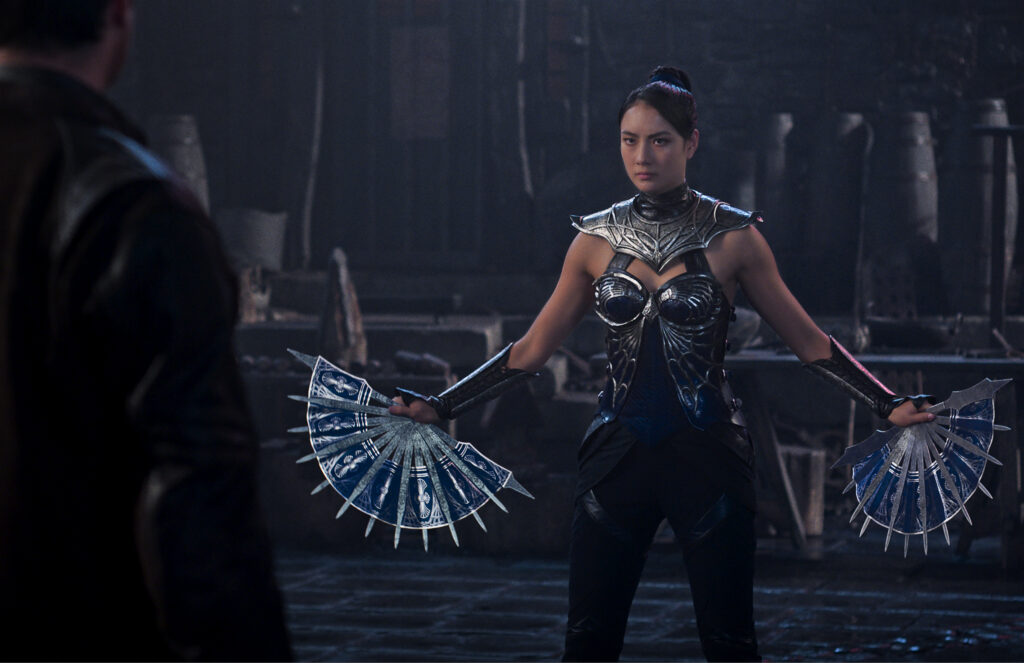
As for the story, it seamlessly takes us on the POV of two characters from different realms. The filmmaker seemingly learned his lesson from deviating from the MK lore and now uses its default everyman character, the washed-up action star Johnny Cage, as an entry point. Karl Urban, who plays Cage, is the VIP of the film, giving it its much-needed comedic timing to offset the grim tone. Another noteworthy performer is Adeline Rudolph, who played Kitana, with both the ruthlessness of a femme fatale and the vulnerability of a grieving daughter.
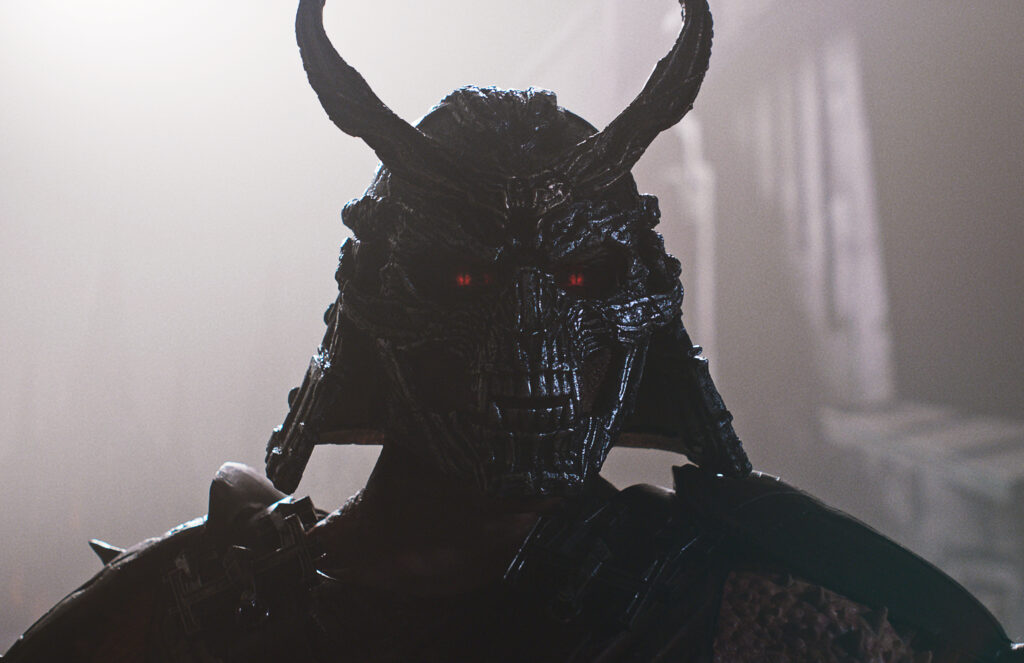
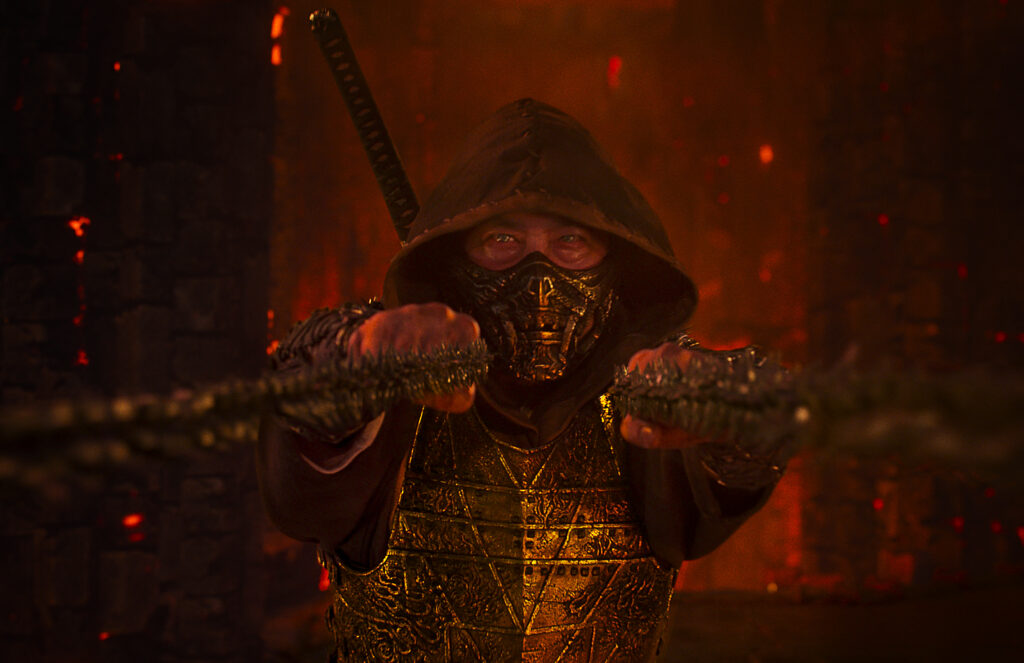
The film also makes use of the Revenants from the video game, where deceased characters were resurrected as corrupt versions of themselves. This, again, is a meta nod to the video games where players fight with characters regardless of realm or motivation.
Mortal Kombat II also hints at new concepts not yet introduced in the original films, but are part of the world-building from the video games. If you follow the video game series, you will learn that the Elder god Raiden, the god of thunder, is not the only figure who ascended to godhood. The multiverse of MK also involves another elder god who is not as pleasant as Raiden and a titan who keeps resetting the timeline — hence, explaining other MK video game iterations and various character versions, outside of being revived by necromancy. The possibility of introducing other champions from other realms is endless, as the latest versions of Mortal Kombat video games now offer DLC (Downloadable Content). Some of the guest characters are already on the sandbox of its mother film studio, Warner Bros.: Peacemaker (DC Studios), Pennywise (IT/New Line Cinema), The Joker (DC Studios), and Freddy Krueger (A Nightmare on Elm Street/New Line Cinema). Imagine if the MK movies could also adapt something exciting they are already doing with the video games, even for a cameo.
The fight choreography is also among the best I have ever seen on the big screen. My only pet peeve was that the studio released the fighting sequence between Liu Kang (Ludi Lin) and Kung Lao (Max Huang) online, when it is best experienced on the big screen. Those who love the classic Hong Kong martial arts movies are in for a hell of a ride. Huang is also known to contribute fight choreography in the film, being part of the renowned Jackie Chan Stunt Team.
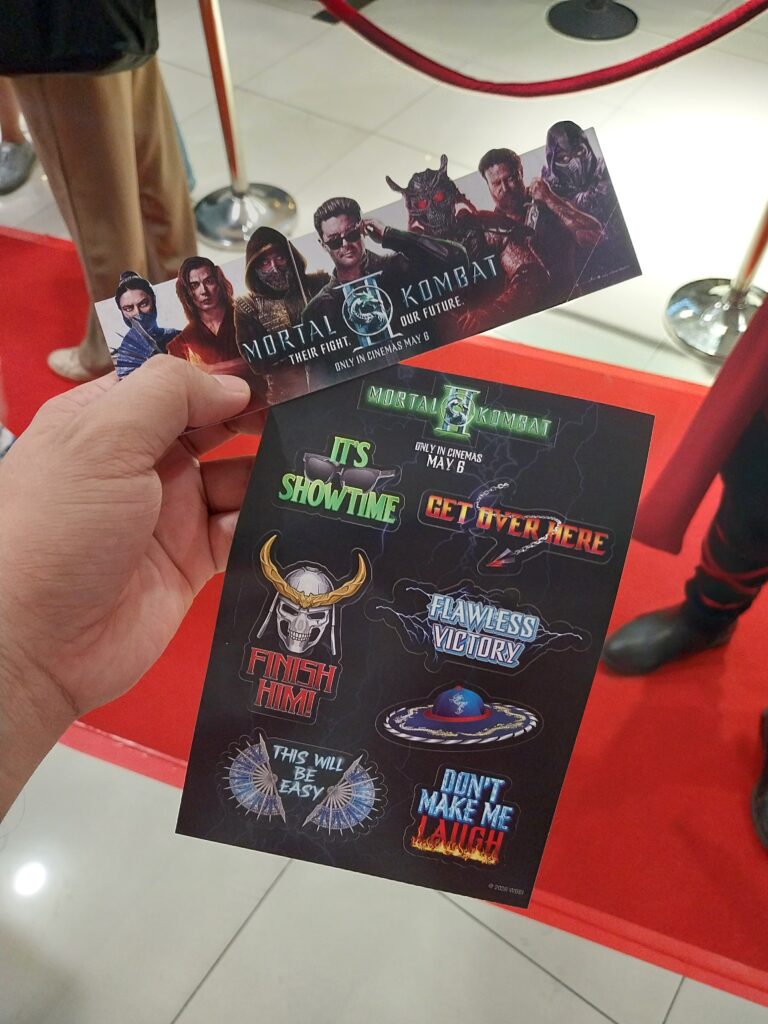
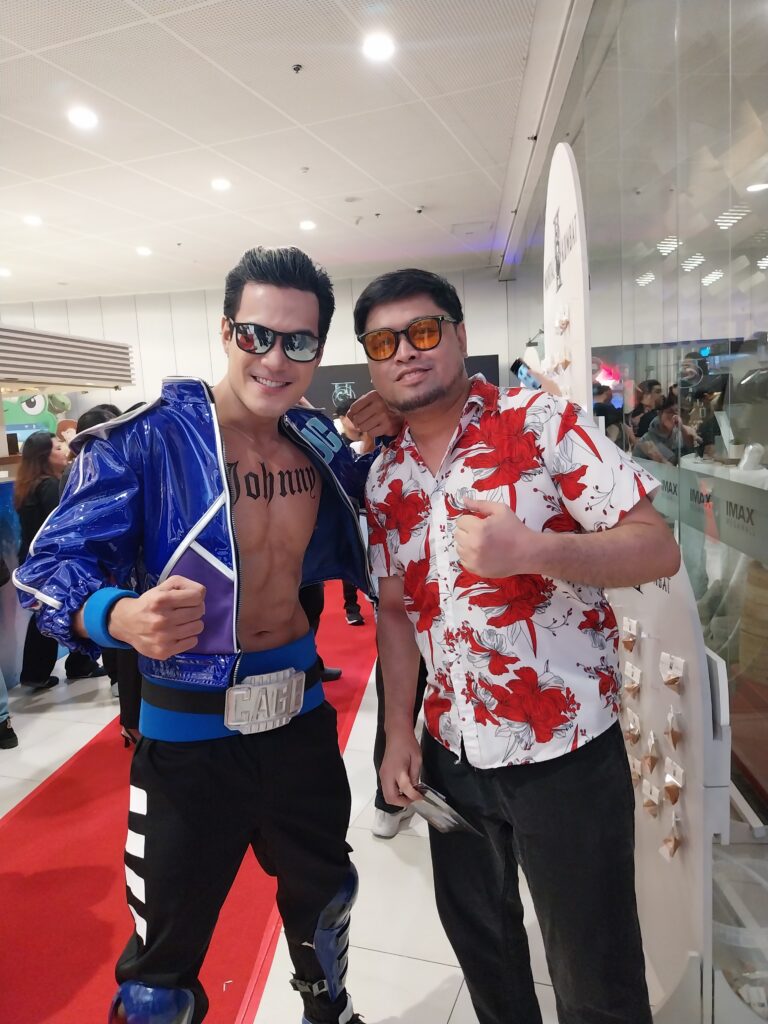
All in all, Mortal Kombat II proves to be one of the best live-action adaptations of a video game, even rivaling its first installment. Arguably, it is also the best Mortal Kombat film in the franchise, an every gamer’s wet dream longing for an exceptional video game movie. Flawless victory!

