


There is a tendency to think of artificial intelligence (AI) as something distant, even impersonal. Yet, inside the home, intelligence has always existed in a more familiar form.
Growing up, Saturdays meant laundry day. I would watch my mother move through the routine with memorized ease. Sorting clothes and measuring detergents. It felt ordinary, almost invisible I could say. However, beneath that repetition was care in the form of consistency.
A washing machine, in that sense, was part of my mother’s system built on how she shows up for us. That idea is what I believe LG Electronics is trying to translate into technology through what it calls “Affectionate Intelligence (AI).”
At LG InnoFest 2026 for Asia Pacific in Busan, I arrived with work in mind. I wanted to understand the technology behind the appliances. From specs to engineering, and then maybe some of the product roadmap.
What I didn’t expect was how often the conversation shifted away from hardware and toward people.
LG is positioning itself beyond appliances, into what it describes as a “Smart Life Solution Company.” Instead of focusing on individual products, the goal is to create interconnected systems that respond to how people actually live.
Behind these interactions is LG’s ThinQ AI platform, which connects appliances and learning from daily routines to create a more seamless home environment.
The products that make it real
At InnoFest 2026, several products stood out because they immediately fit into real-life scenarios.
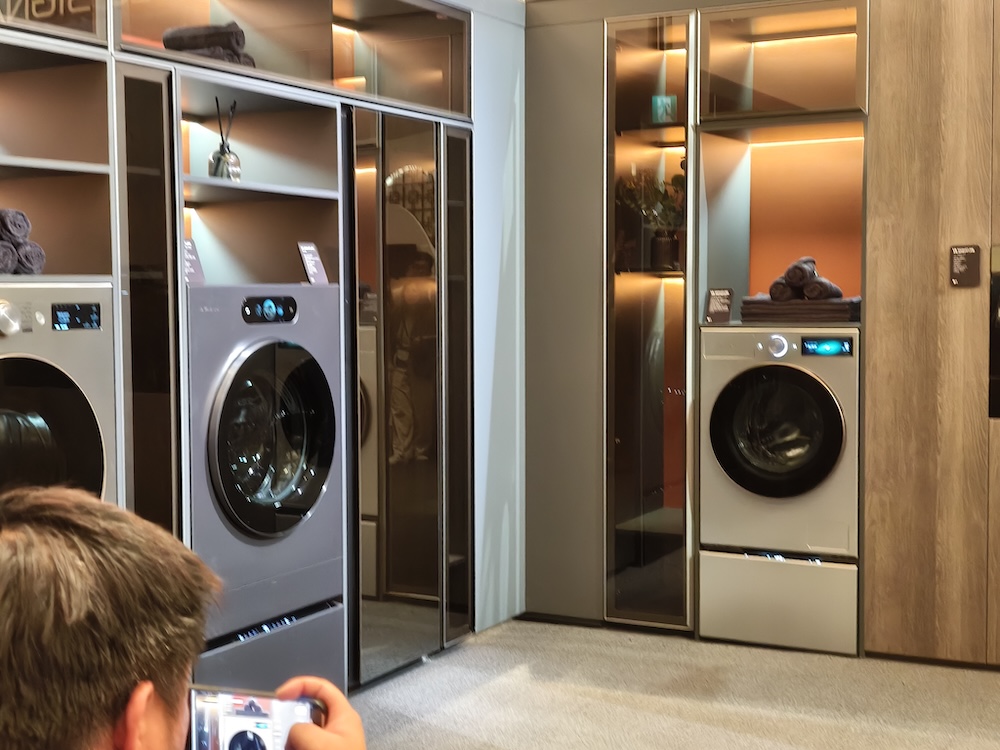
The LG WashCombo, an all-in-one washer-dryer, is built for homes where space and efficiency matter. Powered by Inverter HeatPump technology, it delivers stable drying performance while reducing energy use and lowering environmental impact.
In a Filipino context, where being matipid is both practical and necessary, this kind of efficiency translates directly into long-term savings in both water and electricity.
The LG Styler clothing care system addresses a different kind of everyday decision. It refreshes clothes using steam, offering a middle ground between wearing something again and committing to a full wash.
For fast-paced routines, where outfit changes are frequent but laundry time is limited, it becomes less of a luxury and more of a practical tool.
Then there is the kitchen, where culture becomes even more visible.
LG’s refrigerator innovations reflect something deeply familiar in Filipino households, which is the importance of gathering. Meals are rarely solitary, and hosting, whether planned or spontaneous, is part of everyday life.
Believe it or not, at the center of it all is that one small but telling detail, ice.
LG’s refrigerator lineup incorporates what it calls its Ice Solution, offering multiple types of ice, from standard cubes to Craft Ice, designed for both daily use and entertaining. The emphasis is not accidental because according to LG, ice consumption across Asia is a daily habit. It is shaped in part by historical limitations where ice was once difficult to import and preserve.
Today, cold drinks are the standard. In a setting where hospitality matters, having reliable ice production becomes part of the experience of hosting itself.
A market not yet ready? Or just not yet convinced?
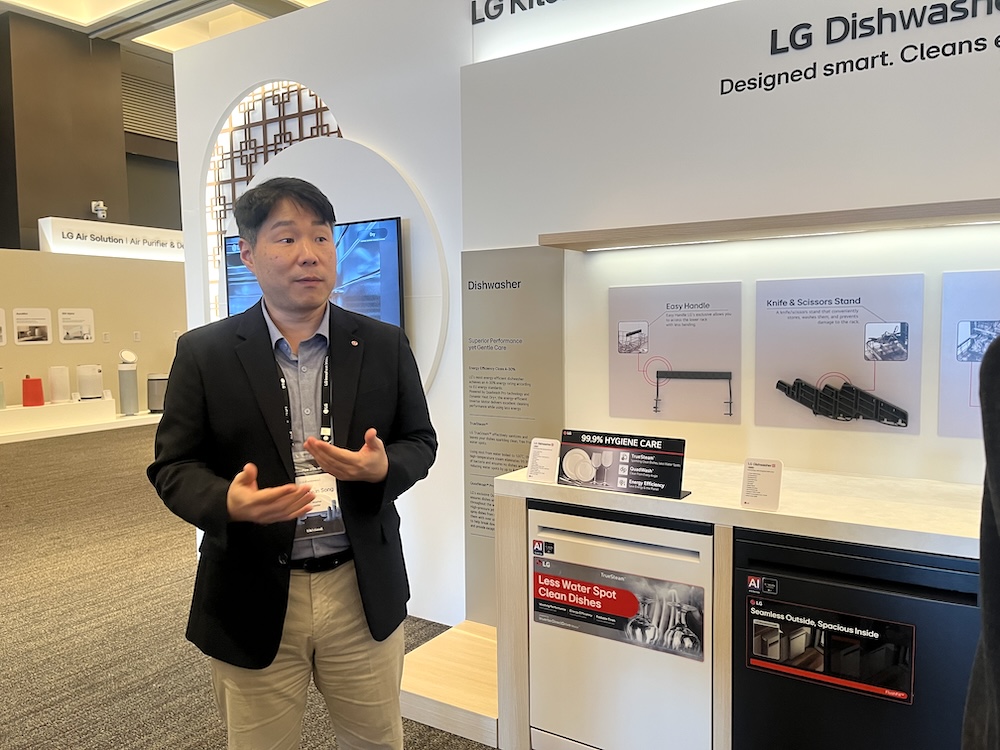
The most interesting case, however, is the dishwasher. LG’s dishwasher, powered by QuadWash Pro, is not yet widely available in the Philippines.
In an interview with LG’s dishwasher product lead, Changyun Song, he explained that in many Filipino households, dishwashing remains a manual task, something built into daily routine and not yet seen as necessary to automate.
For the category to grow locally, he pointed to two needed changes in consumer behavior which are perception and experience. Consumers need to believe in its value, and more importantly, they need to try it. What we learned about is a dishwasher that uses multi-angle spray arms and microbubbles to clean dishes efficiently, completing a full wash-and-dry cycle in about an hour while optimizing water usage.
In many Filipino homes, washing dishes is a shared task but it is also time-consuming, repetitive work that often comes after hosting, when energy is already spent. A machine like this will not be removing the culture around food and gathering but only takes on the part that comes after.
The technology that understands why
In the Philippines, there is a running joke often referred to as “Trentahin finds.” It describes the moment when people reach their late 20s or early 30s and begin to take a genuine interest in home appliances.
What used to feel mundane suddenly becomes exciting, whether it is a washing machine or an air purifier. While humorous, it shows a real change in priorities. At some point, maintaining a home becomes a personal responsibility, and the tools that support that responsibility start to matter more.
LG’s long-term vision of a “Zero Labor Home” is built on the idea of reducing the burden of everyday tasks through seamless automation.
In the end, Affectionate Intelligence is more than just machines becoming smarter. Rather, it is about technology learning to understand the repetitive work that has always existed inside the home.
I think about my mother again, standing over the washing machine on a Saturday morning. I realize now that it was never about the appliance. Rather, it has always been about making sure everything — and everyone — was taken care of.
I doubt that kind of care can be automated, but I believe it can be supported. When I reflect on it, that is where LG’s idea begins to make sense. We don’t have to replace what we grew up with, but we can start to recognize it, learn from it, and, in our own way, help carry it forward.
