


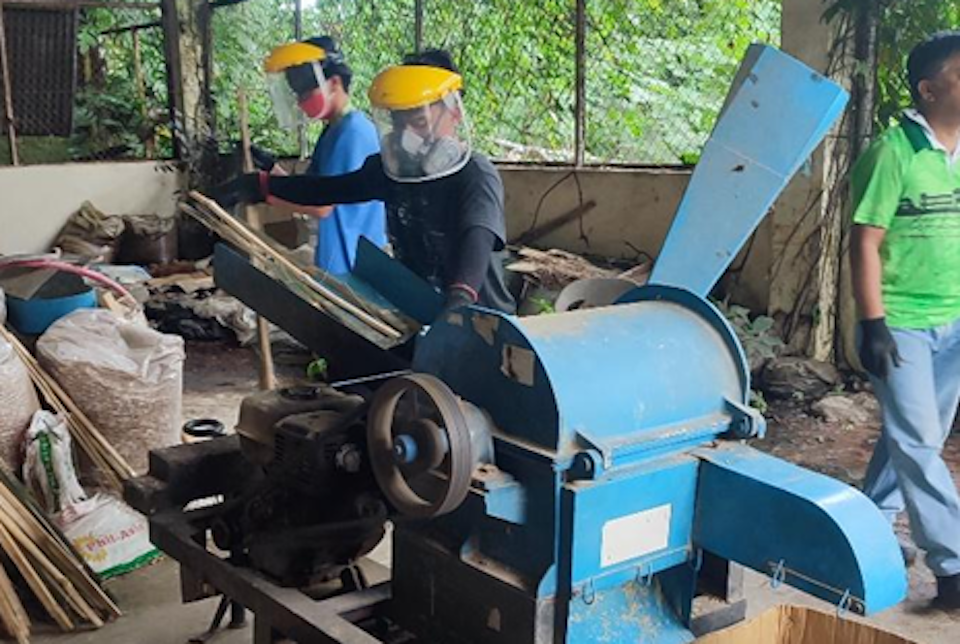
The Department of Science and Technology (DOST) is promoting bamboo and agricultural waste as alternative fuel sources as the Philippines faces rising energy costs and supply risks.
Developed by the Forest Products Research and Development Institute (FPRDI), bamboo pellets and charcoal briquettes are viewed as cleaner, locally sourced fuels that could reduce dependence on imported oil and coal.
“The (recent) declaration of a state of national energy emergency shows our country’s vulnerability to disruptions in fuel supply,” said DOST Secretary Renato U. Solidum Jr. in a media release. “By converting abundant biomass materials into efficient fuels, we offer a renewable, locally sourced substitute that can help with our country’s needs.”
Bamboo pellets are compressed biomass designed for efficient burning. They produce more energy than common materials like wood chips or rice husks. One cubic meter of pellets can generate up to 12.15 gigajoules of energy, equivalent to about 277 kilowatt-hours per gigajoule.
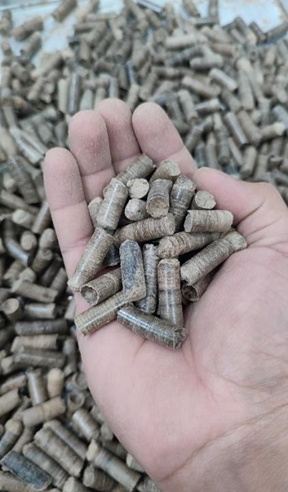
“These pellets can be used in coal-fired power plants as a co-firing fuel and in industries as a supplement to materials like bagasse and rice hull. At home, they can replace charcoal for cooking, offering higher heat output,” said Anniver Ryan Lapuz, researcher at DOST-FPRDI.
Studies show that mixing bamboo pellets with coal can help reduce greenhouse gas emissions, supporting climate mitigation efforts, according to the DOST.
DOST-FPRDI said bamboo is a practical energy source because it grows quickly and thrives in various environments, including degraded land. Some species can grow more than one meter per day.
The institute is also promoting charcoal briquettes made from compressed charcoal fines. These are more compact, less messy, and burn longer with minimal smoke compared to traditional charcoal.
Aside from energy production, DOST said these technologies could create livelihood opportunities. Small-scale pellet and briquette production can provide income for rural communities while contributing to a more stable and locally driven energy system.
