


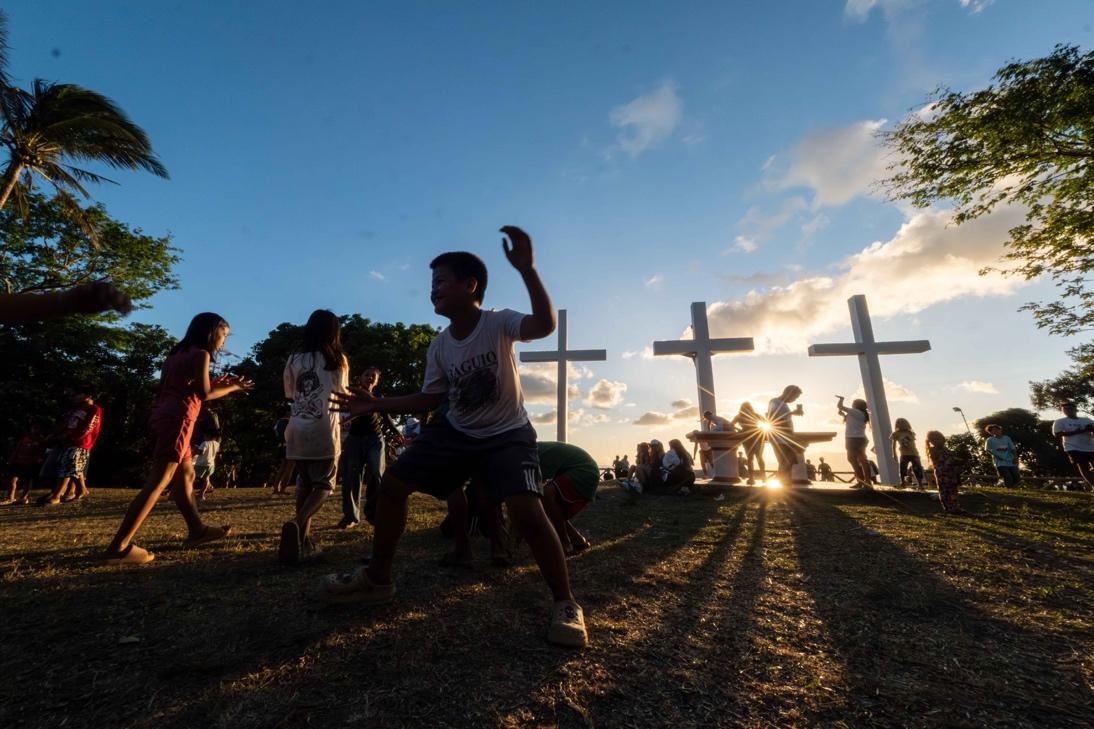
(Photos and words by Ryan Baldemor)
During the Holy Week season, I had the opportunity to borrow the Fujifilm XF 8-16mm f/2.8 R LM WR, one of Fujifilm’s flagship Red Badge ultra-wide zoom lenses, from Fujifilm Philippines and use it in actual field coverage across Paete, Laguna; Pakil, Laguna; and Infanta, Quezon Province.
As a working photojournalist, my usual field setup consists of two Fujifilm X-T5 bodies — one paired with the Fujifilm XF 16-55mm f/2.8 R LM WR and the other with the Fujifilm XF 50-140mm f/2.8 R LM OIS WR. These two lenses have long been my main tools for daily assignments, giving me the flexibility to move quickly between standard and telephoto perspectives in fast-paced news and documentary situations.
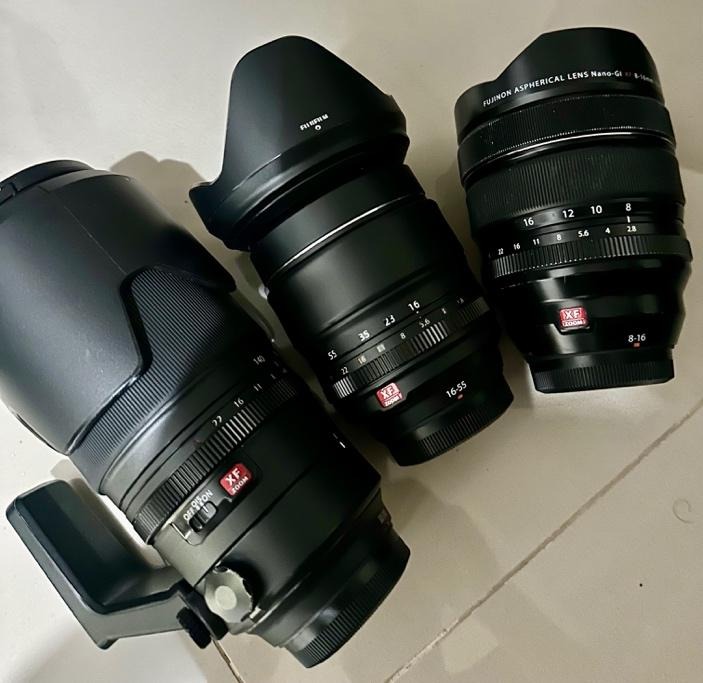
This Holy Week, however, I had the chance to expand that setup and experience what many Fujifilm shooters consider the “Holy Trinity” of Red Badge f/2.8 zoom lenses — from the ultra-wide XF 8-16mm, to the workhorse XF 16-55mm, all the way to the telephoto XF 50-140mm. With this combination, I was able to cover a full focal range from 8mm to 140mm, all at a constant f/2.8 aperture, under real field conditions.
What I immediately noticed was the importance of having an ultra-wide lens for a coverage assignment like Holy Week.
In this kind of documentary and photojournalism work, the story is often larger than a single subject. Holy Week coverage is not only about portraits of devotees or close-up moments of emotion — it is also about place, scale, atmosphere, and context. Churches filled with worshippers, long processions winding through narrow streets, crowds gathered around age-old rituals, and landscapes where faith and tradition unfold all require a lens that can tell the full story in a single frame.
That is where the XF 8-16mm f/2.8 proved its worth.
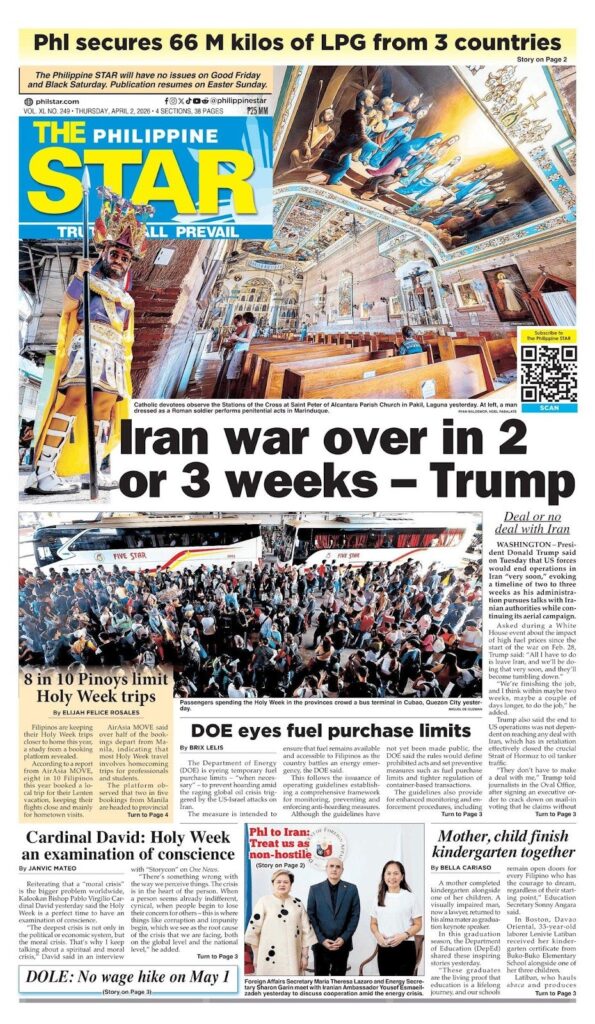
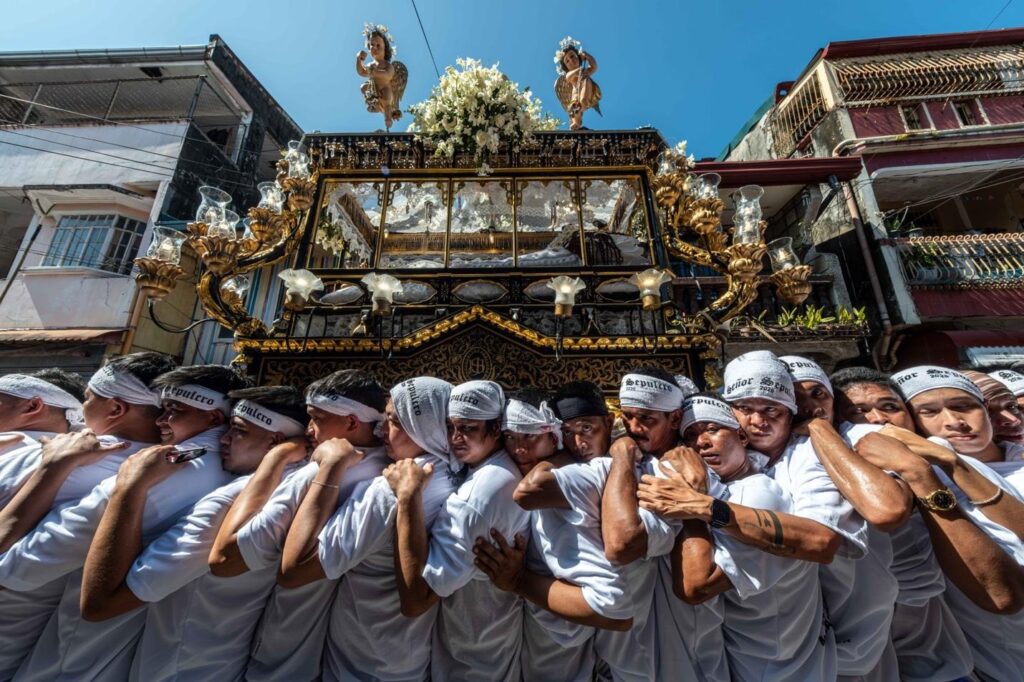
The lens allowed me to work in tight and crowded spaces, especially inside churches, during processions, and in areas where stepping back simply was not possible. It gave me the ability to show the relationship between the subject and the environment — a critical element in visual storytelling. Instead of isolating only one person, the ultra-wide perspective helped reveal the entire scene: the devotees, the religious icons, the architecture, the movement of people, and the emotional atmosphere surrounding them.
For Holy Week coverage in places like Paete, Pakil, and Infanta, that wider point of view became essential.
Each location offered a different expression of faith and tradition. In Laguna towns known for their deep-rooted religious and artistic heritage, and in Quezon’s provincial setting where rituals remain intimate and community-driven, the ultra-wide lens helped document not just moments, but the full visual narrative of belief, culture, and living tradition.
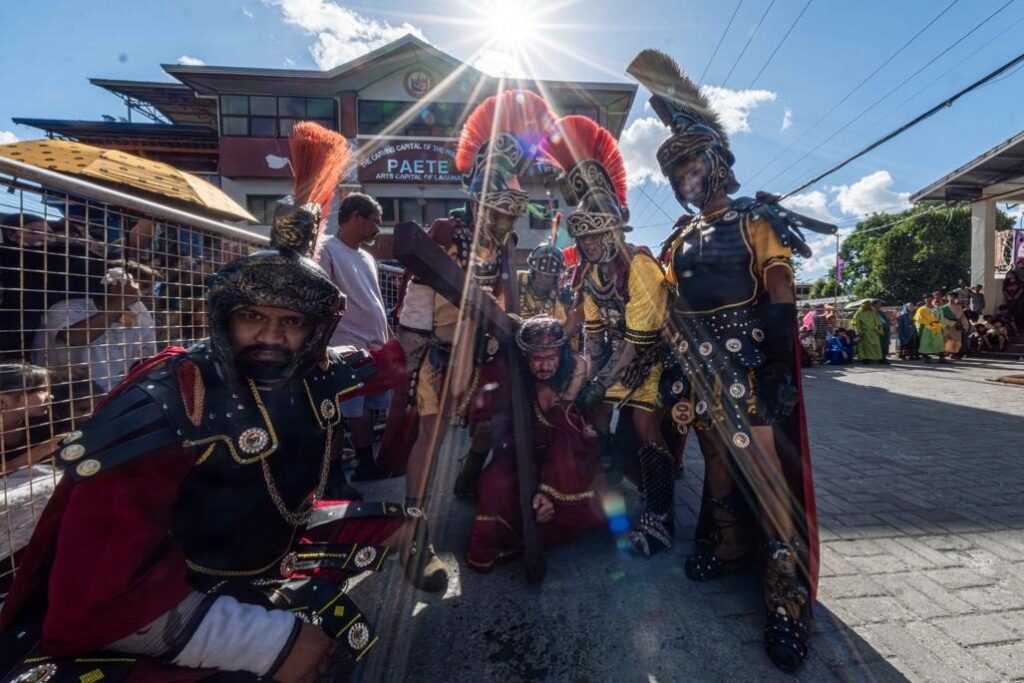
From a technical standpoint, the XF 8-16mm f/2.8 R LM WR delivered exactly what is expected from a professional Red Badge lens. The files were sharp across the frame, with strong contrast, excellent detail, and dependable rendering straight out of the camera. Even in challenging available light inside churches or during late-afternoon and evening coverage, the constant f/2.8 aperture remained highly useful.
For photojournalism, that reliability matters.
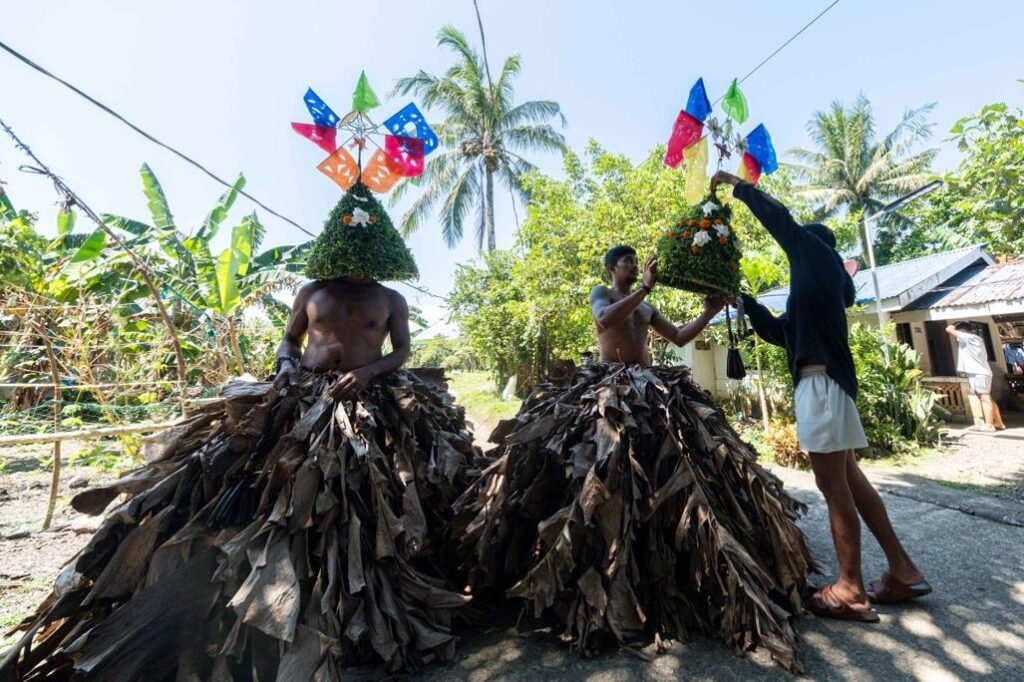
In news and documentary work, authenticity must always come first. Staged images have no place in honest coverage, and over-processed files can weaken the truth of the moment. The goal is always to present scenes as faithfully as possible while preserving clarity, mood, and detail. Having a lens that produces crisp, accurate, and clean files straight out of camera is a major advantage, especially when deadlines are tight and the need for minimal editing is part of the workflow.
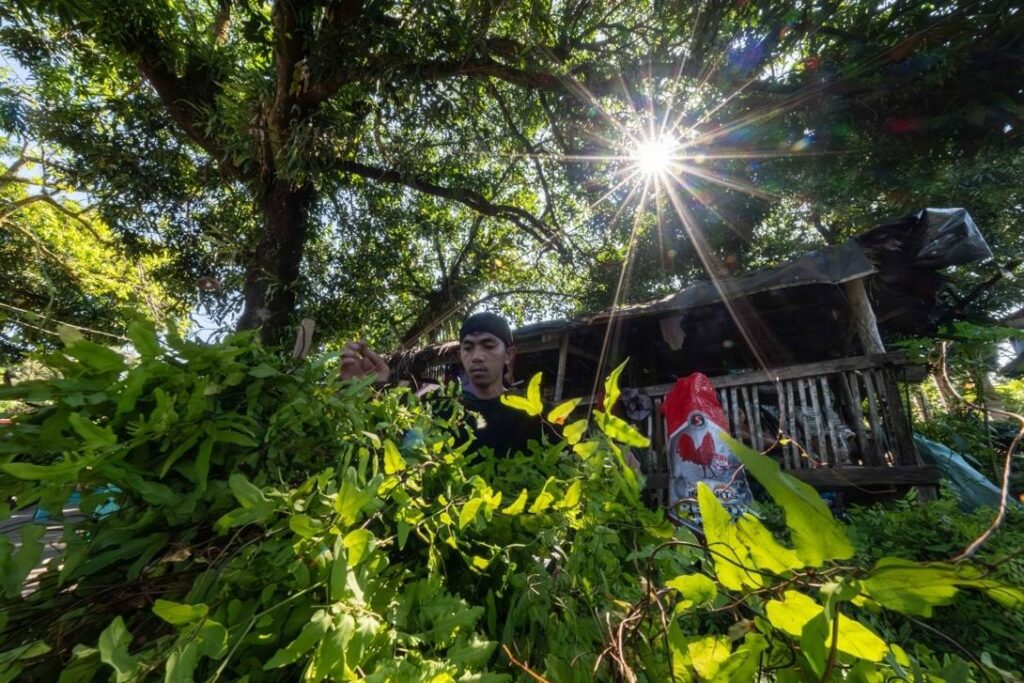
Using the XF 8-16mm alongside my regular XF 16-55mm and XF 50-140mm also reinforced how complete and practical the Fujifilm Red Badge Holy Trinity can be for serious fieldwork. The 16-55mm remains the dependable everyday workhorse. The 50-140mm continues to be invaluable for isolating emotion, gestures, and distant moments without intrusion. But the 8-16mm adds something neither of those lenses can fully replace: the power to capture scale, immersion, and the environment surrounding the story.
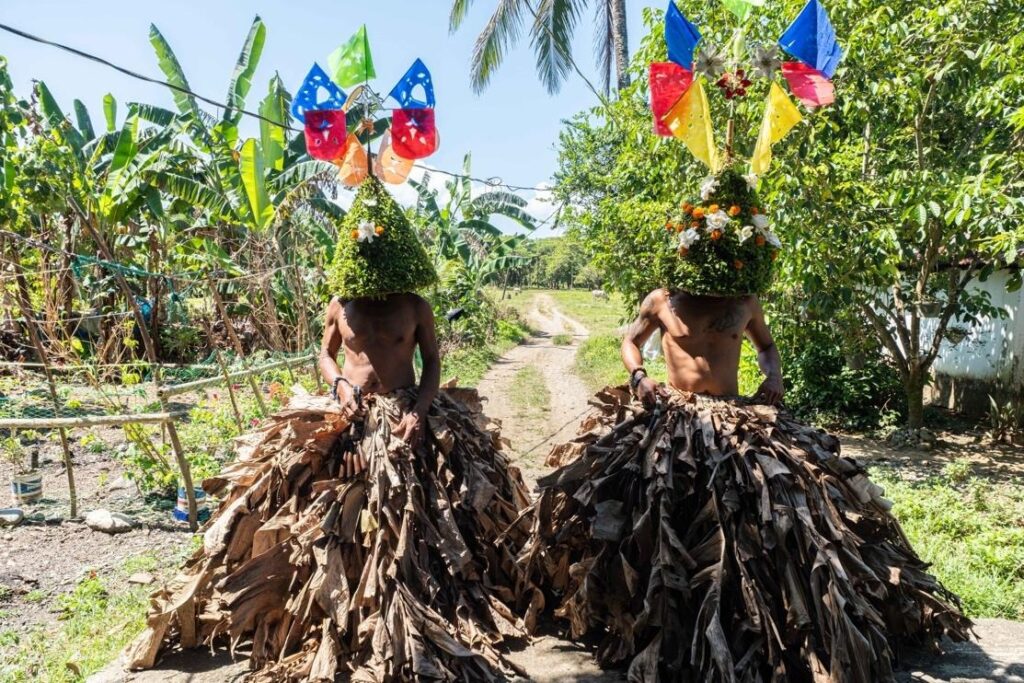
And in coverage like Holy Week, that perspective can be just as important as the close-up.
For photojournalists documenting faith, tradition, and public life, an ultra-wide lens is not just a specialty tool — it can be a crucial storytelling lens. It helps preserve the integrity of the scene, gives viewers a stronger sense of place, and allows the audience to understand how people, ritual, and space all come together in one moment.
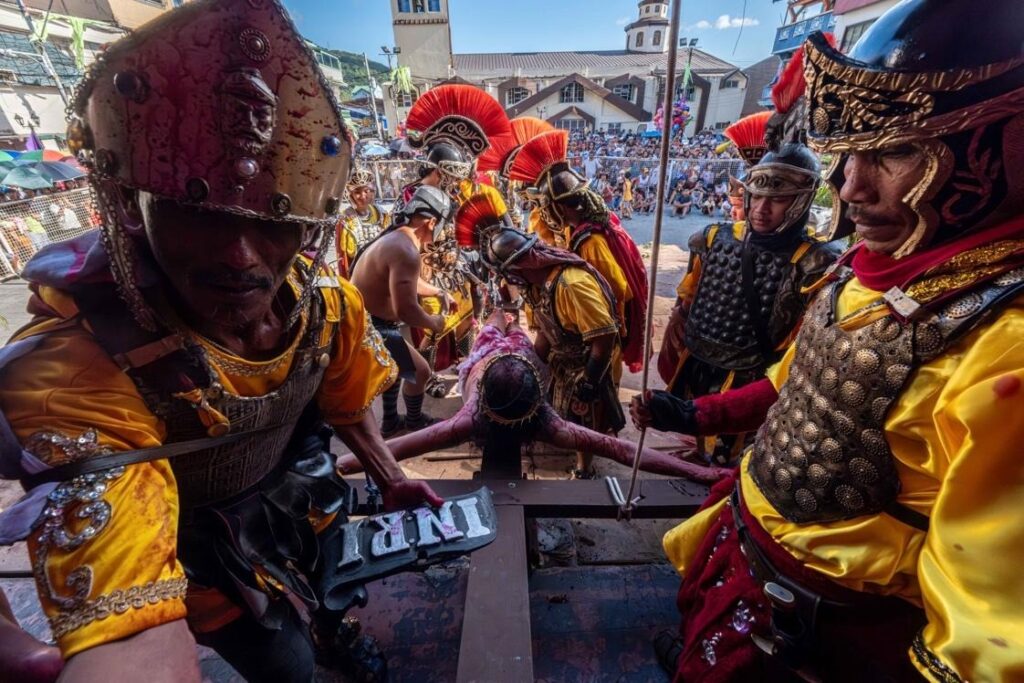
After using it in actual field coverage, the Fujifilm XF 8-16mm f/2.8 R LM WR proved itself as more than just a wide lens. It is a serious professional tool for photographers who need to work fast, move close, and tell the complete story.
For assignments where context is everything, it may be one of the most important lenses a photojournalist can carry.
