


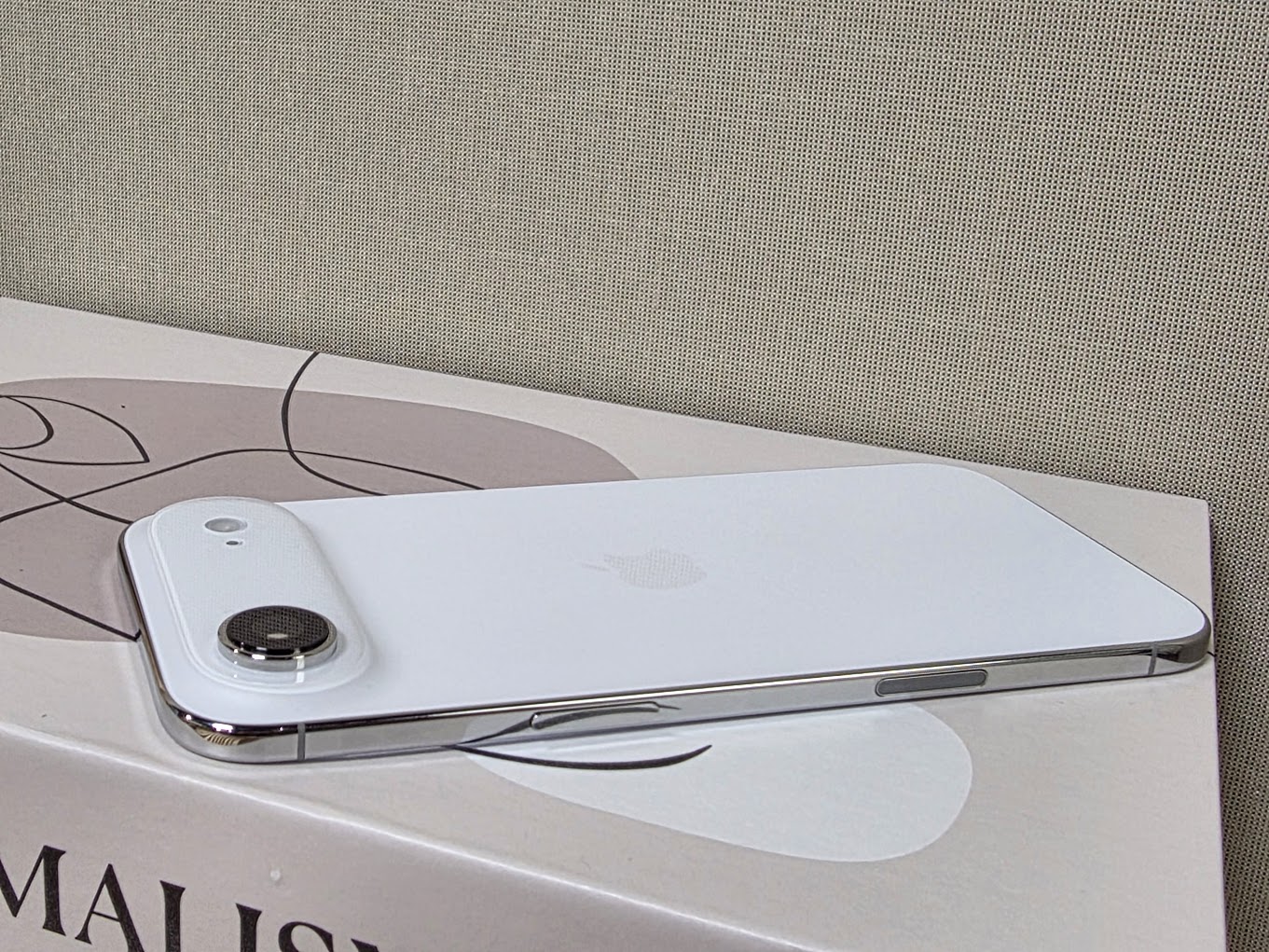
When browsing for the best value iPhone, the side-by-side spec sheet shows that the iPhone 17 and the iPhone 17 Pro are the best deals. This is because you’re either interested in a base model iPhone, or if you’re a power user who wants a triple camera, you may want to choose the iPhone 17 Pro (or even the Pro Max if size is your thing).


The iPhone Pro and Pro Max both come with the A19 Pro chip. But guess what, so does the iPhone Air.
The A19 Pro chip is the beating heart of the iPhone Air, allowing for better compute power for AI workflows that is most apparent in the camera (among other things). The 48MP Fusion Camera system is versatile, making use of AI image processing to do more with a lot less real estate. You get 1x low light, and 2x optical-quality zoom with telephoto and the front centerstage camera that can adjust for portraits or group photos.
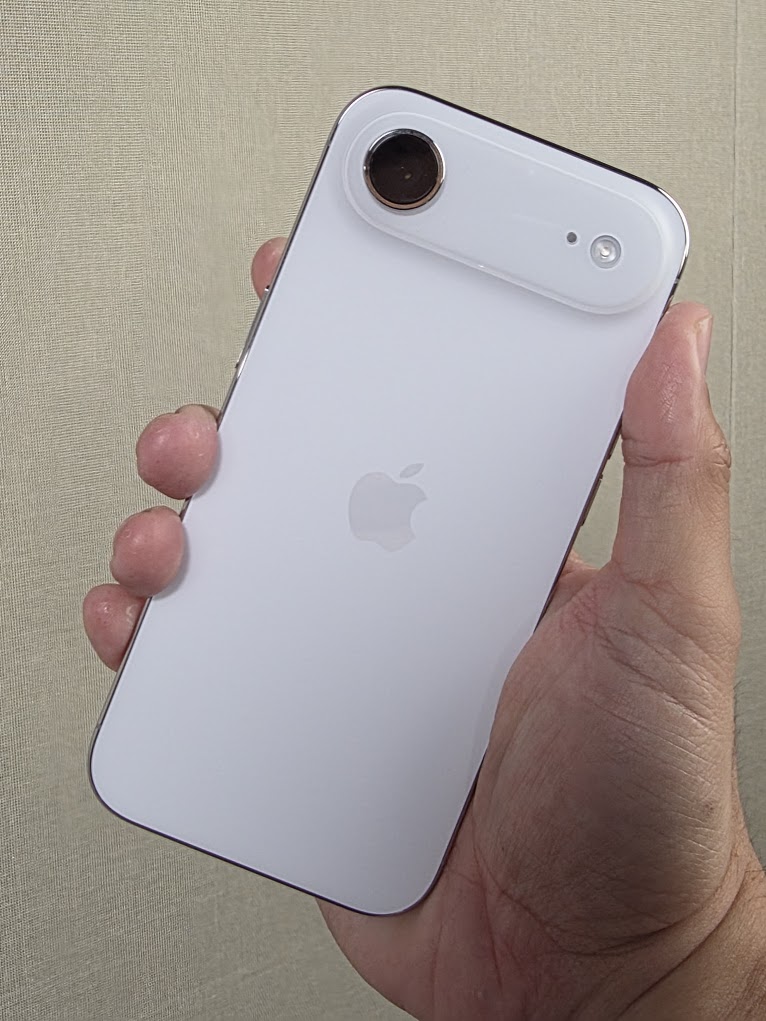
The iPhone Air is marketed as the “thinnest iPhone” because this is aligned with Apple’s marketing philosophy hyping design. But they will never market this as their “AI Phone” — which in fact it is. It’s an AI Phone because it does more with less. Isn’t that what Artificial Intelligence is supposed to do?
As someone who got to play with the iPhone Air for an entire afternoon and compared it with the iPhone 17 and the iPhone Pro Max, I will say the following:
- If you are not a huge fan of ultrawide photography, the iPhone Air camera is sufficient. It uses AI image processing for low light and 2x optical zoom. It’s not for groufies nor for concerts but it’s great for everything else in terms of quality. Group photos are achieved differently with the new Center Stage front camera. The square sensor means you don’t need to rotate your phone to landscape mode to capture wide shots with friends.
- The iPhone Air manages heat better. I used all the 2025 iPhones in one afternoon and the Pro and Pro Max vapor cooling chamber heats up at the perimeter so if you aren’t using a case, you will feel the heat on the grip. To be fair because the chamber is located around the phone, it also dissipates heat quite fast on idle. On the other hand, the iPhone Air centralizes heat right below the plateau because all the components of the iPhone are located at the top island. The rest of the iPhone is just the battery and screen. Which is why, if I were to make the case of adding low profile protection, the new bumper case made for the Air is perfect because it doesn’t add noticeable weight, just grip, and you get to enjoy feeling the back of the iPhone Air, comfortably, because it doesn’t heat up.
Historically, Apple has always been known to release an odd product or two every now and then. I remember in 2009 they released the 5th generation iPod nano that had a camera that could only take video. It could also record steps, but not runs. It might have felt odd at that time, but in retrospect Apple might have been preparing for the YouTube revolution before social media was a thing: a video recorder that was priced below P10,000 for uploading on YouTube. I feel similarly with the iPhone Air. It’s a great product when held on the palm of your hands but it’s also an engineering marvel for heat management and component density.

That afternoon, I tried putting two iPhone Airs together side by side and guess what, it would make a good foldable.
