


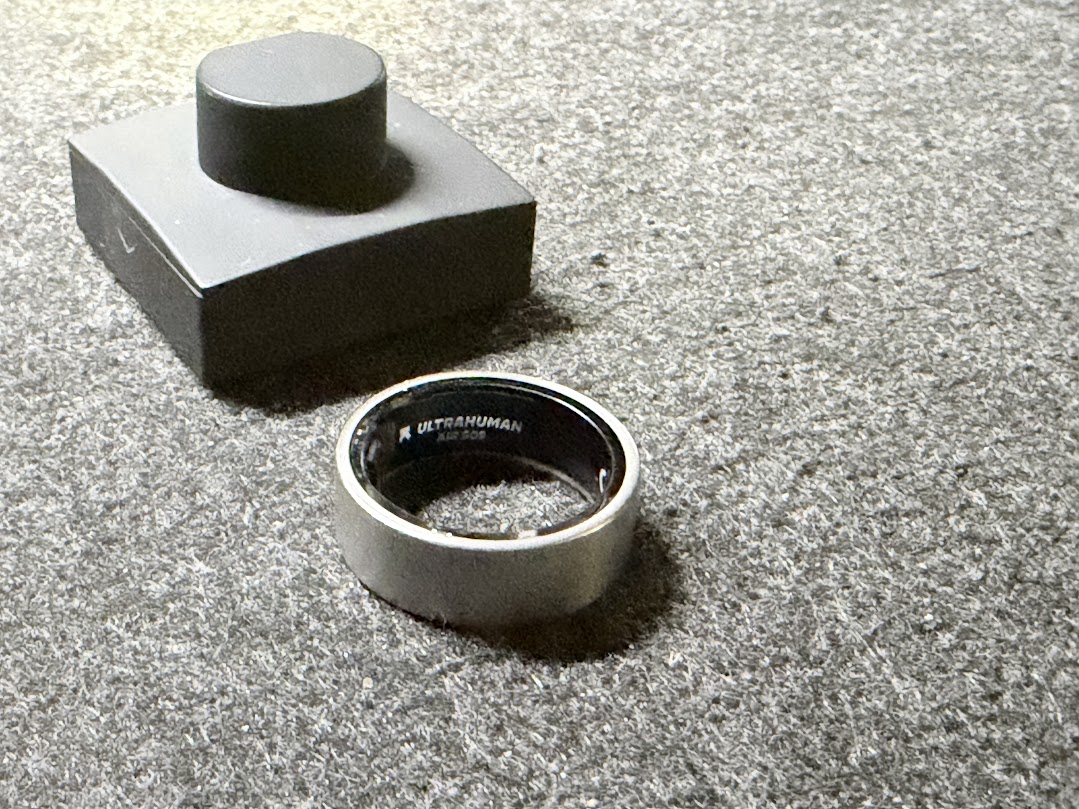
The “quantified self” was a concept first introduced during the advent of wearables. It was in the mid 2000’s that a TED Talk by editors at WIRED Magazine talked about how technology can help people make better sense of their health through data. Back in the day, Fitbit was the most common step tracker available to the general public. But Apple also had the iPod nano and the Nike+ running device that you would place inside your sole to track steps. At that time it was considered some sort of a status symbol to own these shoes with the Nike+ logo. Today, fitness trackers are so ubiquitous with China flooding the market with affordable fitness bands and smart watches. The rings have also made their debut and as someone who has used smart rings and smart watches, I can say, from experience, that the market is truly alive.
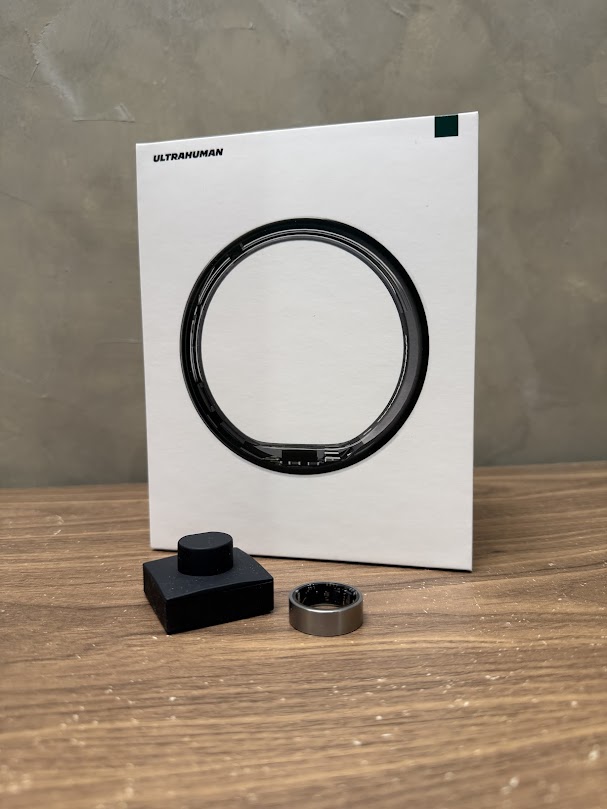
In this noisy marketplace of wearables, the Ultrahuman rings are considered to be the highest in the tier list. I have been wearing the Ultrahuman Ring AIR since the holidays last year and I’d like to write down some thoughts about using this device. Are fitness rings for you, and if so why Ultrahuman? If you’re already using a smart watch, do you still need a ring? Let’s discuss.
The prework
You don’t just buy a Ring Air from the store. You enter a commitment. This is how my relationship with Ultrahuman began. Not in a store, but with a delivery of a ring fitting guide, containing rings of different sizes and finishes. Each ring was a sized non-working sample with different finishes. I had to choose one that fit like an old shoe into my pointer, middle or ring finger. Friends who owned these wearables advised me to choose the ring that fit the pointer and middle finger as these were the most accurate of the digits in tracking data. Also, the middle and pointer were usually of the same size anyway so it would be easier to switch the ring around when needed.
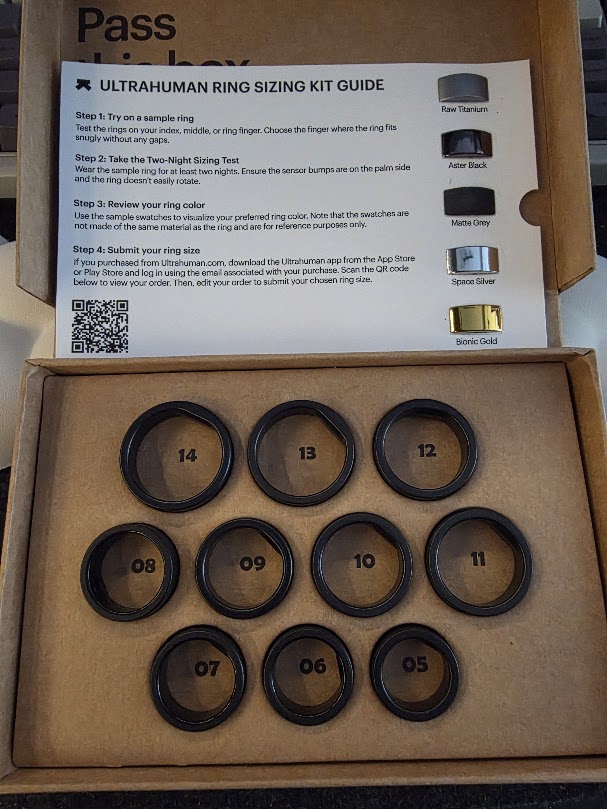
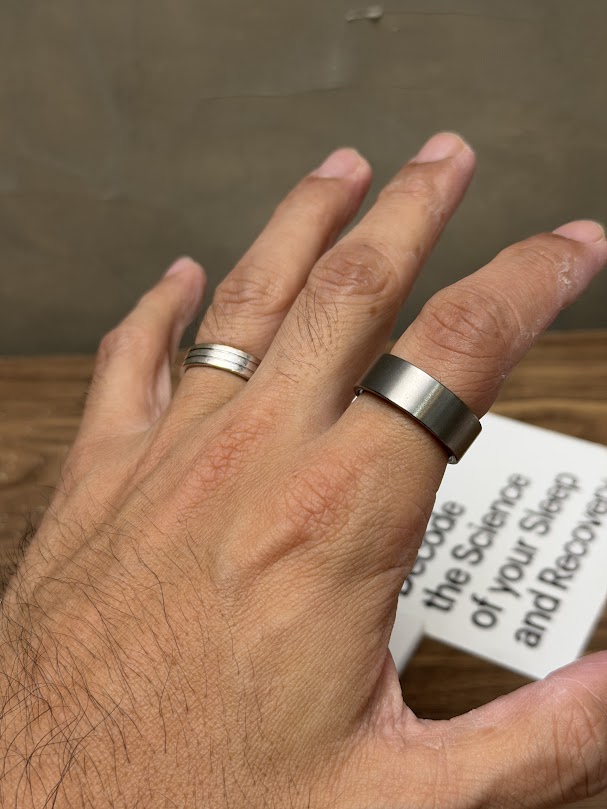
The dummy ring needed to be worn for roughly two to three days before I could make a decision. That is because unlike a watch on the wrist, fingers can adjust in size when asleep, probably with muscles contracting and relaxing overnight. I’m left handed and wear my wedding band on my left. I initially tried to keep all rings on my left hand but realized it was inconvenient when holding a phone if I had the Ring AIR on my pointer. Having it on my middle finger would scratch it against my other ring. This is why I opted to wear it on my right pointer as it was easier to remove, but still fit snug. And I don’t hold my devices with my right hand anyway. The point of all this is that if you aren’t used to wearing rings, it may take a while to figure out the most comfortable configuration for your hand. Holding utensils, washing dishes, using gadgets like phones, the computer mouse, and even wiping your face — these all may take some time getting used to.
After days of becoming comfortable with my ring size, I submitted it to Ultrahuman and waited for the actual delivery, which was about two weeks later.
Delivery and calibration
The Ring Air arrived just before the holidays. It comes in very minimalist packaging, including the ring, the wireless charging dock, and a USB-C to C cable. The package does not include a charging brick but Ultrahuman does note that one should not use fast charging devices (like GaN chargers) as this may cause the ring to overheat. For safety I plug the ring into my desktop or laptop USB-C port or a low wattage wall socket or extension cord. If you use a high-wattage charger similar to the ones used by most China phones (HyperCharge, SUPERVOOC, etc), you need to pay close attention to the ring. The app actually sends a notification that your ring is heating up and should not be left long using a fast charger.
I suffer from a seasonal bout of skin asthma / eczema that usually manifests during drastic weather shifts. That’s usually during the late BER months and the start of summer. It so happened that I was in the middle of calibrating my Ring Air for a few days when I started to flare up. Note that the Ultrahuman Ring Air was not the cause of this flare up — it’s a seasonal thing I have to deal with and I usually remove all forms of jewelry for roughly two weeks while the infection was being healed through antibiotics. That meant not having to wear the ring 24/7, which was actually, surprisingly fine. The ring can actually be worn sporadically, especially only at night to monitor baseline numbers and sleep score.
So who is it for?
The Ultrahuman Ring Air is, in my opinion, the most featured-packed ring wearable in the market today. Like many of the more advanced smart watches, it can serve as a daily life companion without having to dock for more than a week on the default “chill mode” setting.
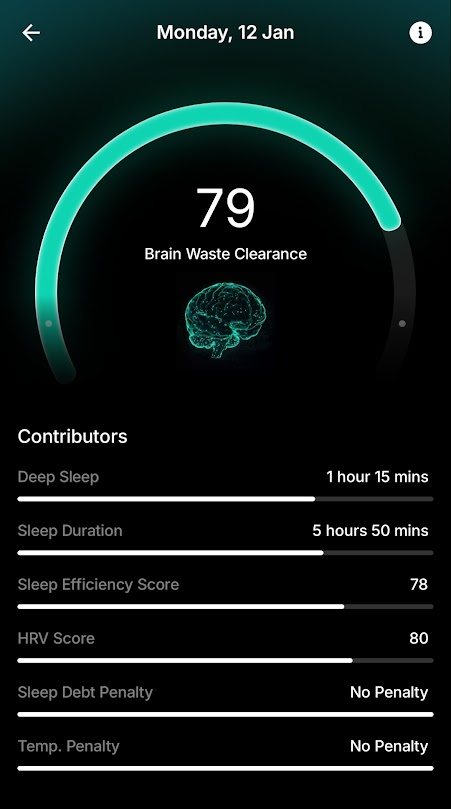
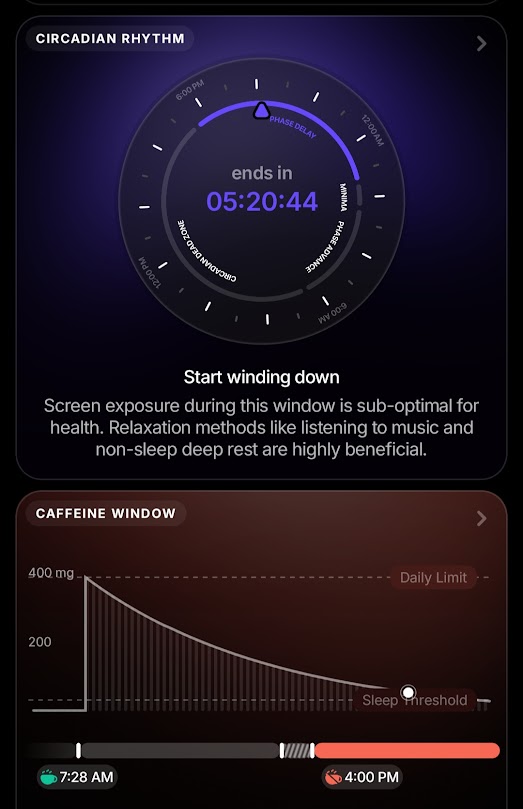
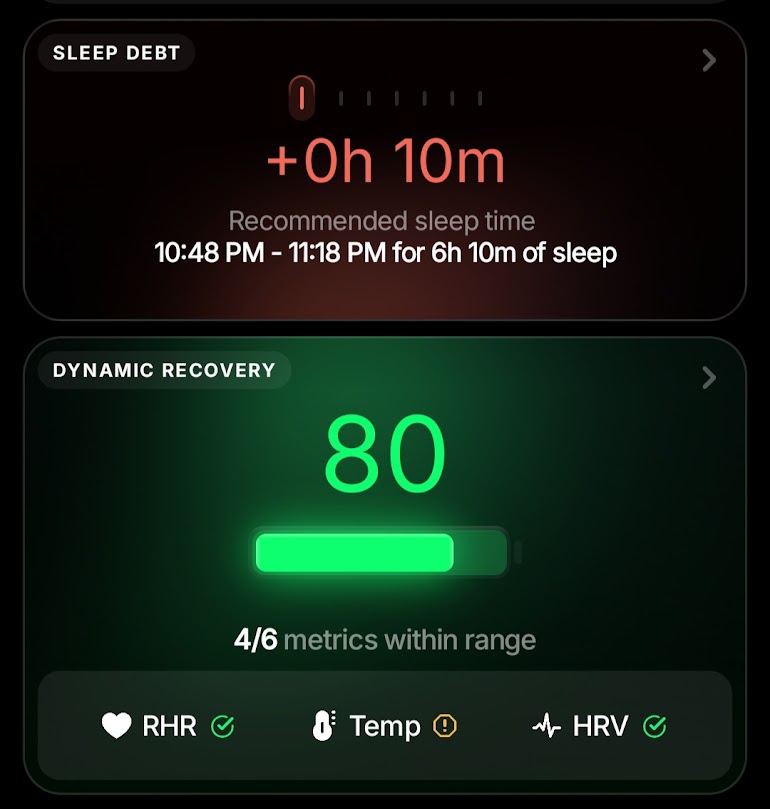
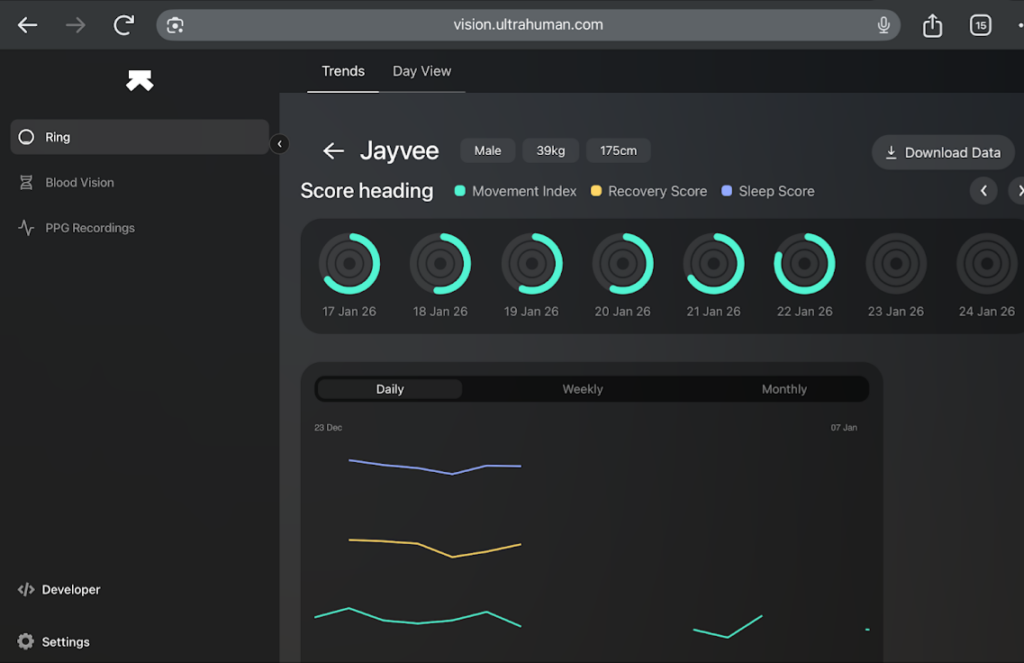
If you’re considering one to track accurate steps, this is not for you, as it under-reports steps compared to the Apple Watch 11 by roughly 25-30%. If you want to track sleep progress, a ring is more convenient than a watch. It’s more convenient to wear 24/7 as its IP rating can withstand water from washing dishes and baths. That means it can give better resting heart rate data, which was a peeve of mine with smart watches since I usually remove my watch when I get home from work. That being said, the Ultrahuman Ring Air data works well with your favorite AI LLM and is in fact more convenient to use because of the way it is set up. With Ultrahuman, data is stored in the cloud, and if I want to access or download my data, I simply login to Ultrahuman Vision on my browser and I can download everything as a CSV file. This data can be uploaded to ChatGPT (any LLM will do, it’s just that I use this the most for health data).
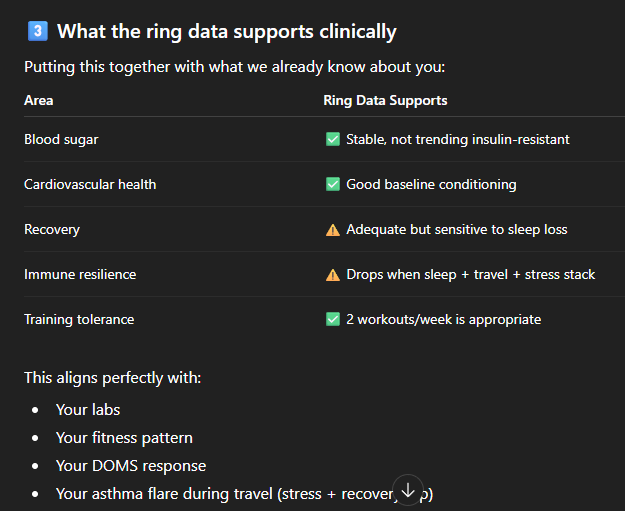
A fitness tracker isn’t meant to be used as an “achievement monitor.” It’s meant to be used to monitor fitness trends over time. Even when I upload my training data to ChatGPT, it tells me that days with “NaN” or “no data” can still help paint a good picture of your fitness trend. It is recommended, at minimum, to use the ring when you sleep, to establish your baseline data (HRV, resting heart rate, etc). The Ring Air also does not need to exist in a vacuum, as you can combine this with other trackers. When I go boxing, I prefer to remove the ring and rely on my watch instead. The beauty of the quantified self is that I can pull data from different sources and upload them all for an AI to analyze. Blood work, doctor’s check ups, and the training data from my watch and ring can all contribute to monitoring my health trends and help me understand “why am I feeling this way?” It’s a good indicator to help you slow down when your sleep score has consistently been low, or to start taking it slow when your skin temperature starts to rise in anticipation of a fever.
Final thoughts
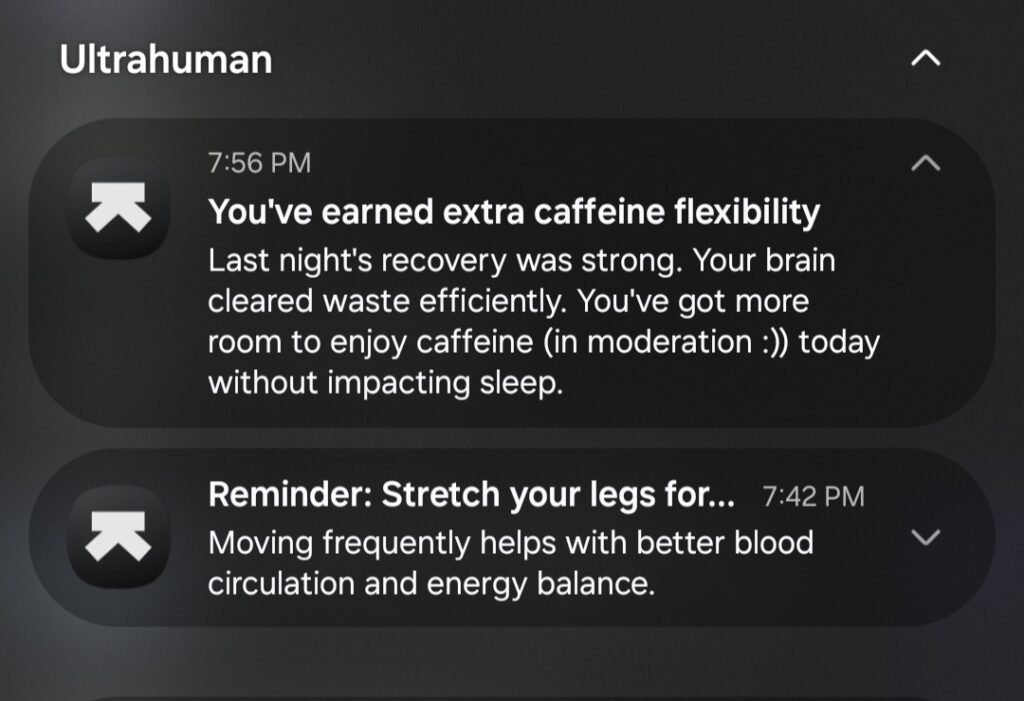
Based on the Ultrahuman app ecosystem it looks like there’s a push to release both free and paid apps called “Powerplugs” that add a variety of monitoring options. So far I have installed a few that can monitor Vitamin D intake from sunlight exposure, Circadian alignment monitoring based on sleep tracking, Caffeine Window that looks at coffee intake vis a vis time, and Social Jetlag that is essentially an introvert’s recharge clock. There are many other apps that are situational such as one for new parents and menstrual cycle and ovulation for women. This ecosystem is really what gives me more confidence in Ultrahuman’s long term goal of truly understanding one’s body.
Yes, one can survive without a fitness tracker. We all did before the time of smart devices. But as technology and science exist to give us a better understanding of our bodies, it redefines how we think of that age old saying “age is but a number” — and that number is a healthy HRV.
