

Xiaomi puts a screen next to its Leica cameras, builds privacy into the main display and gives the Pro Max Qualcomm’s top Snapdragon chip.
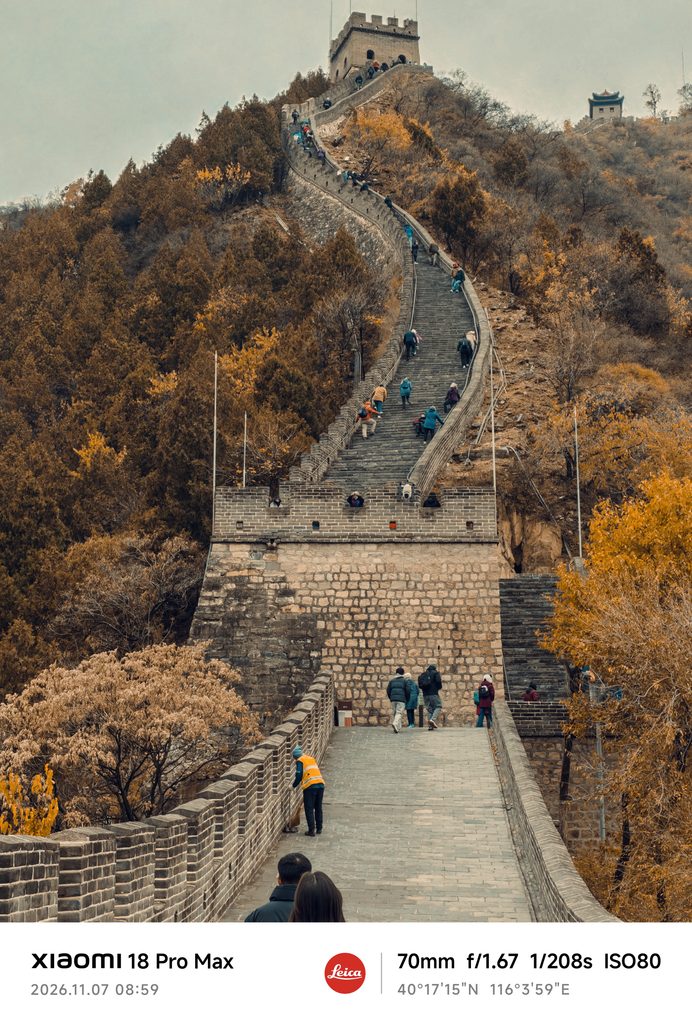
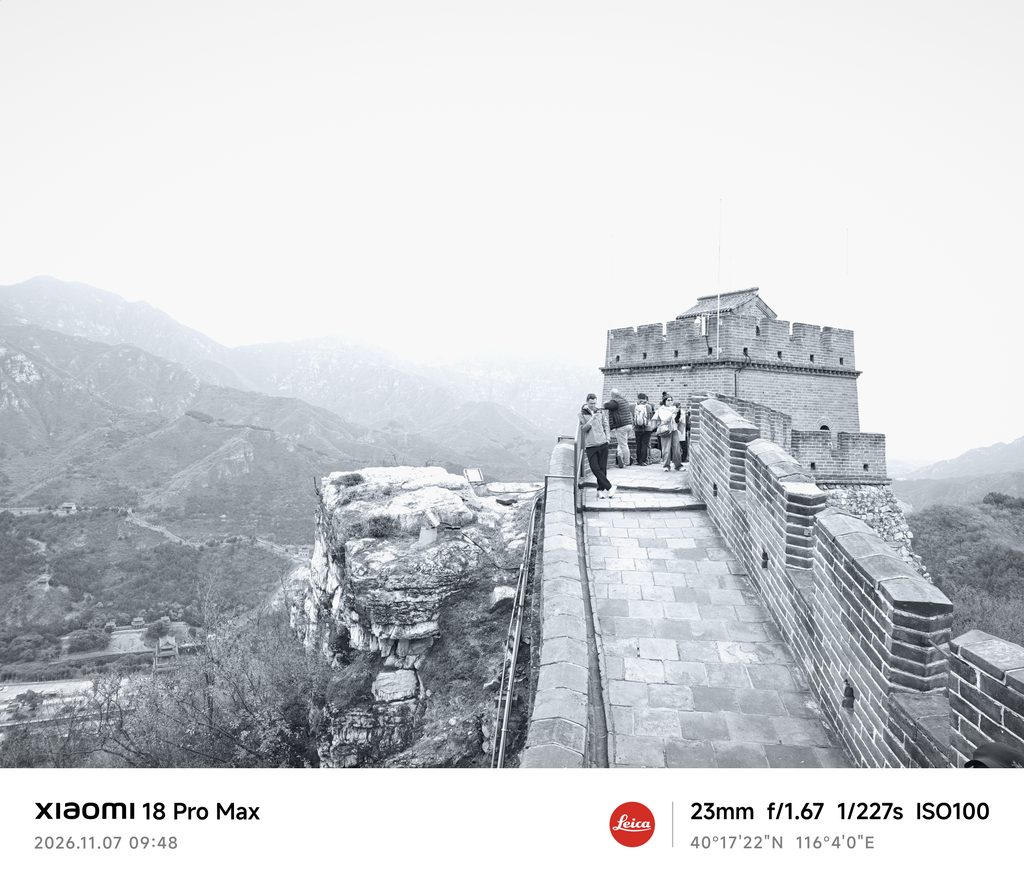
At the Great Wall, the photo I kept coming back to was a tight shot of the wall winding across the ridges. I could follow the steps up the hillside, pick out the watchtowers and still see the mountains fade into the haze. The photo felt like the morning I remember. It was also a reminder that the part of a phone I’m most curious about before a trip can be different from the part I appreciate most when I look through the photos.
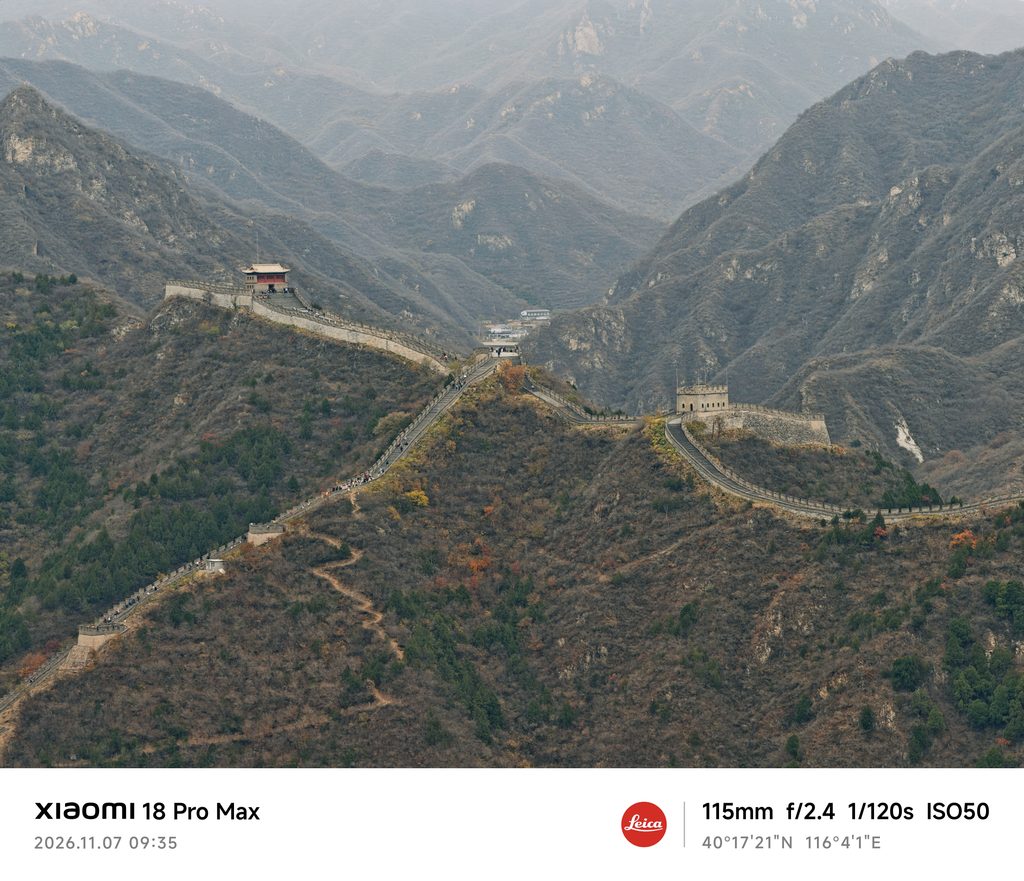
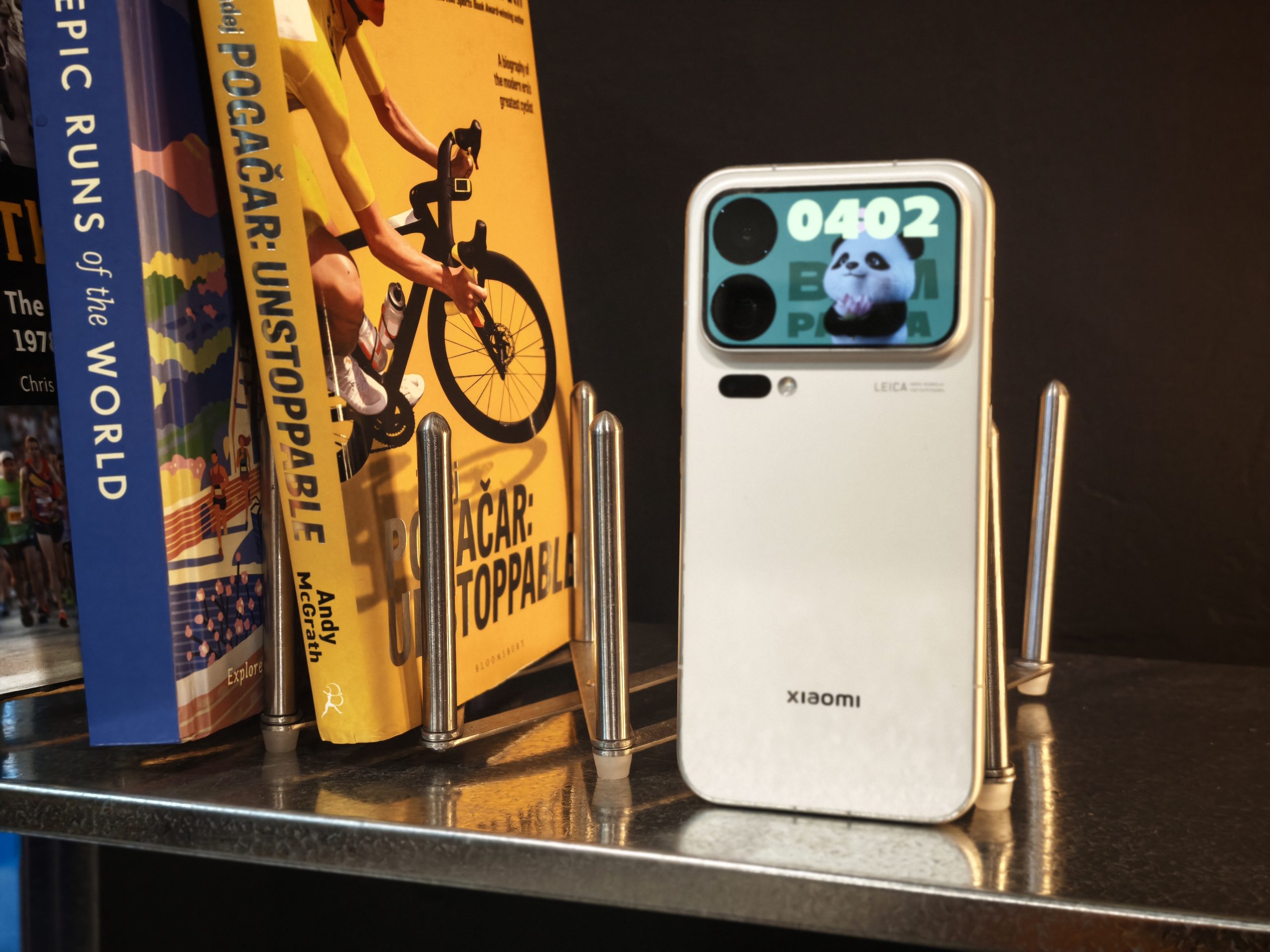
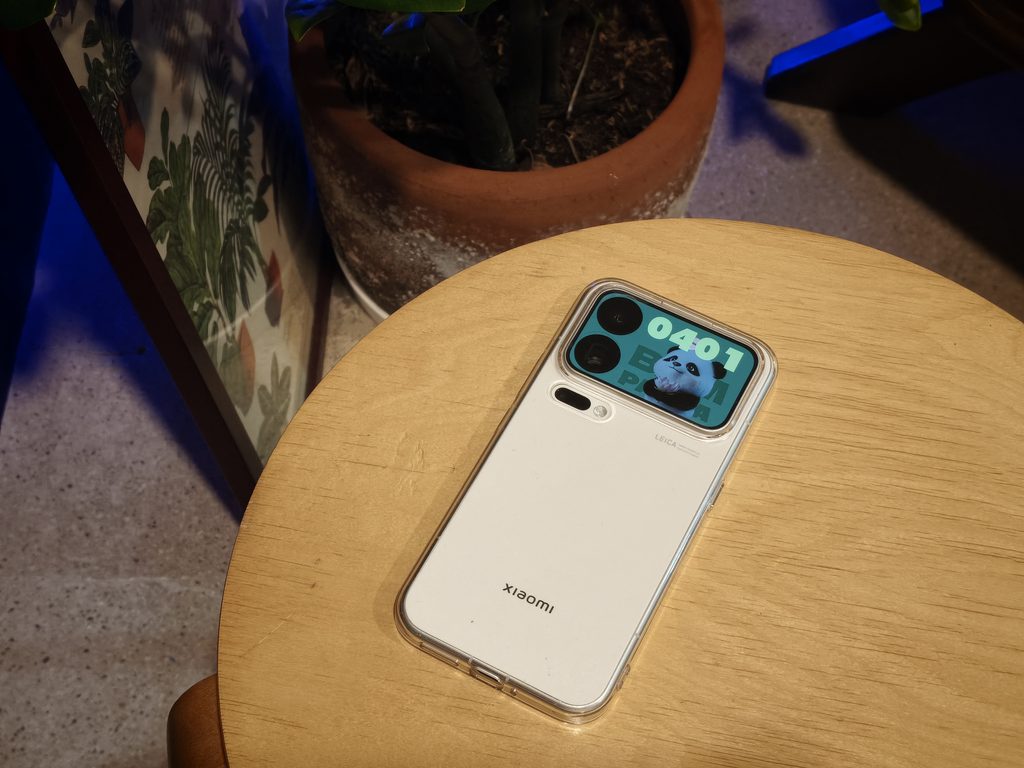
Xiaomi lent PhilSTAR Tech the 18 Pro Max for this review. The rear display is what I’d show someone first. The telephoto is what I’d tell them about once we started looking at the pictures.
Foldables got us used to the idea that a phone could have a screen for different moments. Xiaomi puts a second one on a phone you simply turn over. After the trip, I had a better idea of when I’d actually do that.
What can you do with the screen on the back?
The 2.9-inch rear display makes the most sense as a viewfinder. I can see how much of the background fits before taking a selfie. The same goes for video. If I’m filming by myself, I can check where I’m standing in the frame before I start talking. On a coverage day, that’s one less reason to record a short clip, walk back to the phone and do it again.
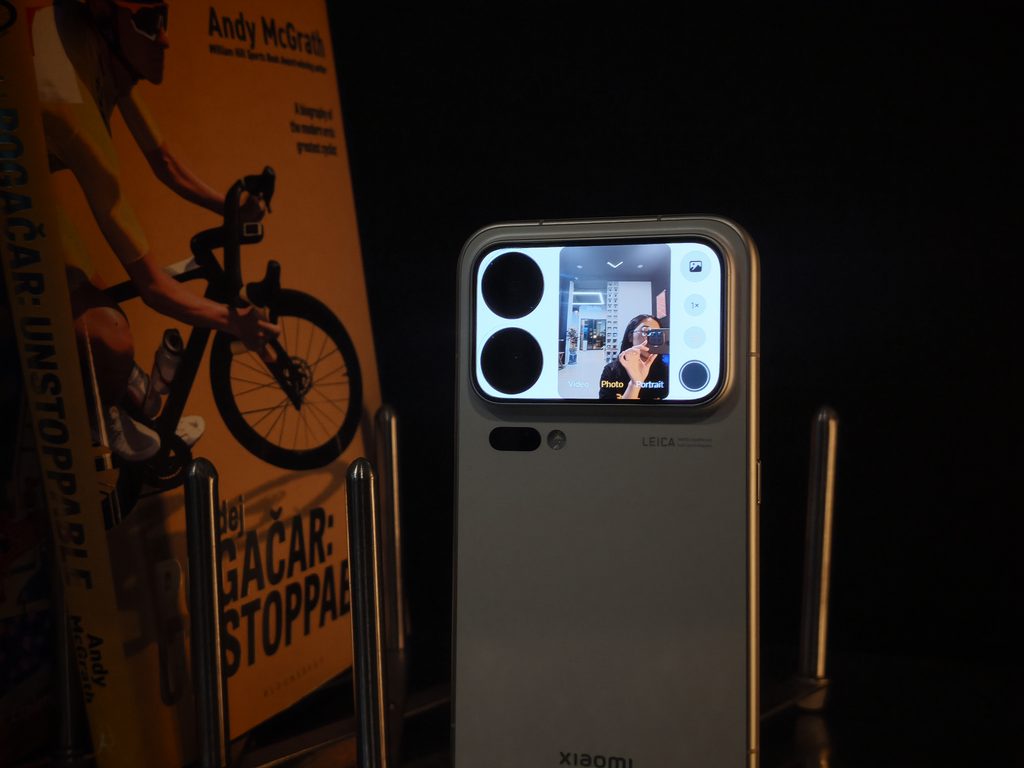
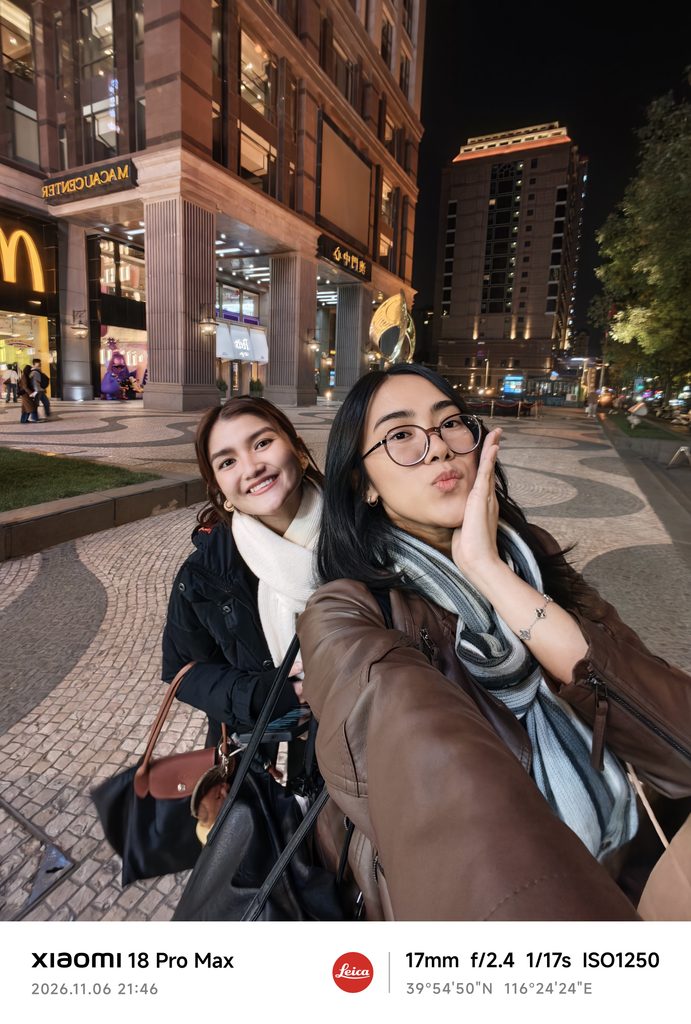
The night selfie in my gallery shows why I liked having that option. The 17mm rear ultrawide fit two of us and enough of the street behind us to make it feel like a travel photo. Both faces are clear at this size, though my arm looks exaggerated close to the lens. The phone can switch to the ultrawide when it detects more than three people in a rear-camera selfie. Its framing is around 0.7×, which may feel tight if you’re used to 0.5×.
Away from the camera, the rear screen can show directions, ride updates and delivery status. You can pin a boarding pass or QR code for quick access. With AI Interpreter, each person can read a translation on the screen facing them. Xiaomi also offers animated wallpapers, mini-games and a tool that creates simple apps from a description. Some AI features vary by region and software version.
I can see myself pinning a boarding pass when I have a bag in one hand and need the code ready in the other. The mini-apps are harder to picture in my daily routine. Most of the time, I already have the phone facing me. The viewfinder earns its place because the back is exactly where I need it.
What the Leica cameras captured in Beijing
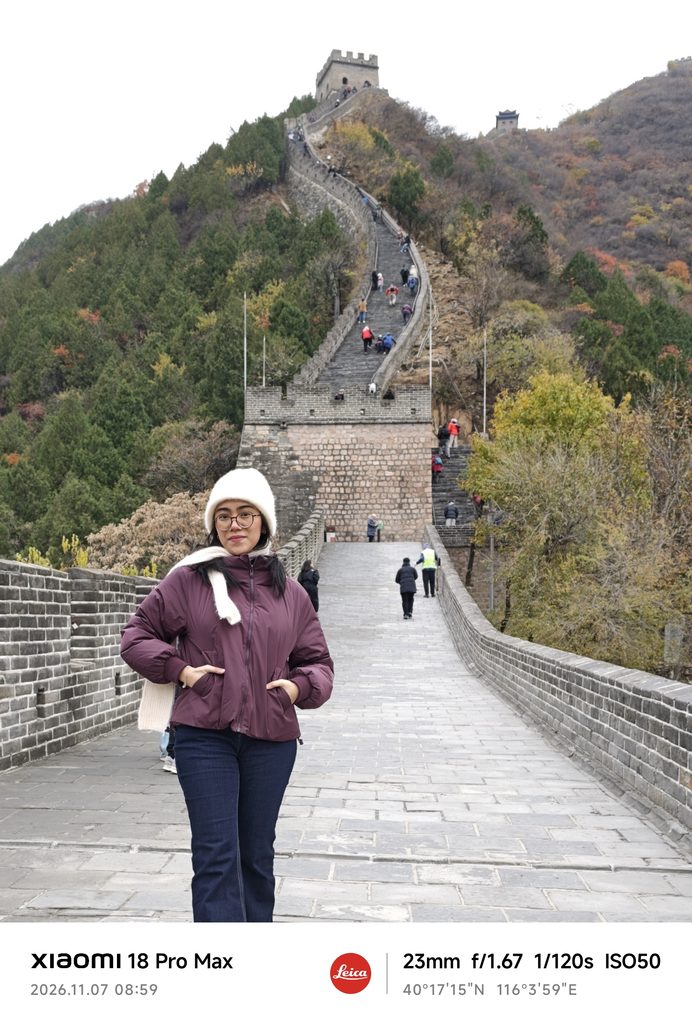
The Great Wall gave me two good reasons to switch cameras. At 23mm, the 200MP main camera took in the walkway, the tower and the people climbing the steps. You can see the texture in the brickwork and paving stones. The sky is nearly white and takes up much of the frame, so there’s little detail there to judge.
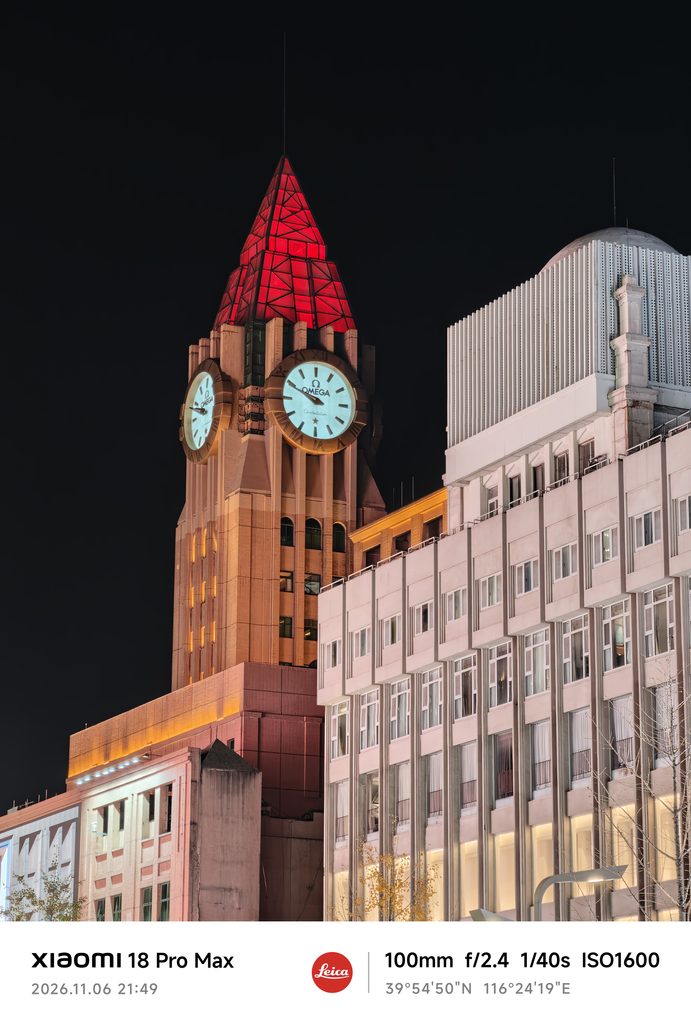
I liked what the telephoto did after dark, too. In the 100mm shot of an illuminated clock tower, the lettering on the clock face is readable, and you can still see the lines running through the red spire. The tower itself was well lit. What impressed me was how clearly those details came through against the dark sky.
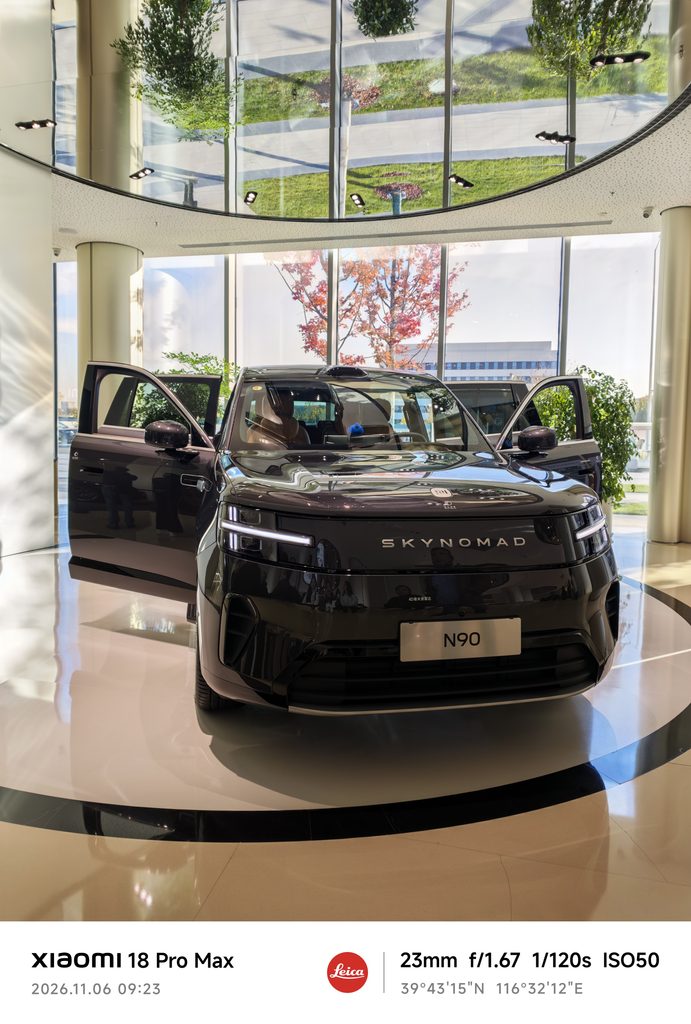
This 23mm shot of the black Skynomad N90 shows a bit of a different challenge. The showroom windows are bright, and the hood is full of reflections. The badge and running lights stay distinct, though some of the lower grille disappears into shadow. Xiaomi says the Pro Max’s upgraded main sensor is designed to retain more detail across bright and dark parts of a scene. This photo shows both what came through and what I still wanted to see.
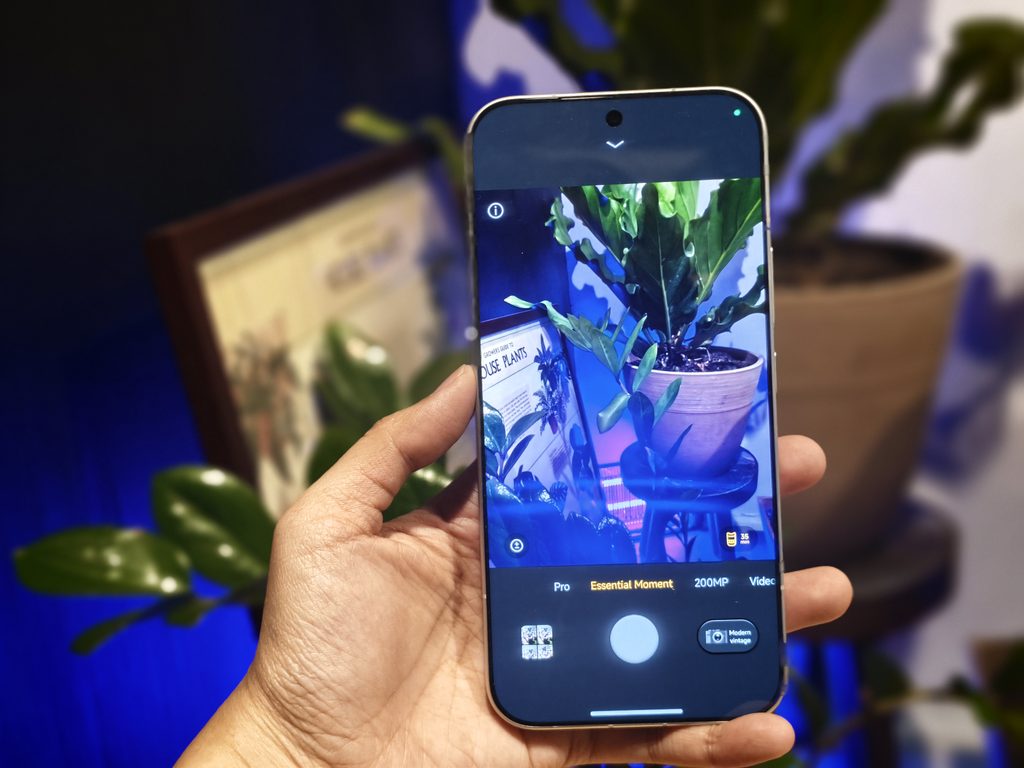
With the Essential Moment feature, Xiaomi gives you three looks to shoot with. B&W Film goes for classic monochrome, Iconic CCD brings out the punchy colors of older digital cameras, and Modern Vintage takes a more subdued approach. Xiaomi also offers simulated looks inspired by a 35mm documentary lens and a 75mm portrait lens with soft background blur.
The privacy screen has a blind spot
The 6.9-inch front display gives me room to check focus, scrub through a clip or read a long article. It’s an AMOLED panel with an adaptive refresh rate of up to 120Hz. Turn on Privacy Mode and dedicated pixels narrow the viewing angle. You can set it to come on for selected apps or notifications, so it’s already active when you open a banking app or check a work message.
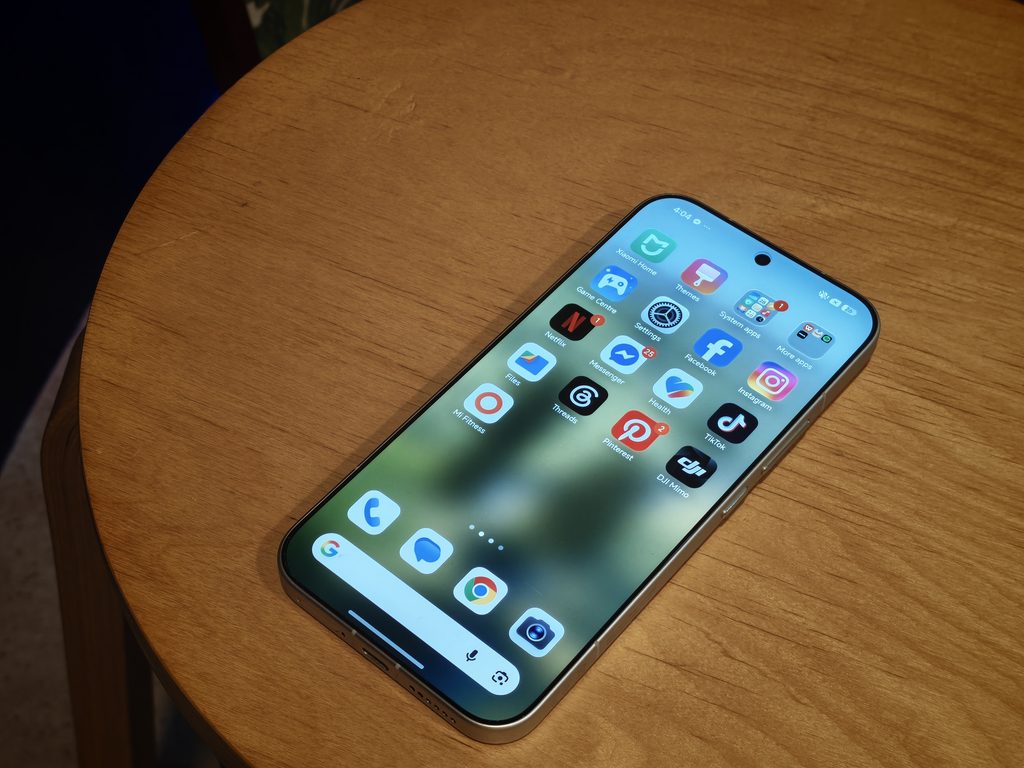
Privacy Notice, the feature that buzzes when the phone thinks someone is looking at the screen, was hit or miss in my use. I was walking down a grocery aisle with the phone in my hand when it suddenly buzzed. I looked up. The only other person in the aisle was a store employee about two to three meters away. I couldn’t tell what had triggered the alert. There were other times it buzzed when nobody was beside me or behind me. After a few of those, I started paying less attention to it.
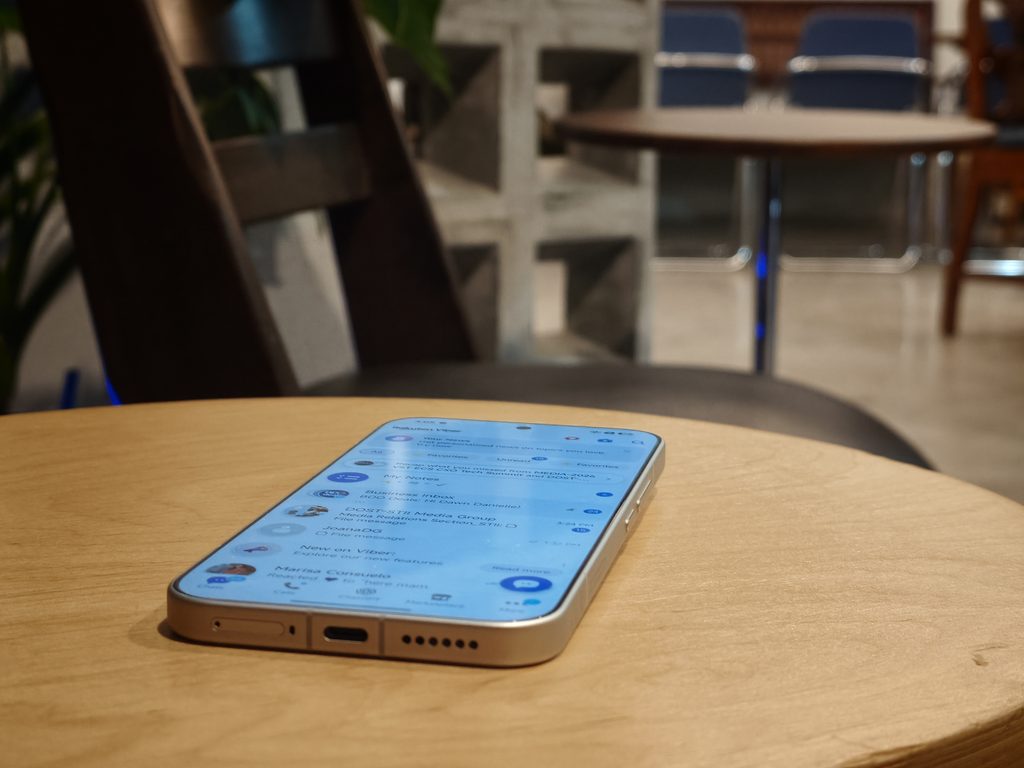
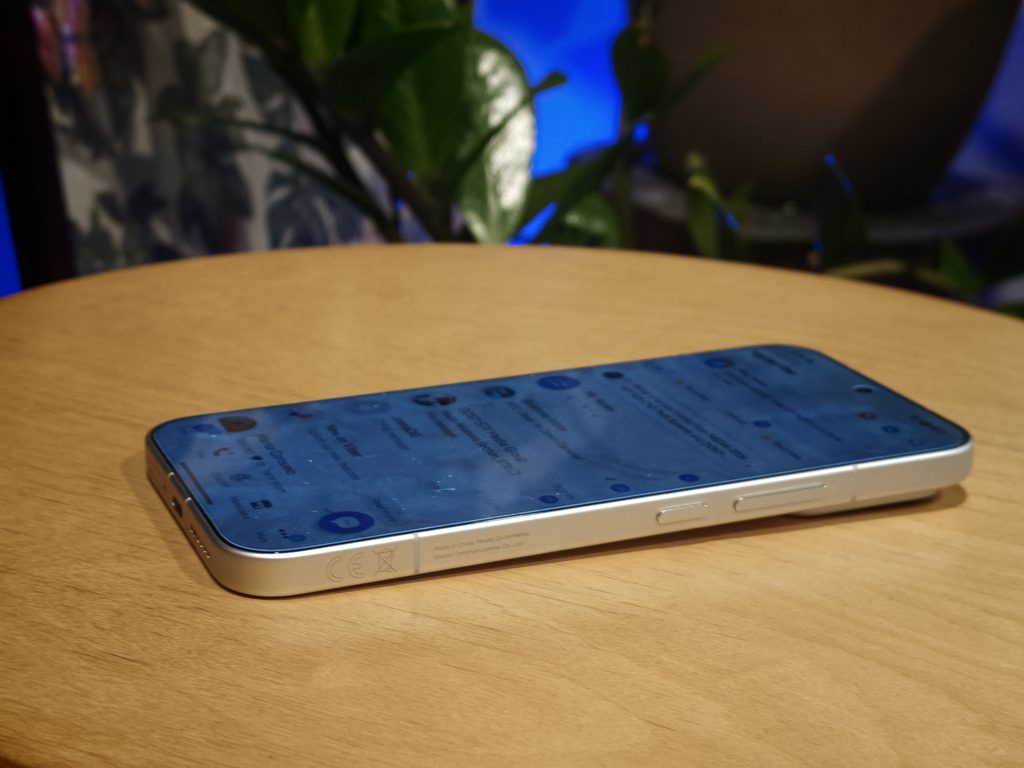
Moreover, we found that the screen dimmed from the sides with the phone upright, while the effect didn’t extend to views from above or below. Yet, I liked Xiaomi’s option to apply the feature to individual apps. Being able to set the feature once for specific apps is what makes it practical for me.
Where the extra power matters
The Pro Max runs on the Snapdragon 8 Elite Extreme Gen 6, while the smaller 18 Pro gets the standard 8 Elite Gen 6. Both chips are built on a 2nm process. Xiaomi gives the Max a direct copper path from the chip to the vapor chamber to help move heat away during longer workloads.
I see the appeal on days when I’m asking one phone to do several jobs in a row. A coverage day can mean recording clips, checking notes, trimming a reel and exporting it before the next thing starts. That’s where I’d value the extra processing power. If most of my day were spent in email and social apps, the chip alone would be a harder reason to choose the Max.
The 7,050mAh battery is at least as persuasive to me as maps, video and mobile uploads can all draw from the same charge on a long day out. The larger capacity gives me more room for that kind of use. The phone supports up to 100W wired and 50W wireless charging with compatible gear, which is handy when there’s only a short window to plug in.
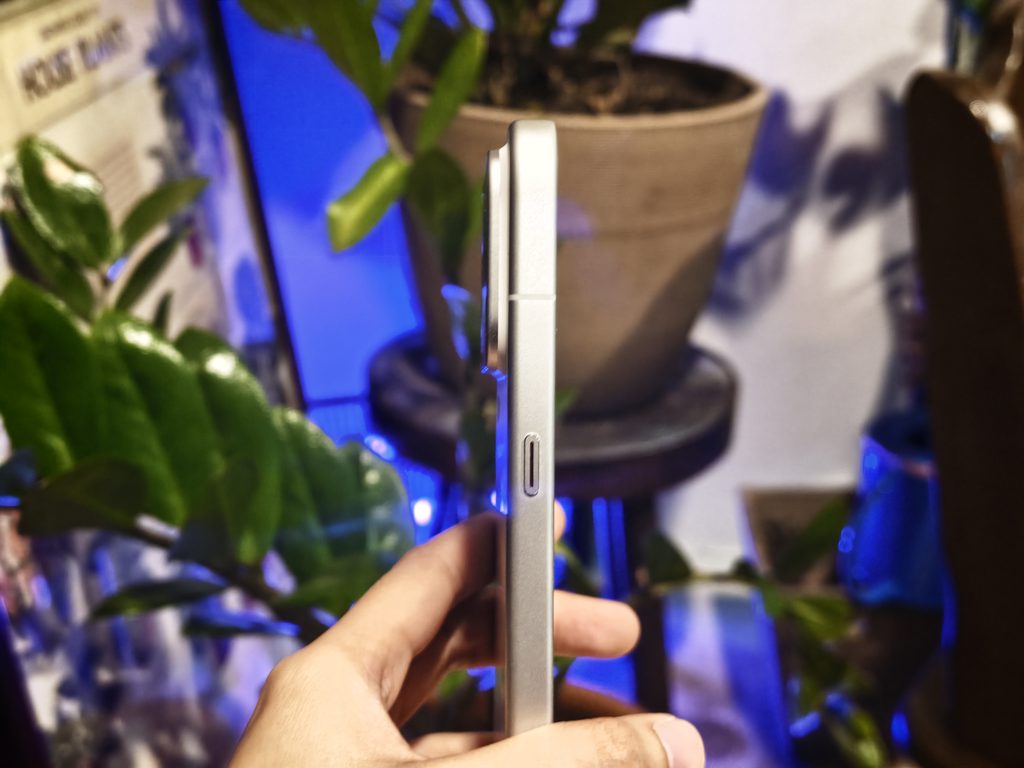
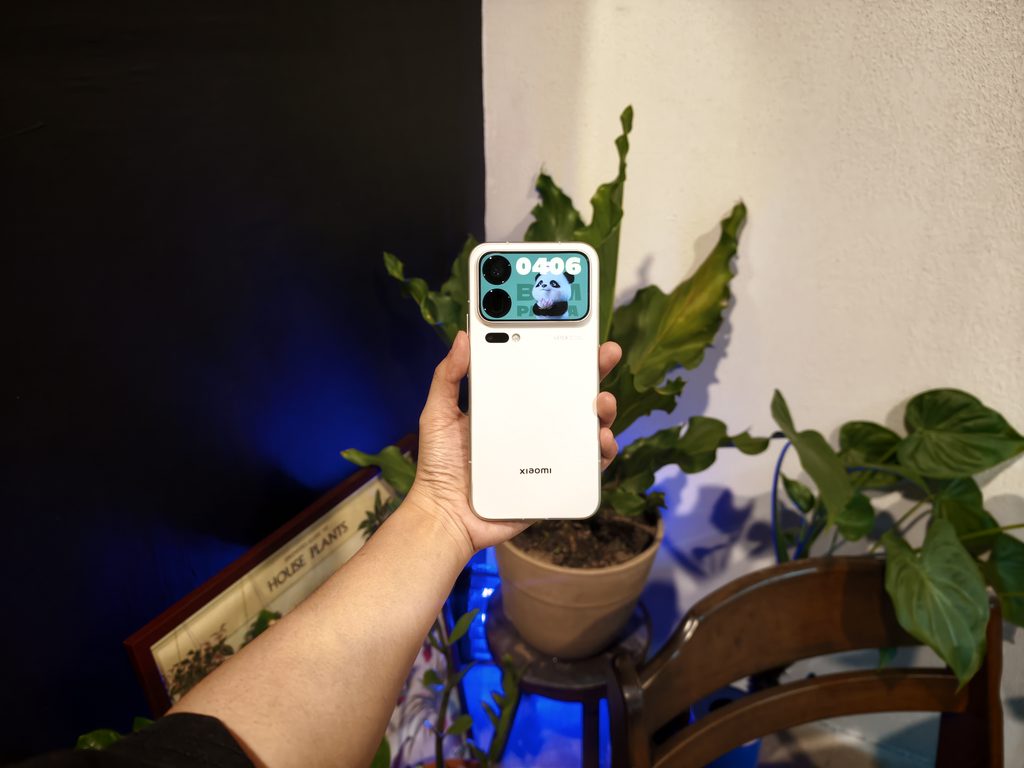
The Max starts at 229 grams. That’s easy to notice when I hold it at arm’s length for a selfie or video. I appreciate the bigger screen once I sit down to go through the footage. Both moments matter if you’re deciding which size to carry every day.
Would I choose the Max?
At ₱109,999, I can see why someone would pay for the Xiaomi 18 Pro Max. It’s a phone I’d happily take on another assignment. The regular 18 Pro deserves a look if the rear display is what drew you in. It has one too, along with the same 200MP telephoto.
What would I miss if I switched phones tomorrow? The next time I filmed alone, I’d miss being able to see myself while using the rear cameras. The next time I stood across from a landmark, I’d miss being able to pick out a detail and still show where it was. The Pro Max gave me both on one trip. That’s what makes it worth considering, whether or not my next phone has a screen on the back.
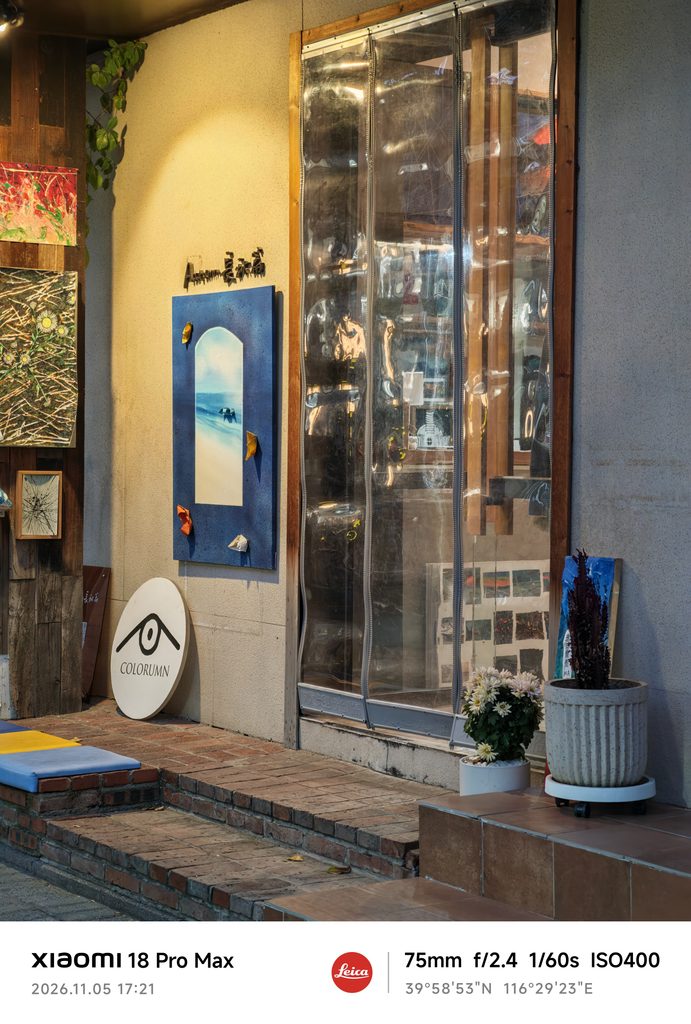
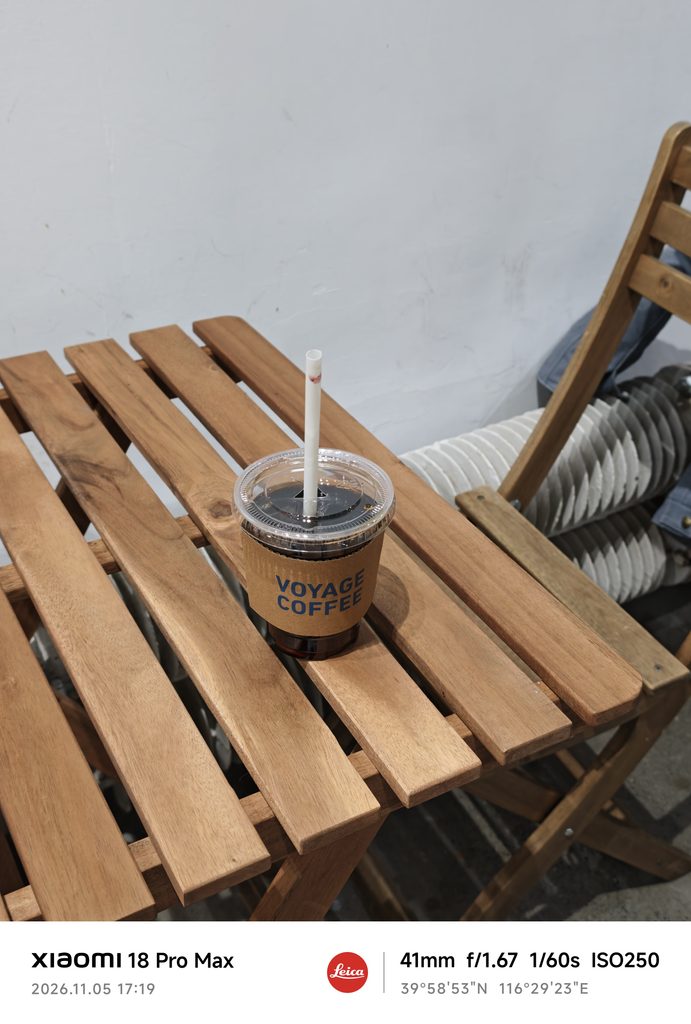
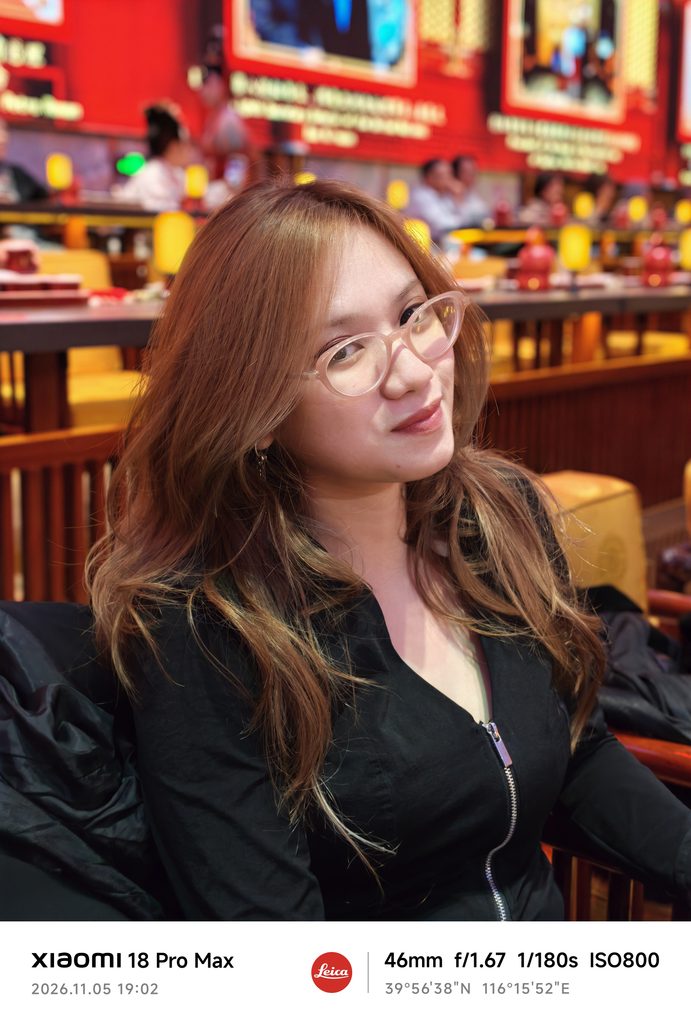
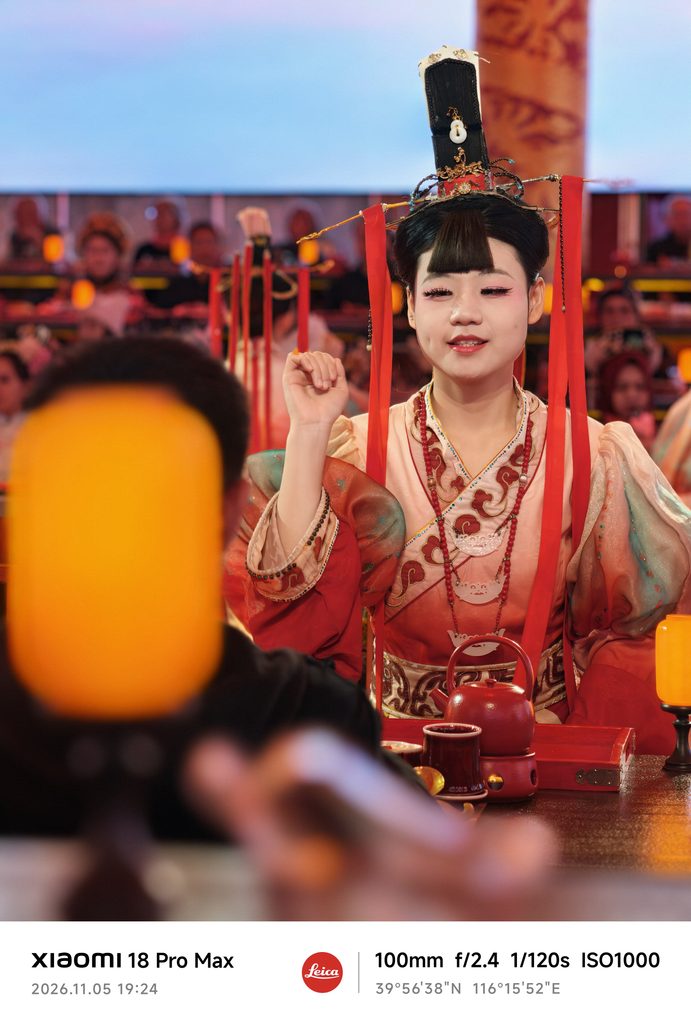
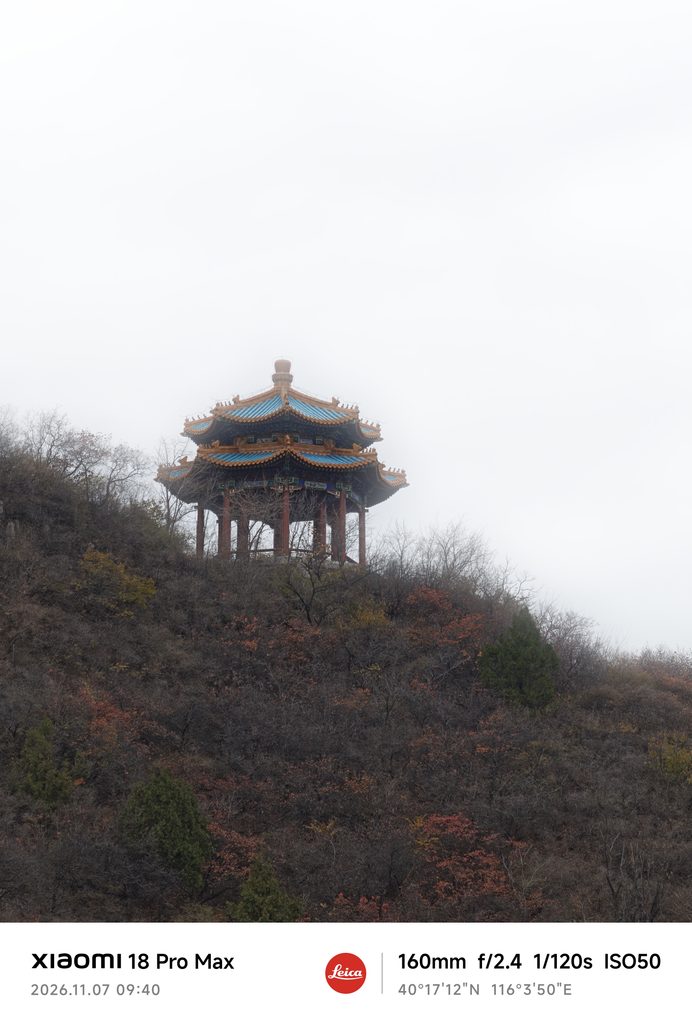
Now, a gallery of photos I took with this phone. Feast your eyes.