



Foldable phones must deliver the battery life, performance and reliability buyers expect from any flagship device, as consumers look beyond the novelty of a screen that bends, according to Samsung Electronics Philippines.
In an email interview with PhilSTAR Tech, Samsung Electronics Philippines head of Mobile Experience Kristine Go said questions about foldables have evolved since the company entered the category.
In the early years, consumers asked whether a foldable could hold up. Today, she said, they expect durability and want to know whether the device can meet their other everyday needs.
“Perhaps the most important lesson is that consumers now judge foldables by the same standards as any flagship device: durability, portability, performance and long-term usability,” Go said.
Now in its eighth generation, Samsung’s foldable lineup draws on years of consumer feedback, durability testing and service insights to refine the experience, Go said.
She said those expectations have guided Samsung’s work on its displays, hinges, materials and software, drawing on laboratory testing and feedback on how people carry, open, close and use their phones.
These lessons have helped the company improve display durability, reduce crease visibility and refine how devices open, while developing thinner and lighter models, she said.
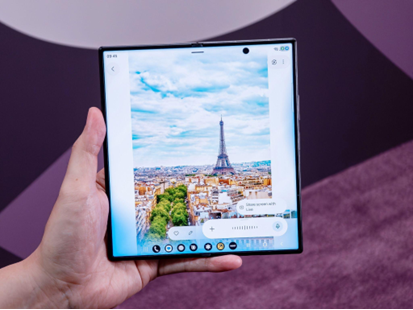
Go said Samsung’s approach involves balancing several requirements rather than prioritizing a single physical feature.
“We’ve never been focused on a single metric, like crease visibility or device thickness. We’ve focused on finding the right balance of what consumers want and what our technology can reliably achieve.”
She cited Flex Titanium as an example, saying the material was chosen to balance thinness, flexibility, structural stability and long-term durability.
Samsung is also designing its foldable lineup around different uses. Some buyers want a larger screen for productivity and multitasking, while others prioritize viewing content or quick interactions, Go said.
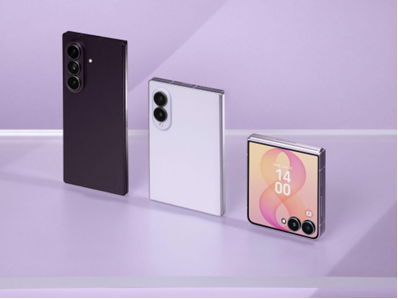
She pointed to opportunities to use the Galaxy Z Fold8 Ultra as a mini tablet, the Fold8 as an e-book reader and the Flip8 as a camcorder.
For users, that versatility means having more room to work, read or watch content in a device they can carry as a phone, with portability and convenience central to Samsung’s pitch.
Asked whether purchasing a foldable leads consumers to spend less on other devices, Go emphasized portability and convenience but did not provide spending figures.
On concerns about repair costs, she noted that Samsung’s focus is on reducing the need for repairs through engineering improvements, backed by Samsung Care+ protection for added coverage.
In the Philippines, about eight in 10 Filipinos were aware of the Galaxy Z7 series, according to Samsung Philippines’ Consumer and Market Insights 2025, Go said.
The research also recorded a double-digit increase in the appeal of AI features.
Meanwhile, Go said Galaxy Z8 series pre-orders rose approximately 60 percent from the previous generation across Southeast Asia and Oceania, reaching a record for Samsung’s regional foldable launches. The Fold8 was the most popular model in the Philippines, she said.
Globally, book-style devices accounted for 69 percent of foldable smartphone shipments in the first half of 2026, according to research firm Omdia. In an August report, the firm said wider foldable designs offer a more tablet-like experience for multitasking, viewing content and working on mobile devices.
Omdia nevertheless noted that foldables remain a premium niche, with prices and repair costs among the considerations consumers must weigh.
“Pricing and value will always matter,” Go said, adding that Samsung is focused on making foldables useful and reliable in everyday life.
