


Editor’s Note: This article was first published in Future Forward, Volume 1, No. 2.
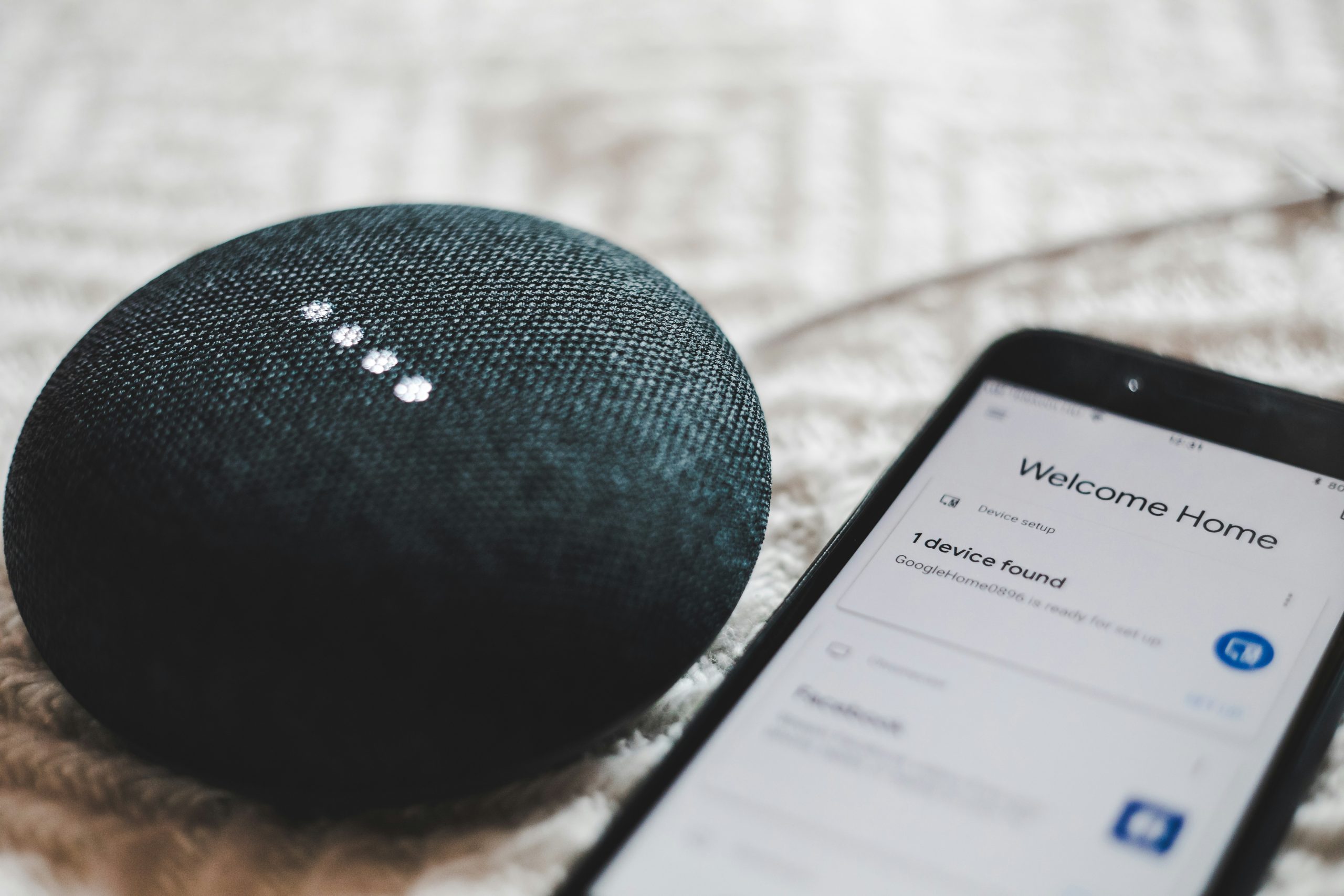
Convenience has always been measured by what we no longer have to think about. Every technological leap, no matter how small, has promised to return a little more of our time to ourselves. Smart homes are simply the latest chapter in that promise.
Today, we live among robot vacuums that clean while we’re away. Manufacturers often describe this as the future of living because they supposedly remove friction from everyday routines.
Undoubtedly, these homes are smart. However, the more interesting question is whether they’ve actually become easier to live in.
In a 2021 systematic review published in Energy Research & Social Science, researchers Wenda Li, Tan Yigitcanlar, Isli Erol, and Aaron Liu found that consumers are primarily drawn to smart homes for convenience, energy management, home security, healthcare support, and the promise of a better quality life.
A home that anticipates your needs sounds less like a luxury and more like the natural evolution of modern living.
Yet, reality is often less seamless than the advertisements suggest. Instead of replacing household chores, some smart devices simply replace physical effort with digital upkeep. Firmware updates take the place of routine maintenance. Connectivity issues become part of homeownership. In other words, work was not really eliminated. We have now redefined ‘work.’
The change helps explain why researchers continue to identify privacy concerns, interoperability, and technical complexity as major barriers to wider adoption. Smart homes were not really really rejected because of innovation. What really happens is that people esitate because convenience loses its appeal the moment it becomes another system to manage.
To see the distinction, we only need to look through the lens of the Philippine context. A connected home must contend with intermittent internet service, occasional brownouts, and rising electricity costs. It also exists within households where grandparents, parents, and children often share the same space, each bringing different levels of comfort with technology.
A product designed for a single-user apartment abroad may not translate neatly into a multigenerational Filipino home.
This does not mean smart homes have failed. Far from it! Some of the most useful devices are also the least conspicuous. Their value lies not in how futuristic they appear, but in how little attention they demand after setup.
Perhaps the industry has been asking consumers to admire intelligence when it should have been pursuing something simpler which is reliability.
A home should not feel like another device that requires constant maintenance, rather it should remain the one place where technology fades into the background, doing its job without asking us to do ours.
The smartest home, then, may not be the one with the most connected devices. It may simply be the one that lets us forget they’re there.
