

Hindi puwedeng “ban muna, paliwanag pagkatapos.”
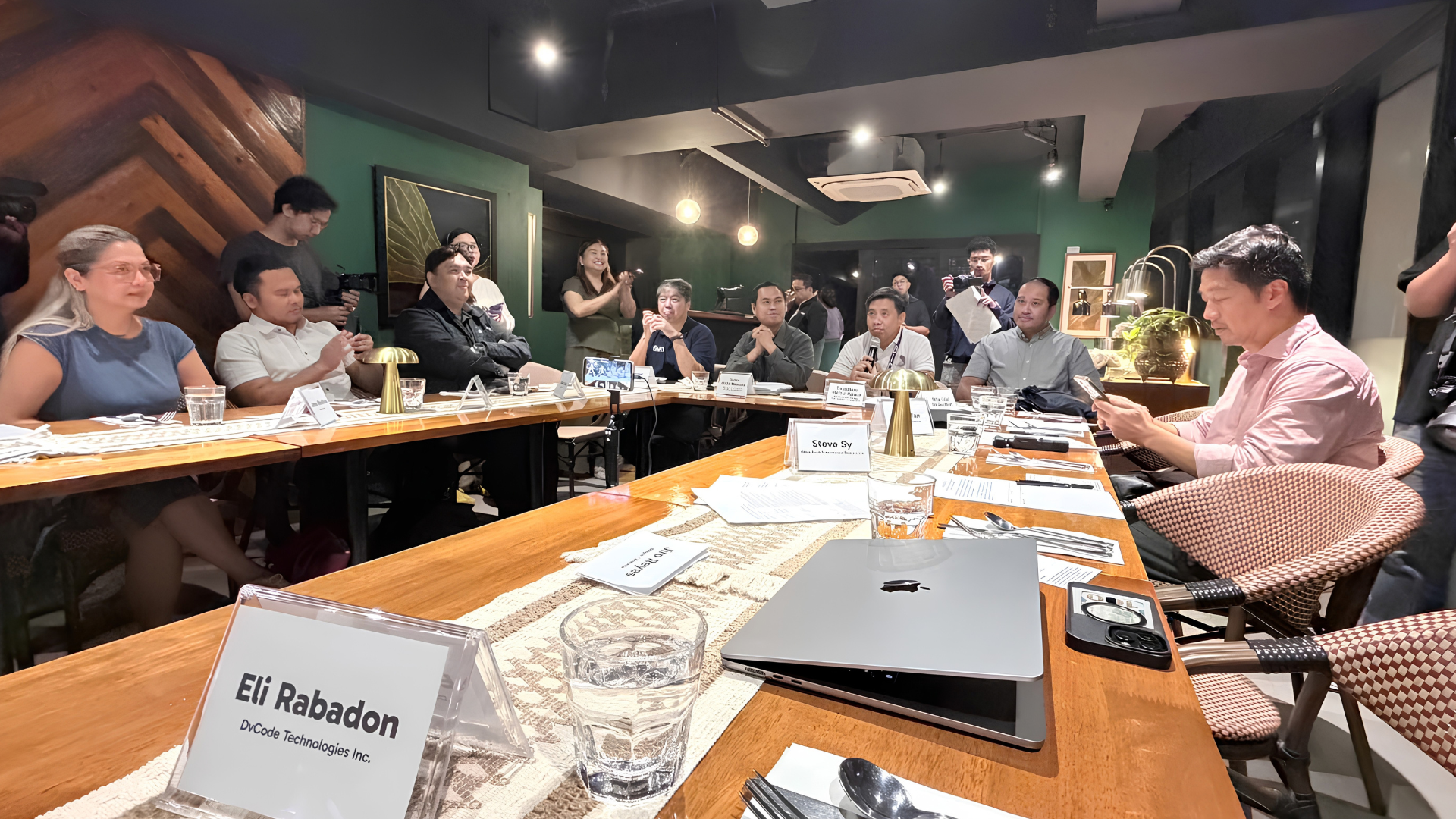
I left the October 1 Unfiltered Roundtable with DICT Secretary Henry Aguda and CICC Executive Director Aboy Paraiso with a troubling understanding of their position: they consider their “ban button” constitutionally valid, and they remain willing to use it whenever they believe circumstances require it.
That is my takeaway from the discussion. And it is precisely why we need the Supreme Court to draw a clear line.
That afternoon, we filed a petition before the Supreme Court. The question deserves an authoritative answer: Can the Department of Information and Communications Technology, the Cybercrime Investigation and Coordinating Center, and the National Telecommunications Commission block entire platforms at their discretion? Under what authority, through what process, and subject to what limits?
These questions affect everyone who works, studies, builds a business, or participates in a community online.
At DvCode Technologies, we use Discord for corporate communications, developer coordination, technical discussions, project collaboration, and community support. At the GANAP Center for Innovation and Enterprise Association Inc., it helps connect founders, students, developers, mentors, and ecosystem partners.
For us, blocking Discord means disrupting the spaces where people organize their work and create opportunities. A developer waiting for instructions, a student seeking guidance, or a founder coordinating with a team becomes collateral damage.
The government lifted the Discord ban on September 24 following discussions with the platform. But restoring access does not settle whether the power exercised was lawful, or what would prevent the same action tomorrow.
What is stopping authorities from doing the same to other platforms?
If an agency believes a service presents a danger, can it make that service inaccessible to everyone? Does the public get to see the legal basis? Is the restriction narrowly defined? Can affected users challenge it promptly? Who independently reviews the decision?
A democracy needs answers that survive changes in leadership. Our rights cannot depend on whether the official holding the button happens to be reasonable.
Let me be clear about the harm government is trying to address. Online child exploitation is serious. Predatory behavior is serious. Platforms must respond to lawful requests, act against abusive accounts, and improve their safety systems. Authorities must investigate offenders, preserve evidence through lawful processes, and pursue accountability.
But “para sa kaligtasan” cannot end the discussion. It should begin a harder discussion about whether the chosen response is lawful, necessary, and proportionate.
Imagine an office building where a crime happens in one room. Authorities should pursue the perpetrators and secure the evidence. Closing the entire building also affects everyone earning an honest living inside it. Such a sweeping response demands a compelling explanation.
The same scrutiny should apply when government blocks a digital platform.
There is already relevant constitutional history. In Disini v. Secretary of Justice, the Supreme Court struck down Section 19 of the Cybercrime Prevention Act, which authorized the Department of Justice to restrict or block access to computer data it found prima facie unlawful. The Court identified constitutional problems involving warrantless seizure and restrictions on expression without judicial intervention.
That ruling should inform this debate. Whether it resolves the present controversy depends on the authority being invoked and the circumstances before the Court. Agencies should have to explain how their claimed powers fit within those constitutional limits.
We need clarity about the specific legal basis for blocking, the evidence required, the scope and duration of restrictions, and the available means of review. If urgent action is necessary, what prevents an emergency measure from becoming an open-ended exercise of discretion?
Those safeguards matter because a platform carries many activities at once. Alongside harmful conduct are lawful conversations, businesses, educational communities, and support networks. Government must account for the people its intervention affects.
We should also demand more effective cooperation. Targeted action against identified accounts, content, or networks should be considered wherever feasible and lawful. Platforms should maintain accessible reporting channels and respond responsibly to authorities. Parents, schools, communities, companies, and government all have responsibilities in protecting children. No single ban button can perform all that work.
As someone building technology and advocating digital kabuhayan, I want a government capable of protecting Filipinos online. I also want that power exercised within clear, enforceable boundaries.
That is why this petition matters beyond Discord. It asks who can restrict our access to digital spaces, on whose authority, and with what accountability.
Ang digital na kalayaan ng Pilipino ay hindi dapat nakadepende sa kung sino ang may hawak ng ban button.
The Supreme Court must draw the line.
Para sa bayan, GANAP!
