


Close Menu
Philstar Tech
    • Deals
    • Contact Us
    • About Us
    Philstar Tech
    • Home
    • All Post
    • News
      • Features
    • Tech @Life
    • Reviews
      • Fitness
      • Laptops
      • Mobility
      • Smartphones
      • Wearables
    • Opinion
    • Latest Issue
    Philstar Tech
    Home » Norway now has a road that charges EVs while you drive. Will the Philippines ever catch up?
    Features

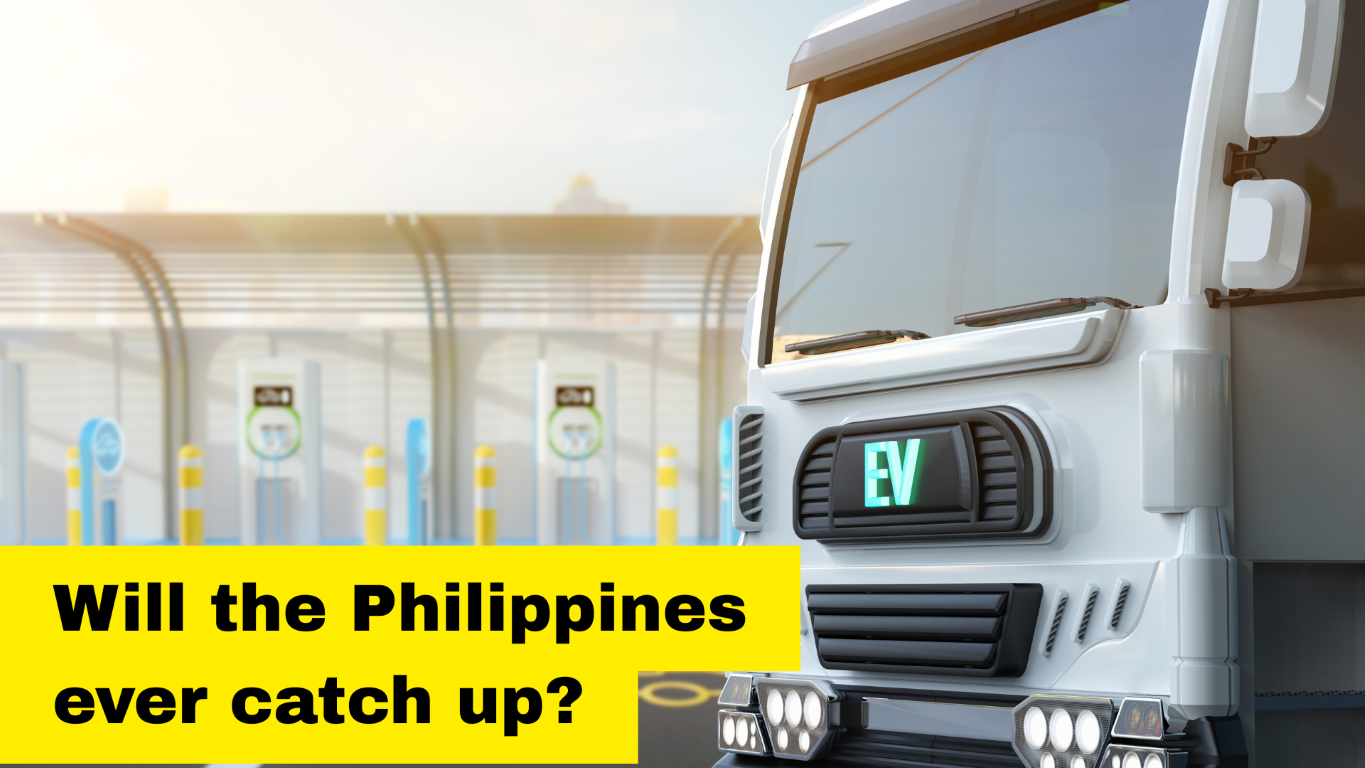
    Norway now has a road that charges EVs while you drive. Will the Philippines ever catch up?

    Lia EspinaBy Lia EspinaJuly 3, 20253 Mins Read
    Facebook Twitter Pinterest LinkedIn Tumblr Email
    Share
    Facebook Twitter LinkedIn Pinterest Email

    While we’re still debating where to put more e-jeepney charging stations in Metro Manila, Norway just took a huge leap: it launched a wireless charging road. Yes, a road that charges electric vehicles while they’re moving. No need to stop, plug in, or get off the vehicle.

    This isn’t sci-fi. As of July 1, a 100-meter stretch of highway in Trondheim now beams electricity straight into EV buses using inductive charging coils buried under the asphalt. Think of it as an invisible charger pad but for buses. Moving buses.

    So… how does this sorcery work?

    The road is embedded with coils that send power wirelessly to electric buses equipped with receivers. These buses (from Chinese manufacturers Yutong and Higer) can pick up around 65 kW of power while cruising over the charged lane. No human interaction needed.

    Even better? It’s being tested through Norway’s brutal winters. If it works there, imagine what it could handle on a rainy EDSA afternoon.

    The whole project is a collaboration between Electreon Wireless, Norway’s AtB public transport, and the local government. The government backed it with roughly ₱130 million (NOK 22.4 million) in public funding.

    Why are they doing this?

    Norway’s already a global EV leader. Nearly 90% of new cars sold in 2024 were fully electric, and they’re gunning for 100% by 2025.

    Now, they’re experimenting with charging on the go, which could:

    ▪️Let buses charge without stopping

    ▪️Reduce the need for giant, expensive batteries

    ▪️Help autonomous vehicles power up on their own someday

    Here in the Philippines, we’re still working on expanding e-jeepney fleets, setting up charging hubs in malls and gas stations, and convincing the public that EVs aren’t just for tech bros. But watching projects like this helps us imagine what’s possible if long-term planning and sustainability go hand in hand.

    But is it realistic?

    Dynamic wireless charging isn’t for everyone, and even Norwegians know that. A few notes of caution:

    ▪️The tech isn’t very efficient. Inductive charging can lose a chunk of power compared to plug-in charging.

    ▪️It’s expensive. The road needs to be dug up, wired, tested, and maintained. That’s a lot for a 100-meter lane.

    ▪️It’s still just a pilot. One test road doesn’t equal mass adoption.

    And online, EV fans are divided. Reddit users on r/electricvehicles argue it’s cool tech but maybe not worth the cost. At least not yet. One commenter put it plainly: “This is for fixed-route public transport, not your cousin’s secondhand Tesla.”

    What it means for us

    No, we’re not laying down inductive highways in Quezon Ave anytime soon, but tech like this can still inspire what could be possible here.

    Imagine:

    ▪️City buses charging automatically at intersections

    ▪️E-jeepneys topping up at terminals without queuing for hours

    ▪️Or better yet, EV infrastructure that doesn’t require constant human intervention (or barangay-level approval)

    For now, though, we’ll keep charging where we can and watching countries like Norway quietly prototype the future.

    dynamic charging Electreon Wireless electric buses EV tech news green tech Norway EV charging Philippines EV future sustainable transport wireless EV road
    Share. Facebook Twitter Pinterest LinkedIn Tumblr Email
    Lia Espina
    • Website
    • Instagram

    Lia is a tech and lifestyle writer with over a decade of experience in making gadgets, games, and digital trends easy to understand. Most days, you’ll find her writing with a milk tea in hand and at least one cat supervising.

    Related Posts

    How ‘mompreneurs’ use AI tools like Gemini to run and grow their businesses

    April 5, 2026

    On this day 32 years ago, the Philippines goes online for the first time

    March 29, 2026

    PharmaServ Express aims to bring healthcare closer to Filipinos


    March 27, 2026

    Most Popular

    Users can now change their Gmail address

    April 6, 20261 Min Read

    PH telcos brace for possible Roblox block over child safety concerns

    March 31, 20262 Mins Read

    Instagram tests paid subscription for users

    April 6, 20262 Mins Read

    Here’s where you can officially buy the Nintendo Switch 2 in the Philippines (with 2 years warranty perks to match)

    July 8, 20253 Mins Read

    You can now reorder photos in your published Instagram carousel posts

    March 24, 20262 Mins Read

    This lawyer harnessed technology to make our waters cleaner, one island at a time

    October 20, 20254 Mins Read

    Latest

    Users can now change their Gmail address

    By Dawn SolanoApril 6, 20261 Min Read

    Instagram tests paid subscription for users

    By Marlet SalazarApril 6, 20262 Mins Read

    How ‘mompreneurs’ use AI tools like Gemini to run and grow their businesses

    By PhilSTAR Tech TeamApril 5, 20263 Mins Read

    Galaxy S26 Ultra Review: The flagship that doesn’t stop surprising

    By Marlet SalazarApril 5, 20269 Mins Read

    PHIVOLCS aims to unify disaster warning system with launch of HANDA

    By Marlet SalazarApril 4, 20263 Mins Read

    Ateneo applies robotics, machine learning in archaeological research

    By Marlet SalazarApril 2, 20262 Mins Read
    Copyright © 2026 Philstar Tech | Powered by The Philippine STAR

    Type above and press Enter to search. Press Esc to cancel.