

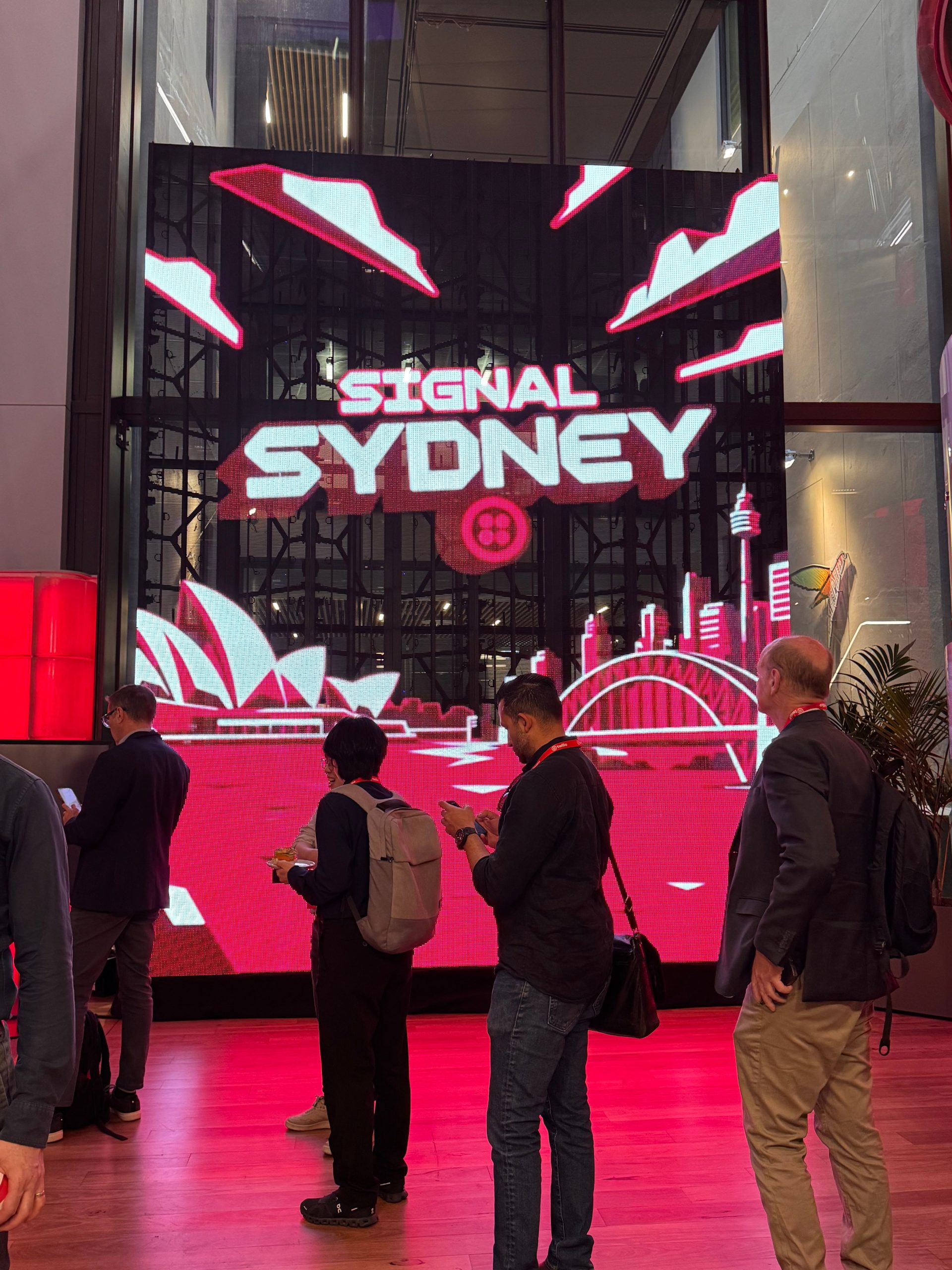
From the future of Philippine BPOs to life-saving disaster communications, conversations at Twilio SIGNAL Sydney 2026 reveal why the next chapter of artificial intelligence must be about people, not just technology.
Artificial intelligence is changing how businesses communicate with customers, how nonprofit organisations deliver essential services, and how governments prepare for emergencies. But as the technology becomes increasingly sophisticated, one question remains: Is it making life better for the people who depend on it?
At Twilio SIGNAL Sydney 2026, conversations with Twilio executives and a subsequent exclusive interview with Pacific Disaster Center (PDC) revealed how these developments are beginning to intersect, particularly in the Philippines.
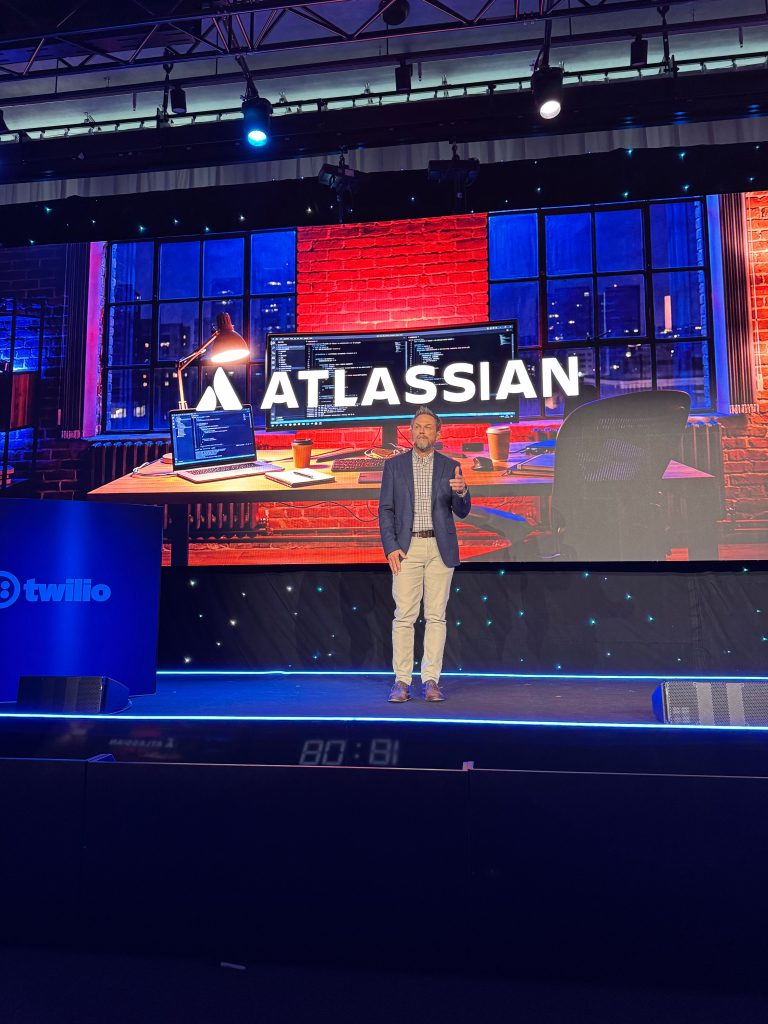
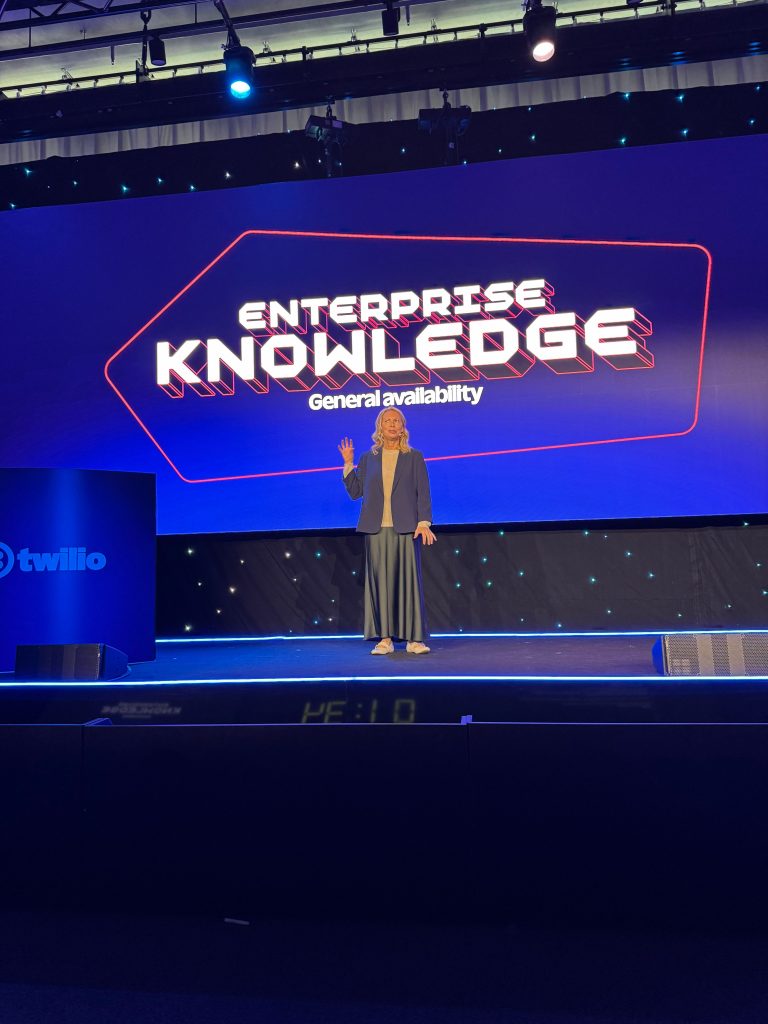
From the future of the country’s business process outsourcing (BPO) industry to disaster preparedness and humanitarian communications, the discussions highlighted a common priority: technology must be accessible, trustworthy, and capable of delivering meaningful results.
The Philippines and the future of AI-powered customer experience
For Nicholas Kontopoulos, Twilio’s Vice President of Marketing for Asia Pacific and Japan, the Philippines occupies an important position in the evolution of AI-powered customer engagement.
With its established BPO industry and substantial customer service workforce, the country has considerable experience managing interactions between businesses and consumers worldwide.
However, AI is changing what those interactions could look like.
Rather than simply automating customer service, emerging technologies can help organisations understand customer needs, connect conversations across channels, and provide employees with relevant information when they need it.
Kontopoulos highlighted the operational complexity facing customer service professionals, including agents who may need to navigate numerous applications to resolve a single enquiry.
AI-powered tools could reduce that fragmentation, allowing employees to concentrate on solving problems rather than repeatedly searching for information.
The opportunity is particularly relevant to the Philippine BPO industry, where improving employee productivity and customer satisfaction must go hand in hand.
Yet Kontopoulos cautioned against adopting technology simply because it is new.
“Start with the customer and work back to the technology.”
The principle reflects a broader shift from technology-led experimentation toward practical applications that address real business challenges.
For Philippine organisations, successful AI adoption will depend not only on automation but also on maintaining customer trust, protecting personal information, and preserving access to human assistance when necessary.
The future of customer engagement may therefore be less about replacing people and more about equipping them to deliver better experiences.
When technology serves a greater purpose
While businesses are exploring AI to improve efficiency and customer relationships, Twilio.org is applying communications technology to challenges involving accessibility, healthcare, disaster response, and humanitarian support.
During an exclusive interview at SIGNAL Sydney, Erin Reilly, Chief Social Impact Officer at Twilio.org, discussed how the organisation supports nonprofits working with communities that may otherwise struggle to access essential services.
Its approach combines technology, financial support, and partnerships to help organisations communicate more effectively with the people they serve.
Twilio.org provides more than $10 million in annual grants, alongside technology-related support for nonprofit partners.
But Reilly emphasised that meaningful social impact cannot be measured solely by the number of messages delivered or people reached.
The quality of those interactions matters.
For a person seeking mental health support, for example, the ability to communicate through an accessible channel and reach a human professional when needed can be critical.
Similarly, healthcare reminders can help patients maintain continuity of care, while emergency notifications can provide information when communities face immediate risks.
Reilly also discussed the importance of responsible AI, particularly when organisations handle sensitive information or support vulnerable individuals.
Transparency, appropriate safeguards, and human escalation remain essential to maintaining trust.
These considerations become even more significant during disasters, when people must distinguish credible information from misinformation and understand what action to take.
For the Philippines, where natural hazards are a recurring reality, that connection between technology and public safety is especially relevant.
Inside the Philippines’ disaster intelligence system
Having experienced the January 2020 Taal Volcano eruption while living in Tagaytay, I was particularly interested in how these technologies could strengthen emergency preparedness.
That interest led to a follow-up interview with Cassie Stelow, IT Director at Pacific Disaster Center, and Victoria Leat, PDC’s Asia Program Advisor.
Our discussion focused on PhilAWARE, the Philippine Office of Civil Defense’s (OCD) customised version of PDC’s DisasterAWARE platform.
PhilAWARE brings together earthquake notifications, volcanic and typhoon advisories, weather forecasts, population exposure, and critical infrastructure information into a shared operational platform.
Stelow explained why this combination matters.
“Because an earthquake is just a point on the map, but we want to know what areas are exposed to that earthquake.”
By overlaying hazard information with data about communities, hospitals, schools, and other essential facilities, authorities can assess potential impacts and prioritise emergency responses.
Stelow cited a major earthquake in Mindanao as an example of the platform’s operational value.
According to her, PhilAWARE can produce an initial impact assessment within approximately five minutes, identifying potential losses, exposed populations, and affected infrastructure before complete field reports become available.
This early intelligence can help authorities determine where emergency resources may be needed most urgently.
For Leat, however, the technology’s value also depends on how effectively it is integrated into government operations.
“It’s easy to have a system that just sits there on the shelf, but it’s how you then actually operationalize it and use it.”
She commended OCD for incorporating PhilAWARE into its daily operations and using its analytical capabilities to support decision-making.
Bridging the last mile with AI and communications technology
Despite advances in disaster intelligence, communicating warnings across the Philippines remains complicated.
The country’s geography, uneven connectivity, linguistic diversity, and varying levels of digital access mean that no single communication channel can reach every community.
Leat clarified that PhilAWARE itself does not directly distribute public alerts. Instead, it supports authorities in preparing disaster information that must then move through established government and community warning systems.
This last-mile challenge is where PDC’s collaboration with Twilio.org becomes particularly significant.
Stelow explained that the partnership has supported multilingual translation, visual maps accompanying alerts, and WhatsApp-related communication capabilities across the wider DisasterAWARE ecosystem.
She also confirmed that OCD has expressed interest in some of these capabilities, although their operational implementation is still being explored.
Meanwhile, PDC is developing an AI-enabled decision-support capability called Act Now, designed to help translate hazard assessments into recommended protective actions.
Stelow described the shift from identifying what happened and how serious it was toward answering a more practical question:
“What do you need to do about it?”
Future PhilAWARE enhancements could include access to newer AI capabilities, stronger integration with authoritative Philippine hazard information, and more efficient system upgrades through additional Twilio. org-supported development.
The objective is not simply to generate more information, but to make that information easier for emergency managers and communities to understand and act upon.
Innovation measured by human impact
Across the three interviews, a consistent message emerged.
For Kontopoulos, AI must solve genuine customer problems while supporting the people delivering services. For Reilly, communications technology must improve access, build trust, and serve communities responsibly. For Stelow and Leat, disaster intelligence becomes meaningful when it supports timely decisions and effective emergency action.
These are different applications of technology, but they share a common purpose.
In the Philippines, where digital transformation is advancing alongside persistent challenges in accessibility, connectivity, and disaster resilience, that purpose deserves greater attention.
The next chapter of AI should not be defined solely by faster systems, smarter automation, or more sophisticated platforms.
Its real measure of success will be whether it helps businesses serve people better, makes essential services more accessible, and gives communities the information they need when it matters most.
