


A washing machine that handles a family’s weekly laundry may seem good enough for a business. But washing load after load throughout the day brings different demands, from handling bulky bedding to keeping operations running without long delays.
For businesses that depend on clean clothes, towels, or sheets, choosing laundry equipment involves more than checking how much fits inside. The machines also need to suit the frequency of use, the types of items being washed, and the time available between loads.
Commercial-grade equipment is designed for business use, but buyers should still check each model’s intended workload, maintenance needs, and warranty coverage. A large drum alone does not mean a washer is suitable for continuous operation.
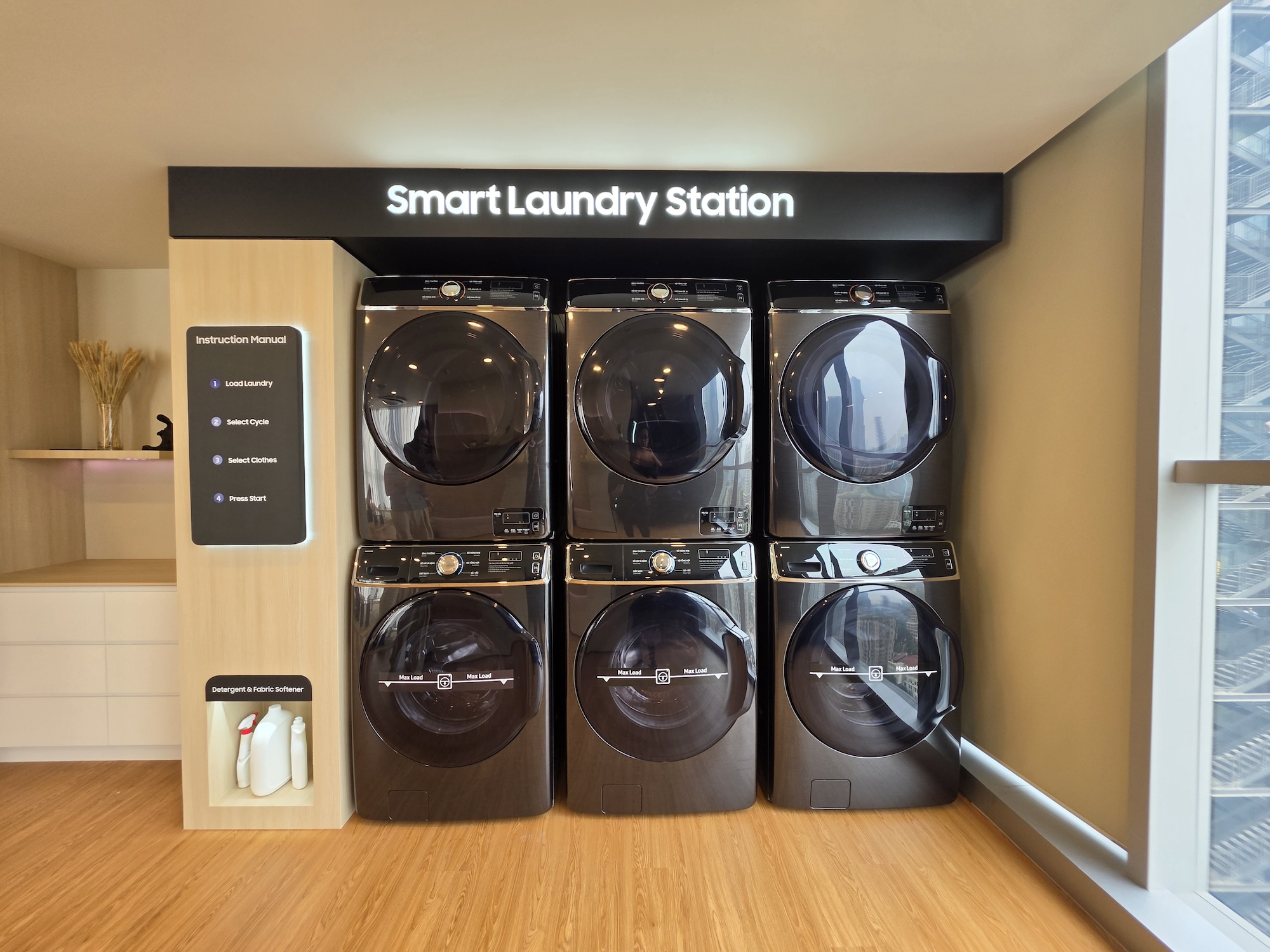
Samsung is expanding its business laundry lineup to address these needs, including an 18-kilogram washer and a 14-kilogram dryer.
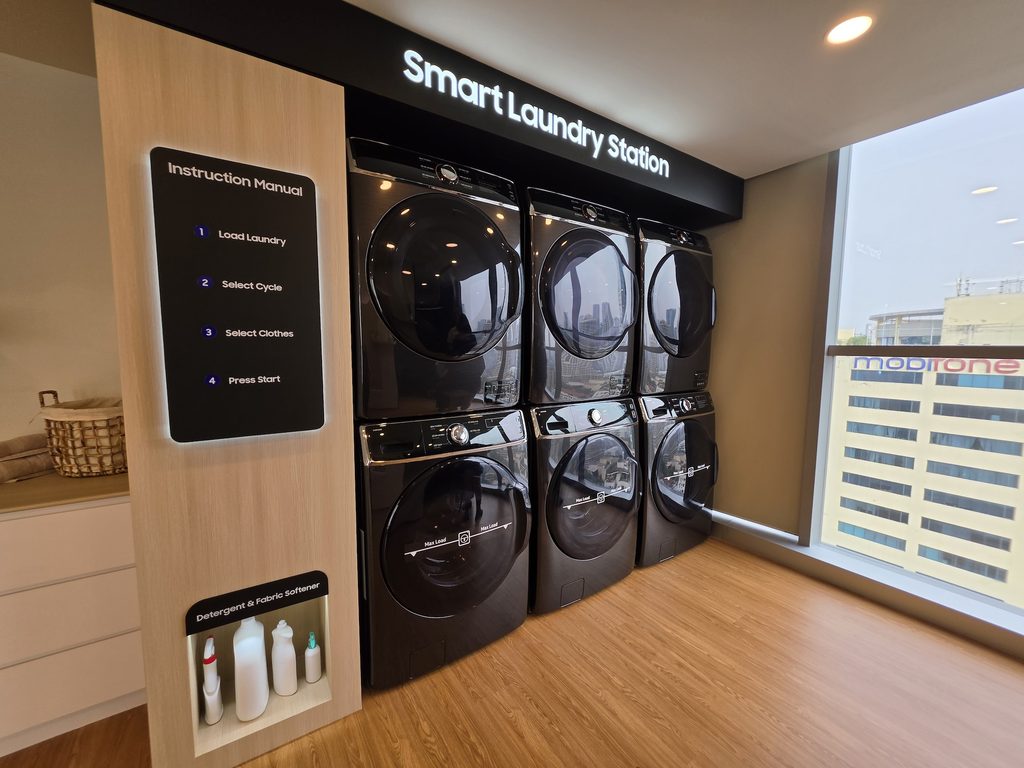
In a demo at the company’s Vietnam office, the company noted how the washer can handle large items such as king-sized bedding, with a normal wash cycle taking 36 minutes. Its Bubble Wash technology helps remove stains and detergent from clothes. The vented dryer can complete heavy-duty loads within 45 minutes, the company said.
Samsung also highlighted durability as the equipment needs to run repeatedly depending on the demand. The washer uses Vibration Reduction Technology Plus, or VRT+, to reduce shaking that Samsung says can contribute to wear on internal parts.
For operators, the washer’s Manager Mode allows adjustments to rinse settings and water levels. Wi-Fi connectivity also enables them to check the machine’s status and performance remotely.
These controls can help staff manage laundry alongside other duties. However, businesses should match equipment to their actual daily workload rather than rely on capacity or cycle times alone.
Before buying, operators should confirm that the manufacturer supports their intended business use and ask about servicing, spare parts, and warranty terms. The right machine should fit both the laundry load and the demands of the working day.
