


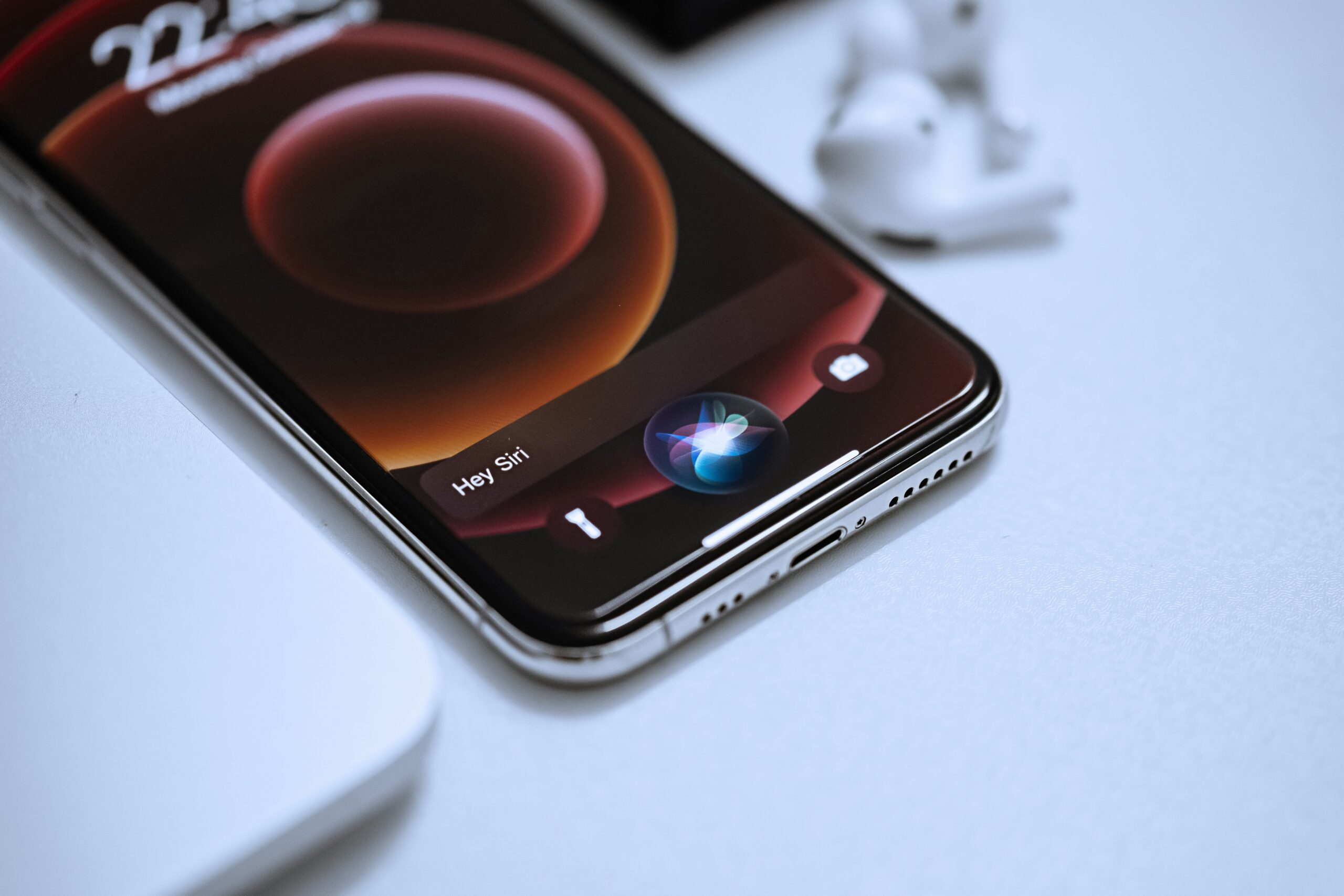
Apple unveiled a dedicated Siri AI app during its Worldwide Developers Conference (WWDC) 2026, transforming its longtime voice assistant into a standalone artificial intelligence (AI) experience capable of maintaining conversations, accessing personal information across devices and completing tasks across apps.
This is Apple’s biggest overhaul of Siri since its debut as the company pushes to compete more directly with AI assistants such as ChatGPT, Gemini, and Claude.
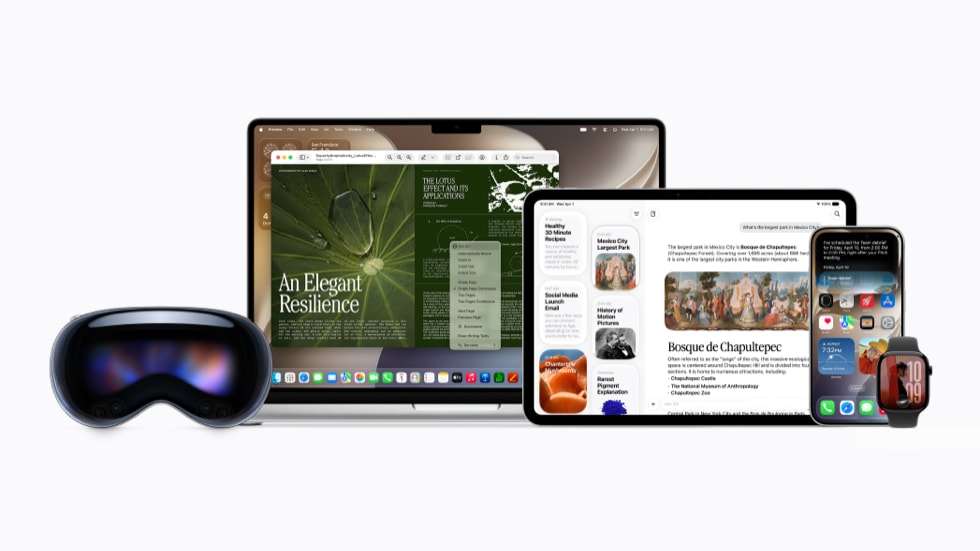
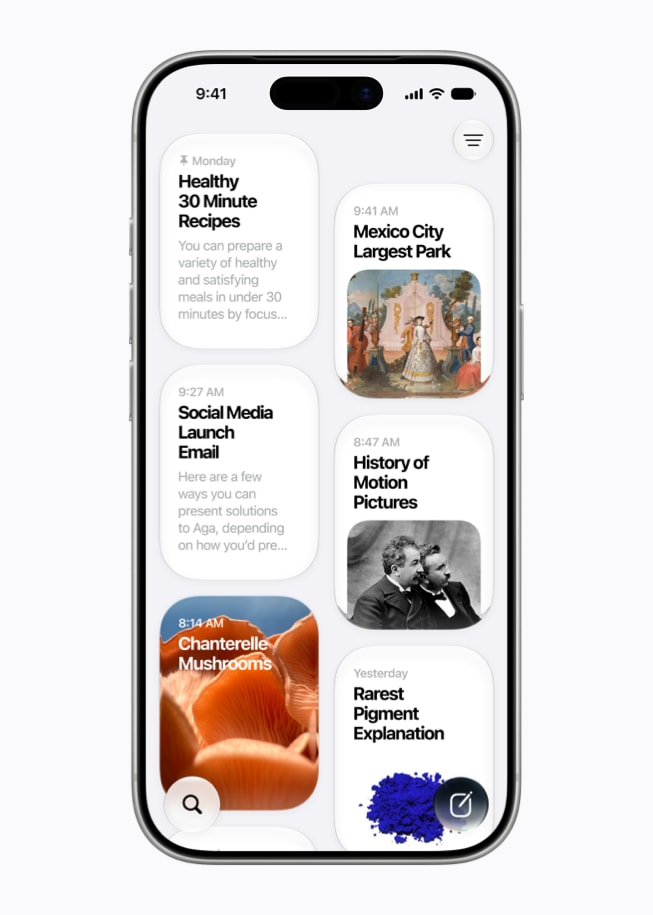
Here are some of the biggest changes coming to Siri:
1. Conversations can continue across devices
Apple says Siri AI can carry conversations across supported devices, including the iPhone, iPad and Mac.
The feature allows users to start a discussion on one device and continue it on another without having to repeat previous prompts. As more users work across multiple screens throughout the day, Apple is integrating Siri more deeply into its ecosystem rather than limiting it to a single device.
2. Siri can understand personal context
Siri can reference information from Messages, Mail, Notes, Photos and other applications to answer questions or locate details. A user could ask Siri to find a recommendation sent by a friend, retrieve information from an email or locate a file shared days earlier without manually searching through multiple apps.
3. Onscreen awareness adds more context
The updated Siri can also understand what is currently displayed on a device’s screen.
This allows the assistant to respond based on the content a user is viewing. Rather than describing what appears on the screen, users can reference it directly in their requests, making interactions more conversational and reducing the number of steps needed to complete tasks.
4. More capable app interactions
Apple is expanding Siri’s ability to perform actions across apps through App Intents, a framework that allows developers to connect app functions to the operating system.
The update enables Siri to handle more complex requests involving multiple actions and applications. Instead of navigating through several menus, users can ask Siri to complete certain tasks through a single request, streamlining workflows across supported apps.
5. A mix of on-device and cloud processing
Apple says many Siri AI requests will be processed directly on supported devices equipped with Apple silicon.
For tasks that require additional computing power, the company will rely on Private Cloud Compute, a cloud-based system powered by Apple-designed chips. Apple says user information processed through the system is not stored after requests are completed.
