


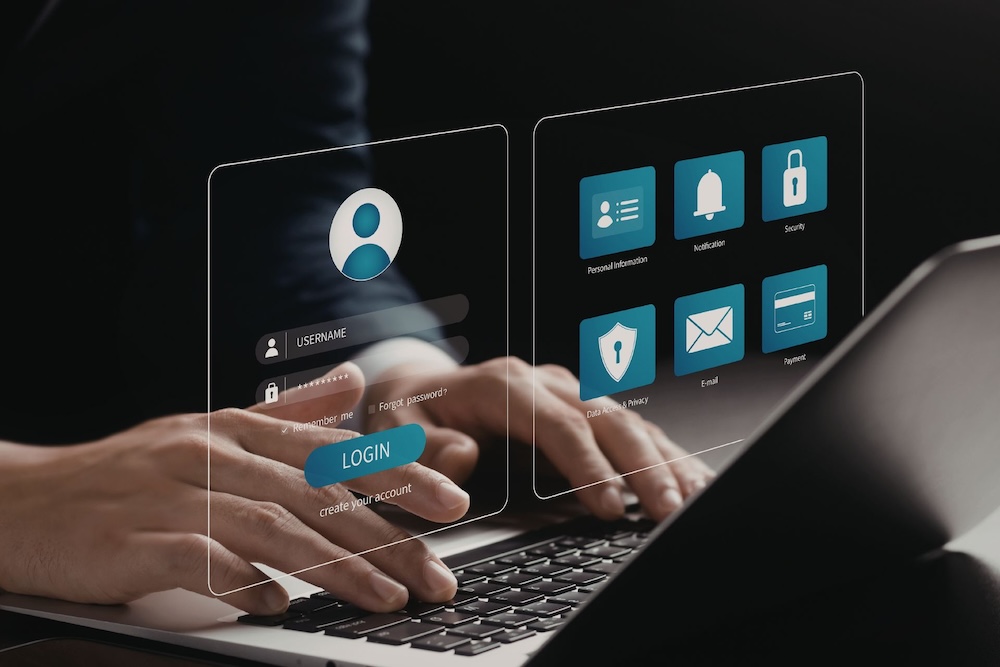
Financial institutions and digital platforms face a growing dilemma as more services move online. Users expect fast, seamless transactions, but speed can expose security gaps. As fraud increases, companies respond with tighter checks, but these measures can make access harder for legitimate users.
“We live in an era where our identities are digitized, fragmented, and scattered across servers we cannot see,” Wriju Ray, chief business officer at IDfy, said during the launch of the company’s book “Mayhem in Makati. “This narrative is a mirror held up to a reality we often ignore. We believe trust is the foundation of progress, and it is proof that while systems can be hacked, our fight for identity cannot be silenced.”
IDfy is an integrated, AI-powered identity verification and fraud prevention platform.
As more aspects of daily life in the Philippines go digital, identity has become the key to accessing services, from banking to government transactions. When that identity is compromised, the burden often falls on users to recover accounts or prove who they are, even if they were not at fault.
Industry observers warn that the current approach to fighting fraud may be creating unintended consequences. When fraud becomes widespread, institutions typically add stricter identity checks, require more documents, or impose additional verification steps. While these measures aim to reduce risk, they can exclude millions of legitimate users who may not have complete records or easy access to required documents.
“When systems tighten security to stop fraud, they often end up pushing out legitimate users who cannot meet stricter requirements,” said Bob Reyes, journalist and cybersecurity advocate. “The real solution is to build smarter, more inclusive systems that reduce risk without creating barriers.”
Another concern is the heavy reliance on collecting more personal data. When users encounter problems, they are often asked to submit additional information, even if their accounts are already verified. Experts warn that this approach may increase exposure to cyberattacks, as large volumes of sensitive data become attractive targets for hackers.
Common processes, such as password resets, also come under scrutiny. Many platforms still rely on email links, which can be exploited through phishing attacks. Fraudsters can send fake emails that appear legitimate and trick users into revealing login details.
“Users have been trained to trust processes that may not always be secure,” said Pia Arellano. “We need to redesign systems so security is built into the experience, not added in ways that can be easily abused.”
Experts say the long-term solution lies in better system design, including secure in-app verification, trusted data sharing, and stronger collaboration across institutions. The goal is to improve security without making digital services harder to access, especially for individuals who may have limited access to services and resources.
