


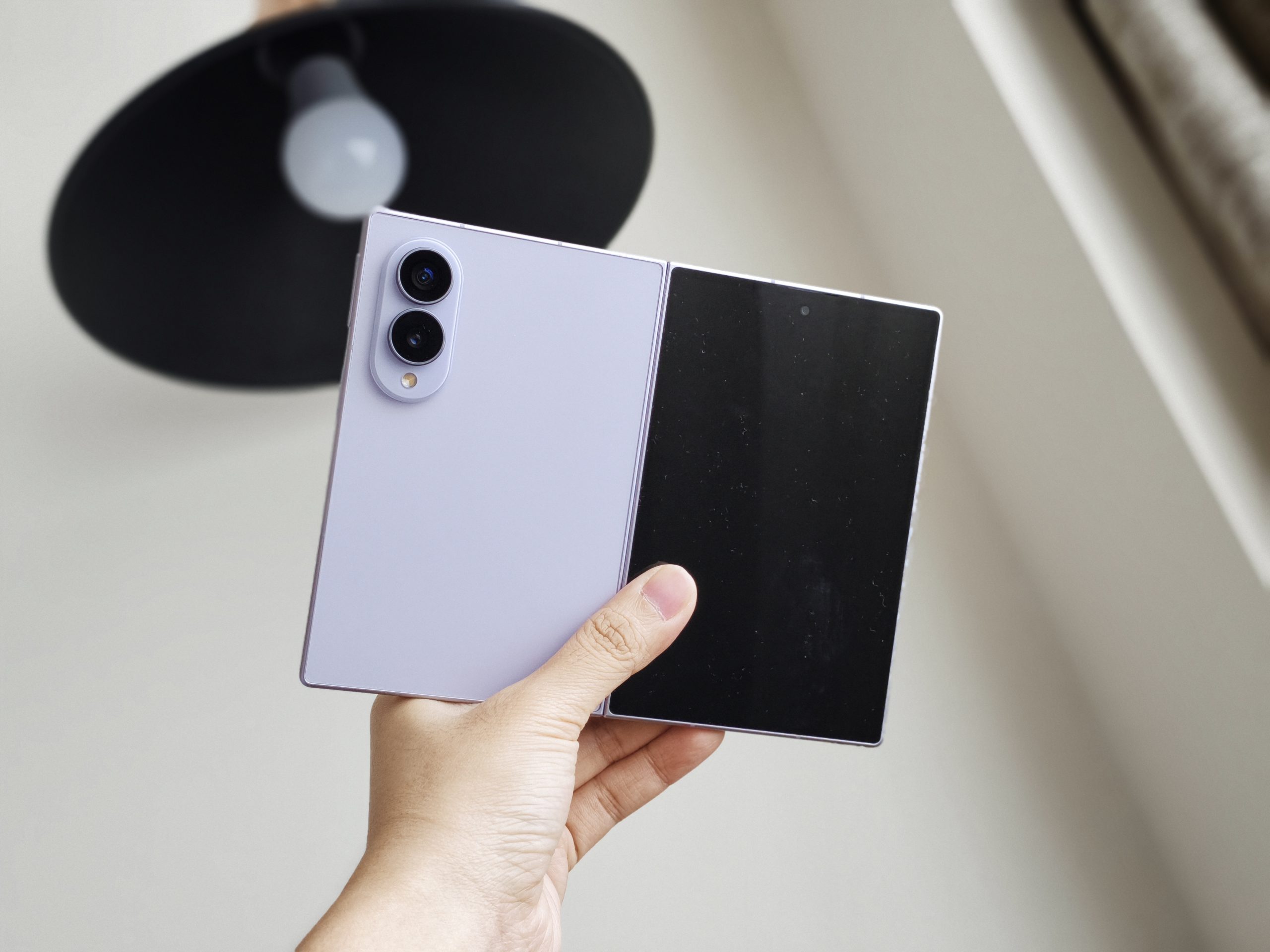
Samsung’s latest foldable smartphones are now on the market, but the launch of the Galaxy Z Fold8 is also a marker of how much the category has changed since the company first introduced a foldable phone.
The new lineup arrives at a point when foldables are no longer simply technological curiosities. As more consumers become familiar with the form factor, Samsung is looking at how these devices can better accommodate the way people already use their smartphones.
In an exclusive interview with PhilSTAR Tech, Samsung Electronics Philippines president Roman Han said these everyday behaviors have become an important part of how the company develops each generation of its foldables.
“More than our lab testing and materials innovation, we aim to understand how millions of people actually use their devices,” Han said, citing behaviors such as carrying, opening and closing the devices in daily life.

After eight years in the category, Han said one of Samsung’s biggest lessons has been durability.
The company has made thousands of engineering decisions involving materials, display structures, hinges, software and overall device design.
The Galaxy Z Fold8 in particular weighs 201 grams but is built with Samsung’s Armor FlexHybrid technology, which reinforces the display structure, while the updated hinge mechanism is built to withstand repeated folding over the device’s lifespan, making it one of the lightest foldables in the market.
The expectations surrounding foldables have changed too, since consumers are no longer evaluating them simply as an emerging technology.
“Consumers evaluate foldables using the same high benchmarks as any premium device,” Han said, citing durability, portability, performance and long-term usability.
Designing around how people use their phones
Samsung said consumers in their teens through 30s make up almost 60% of Galaxy Z8 series customers. It also reported repurchase rates of 32% for the Galaxy Z Fold7 and 37% for the Galaxy Z Flip7.
The company said it is also seeing foldables attract users who previously opted for its traditional flagship phones. Purchases of the Fold7 from former Ultra users increased 1.9 times compared with the previous generation.
For Han, the change in profile reflects a change in what consumers expect from the category.
Fold users use Multi Window five times more often than Galaxy S26 Ultra users, according to Samsung. That behavior has helped shape the Galaxy Z Fold8 Ultra, which is geared toward productivity and multitasking.
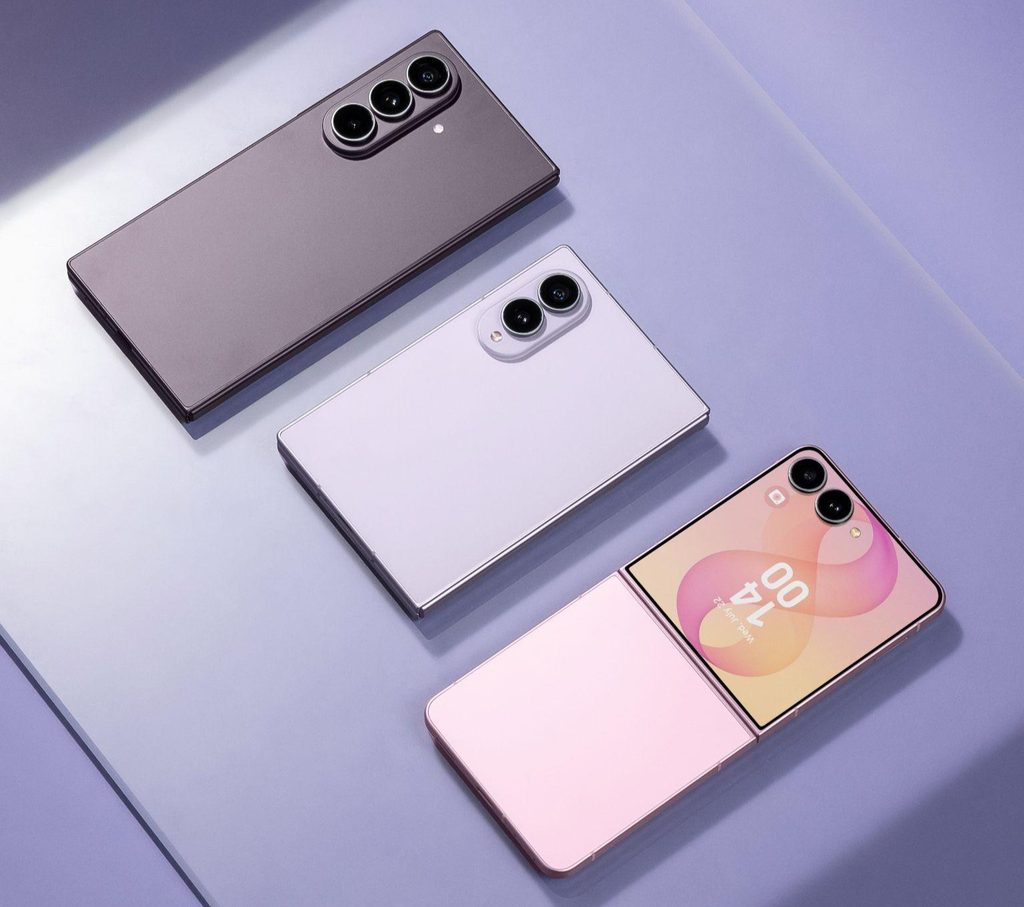
The Flip series addresses a different set of habits; Pocketability and design remain major purchase drivers, while many users interact with the phone while it is still folded. The Galaxy Z Flip8 consequently puts greater emphasis on its external FlexWindow, including features such as Now Brief and Automation.
The Galaxy Z Fold8 responds to another shift in behavior. Samsung said watching, browsing and reading account for 56% of Fold users’ daily usage time, prompting the company to introduce a wider viewing canvas.
What comes after the hardware race?
The next challenge lies in bringing the different parts of the foldable experience together as the technology matures.
“Samsung’s strategy is not built around competing on one dimension alone,” Han said. Hardware, AI, ecosystem integration and long-term reliability, he added, all need to work together.
When Samsung launched the first Galaxy Fold in 2019, the biggest question was whether a foldable smartphone was even “possible.”
Han said the lessons from successive generations have helped Samsung improve “display durability, reduce crease visibility, refine the opening experience, develop stronger materials and create thinner and lighter devices without compromising reliability.”
“Perhaps the most important lesson is that consumers now judge foldables by the same standards as any flagship device,” Han said.
Rather than treating its foldables as different versions of essentially the same product, the company is designing each around a particular way of using a smartphone.
Han said the approach reflects Samsung’s larger objective of offering devices for “different types of users” rather than taking a “single-device approach.”
The company is similarly resisting the idea that one foldable design will eventually replace every other form factor.
The next generation of mobile experiences could depend on making each screen more useful; that could mean a larger display for multitasking, a cover screen that handles more everyday tasks, and AI that responds more naturally to what users need in the moment.
“Ultimately, our goal is not to make users adapt to foldables. It’s to make foldables fit more naturally into how people work, watch, create and communicate,” Han said.
