


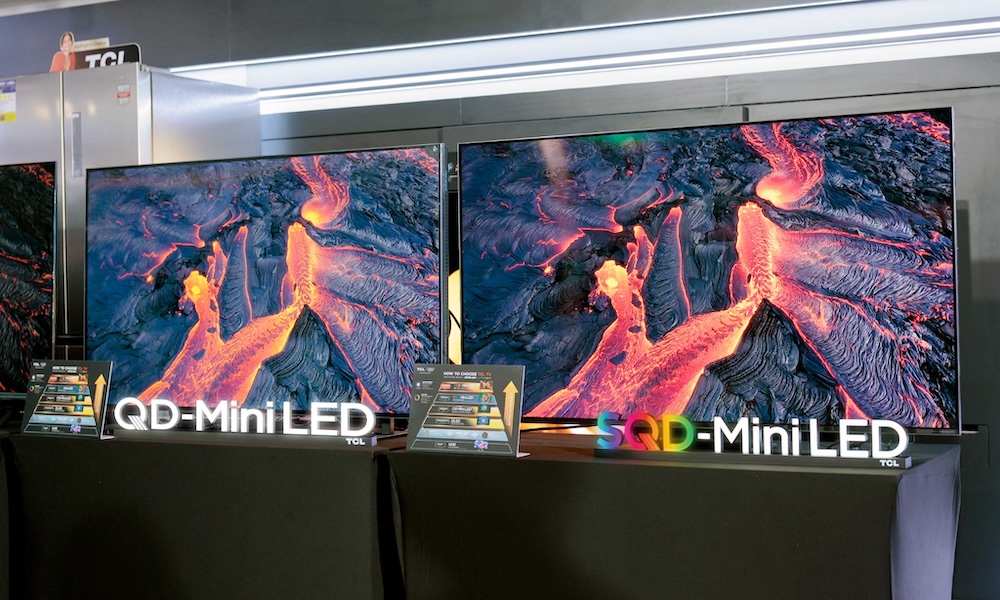
Mini LED has become a familiar label on premium televisions, but not every Mini LED TV delivers the same picture quality. The difference lies in how the tiny lights behind the screen are arranged and controlled.
A television’s resolution, whether Full HD or 4K, determines how much detail it can show. But resolution is only part of the picture.
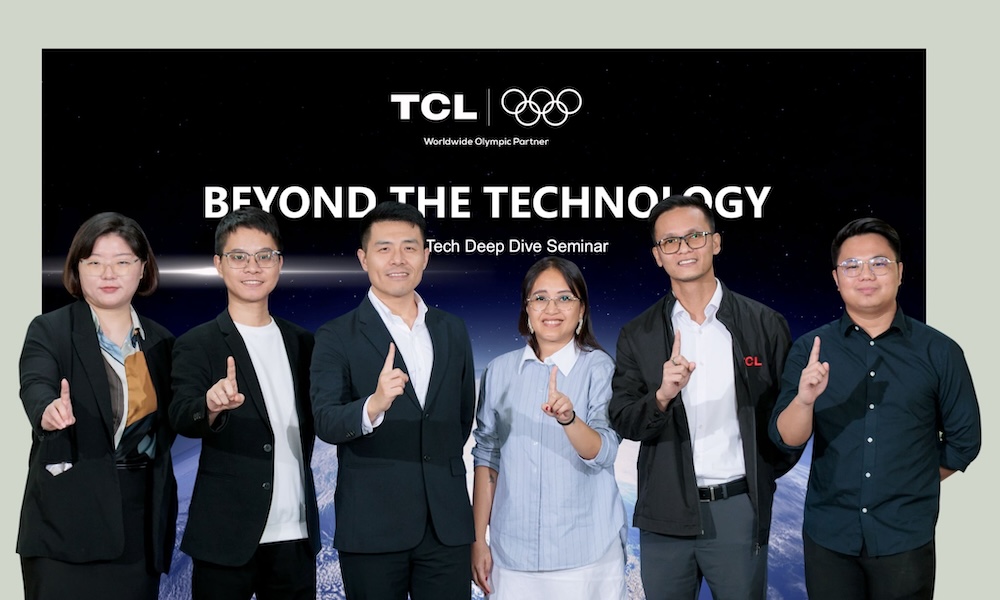
“Resolution alone is just one factor for better picture quality. There are two more important aspects of better picture quality, which are light and color,” said Jaued Jimenez Cervas, product expert for TCL TV at TCL Philippines, during a roundtable held at the TCL office in Manila.
Mini LED improves how a TV handles light. Like a regular LED TV, it still uses a backlight behind an LCD panel. However, its lights are much smaller. TCL said a conventional LED measures about 2 millimeters, while a Mini LED can be as small as 200 micrometers.
The smaller size allows manufacturers to fit more lights behind the screen. These lights can be divided into local dimming zones, which brighten or darken independently depending on the scene.
“Having more backlights across the screen gives us more accurate and precise control over each area of the television,” Cervas said.
This control affects brightness, contrast, and black levels. In a dark movie scene, for example, the TV can dim the zones showing the night sky while keeping a lamp, fire, or other bright object visible.
Poor backlight control can cause “blooming,” or the unwanted glow that appears around bright objects against a dark background. It is often noticeable around subtitles or white text. A TV with more accurately controlled dimming zones can reduce this glow and produce deeper blacks.
QD-Mini LED adds quantum dot technology to Mini LED backlighting. While Mini LED manages light, quantum dots improve color, helping the television produce brighter and more lifelike shades.
“So, what if we combine Mini LED, with its precise control of the backlight, and quantum dot technology for color enhancement? Here comes QD-Mini LED,” Cervas said.
SQD-Mini LED, or Super Quantum Dot Mini LED, takes the technology further. TCL said it improves the way the blue Mini LED backlight, quantum dot layer, and color filters work together. This is designed to produce purer colors, reduce color mixing between nearby dimming zones, and limit blooming.
The comparison shows why buyers should look beyond the Mini LED label. LED size, backlight placement, dimming-zone count, brightness, color technology, and picture processing all influence the final image. Two televisions may both carry the Mini LED name but produce noticeably different results.
There is more to the label Mini LED TV that consumers need to know. And there are different requirements for different viewers as well as the market. Home viewing may have lower expectations but it does not necessarily mean they shouldn’t be informed of the technology that comes with their purchases.
With the demand for video streaming and gaming, Mini LED is sure to serve these use cases.
TCL SQ Mini LED is one of those TVs where you can actually see the difference. It’s not simply about making the screen brighter or the colours more vivid. Clearly noticeable is the way it handled both bright and dark parts of the picture at the same time.
Dark scenes looked deeper, bright parts had more impact, and there was more detail overall. You notice it especially when watching movies or shows with a lot of contrast, like a bright light in an otherwise dark scene.
