


The Philippines was connected to the World Wide Web back in 1994, but it wasn’t until a few years later that the technology was made available to Filipinos. The internet gave rise to the “net cafe” era, with little nooks offering connectivity, usage of computers, and yes, decent coffee to sip on while Netscape Navigator loads the results of your search query.
For gamers who were used to playing on consoles and personal computers at home, connecting to the internet was not as easy as we enjoy it now. Wired connections were still pricey, but the promise of connecting with other people whom we’ve never seen and accessing information beyond our fifteen-volume encyclopedia set at home was too tempting of a premise to ignore. For most of us back then, the net cafe was the best way to access the wonders of the world beyond ours.
And then came the games.
Video game arcades were already a thing and satisfied Pinoys who didn’t have access to home consoles. But for net cafes, there was a quiet but significant shift in how the business was run. Because of the internet and local area network connectivity, game titles like Counter-Strike, Quake 2, and Star Craft became the crowd-pullers for net cafes. It wasn’t just browsing for research or leisure anymore. The net cafe became a gaming hub, similar to an arcade.
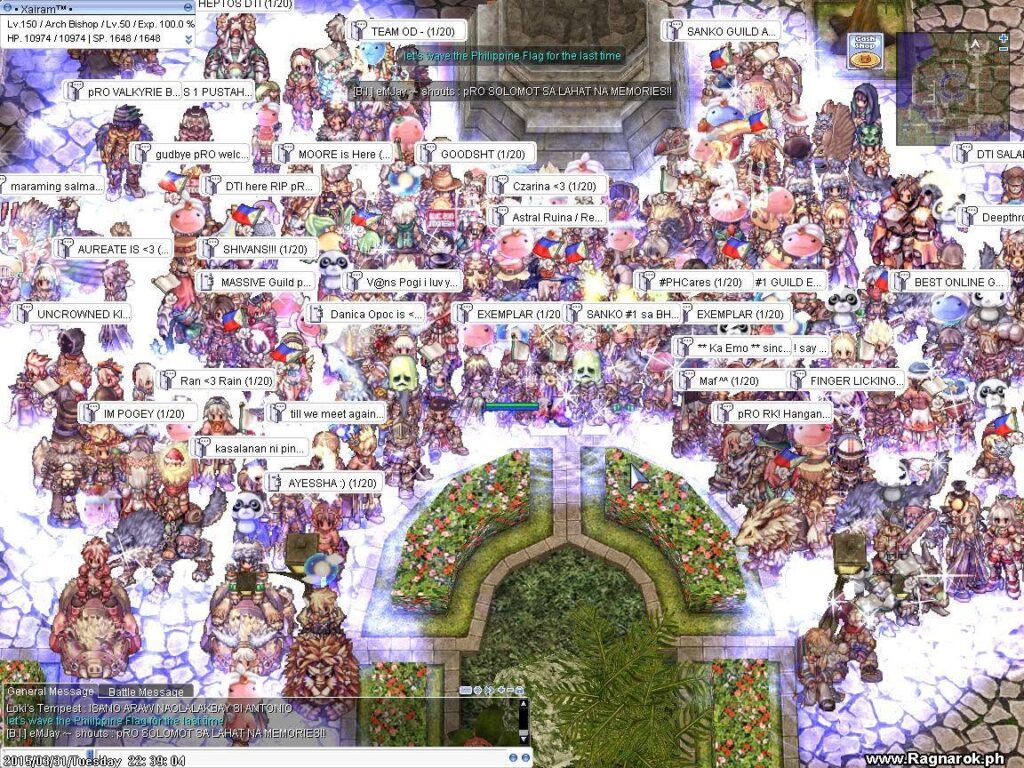
And for most young people back then, it was their first taste of video game competition. Small tournaments would be organized by net cafe owners, drawing their regular clients on weekends. Soon enough, people from other cafes would visit your local place, scouting for stronger opponents. After-school hangouts became practice time, and the local net cafe became the court.
By the year 2000, university belts became the hotspot for local tournaments. But it was also in 2000 that a Korean video game landed on our shores and defined an era of video games in the country. One of the first games to fall under the genre of “massively multiplayer online role-playing game” was Ragnarok Online. A local game publishing company called Level Up Games handled the distribution of the game, and it didn’t take long before every net cafe carried the game on all their PCs.
Ragnarok Online was a massive hit. The cute characters, the leveling system (archaic by today’s standards, of course), and the gameplay loop it presented were a bit familiar to gamers who had experienced the likes of Super Mario or Final Fantasy. The major difference was that any player could communicate with anyone in real time. It had players literally talking to people they had never seen before, and would emote in ways that gave substance to the communication.
But Ragnarok Online gave players something to truly galvanize around. It had a player-versus-player system. More importantly, it had a guild-versus-guild system. Ragnarok Online had it all: a solid gameplay loop that kept players coming back and an in-game socialization system that brought like-minded players together.
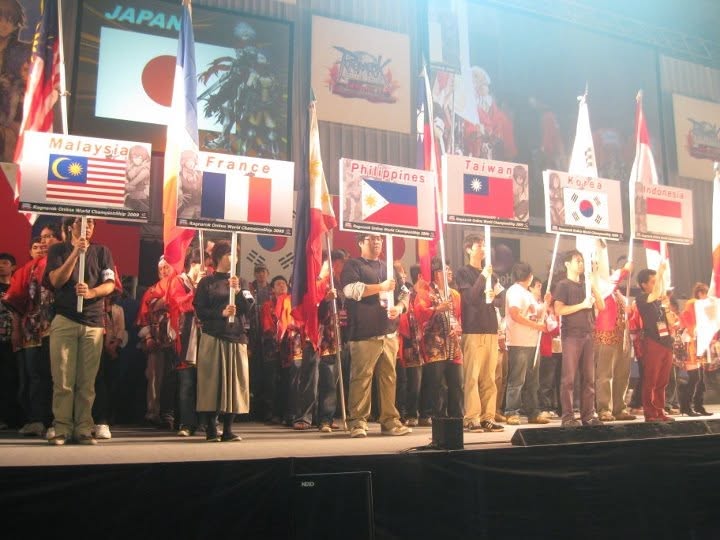
As players got stronger, they sought players of similar or better levels than them. The whole game gave rise to guilds that would often revolve their social time purely for playing the game, and the game responded in kind: the War of Emperium event rewrote how players interacted with the game, and introduced on-ground events where cosplayers and gamers gathered to watch highly competitive guilds battle it out for bragging rights and prizes. This was a far cry from the grand esports events we have come to know, televised and livestreamed on major networks and platforms. The War of Emperium on-ground events quietly started the esports scene in the Philippines.
Today, we know of esports events with big stages, bright lights, and thousands of fans filling venues. There are massive trophies to be held up, and equally massive cash prizes to be won. Within the modern esports ecosystem the content creators, athletes, and livestreamers are all contributing to the hype and interest in the games. We cheer and honor our esports athletes who continue to represent the flag and country in international tournaments. Esports as a whole is now a part of Olympic events across the world. These tournaments carry weight, prestige, and spectacle enjoyed by millions of viewers everywhere.
As competition got stronger and our access to competitions grew, so too did the hunger for watching esports tournaments. The stages grew bigger with the possible venues, the lights got brighter, and more numerous. The prize pool increased, and bigger sponsors have come in to participate. The number of games also grew. For a time, it seemed like a game’s popularity and value were judged against the competitive structure it had as part of its gameplay. If the game is competitive, then it can be an esports title if run right. DOTA 2, Mobile Legends Bang Bang, Honor of Kings, Call of Duty Mobile, and Valorant are some of the most popular esports titles in the country and have consistently produced world-class Filipino athletes who consistently qualify for their big tournaments.
But everything has a start, and for the Philippines, it was not DOTA 2 or League of Legends tournaments that jumpstarted how esports events are run and presented to the audience.
The spectacle and prestige started with Ragnarok Online, gathering overwhelming numbers of players and fans at the SM North EDSA Skydome to witness two teams battle it out for glory on a modestly sized stage bathed in colored lights. There was still a trophy to hoist high; there was still cash and other prizes to be won. There were no content creators back then, nor livestreaming platforms, nor televised coverage. The spectacle and prestige were there, albeit quieter than what it is now.
Jason Dayrit is a Communications Practitioner and editor-in-chief of the tech blog twenty8two.com. He enjoys consuming media, futurism, and black coffee.
