


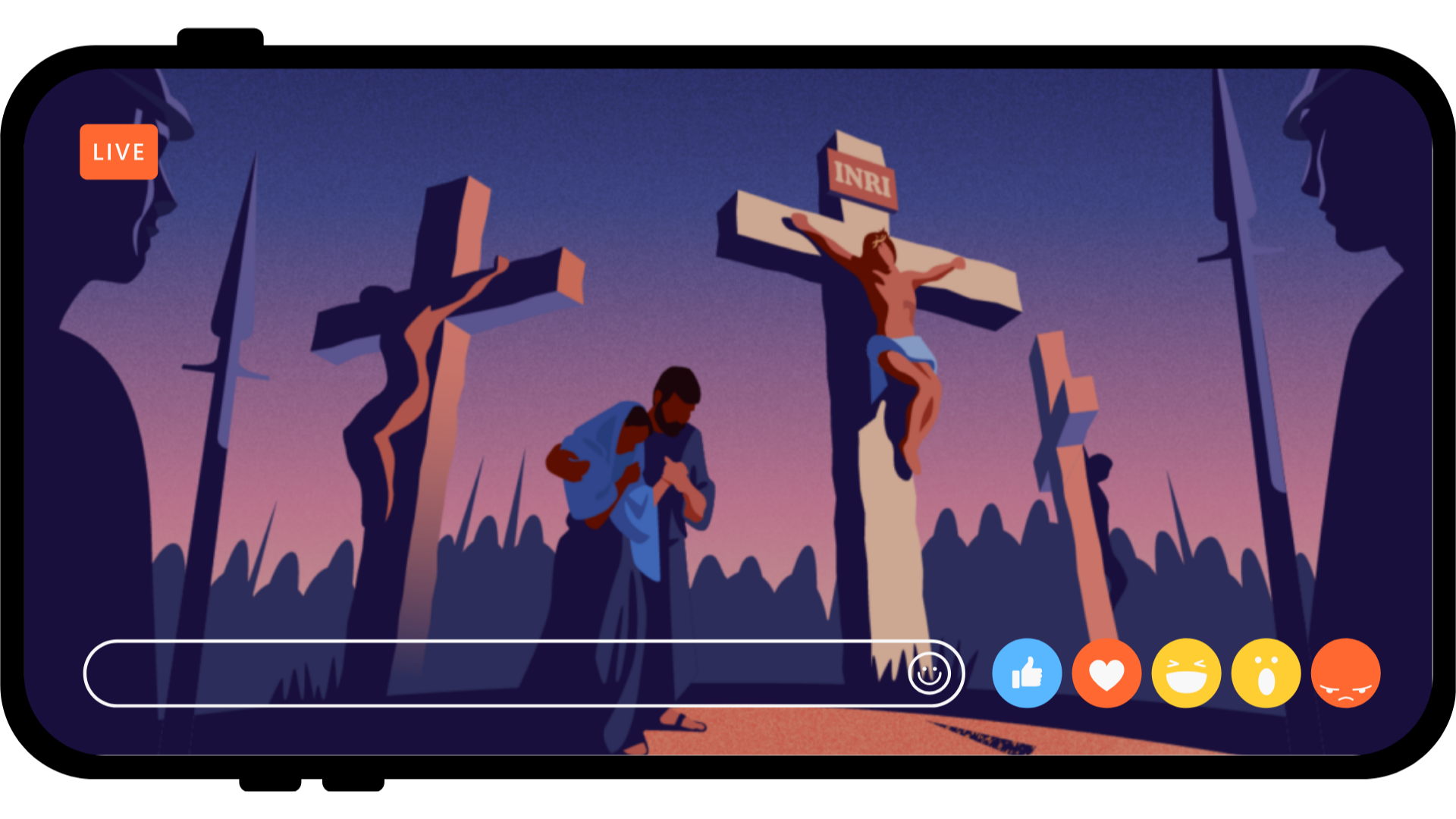
When the COVID-19 pandemic struck and forced churches into lockdown, Filipino Catholics, like many faith communities worldwide, turned to the internet to keep their spiritual lives afloat. Livestreamed Masses, nightly virtual rosaries, and online prayer groups via Google Meet quickly became the new norm. As religious practices adjusted to digital platforms, expectations around how faith could be practiced also began to shift.
With sermons delivered over Zoom and spiritual retreats taking place entirely online, new questions started to surface, particularly about the sacraments. Could confession, a deeply personal and sacred encounter, truly be conducted through a screen? Is this transformation a natural progression of modern-day faith, or do many still regard it as a violation of spiritual tradition?
The Church’s stance: Sacraments require presence
Despite the digital shift in many religious practices, the Catholic Church has firmly held the line when it comes to the sacraments. Central to Catholic theology is the principle of “grace through matter.” In other words, sacraments are not just spoken interactions but embodied experiences of divine grace.
As emphasized in an April 2021 study published in Religions by the Catholic Theological Union, Catholic sacraments are mediated through the body and require tangible, person-to-person interactions. Even amid pressures during the pandemic isolation, the Vatican maintained that digital confessions are invalid except in extreme emergencies.
In September 2020, the Congregation for Divine Worship and the Discipline of the Sacraments issued a letter reminding bishops and clergy that while virtual participation in liturgies might be pastorally useful, it could never replace the real, physical celebration of the sacraments.
“This physical contact with the Lord is vital, indispensable, irreplaceable,” – Cardinal Robert Sarah
The Vatican’s 2020 bulletins echoed this sentiment, acknowledging the need for liturgical adaptations during the pandemic but reiterating that some elements, particularly those related to the sacraments, could not be digitized.
The Filipino desire for digital access
In the Philippines, where over 78.8% of the population identifies as Catholic, the closure of churches during lockdowns hit hard. Many faithful hoped for online alternatives, especially those who lacked access to priests or lived under strict mobility restrictions. However, the Archdiocese of Manila addressed the issue early in the pandemic.
According to a May 2020 report from Vatican News, the Archdiocese explicitly banned the practice of online confession, stating that while priests could provide spiritual counseling online, the sacrament of reconciliation must take place in person. Bishop Broderick Pabillo, then apostolic administrator of the archdiocese, emphasized that absolution requires a personal encounter in order to “protect the secrecy and sincerity of confession.”
This reaffirmation aligned with the Vatican’s global guidance and highlighted the continuing tension between the desire for accessibility and the church’s view on needing to preserve sacramental integrity.
Walking the line between access and authenticity
While many Catholics sought ways to maintain spiritual rhythm in isolation, the desire for online sacraments reflects a broader trend of people turning to digital tools for deeply personal needs, including those once seen as strictly embodied, such as confession and communion.
The church, however, maintains that sacraments like confession are more than just spoken communication because of its theology of presence. They are gracious deeds that demand interaction.
Digital tools have undoubtedly made faith more accessible, but access does not always equal depth. According to Catholic teaching, confession as a sacrament is not just about declaring sin. It is about experiencing grace through the Church, represented by the priest, in a physical encounter with mind, body, and soul.
This does not imply that digital spaces are not sacred or unholy. Conversely, internet resources can be effective gateways to spiritual development. Technology can support the evangelization mission as long as the Church upholds distinct lines between what is sacramental and what is supplemental.
Presence in a digital age
So, can you confess online? According to Catholic doctrine, no. The Church maintains that sacraments, including Reconciliation, require physical presence for validity and grace mediated through embodied interaction.
Ultimately, the Church’s resistance to online confession and other digital sacraments may reflect more than doctrinal concerns. In a time when much of life is mediated through screens, this position may point to a deeper human desire for genuine presence and connection. Still, how one engages with these questions remains a matter of personal faith and reflection.
