


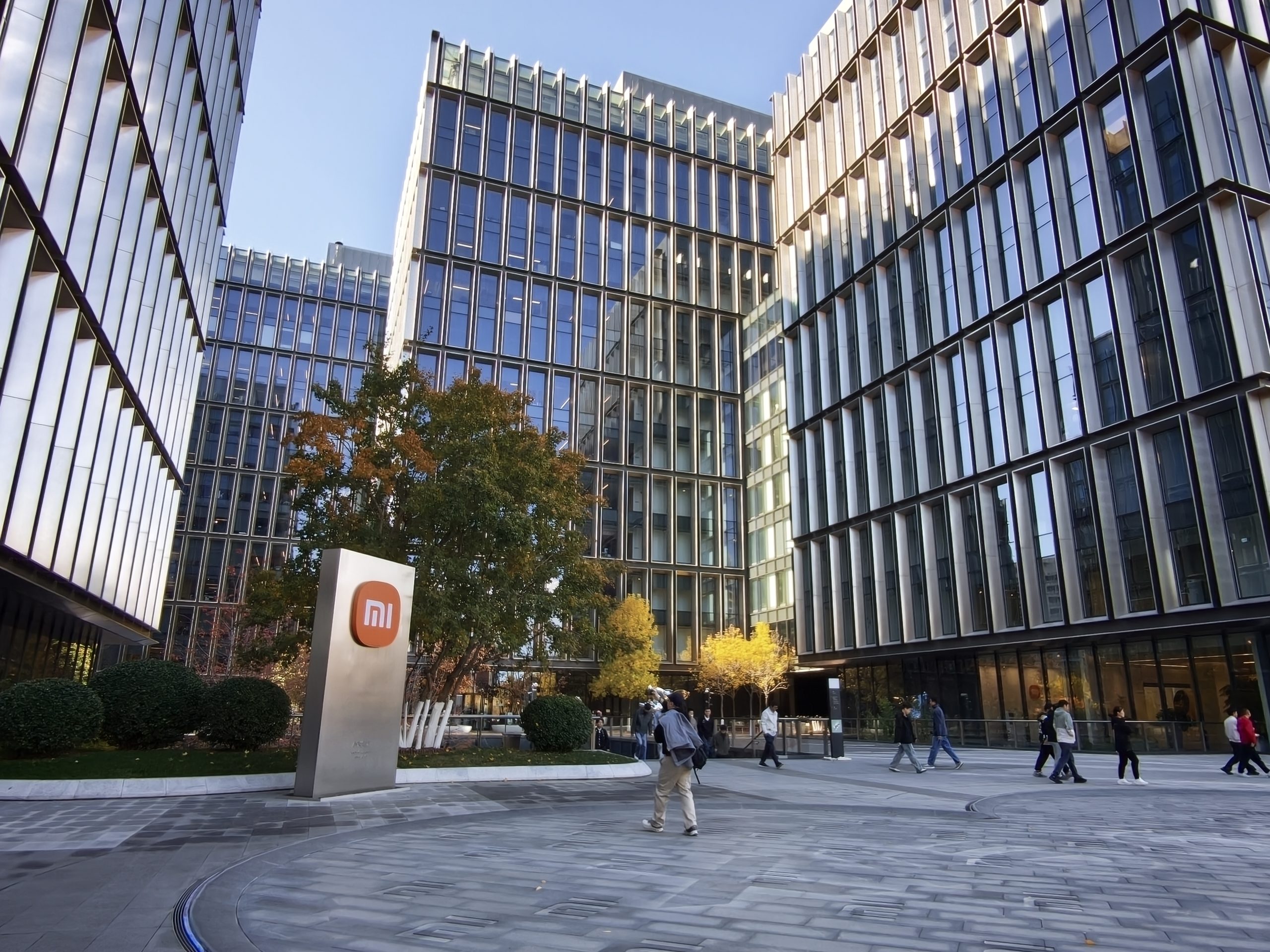
Inside Beijing’s factories and showrooms, a look at how one phone maker is extending its reach into homes, cars and the routines that connect them.
Buying a phone could also mean buying the key to your car and home–a thought I took away from visiting Xiaomi’s headquarters in Beijing. A purchase usually weighed in camera quality, battery life and price could become the starting point for decisions about much larger things.
Technology ecosystems are hardly new. Apple has built connections among its devices and services, extending the iPhone’s usefulness to compatible vehicles and smart-home accessories. Xiaomi’s ambition brings an expansive range of physical products under its own brand, including the car itself.
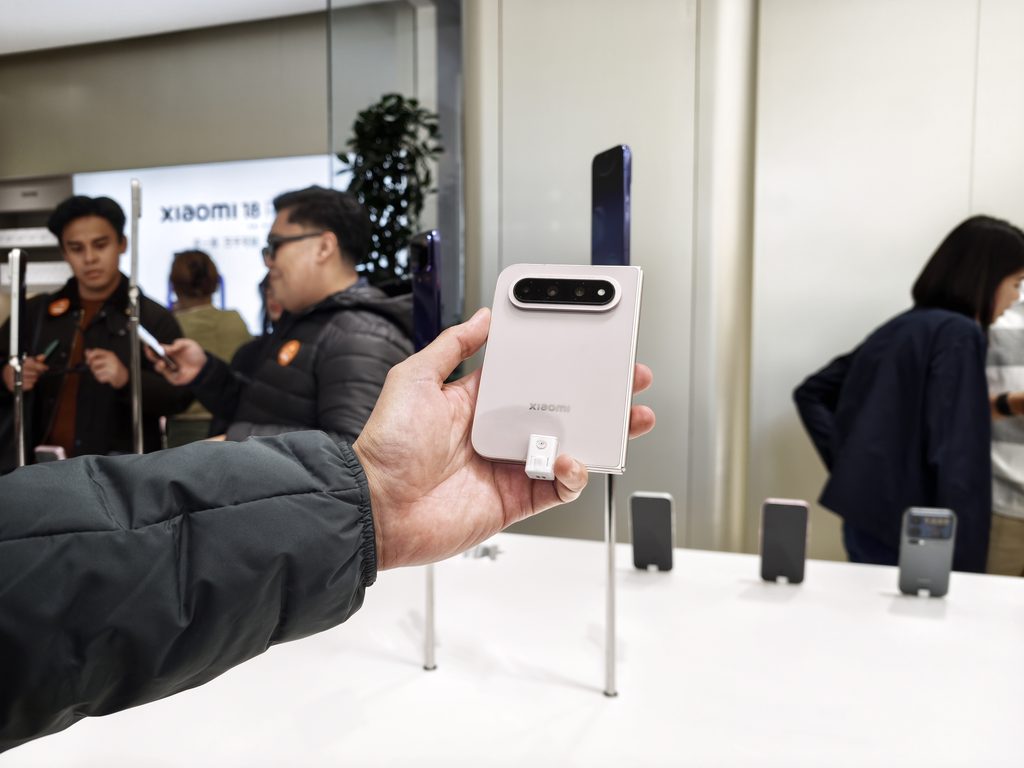
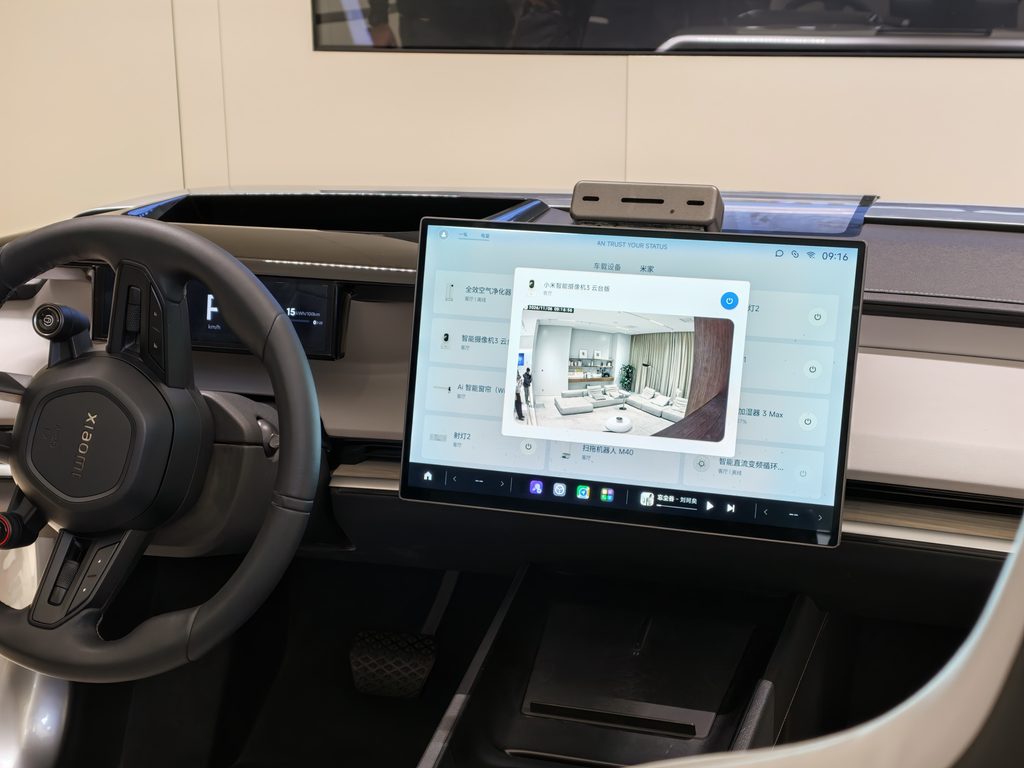
Its “Human × Car × Home” strategy connects those products around the same person. The Beijing visit offered a view of the company preparing to occupy more of that person’s day.
One purchase leads to another
Since 2023, Xiaomi has organized its products around this strategy, with its HyperOS operating system providing the software foundation for connections across personal devices, vehicles and household products.
In its analysis of Xiaomi’s second-quarter 2025 results, Counterpoint Research described smartphones and vehicles as control hubs for connected devices. It said the ecosystem encourages customers to stay with the brand and purchase additional hardware.
For a customer, that could mean choosing an appliance partly because it works with a phone they already own. Compatibility becomes another consideration alongside price and performance.
The hardware business supporting that ambition already extends deep into the household. We have Xiaomi saying it shipped more than 8.5 million air conditioners in 2025. Refrigerators and washing machines also form part of its major-appliance portfolio.
Taking the connection on the road
The vehicle adds a substantial purchase to that relationship. Counterpoint’s September 2024 report overview identified Xiaomi’s automotive business as a potential contributor to its premium image, revenue and profitability.
Xiaomi’s EV plant in Yizhuang occupies more than 700,000 square meters, with overall automation exceeding 90 percent, according to the company. A self-developed die-casting system combines multiple parts into one piece, reducing weight and welding points.
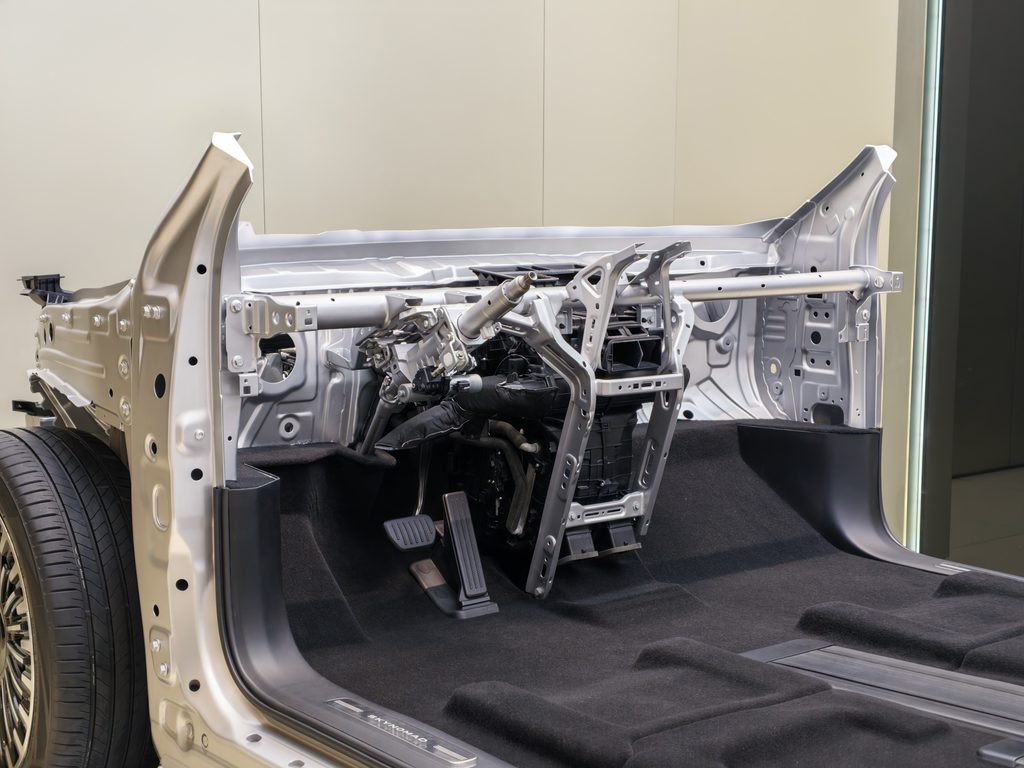
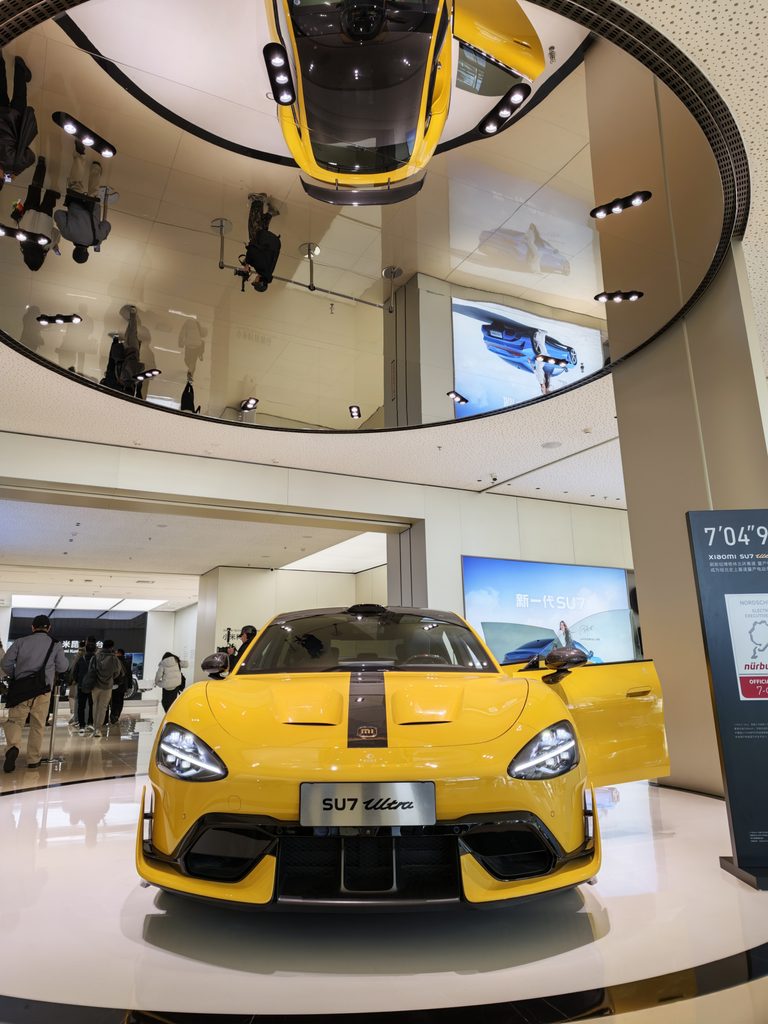
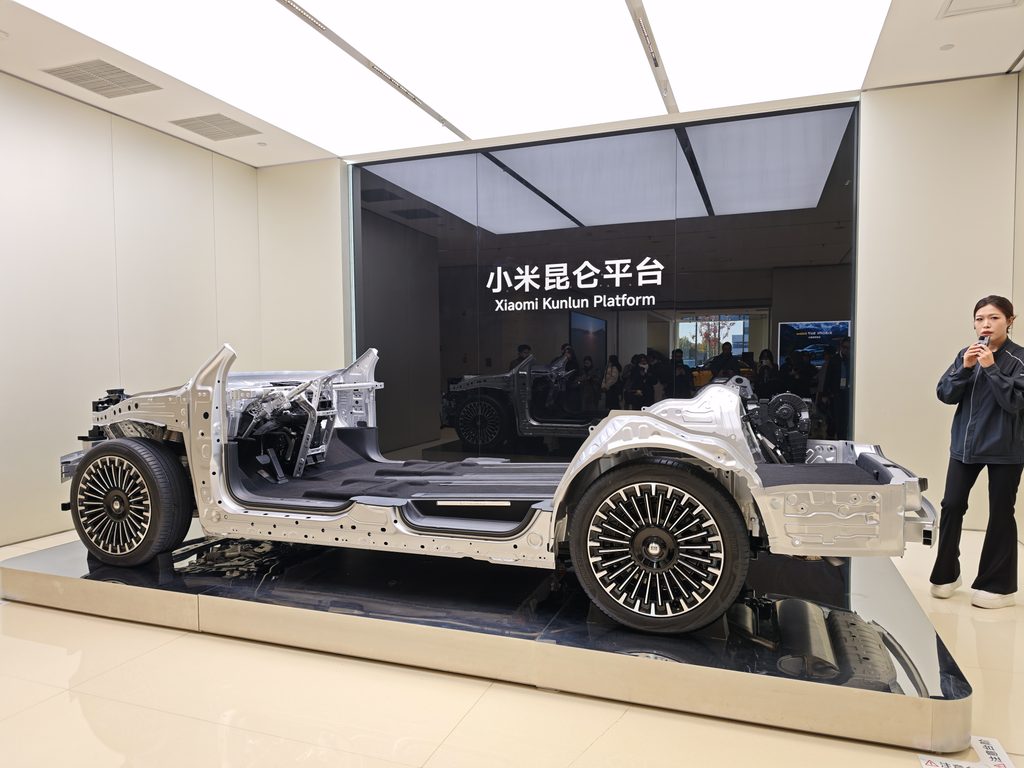
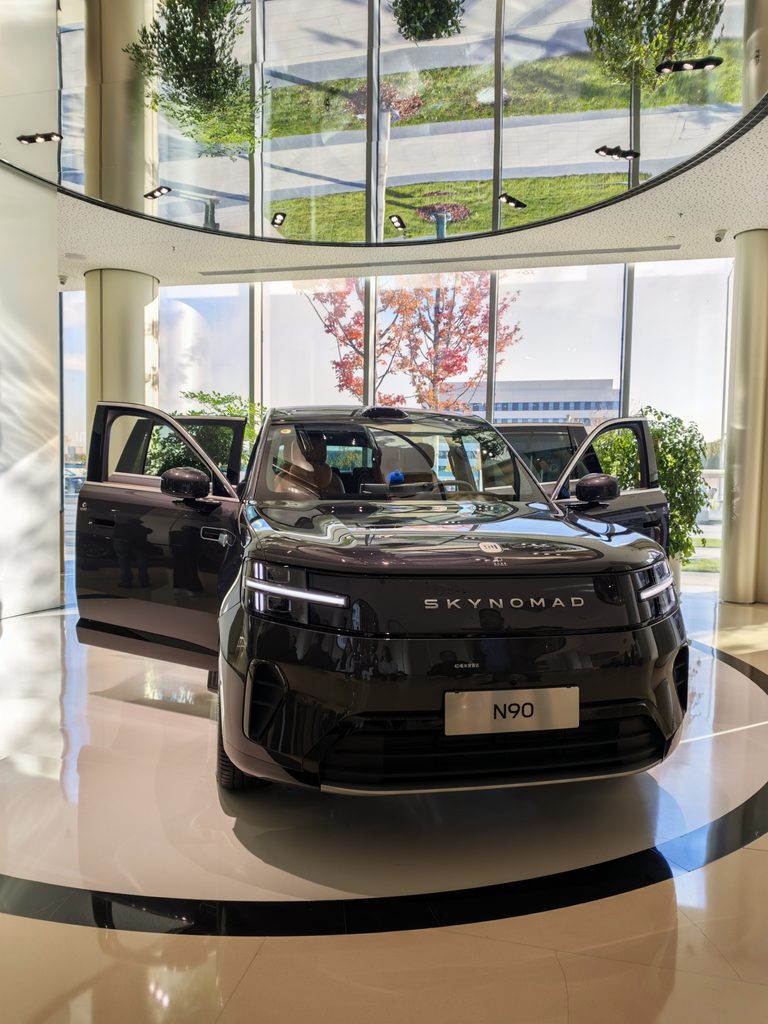
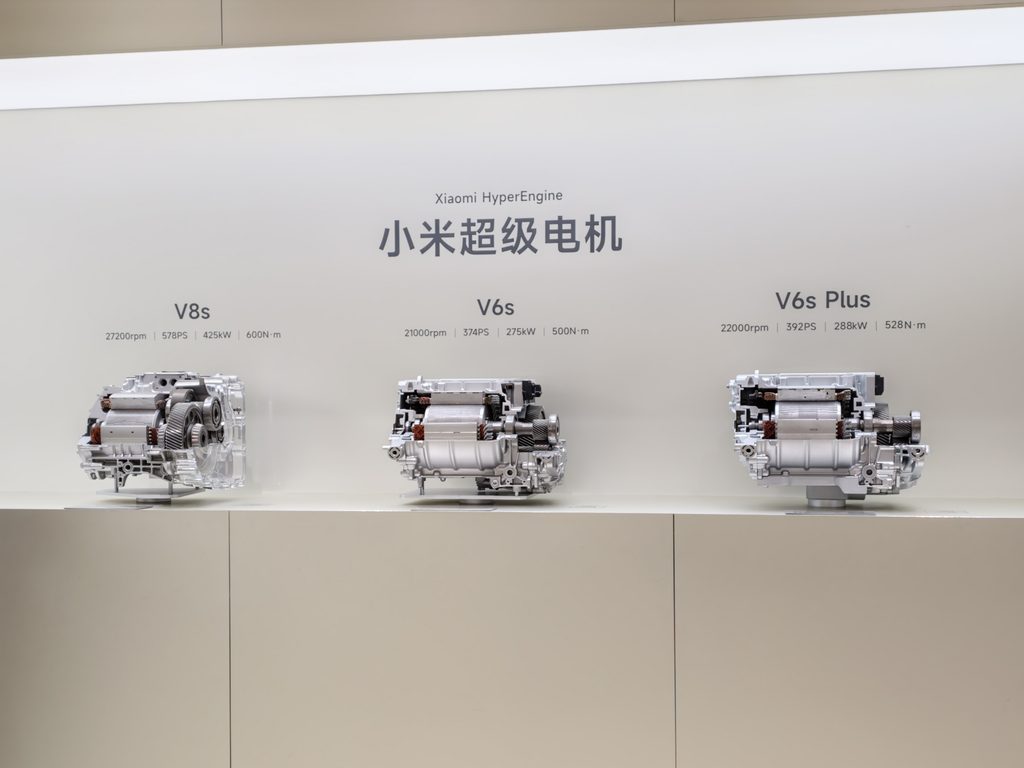
Xiaomi says every vehicle undergoes testing before delivery on a 2.5-kilometer track featuring 18 road conditions.
The company credits experience from its phone business with informing its approach to making cars. Vehicles also bring responsibilities in safety, servicing and long-term reliability that continue well beyond the initial sale.
Where phones and cars share a factory
During a Nov. 6 briefing in Beijing, Xiaomi showed us a floor plan of its smartphone factory.
The first floor is where components are soldered onto circuit boards. The second is where phones are assembled and tested. The third houses packaging and foldable phone operations, along with two production lines for electric vehicle electronics.
Xiaomi said it invested 2.6 billion yuan in the 81,000-square-meter facility, which was designed to produce up to 10 million flagship phones a year. The company also said its production line, which runs just over 310 meters and is staffed by 220 people, can turn out 600 phones an hour.
At headquarters, I had been thinking about a phone serving as the key to a car and a remote for the home. The briefing showed how those businesses overlap on Xiaomi’s side, too: some of the electronics for its cars are made under the same roof as its phones.
The software connecting it all
Research and development accounted for 47.2 percent of Xiaomi’s workforce as of June 30, 2026.
Its technology investments include HyperOS, the MiMo artificial intelligence model and the XRING chip line. Xiaomi says its AI development aims to move from understanding what a person says toward understanding what they want to accomplish.
Across an ecosystem, the practical value depends on how much effort that coordination saves and how easily users can control it.
For Filipino consumers, the phone and home remain the most immediate parts of the strategy. Xiaomi’s tour materials identify mainland China as the market for its vehicles. The complete experience presented in Beijing therefore has to be weighed against what is available and supported locally.
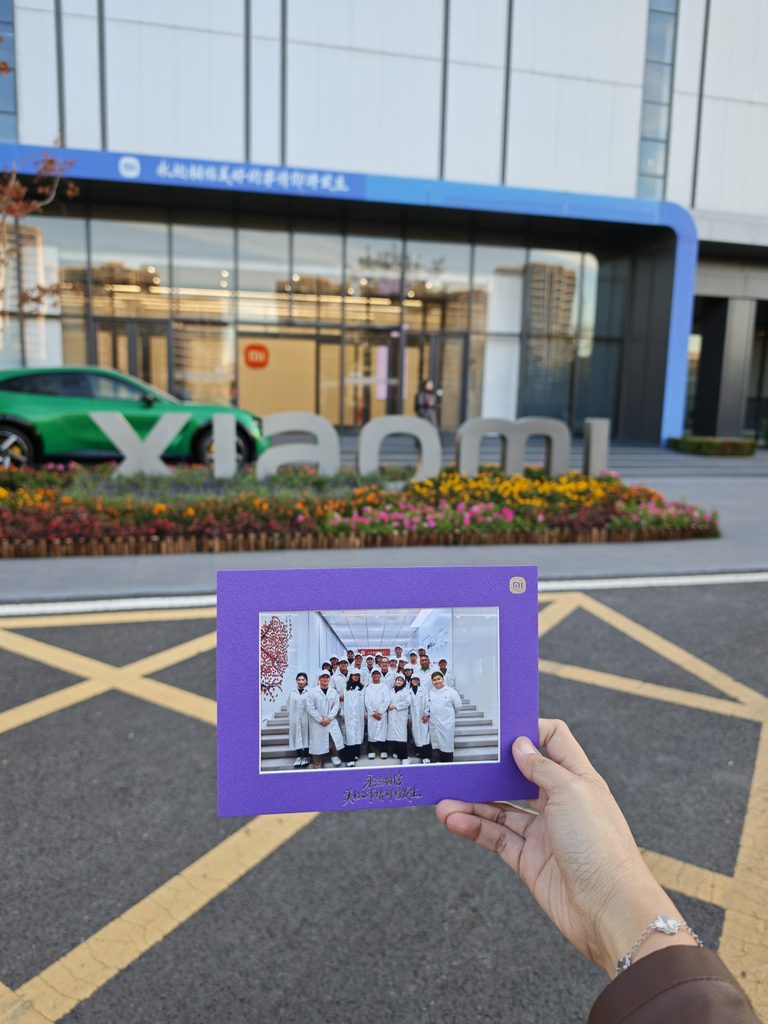
I left thinking about how far a phone purchase could reach. The next time someone chooses a handset, they may also be choosing the brand they will consider for their kitchen or driveway.
The phone could be the first purchase in a relationship that lasts much longer than the handset.
