

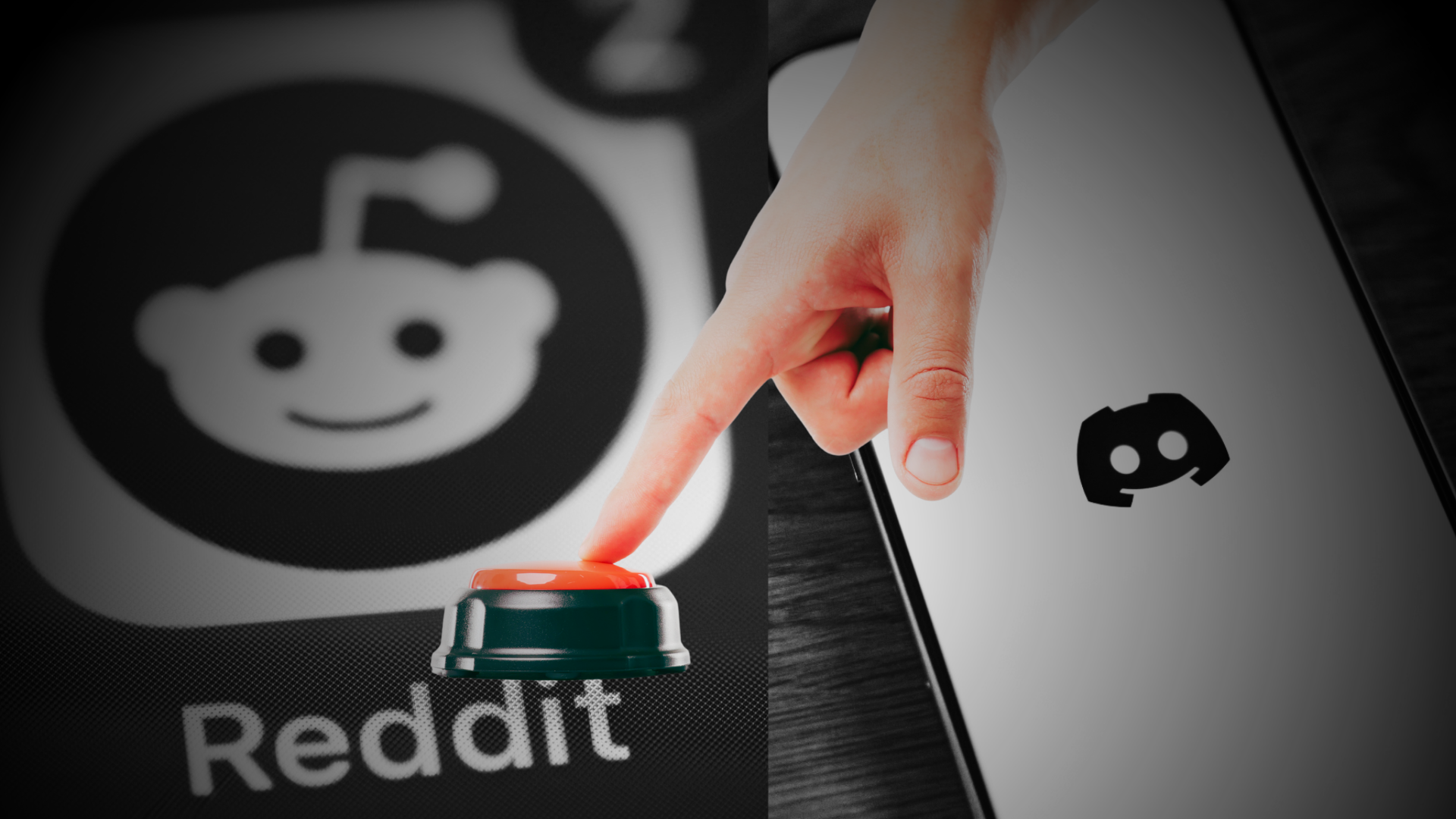
Discord was blocked in the Philippines on September 23. Access was restored on September 24. For government agencies, that may look like a short-lived measure. For Filipinos who rely on it, the disruption was real.
At DvCode Technologies, we use Discord mainly for corporate communications. It is where our team coordinates work. Other Filipinos use it to run communities, collaborate on projects, support customers, study, and stay connected. When access is blocked, all of those people are affected, regardless of whether they had anything to do with the conduct the government is trying to address.
The Cybercrime Investigation and Coordinating Center had directed Discord and Reddit to establish a local presence and explain their safety measures, warning that noncompliance could lead to restricted access. Its stated concerns include child safety and violent online communities. Those concerns deserve serious action. But the September 23 block shows why the power to restrict an entire platform demands serious scrutiny too.
This is becoming a familiar response from government agencies: when something troubling happens online, reach for a ban. Block a website. Restrict an app. Make the platform inaccessible, then sort out the consequences later.
How many times will we accept that as the default?
If crimes are being committed through Discord, investigate the people responsible. Seek the evidence. Work with the platform to remove harmful material and protect children. Explain to the public why those steps are insufficient before denying access to everyone else.
Our Constitution protects freedom of speech and expression. Today, people exercise those freedoms in digital spaces. A government order that closes one of those spaces, even temporarily, raises a question that cannot be brushed aside: what is the legal basis, and what limits that power?
I am not asking the government to ignore threats to children. As a parent, I want those threats taken seriously. As someone who works in technology, I also know that blocking access is a blunt response. It can interrupt legitimate work while the people causing harm move elsewhere.
If an agency believes a nationwide block is necessary, it should publish the order, identify the law authorizing it, explain the evidence and scope, and provide a way to challenge the decision. Filipinos should not have to find out that a tool they depend on has been blocked only when they try to use it.
Restoring Discord the next day does not erase what happened on September 23. It should prompt a harder question about how easily access was taken away in the first place.
Government power over the internet must have clear limits. Our freedom to communicate cannot depend on which agency reaches for the ban button next.
