


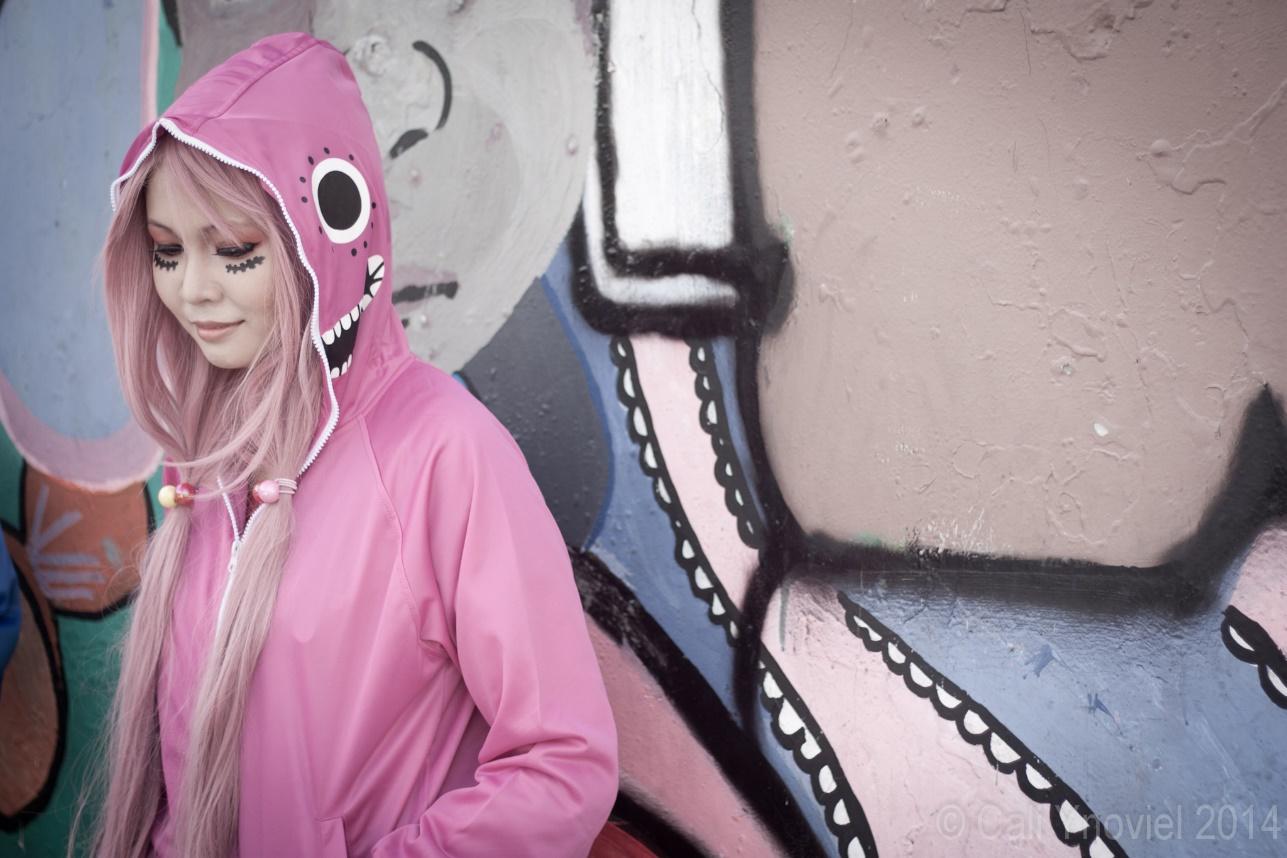
If you hear the word “cosplay”, chances are you already know what it means. It has become such a visible part of pop culture that you’ll often see cosplayers at different events: promoting a newly released game, attending conventions as excited fans or guests, or even serving as judges in competitions.

Cosplay has grown so familiar in the Philippines that even people outside of fandom circles recognize the term. I can say this because my own mother, who has no interest in anime or games, knows what cosplay is. That’s how far it has reached.
But while cosplay is now widely recognized and accepted, an unspoken standard seems to have crept in. Back when the community was smaller, it was a demanding hobby, often with high barriers to entry. And yet, despite those challenges, the culture of cosplay then looked very different from what we see today.
When passion was enough
Looking back at older conventions like Anime Explosion, Hero Convention, or Ozine Fest, you could see just how much love fans poured into their costumes. Wigs and contact lenses weren’t a thing, nor easily available, so people improvised. Fans would upcycle their clothes, hunt fabrics, hire a neighborhood tailor, or even hand-stitch their costumes from scratch.
Accuracy wasn’t the main priority before. Instead, the heart of cosplay was embodying a character you loved. It was passion and play rolled into one, and through this process, many cosplayers gradually honed their craft.
Of course, cosplay also wasn’t cheap. It often felt reserved for those who could save money for fabrics, foam, or materials. But even then, the payoff was powerful. It was the joy of seeing your favorite character come to life, no matter how rough around the edges the costume might have been.

The rise of perfection
Fast forward to today, and things look very different. As more conventions are being held left and right, you’ll find rows of booths selling accessories, props, and ready-to-wear costumes. Wigs, lenses, and pre-made costumes are now just a click away online. On one hand, this accessibility is a blessing. Cosplay is no longer a niche hobby limited to those with sewing skills or connections.
But with that accessibility came something else: a quiet pressure. Suddenly, there is this unspoken idea that cosplay should always be perfect. Scroll through social media and you’ll find jaw-dropping costumes, cinematic photo shoots, and cosplayers looking almost identical to the characters they portray. It’s inspiring, of course, but also intimidating. Somewhere along the way, accuracy started to outweigh creativity, and cosplay began to feel less like self-expression and more like chasing an impossible standard.

Another shift I’ve noticed is in diversity. Back then, you’d see a colorful mix at conventions: niche characters from old shows, cult-favorite games, or even unexpected crossovers. Today, cosplay seems to orbit around whatever is currently popular. Be it the latest anime hit or the most viral game. While there’s nothing wrong with celebrating what’s the current trend, it sometimes feels like the space for obscure and personal favorites has narrowed. It’s as if accuracy and popularity, rather than passion, now determine visibility.

Price of popularity
As cosplay becomes more mainstream, misunderstandings tend to follow. Some people continue to shame others for not living up to these new expectations, while others dismiss cosplay as nothing more than a shortcut to fame.
I remember reading a post in a local cosplay group where someone posted a photo of a person and was ridiculed online. The thing was that the person wasn’t even cosplaying. It even came to a point where the person in the photo said that she wasn’t cosplaying, but her clothes were crafted and simply inspired by a Sanrio character she liked. Yet, through anonymity, strangers picked apart her outfit without consent, criticizing something she never asked to be judged on. Whether or not she considered it “cosplay”, the cruelty from unwarranted and unkind comments wasn’t necessary.
This isn’t to say that skill and craftsmanship shouldn’t be celebrated. They absolutely should. But when perfection becomes the unspoken rule, we risk forgetting what cosplay is supposed to mean. It’s not about who spent the most money on their costumes and props, who has the most perfect body, or who looks the most accurate. It’s about celebrating characters you love in your own way. Whether your costume is handmade, thrifted or commissioned, or bought online, it’s still cosplay. What matters is the joy you find in doing it. Moments like these tend to make us forget how easily we can cross the line. We tend to forget that cosplay, at its core, is about expressing your love for a character you’re in, not gatekeeping.

Returning to the heart of cosplay
Despite these pressures, it’s heartwarming to see how cosplay has grown into a space where more fans can participate. What began as a small community of fans bringing their favorite characters to life has become a phenomenon, one that should welcome everyone equally.
At its core, cosplay is a reflection of creativity, imagination, and passion. It’s a way to celebrate stories and characters that resonate with us, while connecting with others who share the same feeling. And while critics and gatekeepers will always exist, they don’t define the community. You do. We do.
Cosplay was never just about accuracy. It’s about expression, joy, and connection. And that’s something every fan has the right to do. As the Cheshire Cat once said in Alice’s Adventures in Wonderland: “We’re all mad here.”
So, embrace your weirdness, respect others, and keep having fun with the things you love. Because at the end of the day, that’s what cosplay is truly about.


