


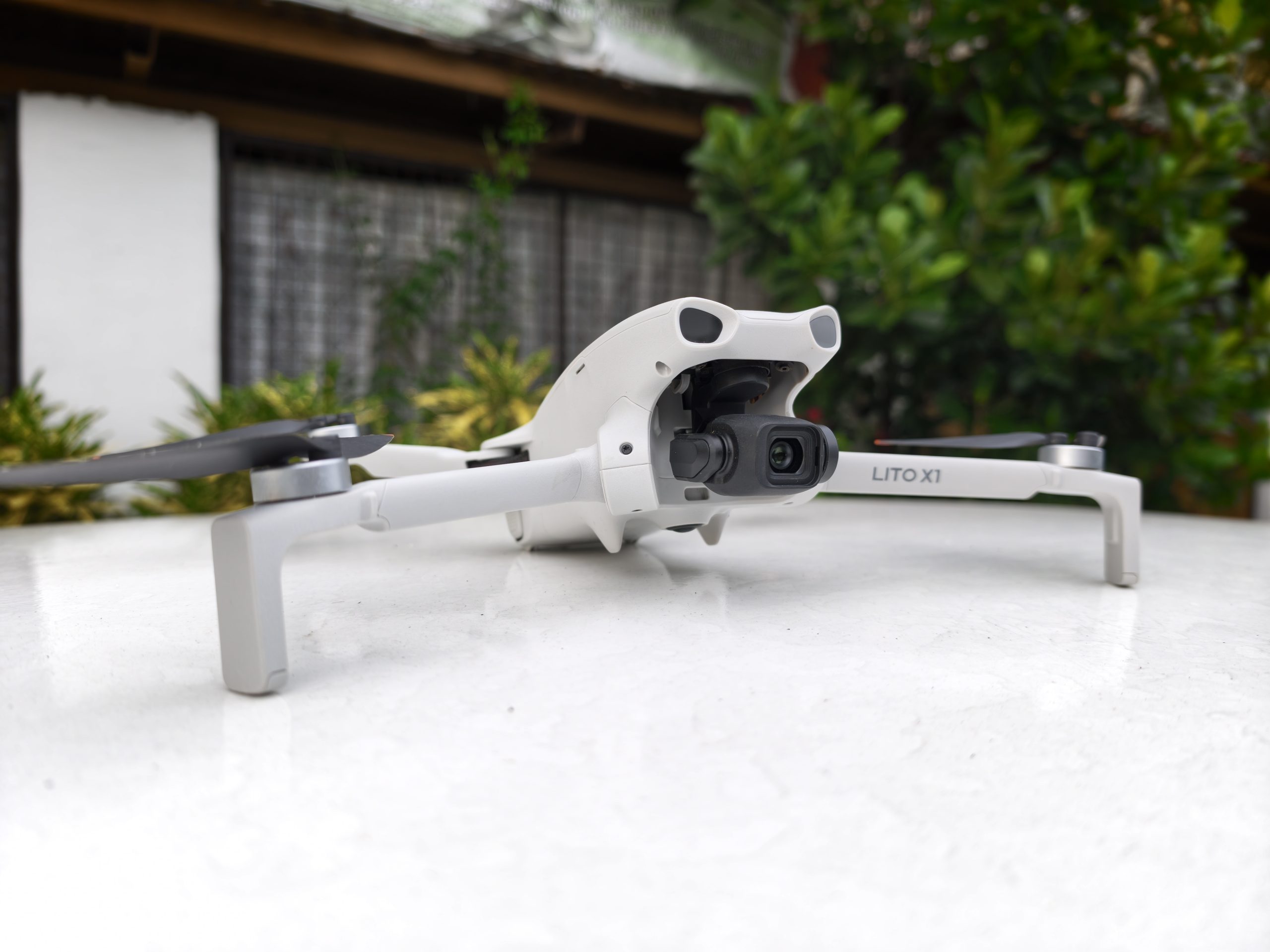
DJI says the Lito X1 is designed for first-time drone pilots, and packs premium flight features into a compact drone that weighs just 249 grams.
To see whether that promise held up, I handed the controller to three people who had never flown a drone before: myself, my brother, and a friend.
Our testing conditions weren’t exactly forgiving. It was a windy afternoon in the middle of July, with the southwest monsoon already making its presence felt.
We drove to our friend’s house in Lourdes, Antipolo City, perched on one of the area’s higher vantage points, where gusts swept across the open landscape. Before takeoff, there was an unspoken fear that one wrong move would send the drone tumbling.
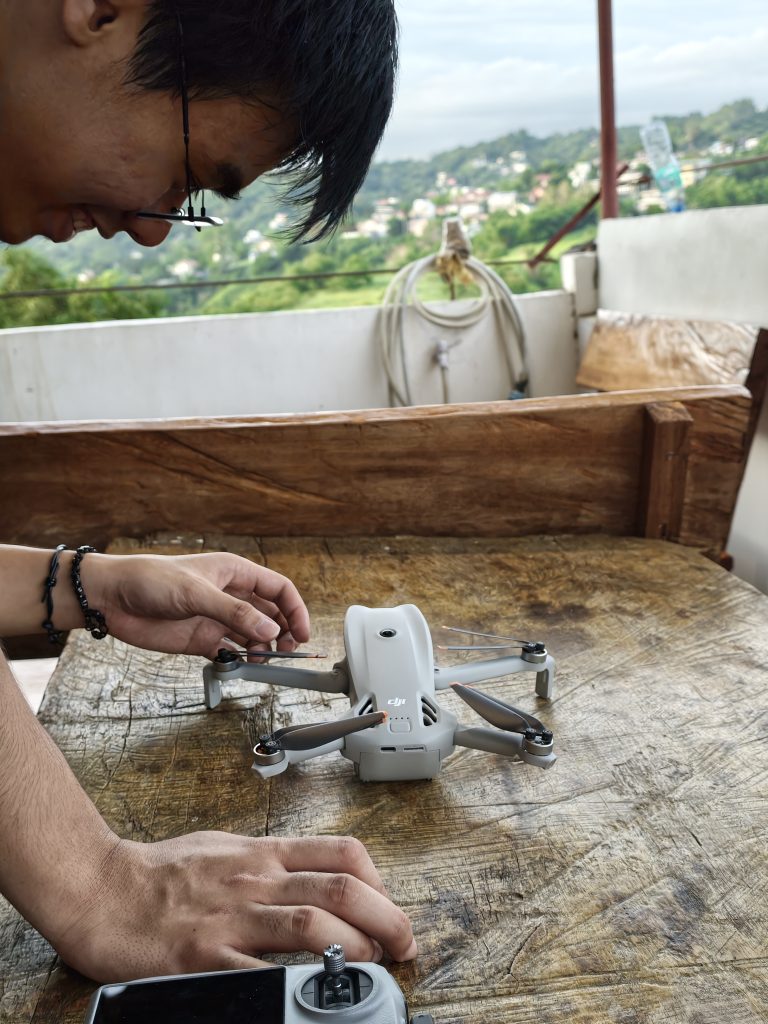
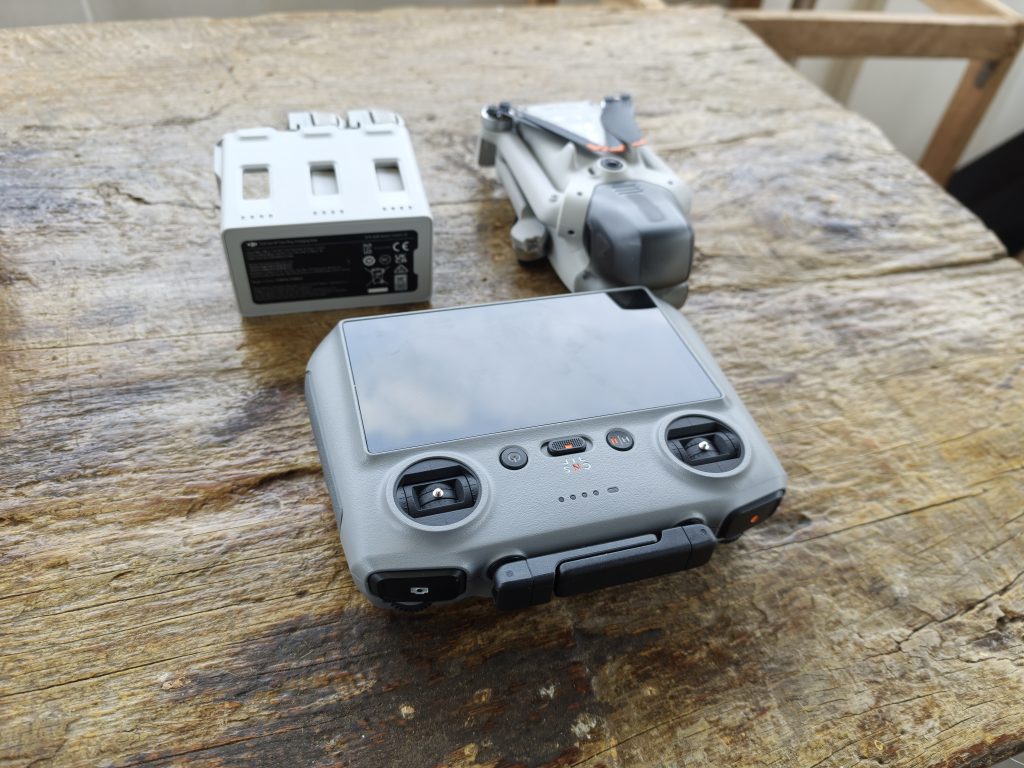
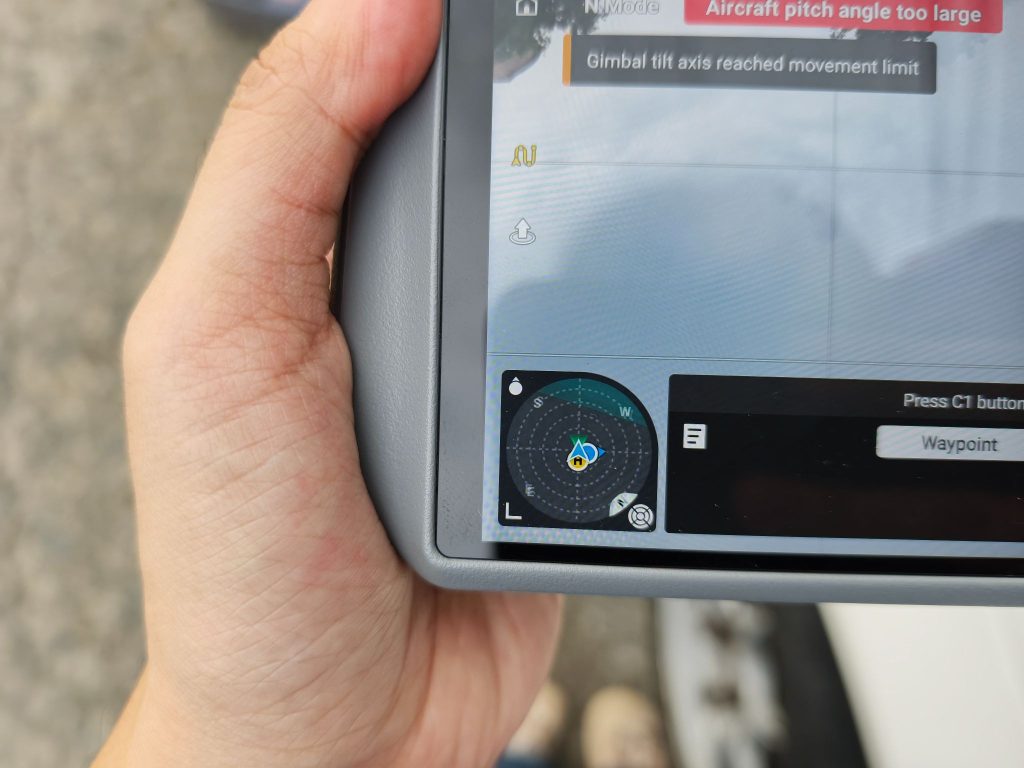
Setup through the DJI Fly app was straightforward, and after a short tutorial, the drone was ready to fly. Equipped with omnidirectional obstacle sensing, a forward-facing LiDAR sensor, GPS positioning, and Return-to-Home, the Lito X1 felt reassuring even before leaving the ground.
Once airborne, its stability stood out the most. Despite the wind, the drone hovered confidently, making only small corrections before returning to its position. None of us felt like we were constantly fighting the controls, allowing us to focus on learning basic maneuvers rather than preventing a crash. By the end of the afternoon, all three of us had completed multiple flights without incident.
The Lito X1 carries a 1/1.3-inch CMOS sensor capable of capturing 48MP photos and recording up to 4K HDR video at 60fps, with support for 10-bit D-Log M for users who want more choices in color grading. In practice, the camera produced vibrant colors and smooth footage thanks to its three-axis mechanical gimbal.
Images were generally clear with good dynamic range, yet fine details sometimes appeared softer than expected, particularly when zooming in or viewing them on a larger display.


For social media and everyday content creation, the results are more than sufficient, though enthusiasts looking for maximum sharpness may notice the compromise.
Features like ActiveTrack 360, QuickShots, MasterShots, and Panorama also helped beginners create dynamic-looking shots with low effort. The built-in 42GB of internal storage proved useful for those moments when we forgot to bring a microSD card.
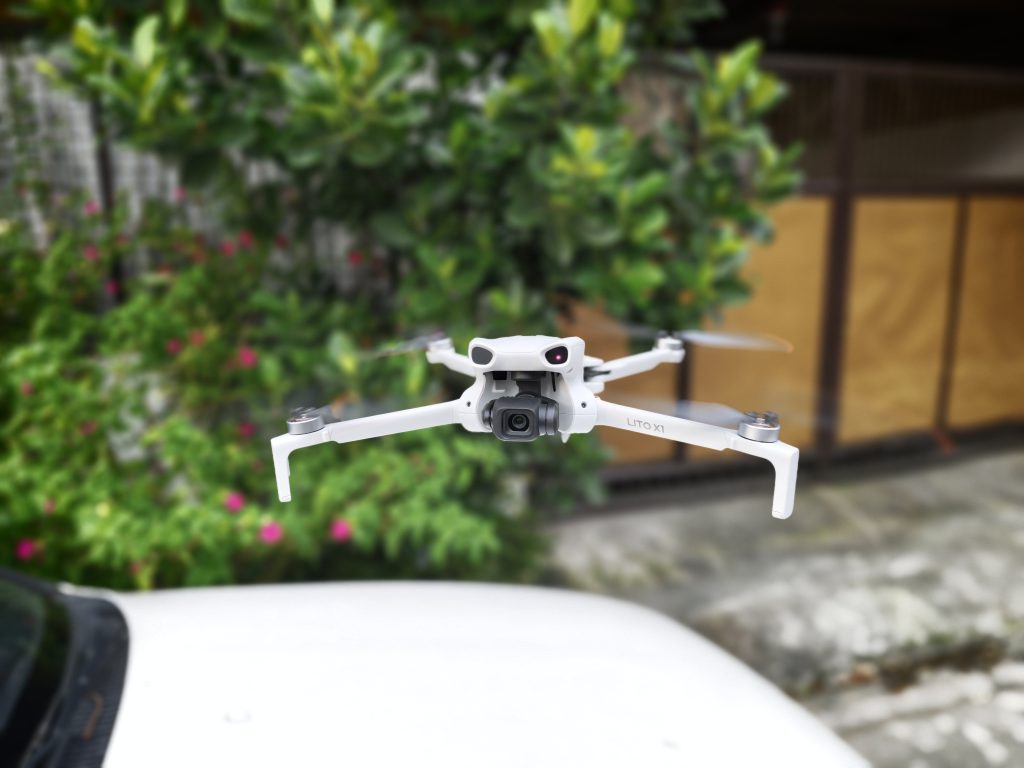
DJI claims up to 36 minutes of flight time, though our real-world sessions landed closer to the high-20-minute mark in breezy conditions. Even so, there was enough battery to let each of us practice and experiment, and gradually become more confident.
The DJI Lito X1 may not produce the sharpest still photos in its class, but it prospers where it matters most. It removes much of the intimidation that comes with flying a drone for the first time.
Want to see the DJI Lito X1 in action? Watch our sample footage captured entirely with the drone to get a better look at its overall camera performance in real-world conditions.
Specs:
Price (Philippines): Starts at ₱21,690 (standard package); Fly More Combo variants also available.
Weight: 249g
Camera: 1/1.3-inch CMOS sensor
Photo resolution: 48MP
Lens: 24mm equivalent, f/1.7 aperture
Video recording: Up to 4K HDR at 60fps; 4K slow motion at 100fps
Color profile: 10-bit D-Log M
Gimbal: 3-axis mechanical gimbal
Internal storage: 42GB
Expandable storage: microSD card
Obstacle sensing: Omnidirectional obstacle sensing with forward-facing LiDAR
Subject tracking: ActiveTrack 360
Intelligent flight modes: QuickShots, MasterShots, Hyperlapse, Panorama
Video transmission: DJI O4, up to 15km (FCC)
Maximum flight time: Up to 36 minutes (standard battery); up to 52 minutes with the Intelligent Flight Battery Plus
Wind resistance: Level 5 (up to 10.7m/s)
Controller options: DJI RC-N3 or DJI RC 2
Connectivity: DJI Fly app
