


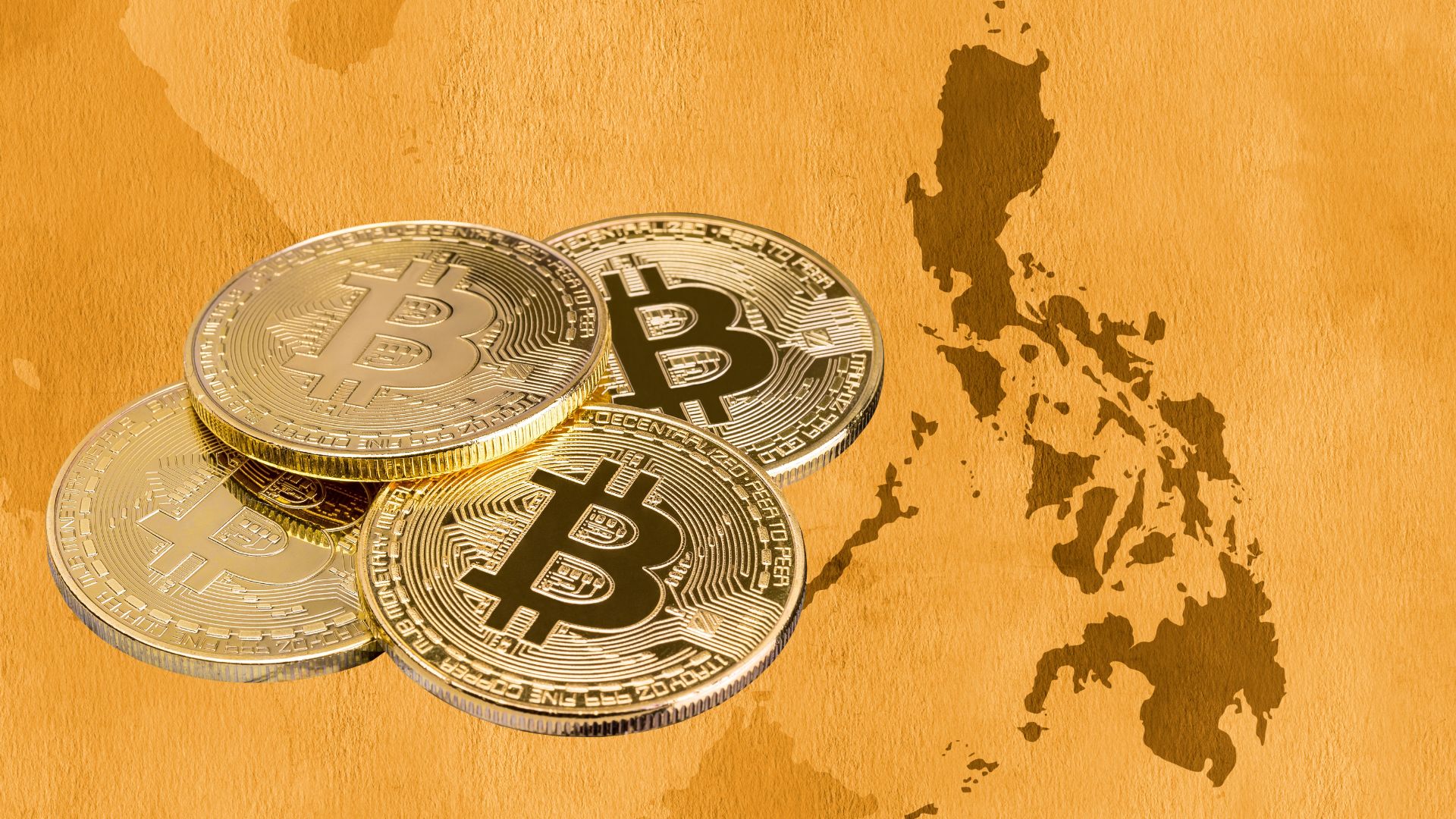
For decades, gold has been the world’s ultimate safety net. Countries keep it in their central banks as a way to store value and protect their economies against crises. Now, a young lawmaker from Camarines Sur, rep. Migz Villafuerte, wants the Philippines to do the same with Bitcoin.
Villafuerte recently filed House Bill No. 421, or the Strategic Bitcoin Reserve Act, which would require the Bangko Sentral ng Pilipinas (BSP) to purchase 2,000 Bitcoin per year over five years, for a total of 10,000 BTC, an amount that, at today’s rates, would cost roughly ₱63.6 billion.
These reserves would then be held in trust for at least 20 years, effectively treating Bitcoin as a modern-day “digital gold” for the country’s economy.
He argued that Bitcoin, like gold, is limited in supply and could protect the country against inflation and global financial shocks.
Unlike pesos or dollars, it is not tied to any single government. Instead, it’s decentralized. Its supply is capped at 21 million coins worldwide, making it scarce like gold.
Villafuerte argues that holding Bitcoin could give the Philippines a hedge against inflation and currency volatility, especially at a time when global markets are uncertain.
Think of it this way. Just as Overseas Filipino Workers diversify where they send or save money to protect their families, governments also diversify reserves to protect the economy. Bitcoin, Villafuerte suggests, is simply the next logical step.
A global trend?
Villafuerte isn’t alone in floating the idea. In the United States, former president Donald Trump recently pushed for the creation of a “strategic Bitcoin reserve,” framing it as a way to keep America competitive in the digital era.
The reserve, according to the White House order, will be filled with Bitcoin already in government hands, mostly assets seized in criminal and civil forfeiture cases, so it doesn’t require new taxpayer spending.
The Philippines, however, would have to take a different route. Unlike the U.S., which already holds billions in seized crypto, Villafuerte’s proposal means the government would need to purchase Bitcoin directly to build up a national reserve.
For him, this isn’t just about copying the U.S., but about making sure the Philippines doesn’t get left behind.
Other countries are already experimenting too. El Salvador famously adopted Bitcoin as legal tender in 2021, even buying Bitcoin as part of its national reserves.
While the results have been mixed, it put the country on the global map as a crypto pioneer. The big question for many is: “How does this affect me?”
If Bitcoin appreciates in value, the country’s reserves grow stronger, potentially giving the BSP more tools to manage the economy. In the long run, this could translate to more stability for the peso.
However, Bitcoin is known for wild price swings. A sudden crash could mean losses for the nation’s reserves—something taxpayers might ultimately feel.
What this signals to the world is, beyond numbers, the move could send a message that the Philippines is ready to embrace new technologies, attracting innovation and investment in the crypto space.
Between bold vision and big risks
For now, Villafuerte’s bill is just a proposal. It has to go through debates, committee hearings, and approvals before it becomes law. Experts are divided. Some hail it as forward-thinking, while others warn against gambling national reserves on something as volatile as Bitcoin.
In an interview with Eliezer Rabadon, tech expert and CEO of DvCode Technologies, he argued that the Philippines is ready, tech-wise.
“The challenge isn’t the technology anymore; it’s the policy. We need a clear protocol on who holds the keys, how transactions get approved, and how security and recovery are handled,” Rabadon told PhilSTAR Tech.
The tech expert further explains that once the government sets the rules, systems can be deployed “pretty quickly.”
He added, “At this point, it’s less about capability and more about governance.”
Still, one thing is clear. The conversation reflects a larger global shift. Just as gold once anchored economies, digital assets like Bitcoin are beginning to force their way into discussions about the future of money.
And in that conversation, the Philippines, through Villafuerte’s bill, may have just raised its hand.
