

Something is undeniably compelling about a story in which a billionaire CEO falls in love with an ordinary woman, only to discover she is the long-lost heir of a rival company, determined to reclaim her family’s fortune. Throw in a fake marriage that unexpectedly turns into real romance, and the formula becomes even harder to resist.
The plot is dramatic, often illogical and rarely resembles real life. Yet, millions of people will surely be watching.
Known as short dramas, these bite-sized, mobile-first series have become one of the fastest-growing categories in digital entertainment, hooking viewers with cliffhangers and emotional twists that unfold in just a few minutes. Chances are, one has already appeared on your social media feed.
The trend took center stage at the TikTok Apps Summit 2026 in Singapore, where the company showcased its work in short dramas alongside gaming and AI-powered content creation.
According to data presented during the summit, short dramas recorded 2.26 billion downloads globally in 2025. Southeast Asia accounted for 32% of those downloads and posted a 220% year-on-year growth rate, making it one of the format’s fastest-growing markets.
Building a mini-drama ecosystem
To tap into the growing popularity of short dramas, TikTok has launched Mini Dramas, a feature that allows users to watch serialized content without leaving the app.
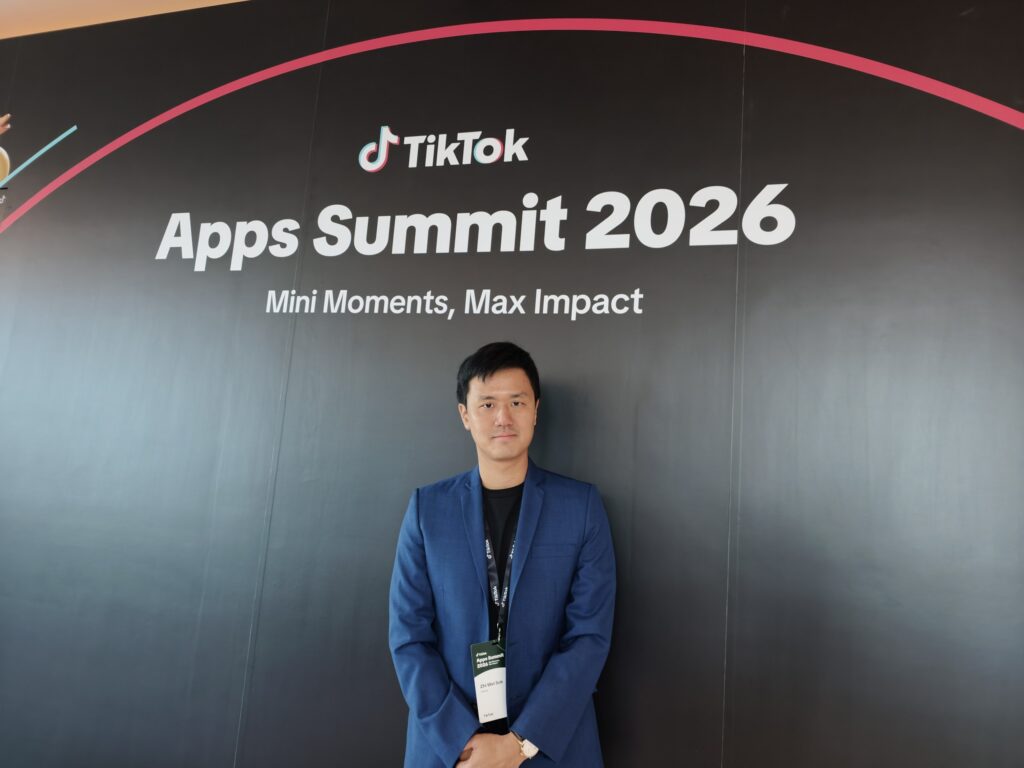
While the category is growing rapidly across the region, Zhiwei Sok, general manager for Global Business Solutions, Singapore and Philippines at TikTok, said the Philippines is still in the early stages of building the ecosystem needed to support mini-drama production at scale.
“So we do need a bit more industry confidence to say this is the way forward and this is the next phase of entertainment that will resonate with consumers,” Sok said.
According to Sok, traditional production houses are beginning to explore the format, but many are still adjusting to a very different style of storytelling.
“A lot of producers who have been very experienced with long-form content will struggle with the idea that, hey, look, it doesn’t have to be a logical storyline,” he said.
Instead, short dramas are designed to capture attention within the first few moments. The format also requires a different mindset from creators accustomed to traditional television and film.
Sok believes brands could ultimately play a key role in helping the industry grow.
“If I have to put one or the other, it would actually be the brands,” he said, noting that advertisers are increasingly seeing mini-dramas as an effective storytelling format that resonates with audiences.
Even as demand grows, Sok noted that some brands still turn to production houses outside the Philippines because local capabilities in the category remain limited.
Gaming joins the mix
TikTok is also expanding into gaming through Mini Games, which allow users to discover and play games without leaving the app.
The company sees gaming as another opportunity to deepen engagement while helping developers reach audiences more efficiently.
According to Sok, the barrier to entry for mini-games is lower than that of mini-dramas because many publishers are already familiar with similar formats from other digital ecosystems.
For independent developers, the appeal lies in access to TikTok’s large audience base and recommendation engine.
When asked whether local game developers should consider publishing games on the platform, Sok offered a direct answer.
“Yes, absolutely,” he said.
Developers are looking for platforms that can help them attract users while creating additional opportunities for monetization through advertising and in-app purchases. Sok said TikTok’s scale and discovery capabilities could help address those challenges.
AI enters the creative process
Beyond entertainment, TikTok also highlighted Dreamina, ByteDance’s AI creation platform powered by the Seedance 2.0 video-generation model.
Integrated into TikTok Symphony, the tool allows advertisers and creators to generate videos using prompts and reference materials, helping reduce production time and scale content creation.
This issue is particularly relevant for AI video generators such as Seedance 2.0, which have reignited industry debates over whether AI models should be allowed to generate content based on recognizable public figures or copyrighted intellectual property.
Asked about safeguards designed to prevent users from generating content featuring celebrities or copyrighted characters, Sok said TikTok takes AI content “really seriously.”
“Any AI-generated content that is put on our platform that we deem harmful, we proactively take down,” he said.
He added that hyper-realistic AI-generated content (AIGC) must be clearly labeled so users can distinguish between authentic and synthetic media.
TikTok also takes action against content that infringes on intellectual property rights.
“A lot of content that tries to adapt copyrighted IP, we actually proactively remove and discourage as well,” Sok said.
Bea Bautista, Communications Lead at TikTok Philippines, Malaysia, and Thailand, said all content uploaded to the platform, including AIGC, remains subject to TikTok’s existing moderation systems and community guidelines.
“Every piece content on the platform will be scanned according to our community guidelines and that includes AIGC,” Bautista said, referring to AI-generated content.
She added that TikTok recognizes both the opportunities and responsibilities that come with generative AI.
“We’re very, very strict with our AI content. We recognize the creativity that it’s going to bring but we’re also very, very cognizant of the responsibility that we have on that.”
More than scrolling
While short dramas may have captured much of the attention at this year’s summit, they were only one piece of a broader story.
For TikTok, that means giving users more reasons to stay—whether by watching a dramatic cliffhanger, playing a game or creating content with AI.
What once took two hours in a movie theater or an entire season on television can now play out in a handful of minute-long episodes. As audiences embrace these bite-sized formats, platforms are now racing to build the tools, experiences and ecosystems that keep them coming back for the next cliffhanger.
