


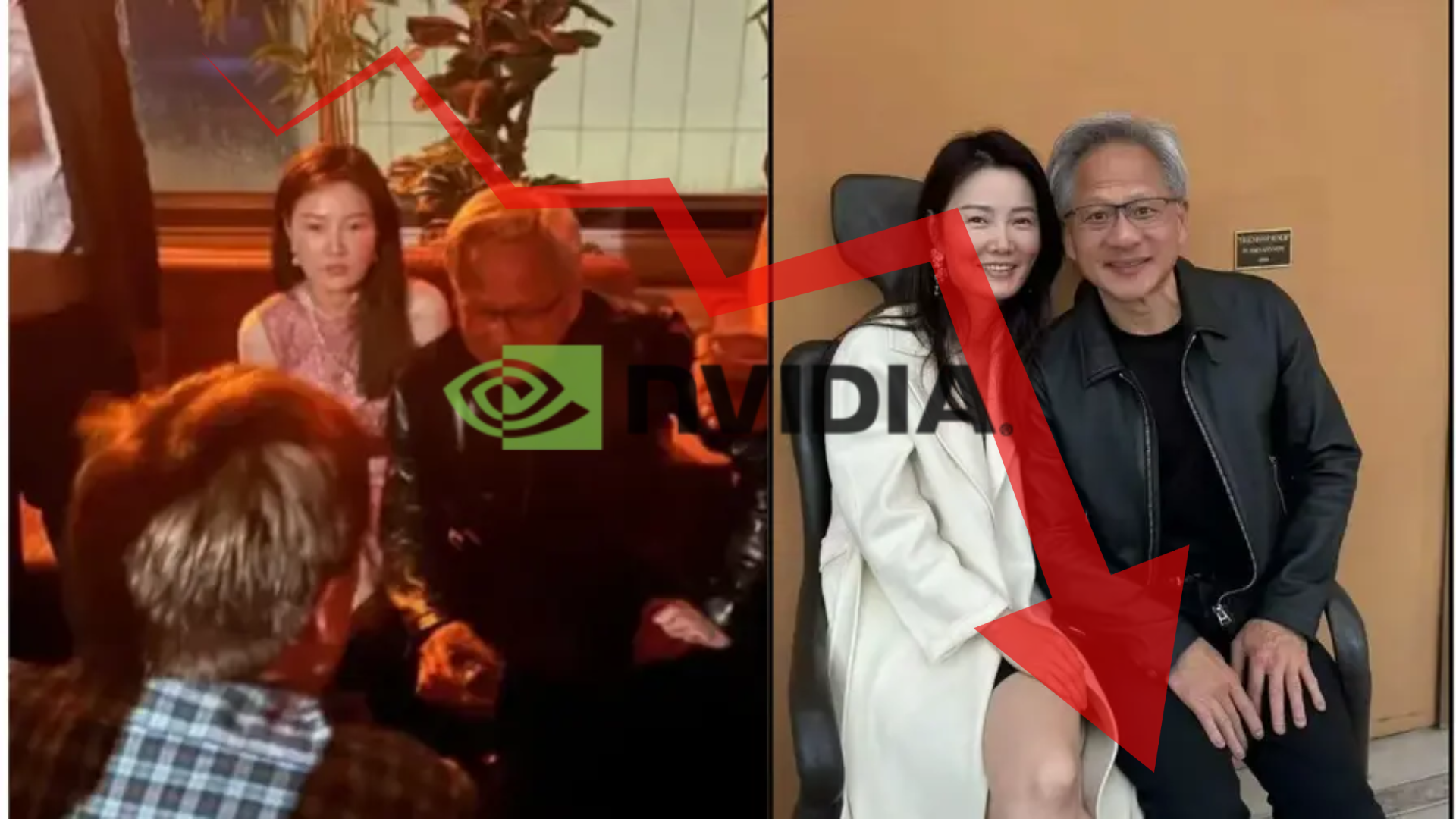
NVIDIA’s board has confirmed that they have opened an independent investigation into reports that CEO Jensen Huang may have been targeted by a Chinese intelligence operation after admitting to an extramarital affair with a woman U.S. intelligence reportedly suspects of gathering information for Beijing.
Huang admitted on November 8 that he had been unfaithful to his wife, apologizing to his family, NVIDIA employees, and shareholders. The admission came as reports linked him to Alice Huang, a Chinese citizen and former executive of a Singapore-based data center company, Megaspeed International.
The two Huangs are not related.
According to people briefed on U.S. intelligence assessments, officials believed she may have been recruited to learn more about American AI chips and potentially influence the stance of NVIDIA on allowing sales of more advanced processors to China. China has denied the allegations, describing them as smears, and Alice Huang has not publicly responded.
While her professional connections have raised eyebrows, there is no publicly released evidence to support the claim that Alice Huang was working as a Chinese intelligence operative.
She was previously listed as chief executive of Megaspeed, a Singapore-based data center company and major NVIDIA customer. The company reportedly purchased more than $4.8 billion worth of NVIDIA chips over two years and has itself been investigated over concerns that advanced processors could have reached Chinese customers through Southeast Asian data centers, potentially bypassing U.S. export controls. Megaspeed has denied violating said restrictions.
Taiwan-based industry observers also report that there have been occasions when Alica Huang was seen publicly with Jensen Huang at various Taiwan industry events in 2024 and 2025. But as of now there is little else that can be verifiably written about her background. Her current whereabouts are also unclear.
NVIDIA is now circulating questions about the security risk the relationship may or may not have created. The company sits at the center of the global AI race, and its chips power many of the systems used to train and run artificial intelligence. The access to its most advanced hardware has become an increasingly sensitive issue between the United States and China.
Huang has been an outspoken advocate for maintaining NVIDIA’s ability to compete in the Chinese market, arguing that excessive restrictions could strengthen domestic Chinese rivals.
The combination of these events makes any suggestion of a foreign intelligence targeting particularly serious, and NVIDIA’s board has now opened an independent investigation. A committee of independent directors, supported by outside legal counsel, will examine the available and upcoming information.
For now, the company says it has no reason to believe that NVIDIA secrets or U.S. national security were compromised, and Huang has agreed to fully cooperate with the review. The company board has publicly stated their continued confidence in his leadership team and has not suspended or removed Huang from his position while the investigation continues.
Yes, the affair is confirmed and undisputed. What remains under scrutiny is whether the relationship went any further and if any sensitive information was exposed. A private mistake that could possibly create an opening that would have consequences not just for NVIDIA but for a global technology market is in question.
