


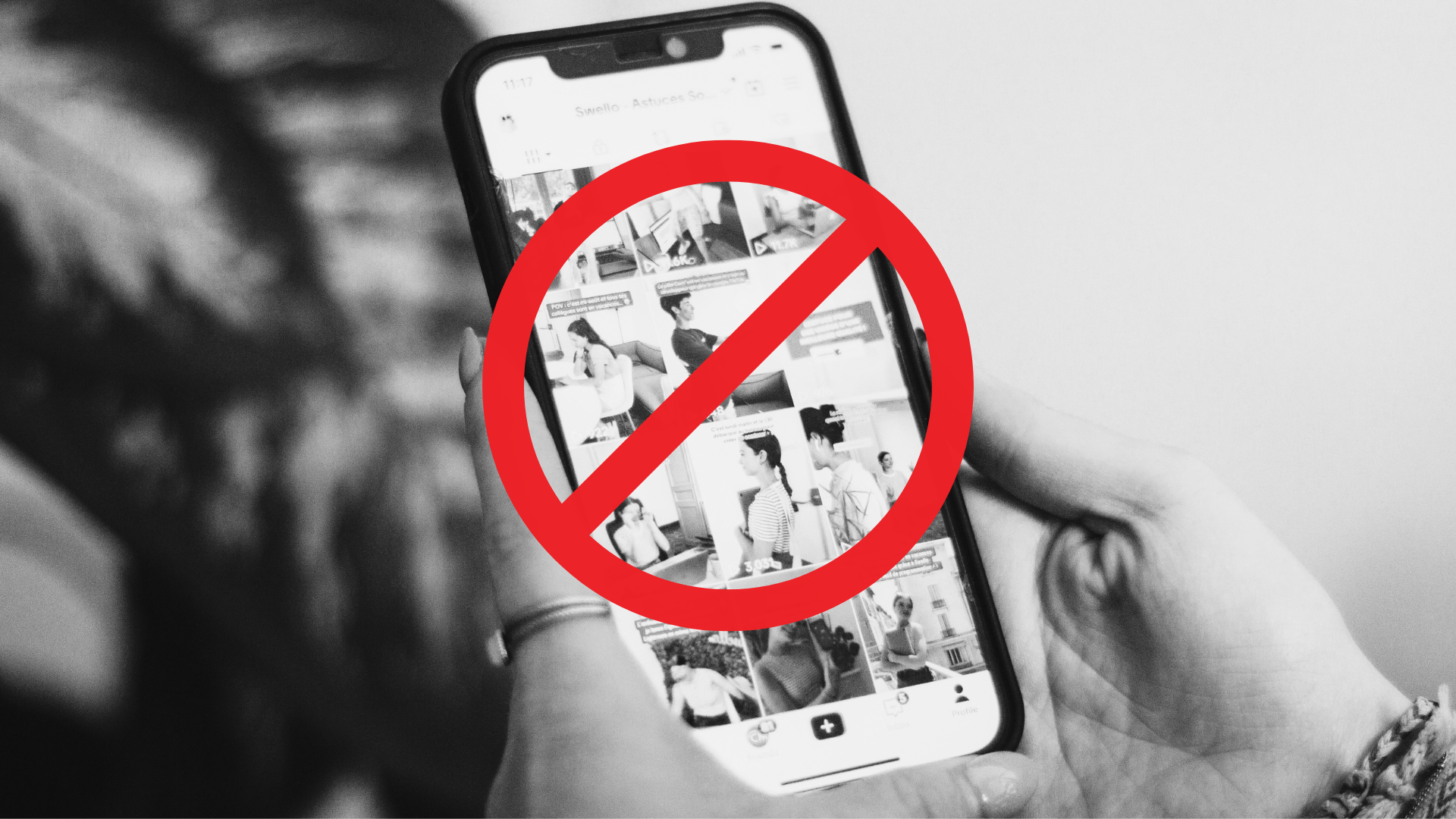
Proposed restrictions on short-form video feeds for minors could curtail children’s access to information and other digital rights without necessarily shielding them from online harm, digital creators and child rights advocates said.
In separate interviews with PhilSTAR Tech, the advocates said lawmakers should focus on harmful content and platform accountability instead of restricting a format also used by young people for education, communication and expression.
The House of Representatives is considering the proposed Children’s Social Media and Online Gaming Safety Act, which seeks to impose age-based restrictions on minors’ access to social media and online gaming platforms.
The measure would prohibit children below 13 from accessing social media, while those aged 13 to 17 would still be allowed access but face restrictions on features such as short-form video feeds, infinite scrolling, livestreaming and recommendation systems.
‘Banning the format doesn’t eliminate the harm’
Content creator and civic educator Mona Veluz, known online as Mighty Magulang, said restricting access could exclude teenagers from an information ecosystem they increasingly rely on.
“We cannot exclude teens from the information ecosystem at a critical time in their lives when they are forming opinions and positions that will help them decide the kind of adults they will become,” Veluz said.
Instead of regulating who can consume information, Veluz said platforms could be required to act quickly on violations of their community standards, while the government could establish escalation mechanisms for content that platforms fail to remove.
Journalist and digital creator Jacque Manabat said young users are also likely to find ways around the restrictions.
“A blanket ban risks cutting off their access to verified news and educational content,” Manabat said.
“Banning the format doesn’t eliminate the harm. I think it would drive consumption underground,” she added.
Manabat said parents and guardians could only do so much and called for media literacy and digital etiquette to be taught early.
She also urged platforms to adopt safer designs for younger users.
How the proposal took shape
The proposed restrictions emerged from more than 40 measures filed in the House dealing with children’s online safety, social media access, age verification, online gaming and digital addiction.
The bills contained varying approaches, including proposals seeking to bar social media access for children below 13, 15 or 18, before they were consolidated into a substitute measure by the House Committee on the Welfare of Children in September.
The debate gained urgency following school shootings involving minors this year, including an incident in Zamboanga City in August in which a Grade 8 student livestreamed a fatal shooting before killing himself.
Proposals seeking stronger safeguards for children online, however, had already been filed before the incident.
The consolidated measure ultimately moved away from some of the broader restrictions initially proposed, allowing those aged 13 to 17 to remain on social media while limiting access to certain features.
Protect, but don’t exclude
The Child Rights Network (CRN) welcomed the House proposal’s shift away from a blanket social media ban but raised concerns over restrictions on short-form videos and the requirement for parental consent.
In a statement, CRN said short-form videos are also used by young people for learning, accessing information, expressing ideas and participating in advocacy.
“The problem is harmful content, not the format,” the network said.
Angelica Reyes, the Philippine Legislators’ Committee on Population and Development’s representative to CRN, said regulation should instead be evidence-based and targeted at the harms lawmakers intend to prevent.
“We cannot simply import policies from other countries without asking whether they actually work,” Reyes told PhilSTAR Tech.
CRN cited Australia’s restrictions, saying around seven in 10 children were still able to access age-restricted platforms, while around one in three were helped by adults to circumvent the restrictions.
Reyes said children consulted by CRN across the Philippines recognized the risks they face online but also considered digital spaces important for learning, information, expression and connecting with their peers.
“Children are not saying, ‘Leave us unprotected.’ They are saying: ‘Protect us, but don’t exclude us,’” Reyes said.
CRN urged lawmakers to pursue stronger safeguards, platform accountability and digital literacy while preserving children’s ability to participate online.
