


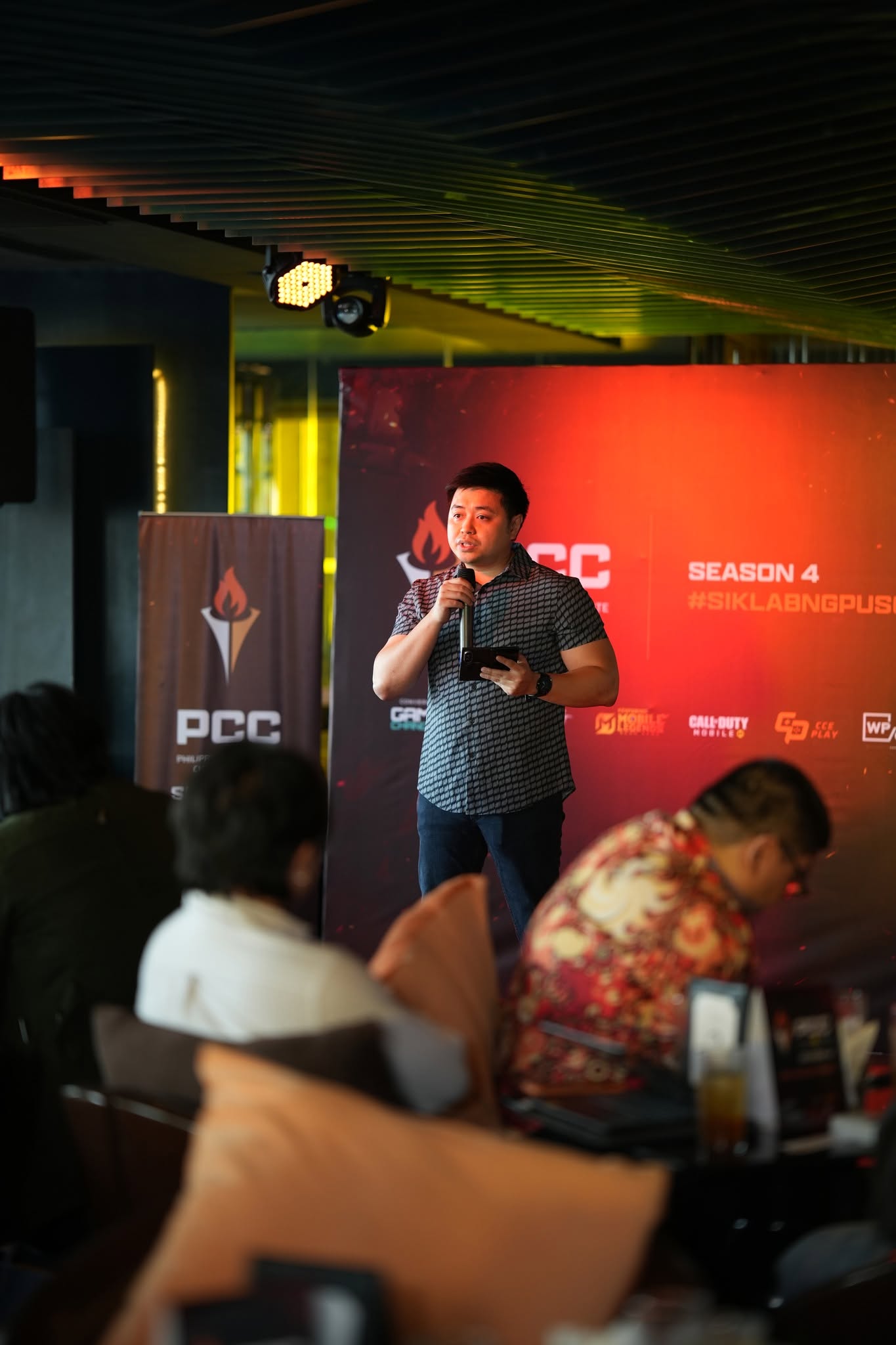
Before global brands sponsored video game formats, regional esports began in local cyber cafes. For Benson Te, entry into this world arrived alongside his finance degree from the University of Santo Tomas.
His finance training provided an analytical framework that contrasted with the early, disorganized gaming infrastructure. Following a residency at Citibank, Te led a double life.
He navigated institutional capital by day and managed grassroots tournament brackets by night. Ultimately, the predictability of banking failed to keep pace with the dynamism of digital networks.
This crucial decision forced him to choose the more unpredictable path of digital entertainment. This convergence of discipline and passion is exactly how Te’s innovative blueprint began to take shape.
Now co-founding WP Gaming and overseeing the Philippine Collegiate Championship (PCC) and the CCEPlay platform, Te applies a decade of experience to establish business infrastructure. His shift from managing events to building commercial structures provides a definitive roadmap for the nation’s esports industry.
Decoding the Corporate Disconnect
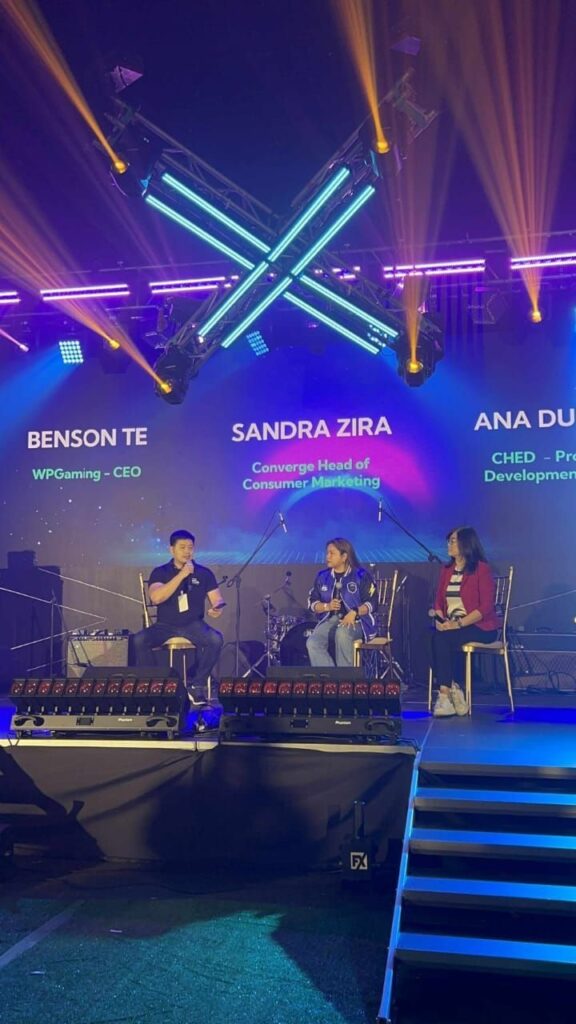
One of Te’s main contributions to the commercialization of regional esports is his dismantling of the traditional corporate pitching model. Throughout his tenure executing brand partnerships, Te observed a disconnect between how gaming networks pitched value and how managers evaluated ROI.
“The problem with this industry has always been structured capital and sales. A lot of endemic gaming organizations don’t understand how traditional brand managers think or how corporate KPIs operate,” Te said.
Historically, agencies approached brands with blunt audience metrics, expecting immediate capital allocation. Te flipped this methodology, prioritizing brand education over aggressive commercial acquisition through specialized initiatives like WP Connect.
“We combined on what’s the common language, and what could be the easier terms… that everyone can understand,” he said.
“We designed workshops specifically to show institutional brand managers that their capital could be diversified into sustainable league formats and enterprise events rather than transient influencer campaigns,” he added.
By shifting the dialogue from vanity metrics to consumer behavior, Te successfully unlocked major advertising pipelines. These pipelines came from conservative, non-endemic multinational brands across consumer goods, telecommunications, and digital services.
The Evolution of the Marketplace
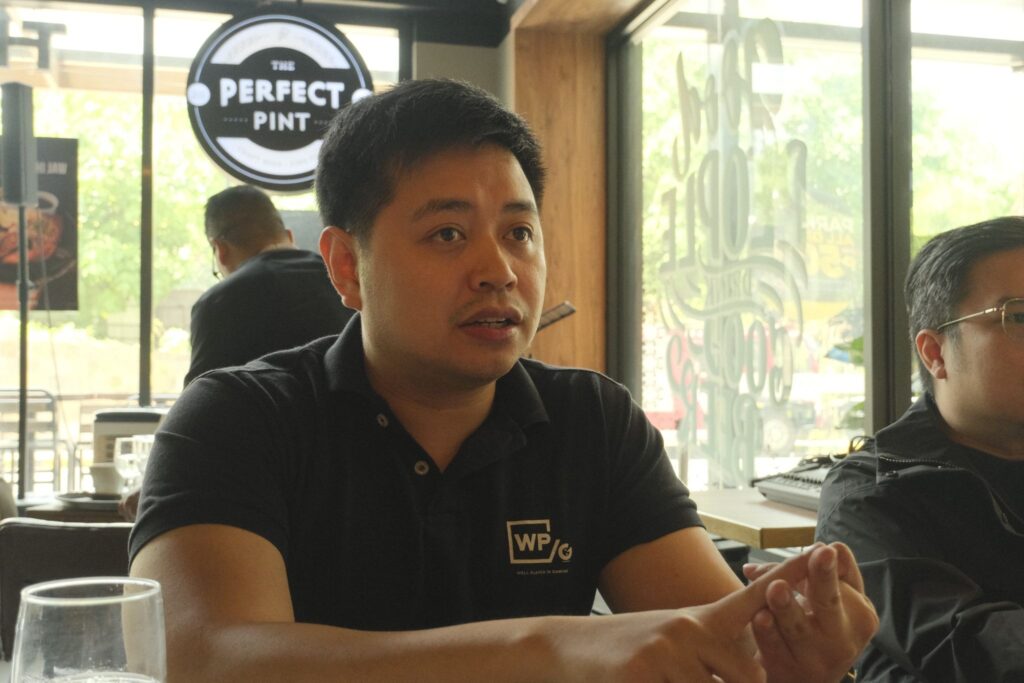
As consumer behavior settles into a distinct stabilization period following the pandemic, Te is proactively pivoting WP Gaming’s macro strategy. The industry is currently undergoing a structural correction, returning from inflated pandemic-era valuations to objective market baselines.
Te envisions an agency model that looks beyond traditional, gaming-native constraints. By anticipating that the modern consumer demands shared-interest spaces, Te is steering corporate focus toward an expansive, youth-culture-led commercial framework.
This new direction intentionally integrates competitive sports, regional music culture, and modern lifestyle entertainment under a singular commercial umbrella. This macro approach is specifically engineered to address the long-term customer-acquisition challenges faced by traditional heritage brands.
“We are actively transitioning our business development model from being strictly a gaming-native marketing firm into a comprehensive youth culture agency,” he said.
It establishes early brand equity within preferred cultural ecosystems, ensuring top-of-mind dominance when youth reach financial maturity.
“This means intentionally integrating competitive sports, regional music culture, and modern lifestyle entertainment under a singular commercial umbrella,” he added.
The Blueprint Ahead
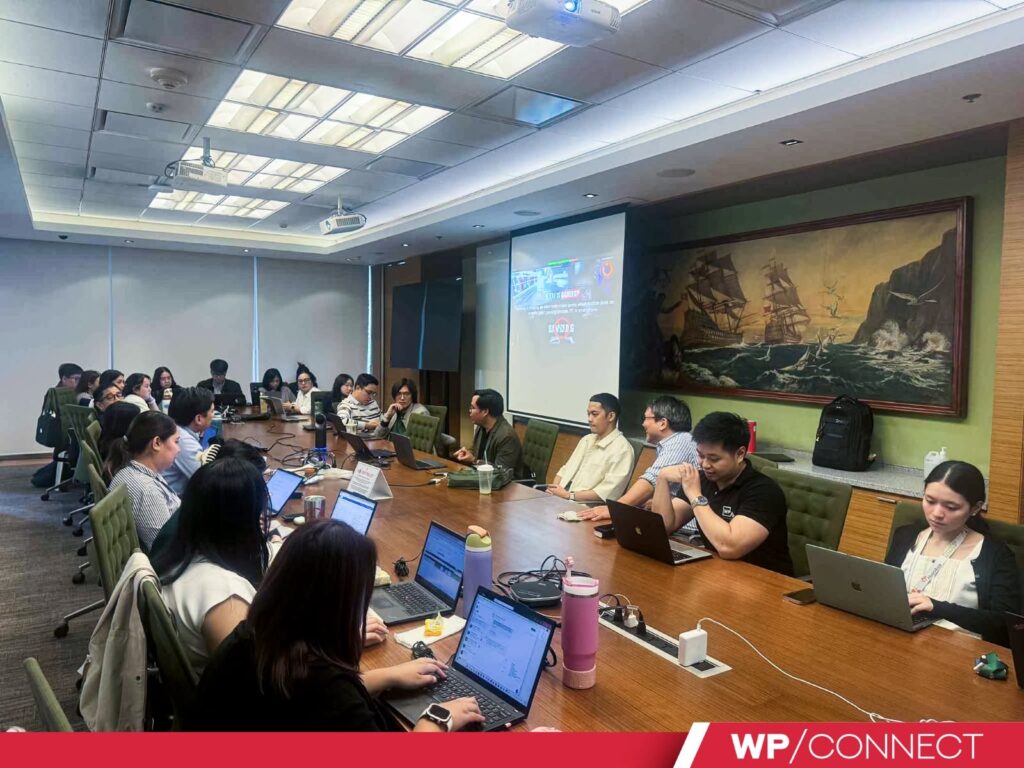
For Te, true industry sustainability is achieved by building robust grassroots networks that bridge institutional education with professional development. This philosophy underpins the formation of the Philippine Collegiate Championship (PCC), its pillars, and the structural overhaul of the Collegiate Center for Esports (CCE) into CCEPlay.
The Philippine Collegiate Championship (PCC) is the main program, structured around four distinct pillars.
These pillars include the core PCC esports tournament series, a physical Campus Roadshow program, the Next Gen cultural exchange program for deserving students, and the Campus Playfest, a massive year-end event highlighting communities, shared passions, and collective youth interests.
Concurrently, Te re-engineered the community aspect of CCE into CCEPlay, a gamified engagement engine focused on connecting communities with brand campaigns, events, and media. CCEPlay drives audience engagement through specific digital products, starting with branded quests that users can complete for tangible rewards.
It features a Community section where users can create customized community-interest pages for their student organization, school, or personal hobbies, directly boosting peer-to-peer interaction.
Additionally, the platform anchors the Campus Rally event, a model that allows communities to participate and quickly grow their active numbers to top the leaderboards for rewards. Finally, Te revealed that the team is working on a Marketplace platform within the CCEPlay website to round out the ecosystem.
As the lines separating competitive gaming, lifestyle media, and community spaces continue to blur across Southeast Asia, Te’s deliberate focus on rigorous brand education, authentic integration of youth culture, and grounded institutional development offers a blueprint for the future of the regional marketplace.
