


AI has recently been at the forefront of many controversies since its rise in the past few years.
From the looming threat that AI poses to many jobs worldwide, to the recorded environmental damage that the United Nations has already acknowledged.
So, what did AI do this time?…
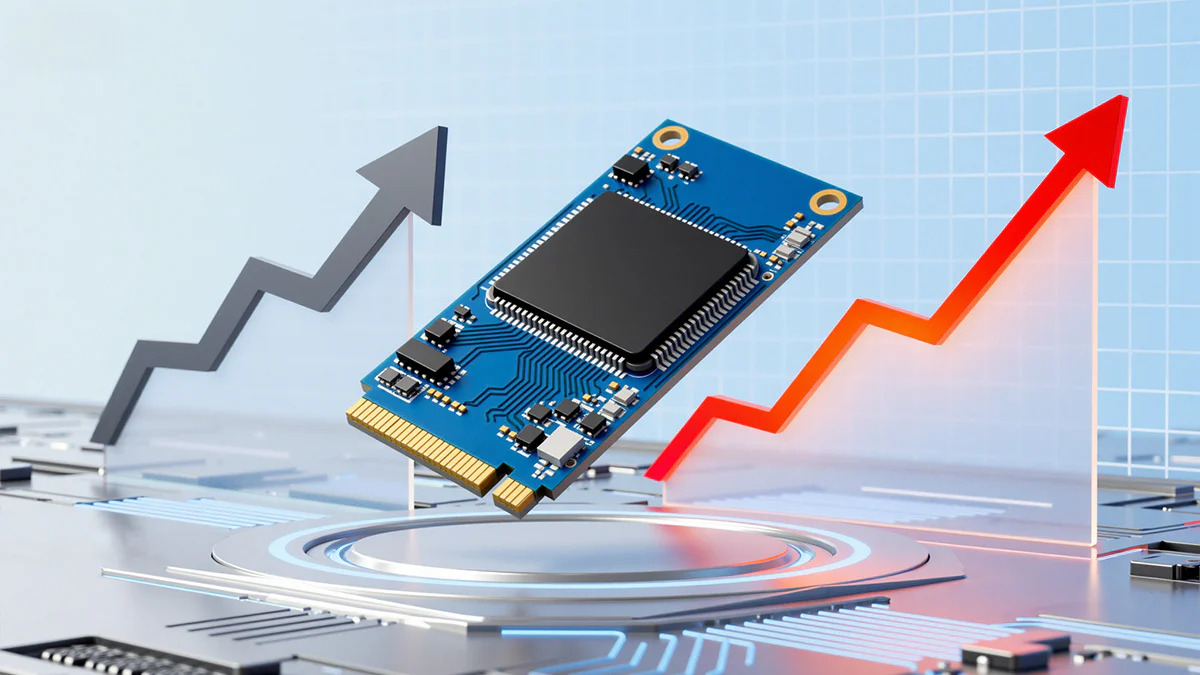
Last month, the AI rush led to a massive surge in demand for computing hardware, particularly Dynamic Random Access Memory (DRAM) components, including RAM sticks, SSDs, and onboard video memory used for playing video games.
Due to this demand, memory supplies are being depleted as their dwindling supplies are being relegated to AI data centers owned by tech giants. This surge in demand has led DRAM to outpace the price increases of gold this year, with current market predictions indicating that the shortage is expected to worsen next year.
As memory companies prioritize contracts for their massive AI data centers, how does this impact the regular consumer?
This shortage urges those who want to buy or upgrade their PC parts to do so urgently, as the market may become unreasonable over the coming weeks. According to a Reuters report, Samsung has already begun to increase its prices by 60%, prompting consumers to start panic-buying.
For Filipinos, if you want your PC to be ready by the time your Christmas vacation rolls around, it’s much better to buy RAM and storage now while the market is still at bay.
It’s already hard to save up when it comes to buying a gaming PC, or even a regular PC at that, as it took me years to save up to buy for mine, but somewhere around the world, there’s one consumer looking to complete his PC build to play the latest games, but he eventually had to pause the completion of his build due to the current RAM pricing situation.
With the RAM shortage unlikely to end anytime soon, and memory producers enjoying their rise in profits, consumers are forced to sit on the sidelines, waiting for the right time to purchase their dream components with their hard-earned money.
But the bottom line is… Big AI companies do not really care for the average consumer as long as people still adhere to their subscription services (I’m looking at you ChatGPT Plus), and other companies buy their APIs and investor funding, regular consumers are mere victims caught in the crossfire when big tech gets greedy.
The memory-chip crunch is forcing component costs up sharply, and many manufacturers indicate that these higher costs will likely translate into pricier phones next year.
If you’re curious about how this fits into this larger shift, and why 2025 might be one of the last chances to snag a “true flagship” at a modest price, I encourage you to read the full review of the new POCO phone here.
