


Growing up with asthma, running always felt like something out of reach, so I’ve never been the type to chase the post-pandemic Strava craze. I stuck to watching my homebody friends convene outside the gym territory and onto the streets to map their miles in a silent clamor for more walkable spaces in the country.
It changed for a bit when a friend gifted me my first Xiaomi Band, and we started jogging around our old office circuit after work with my inhaler in hand. Though it wasn’t much, the coveted wearable was enough to hook me into the idea of “movement” and help me trace my steps toward better metabolic health. I’m still not part of the running club, but I run when there’s a purpose beyond just legwork.
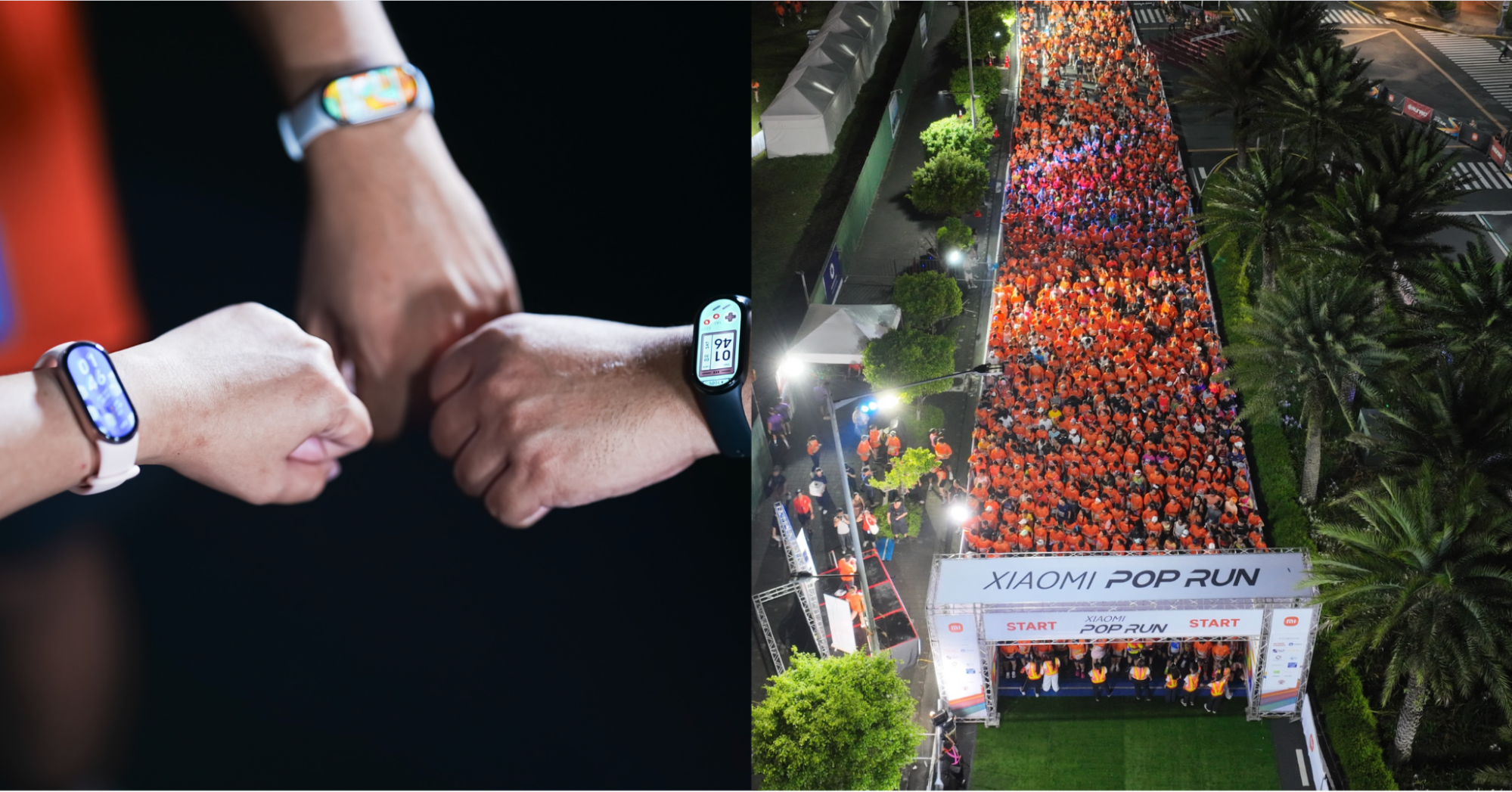
Years later, I began ditching the sidelines and joining the 5K categories of Xiaomi Pop Run, an annual celebration of fitness and technology. My first was in 2023, I skipped 2024, and now I’m back in 2025.

This year, the event drew 3,500 runners to Filinvest City, Alabang, from casual fitness enthusiasts just hoping to complete the course to athletes chasing podium finishes.

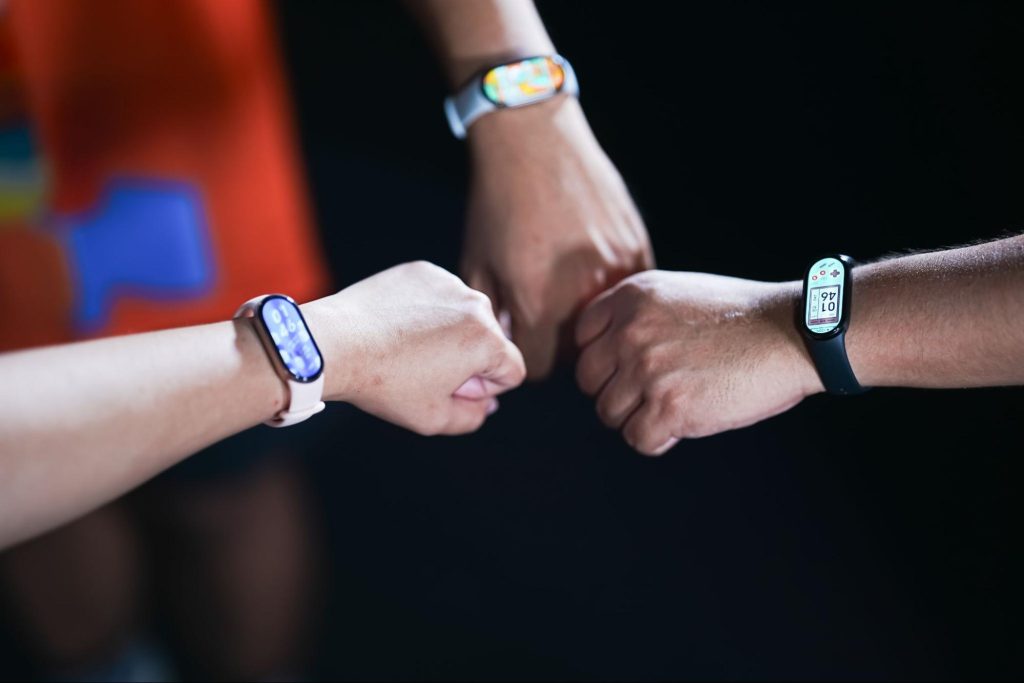
As a tradition, the Pop Run doubled as the official launch of the Xiaomi Smart Band 10, a sleek new version of the smartwatch that started my strides. It was both stylish and practical, and I got the chance to try it firsthand.
Here’s what I noticed:
Plenty of modes, maybe too many
The band boasts over 150 sports modes, from the obvious (running, cycling, swimming) to the oddly specific (things I probably won’t ever try). For a casual runner, it felt like overkill. It did the basics well, like tracking my pace, distance, and heart rate, and I didn’t have to fiddle with it mid-race, which was all I wanted.
Battery life that promises a lot
The claim of up to 21 days on a single charge sounds almost too good. I haven’t worn it that long yet, but when I left it on overnight to test the sleep tracking before the XPR 2025, the battery barely dipped. If it holds up, that’s a real win, especially compared to wearables that beg for a charger every night.
Comfort and design
It’s thin and light, which meant I barely noticed it once I started moving. The straps are swappable, and unlike chunkier smartwatches, it doesn’t scream “fitness gadget” if you wear it out to lunch.
Tracking that pushes you
The most surprisingly motivating part was the live stat updates. When my legs were already complaining, watching the numbers tick upward gave me the nudge to keep going.
Where it falls short
The sheer number of sports modes feels like padding, and if you’re obsessed about data, the metrics may not be as deep as what higher-end running watches offer. The screen is bright but not as large as some competitors. And while the band tracks sleep and recovery, I’m still on the fence about how accurate those numbers are since my “deep sleep” doesn’t always line up with how I feel in the morning.
Verdict

After a 5K, I wouldn’t say the Smart Band 10 transforms you into a runner. Like my first year of discovering the gadget, what it does is make walking or just getting through the day feel a little more measured and a little more rewarding. It’s affordable, easy to wear, and it doesn’t get in the way. For someone like me, who’s not out to chase personal bests but wants a small push to keep going, that’s enough.
There are winners, but XPR has an atmosphere that promises community, not competition. There were no cynics in the area, and everyone felt free to walk and catch their breath or smile for the camera when the mark was crossed. In the early days, a lot of runners felt a bit self-conscious when they started hitting the streets in the middle of the day as opposed to early-morning jogs, or that was is easier to find a sustainable workout indoors. Now, we are all just having fun.
There was a clear message that as long as you’re moving, you’re already on your way to a more active lifestyle. And the Xiaomi Smart Band 10 enabled that by reminding you that every step counts.
