Technology in schools works best when teachers are able to maximize it in their lessons, according to Apple, which sees training as an important part of bringing devices into Philippine classrooms.
This is especially important outside major cities, where schools may have limited access to computers, tablets, reliable internet, and technical support. Even when devices are available, teachers still need training and practical ideas for using them with students.
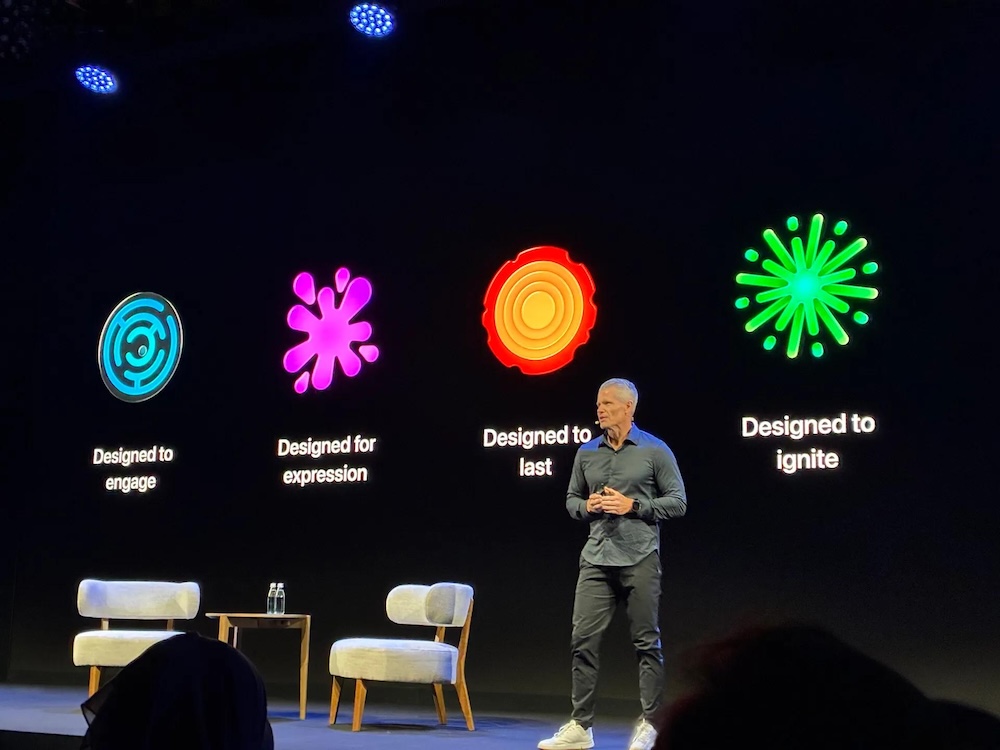
“Ensuring educators have the training and confidence to effectively integrate technology into their teaching practice is key to Apple when bringing technology into classrooms,” said Dominic Liechti, senior director of Product Marketing at Apple.
The company offers free programs for educators, including Apple Teacher and Apple Learning Coach. Apple Teacher covers basic skills for using Apple products in education. Apple Learning Coach trains teachers to guide their colleagues, allowing schools to develop their own pool of instructors for digital learning.
Teachers can also join the Apple Education Community, an online network with more than 1 million members worldwide. Filipino educators may use its forum to exchange ideas, learn from teachers in other countries, and publish lesson plans for iPad and Mac based on the Department of Education curriculum.
Training, however, addresses only part of the problem. Not every student has a personal device, particularly in public schools and communities outside major urban areas.
Liechti said schools could begin with shared devices that students borrow for specific classes or activities. This offers an alternative for schools that cannot immediately afford to provide one device for every student.
Then there is cost, which remains a major hurdle especially in public schools. Apple said schools should consider not only the purchase price but also how long devices can be used, the cost of maintaining them, and whether they will retain some value when replaced.
“Technology for learning should be a smart investment for the long term, delivering value well beyond the initial purchase,” Liechti said.
Schools may also explore financing options offered by Apple resellers. However, the cost of the devices, supporting equipment, connectivity, and teacher training will remain important considerations, particularly for public schools with limited budgets.
To address a challenging internet connection, Liechti said supported artificial intelligence (AI) models can run directly on devices powered by Apple silicon. This could allow students to use certain AI tools without a constant internet connection, although access would still depend on the equipment and applications available to the school.
Technology can also give students different ways to take part in lessons. Apple devices include accessibility tools for learners with vision, hearing, speech, or mobility needs. They can also support lessons using audio, images, reading, writing, and hands-on activities.
For students interested in coding and app development, Apple runs the Swift Student Challenge. Participants create app projects using Swift, Apple’s programming language. Entries are judged on innovation, creativity, social impact, or inclusivity.
“The Challenge has given thousands of student developers the opportunity to showcase their creativity and coding capabilities through app playgrounds, and learn real-world skills that they can take into their careers and beyond,” Liechti said.
