


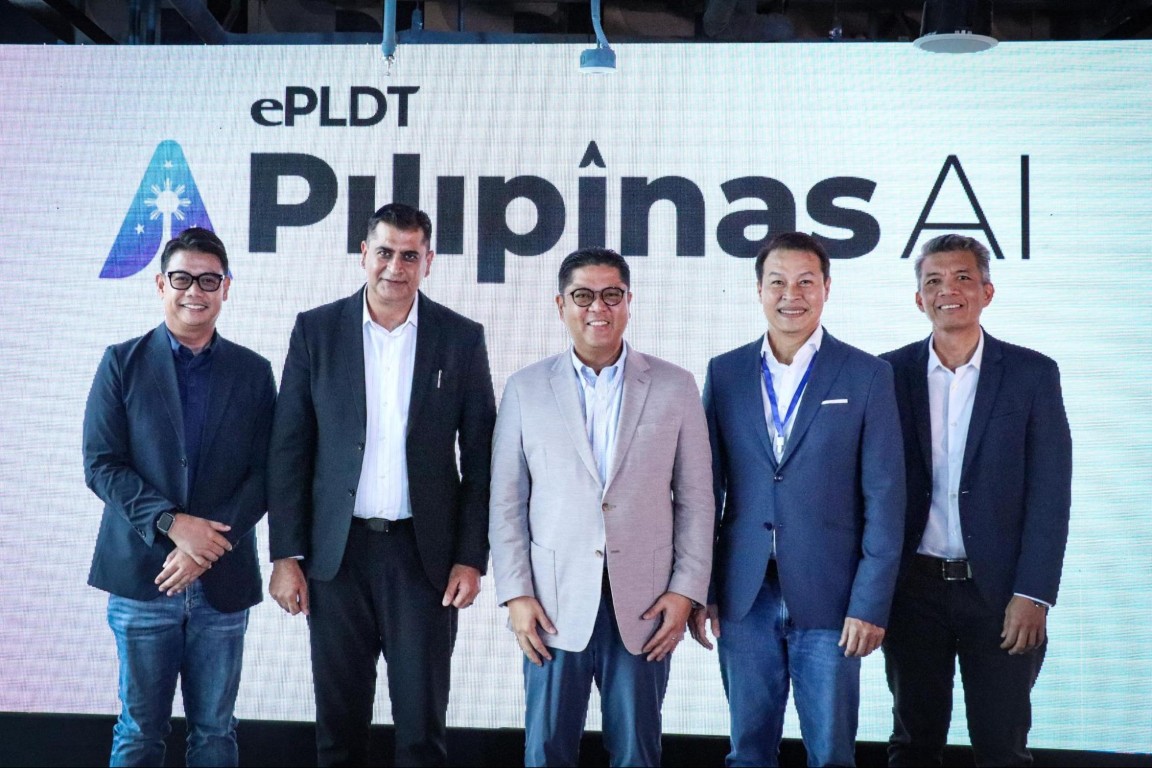
The Philippines takes a defining step toward a truly digital economy with the launch of “Pilipinas AI,” the country’s first sovereign AI solutions stack developed by ePLDT, the ICT arm of the PLDT Group, in partnership with Dell Technologies and Katonic AI.
Building on ePLDT’s earlier rollout of GPU-as-a-Service, which gave local enterprises access to high-performance computing through NVIDIA-powered servers, Pilipinas AI evolves this capability into a fully integrated platform. It combines GPU management with an AI orchestration layer, enabling Philippine enterprises to accelerate AI adoption and innovation at scale.
“AI only works as well as the systems that support it,” said Victor S. Genuino, President and CEO of ePLDT. “Through this partnership, we’re making sure that Filipino enterprises don’t just use AI, they’re equipped to use it responsibly, efficiently, and at scale.”
In just a few years, artificial intelligence has gone from a distant concept to a driving force in how Filipinos live and work. BPO firms now rely on AI-driven analytics to refine customer experience, while small online sellers on TikTok Shop turn to generative AI to write product descriptions or create visual designs. Even the friendly voice at the other end of a service call might no longer be human, but an AI trained to understand and respond naturally.
Filipino creativity and adaptability have been key to this rapid transformation, but the underlying systems that make AI work, particularly cloud infrastructure, remain uneven. Pilipinas AI aims to close that gap by providing the foundation for an ecosystem where local innovation can thrive and compete on a global scale.
Building the infrastructure behind AI
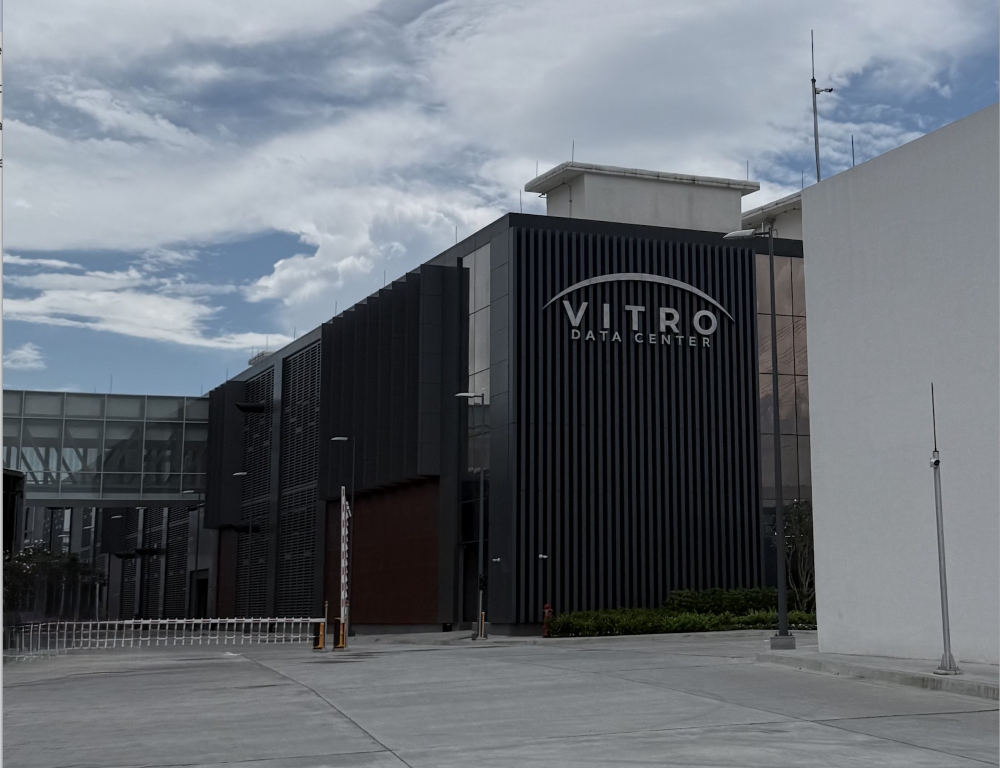
Each partner brings a critical piece to the puzzle. ePLDT anchors the initiative with local infrastructure and compliance expertise, reinforced by VITRO Sta. Rosa, the Philippines’ first AI-ready hyperscale data center designed for up to 4,500 racks and built to handle AI-grade power densities. Dell Technologies supplies the hardware backbone to power GPU workloads efficiently and securely, while Katonic AI provides the orchestration platform that simplifies how organizations deploy and scale their AI models.
What sets Pilipinas AI apart is its homegrown foundation. By ensuring that data and workloads remain within national borders, it strengthens digital sovereignty, reduces latency, and improves performance for enterprises and government agencies alike. Today’s data is as valuable as it is exposed, and this commitment to sovereignty represents a significant step forward in the country’s digital resilience.
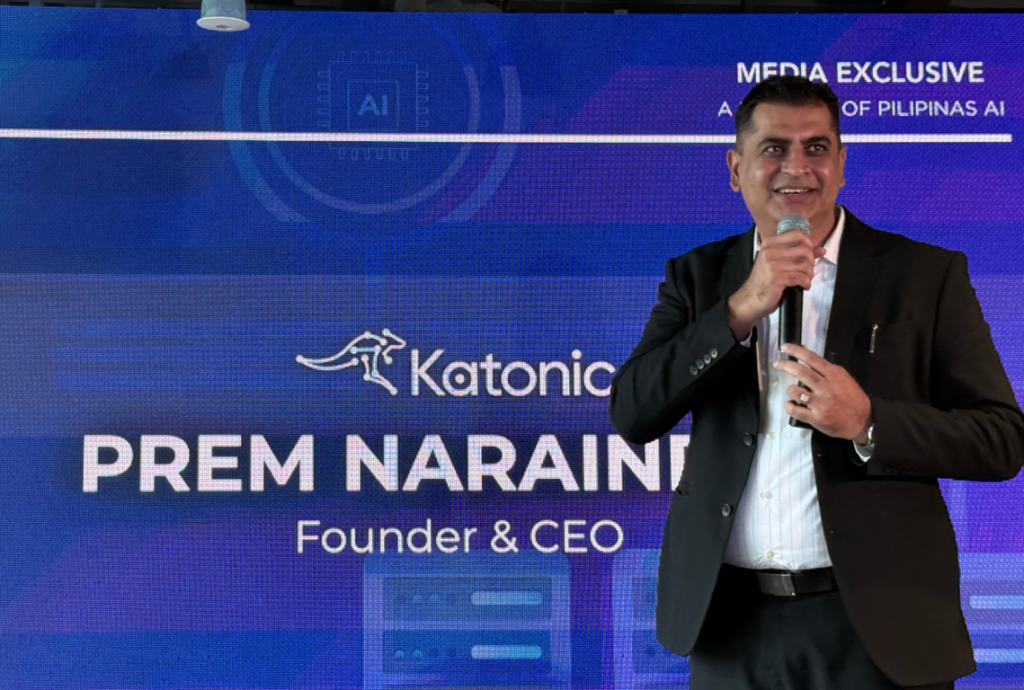
“Many countries want to use AI, but very few have the infrastructure or policy readiness to host it locally,” said Prem Naraindas, CEO of Katonic AI. “This move by ePLDT is rare and bold. It’s the kind of thinking that defines technological sovereignty.”
The promise in practice
At the launch, Jemareel “Amil” Azurin, Chief Commercial Officer of ePLDT, unveiled several exciting AI use cases that anchor the company’s vision for Pilipinas AI, showcasing how the technology can drive impact across industries.
One of the standout examples was AI-driven CX performance and quality management, designed for PLDT and Smart. By analyzing every customer call and scoring key metrics in real time, the AI platform delivers unbiased insights that allow teams to resolve issues faster and maintain consistent service quality, all grounded in genuine customer feedback.
Another focus area was AI for smarter infrastructure and urban growth, which tackles one of the country’s persistent challenges: outdated, manual urban planning. Through real-time monitoring and data-driven planning tools, AI can help cities track infrastructure health, prioritise repairs, and enhance public safety. The InfraSight PH dashboard, for instance, provides a live overview of road and bridge conditions, helping ensure proactive maintenance and faster response.
Azurin also highlighted how AI can build resilient and sustainable communities, with predictive models that strengthen disaster response and tools that optimise agricultural productivity. From forecasting hazards to managing food supply chains, these solutions not only protect lives but also secure long-term sustainability.
With more use cases in the works, from improving transport systems to enhancing public safety and healthcare, Pilipinas AI is just getting started. Yet each initiative points to the same larger vision of a country where intelligence drives progress across both business and society.
