


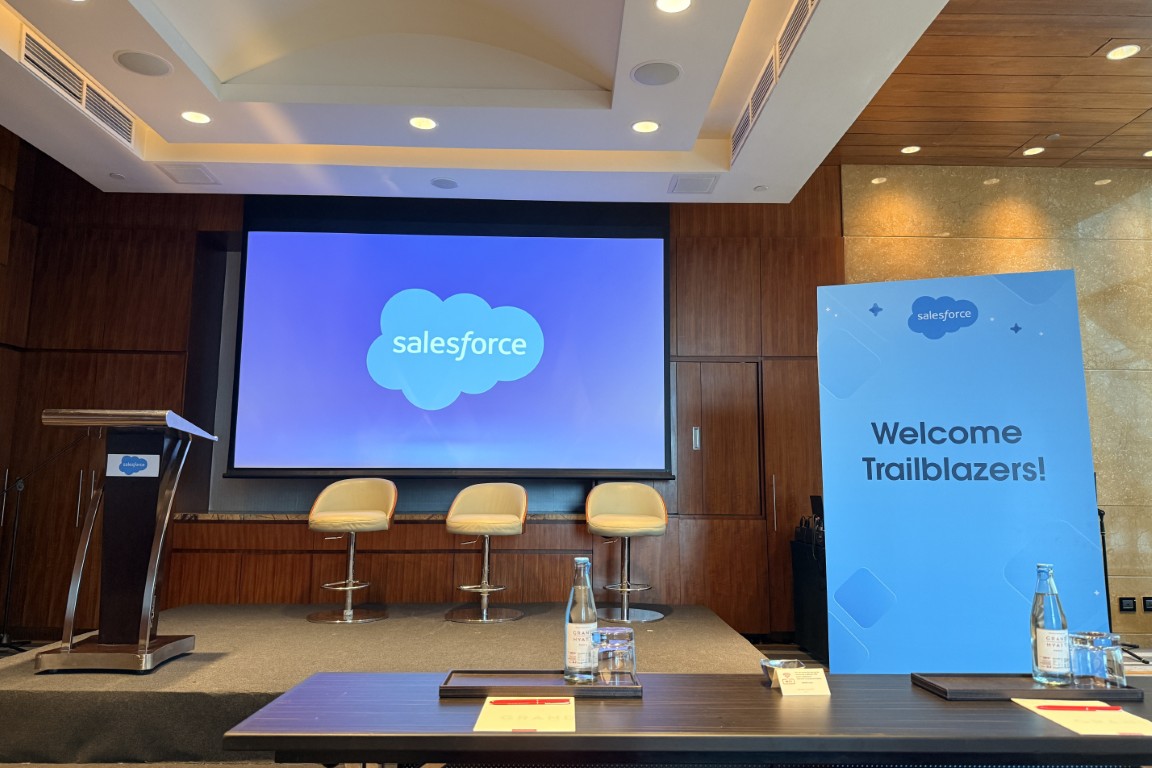
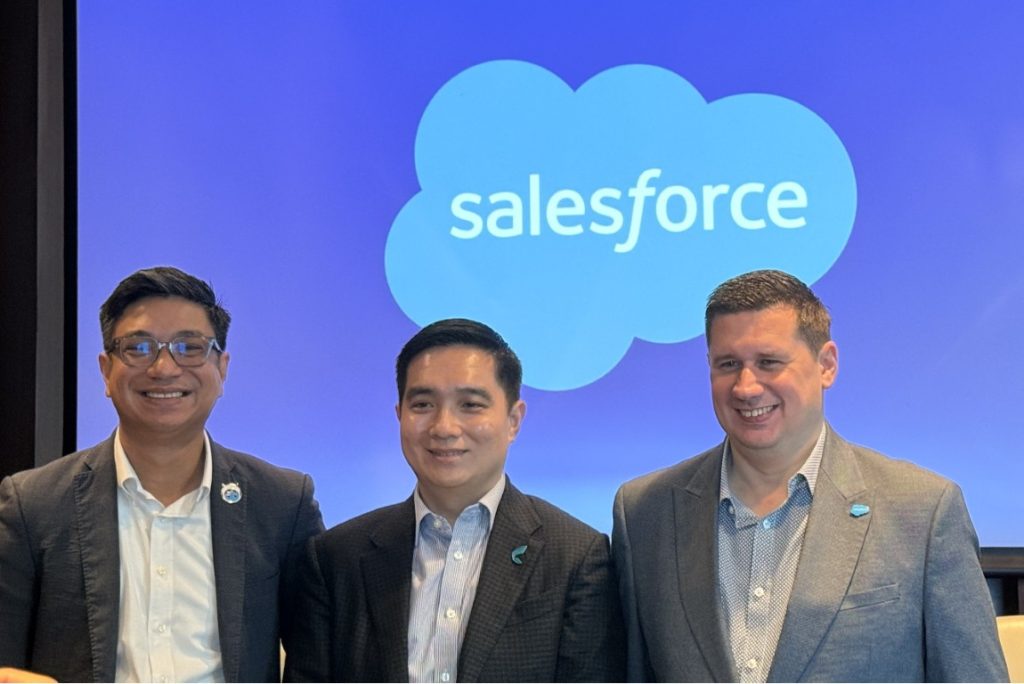
Salesforce has formally launched its Philippine entity, marking a major milestone for the global CRM and AI leader as it expands its footprint in one of Southeast Asia’s fastest-growing digital economies.
Executives from Salesforce, the Department of Trade and Industry (DTI), and Converge ICT came together for a media briefing where they outlined the company’s local strategy, its newest AI innovations, and what it sees as the next frontier for Philippine enterprises.
A strategic expansion and a vote of confidence in Filipino talent
Abraham Cuevas, Salesforce Regional Vice President and Country Manager for the Philippines, announced that the company’s new office at Ayala Triangle Gardens Tower 2 is now fully operational.
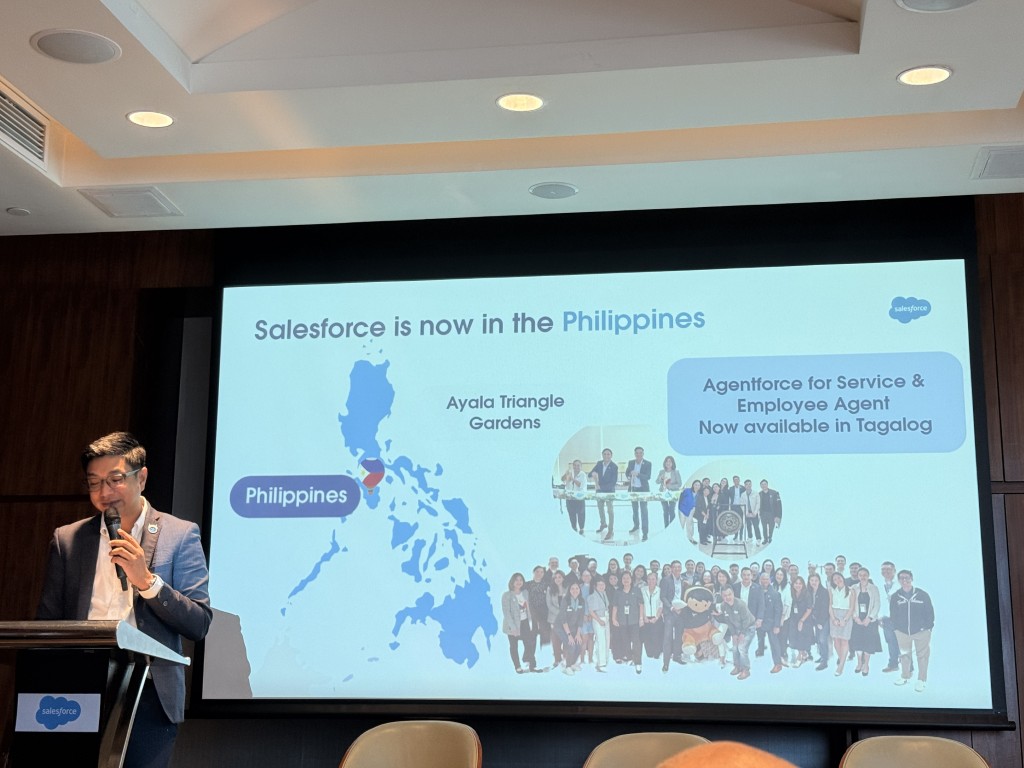
The move, he said, reflects Salesforce’s long-term confidence in the Philippine market and its commitment to helping local companies accelerate their shift toward what it calls the agentic enterprise, organizations powered by AI agents that can analyze data, make decisions, and take action at scale.
Cuevas highlighted Salesforce’s decade-long investment in AI, culminating in Agentforce, its platform of enterprise-grade AI agents. These agents are already being adopted by major Filipino brands across telecommunications, financial services, aviation, insurance, and healthcare.
“Philippine Airlines is using slack and our service platform to streamline ticket refunds and improve satisfaction up to 90%,” Cuevas shared. He also cited PLDT, Smart, Maxicare, and Converge as early adopters of AI-driven transformation.
Salesforce also announced a commitment to train 12,000 Filipino workers in CRM and AI skills over the next five years, expanding on the 53,000 local learners who have already completed Trailhead training through partnerships with universities and community programs.
Government backs Salesforce’s AI push for SMEs
Representing DTI Secretary Cristina A. Roque, Chief of Staff Lilian G. Salonga said the department welcomes Salesforce’s expansion as a strong reinforcement of the government’s digital transformation agenda especially for MSMEs, which account for 99.6% of all registered businesses in the country.
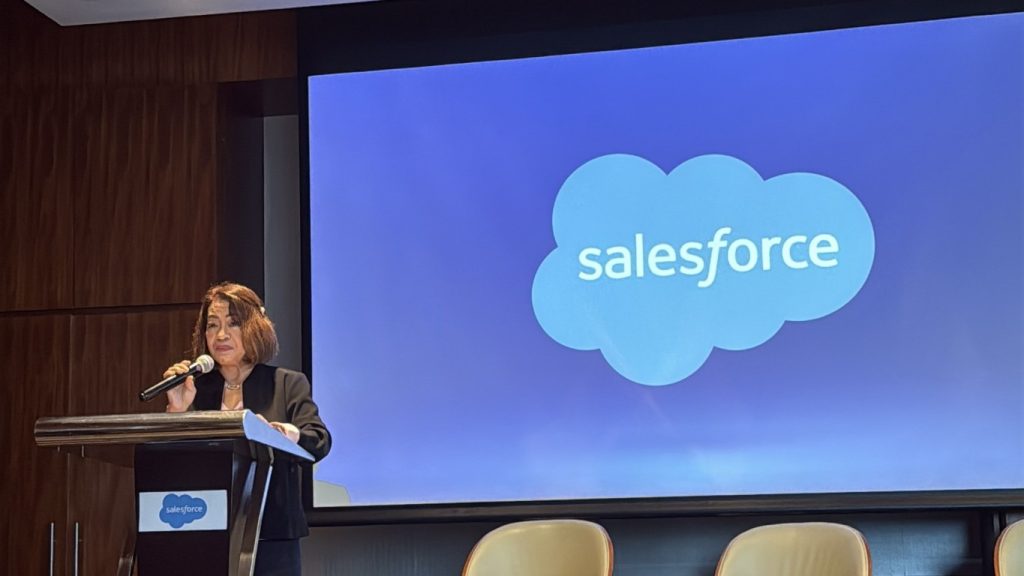
Salonga emphasized that AI can democratize growth even for the smallest entrepreneurs.
“AI can help MSMEs automate simple tasks, understand customers better, and make decisions using real-time insights,” she said. The government is also pushing connectivity initiatives, including the newly passed E-Gov App and Kontra Gutom Act, to ensure digital tools reach underserved communities.
She added that Salesforce could play a key role in upskilling the Filipino workforce, supporting shared services, and even exploring R&D under the CREATE MORE Act and Strategic Investment Priority Plan.
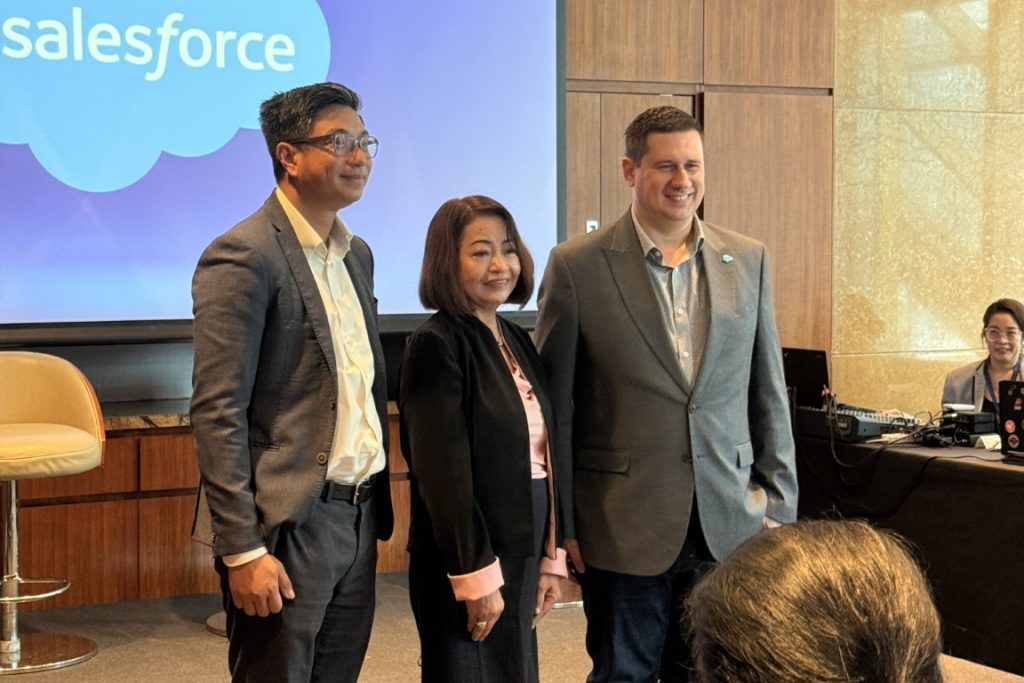
Inside the agentic enterprise: Salesforce’s big bet on AI Agents
Gavin Barfield, VP and CTO for Salesforce ASEAN and former Meralco CIO, noted that AI has reached a “technology revolution” moment comparable to the rise of smartphones or the early internet.
He explained the evolution from predictive AI, to copilots, and now to agentic AI, where autonomous AI agents can collaborate with humans, complete tasks, and take real action rather than merely suggest it.
“This will be one of the most significant technology innovations of our lifetime,” Barfield said. “It will transform how we work, interact, and engage with companies.”
Salesforce unveiled Agentforce 360, its reimagined platform that integrates:
- Enterprise-grade AI agents
- Unified structured and unstructured data through Data 360
- Trusted CRM applications across sales, service, marketing, and commerce
Barfield emphasized that high-quality, trustworthy data is the backbone of any AI deployment and the key to preventing hallucinations, bias, and inaccuracies.
Converge shares real-world learnings from early AI deployment
In a fireside chat, Converge ICT Solutions Chief Executive Advisor Eugene Yeo shared the company’s applied experience with Salesforce AI.
Converge was among the first in the Philippines to deploy a generative AI-powered contact center, using Salesforce’s Einstein platform to help agents analyze conversations, extract insights, and draft responses. The system reduced handling time, improved consistency, and helped onboard new agents more effectively.
But Yeo stressed that AI maturity starts with one thing: data discipline.
“Garbage in, garbage out,” he said. “Companies need a strong data foundation (master data management, governance, real-time ingestion) before agentic AI can succeed.”
He noted that agentic AI will augment, not replace, human workers, similar to how machines reshaped productivity during the Industrial Revolution.
Addressing the barriers: Trust, data, and change management
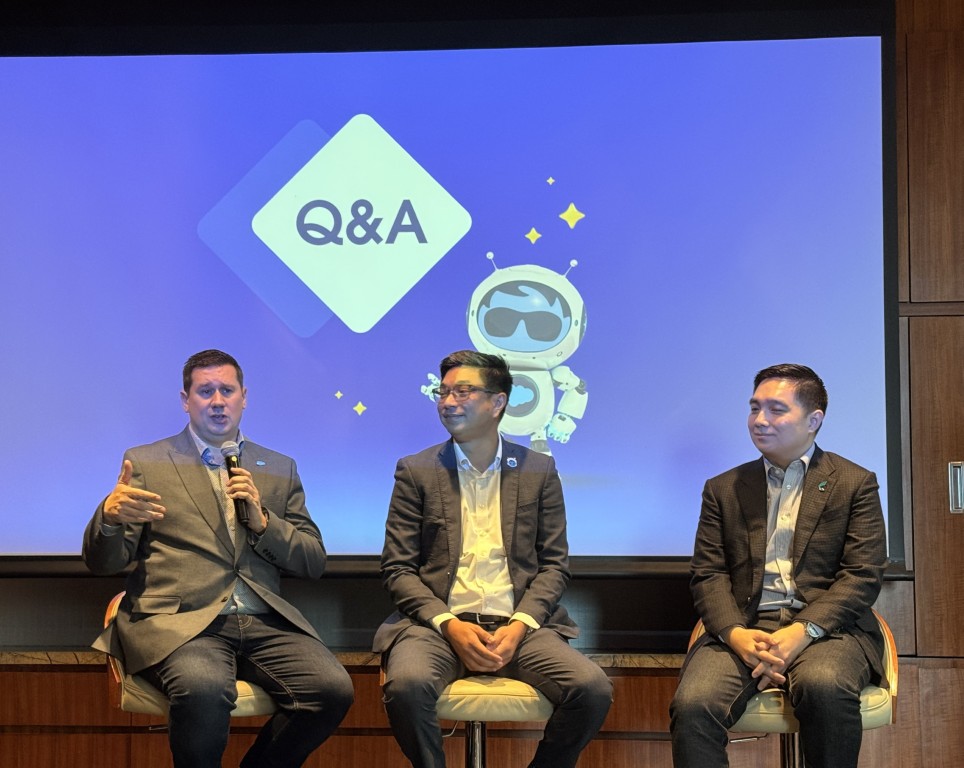
During the open forum, Salesforce executives acknowledged that Filipino companies face obstacles in becoming agentic enterprises:
- fragmented or untrusted data
- lack of AI governance
- security concerns around public AI tools
- leadership hesitation and organizational change
The solution, they said, requires starting small, grounding LLMs on enterprise-trusted data, and gradually enriching data systems over time.
A fast-growing market with regional potential
While Salesforce did not disclose revenue projections, Cuevas said the Philippines is “one of the fastest-growing markets in Southeast Asia,” and the local office will not only support domestic clients but may serve regional markets in the future.
Looking ahead: A shared push toward an AI-ready future
The briefing closed with a shared message: the Philippines is poised to compete globally if government, private sector, and industry partners move together to build an AI-ready workforce and strong digital infrastructure.
Salesforce says the moment is now.
“We’re helping companies transform into agentic enterprises,” Cuevas said. “This is only the start and there is so much more to come.”
