


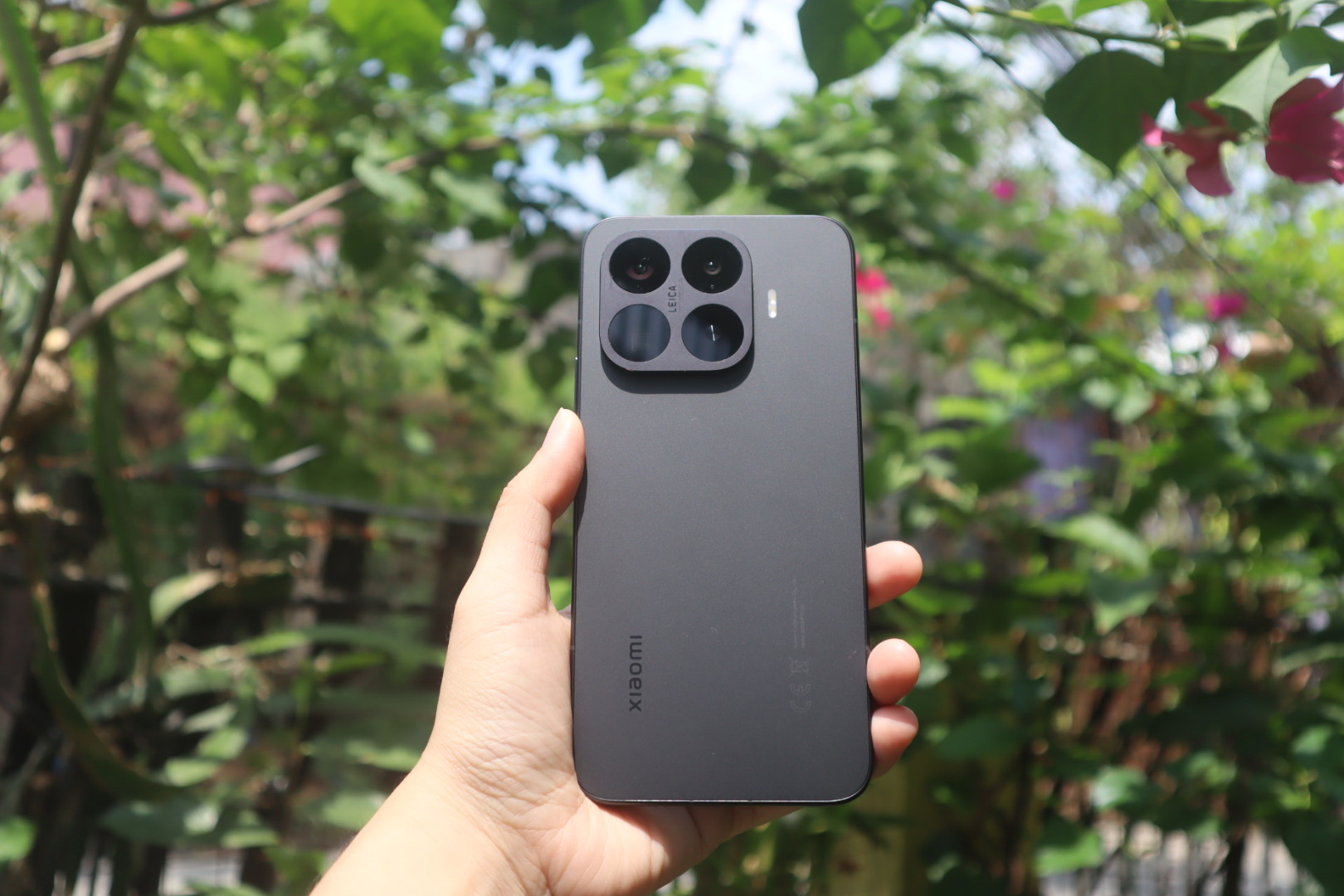
For this review, I wanted to structure the piece around four photos I took with the Xiaomi 17T Pro during my time in Taipei and at a friend’s concert.
The phone’s Leica-powered camera system can be measured through specifications—megapixels, apertures, focal lengths, shutter speeds, and ISO values. Those numbers tell part of the story, but they don’t always explain why a photograph works or what made me stop and press the shutter in the first place.
These four images represent four moments where the camera encouraged me to look a little closer.
97mm: Closing the distance after dark
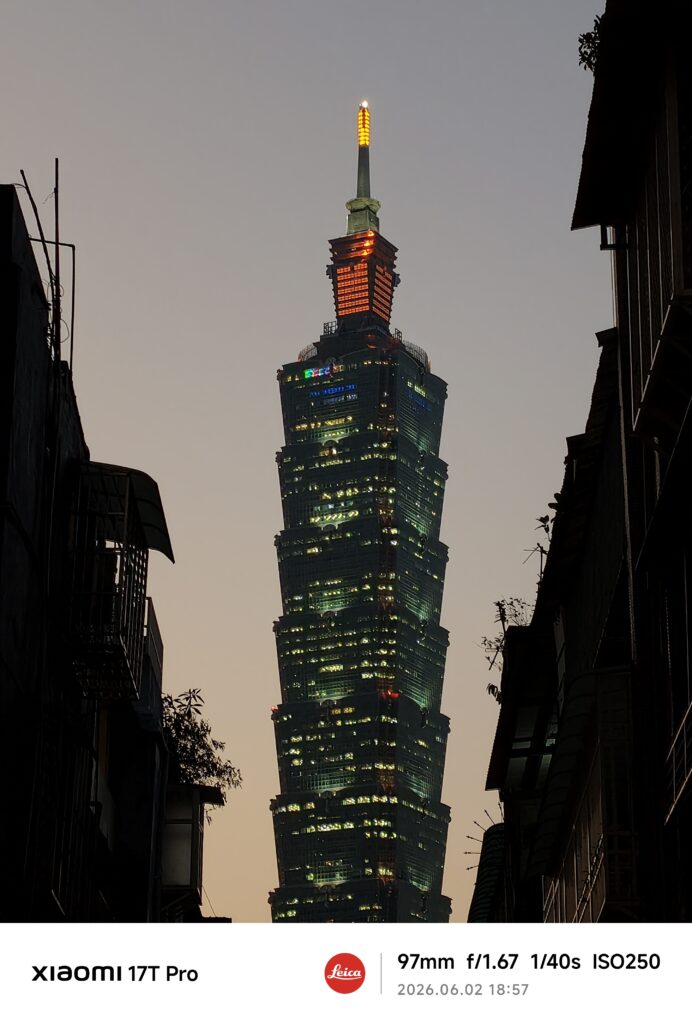
By dusk, Taipei 101 begins to transform. Its illuminated sections emerge against a darkening skyline, creating a scene that demands careful exposure management.
Shot at 97mm, f/1.67, 1/40s, and ISO 250, this scene asks the camera to balance bright highlights, deep shadows, and fading ambient light within a single frame. Despite the more challenging conditions, the tower’s illuminated features remain defined while the surrounding buildings retain their silhouette-like appearance.
The slower shutter speed and higher ISO reflect the changing light, yet the image remains clean and detailed. Rather than aggressively brightening the scene, the Xiaomi 17T Pro preserves the contrast that makes dusk photography compelling in the first place.
107mm: Seeing the architecture
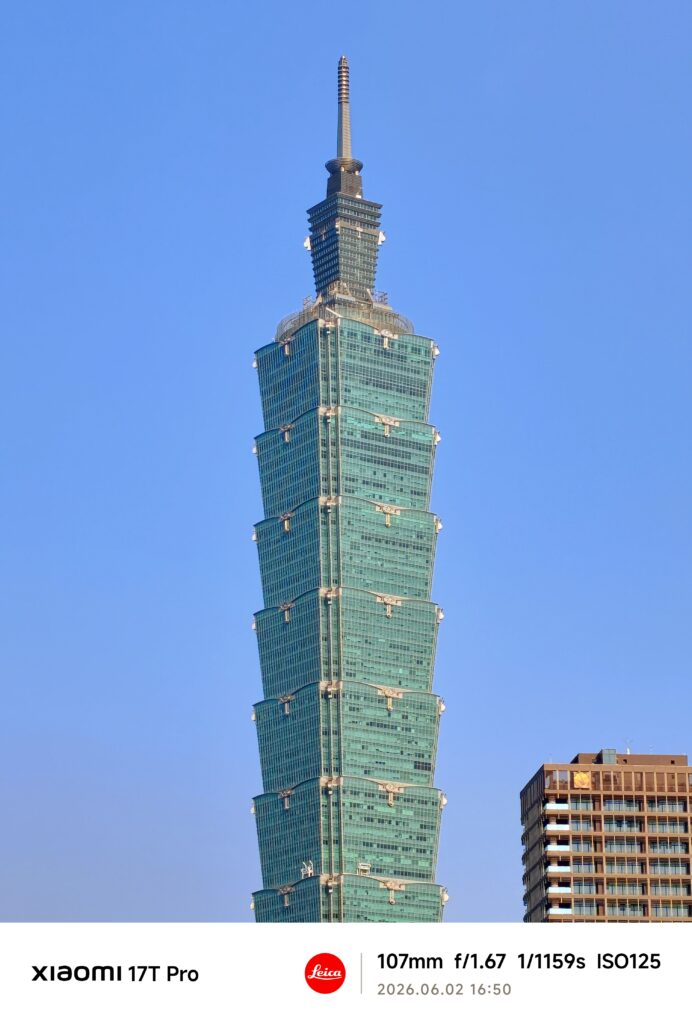
Taipei 101 is one of those landmarks that can easily blend into the skyline from a distance. At 107mm, the Xiaomi 17T Pro narrows its focus, revealing architectural details that are often overlooked when viewed with the naked eye.
Captured at f/1.67, 1/1159s, and ISO 125, the scene benefits from favorable afternoon lighting. The fast shutter speed helps preserve fine details across the building’s façade, while the relatively low ISO keeps noise under control. Individual window patterns, structural supports, and the tower’s distinctive tiered design remain clearly visible throughout the frame.
More than simply enlarging the subject, the tighter framing encourages a closer look at the architecture itself, turning a familiar landmark into the photograph’s sole point of attention.
115mm: Getting closer to the performance

Concert photography is one of the most demanding situations for a smartphone camera. Photographers deal with subjects that are constantly moving and stage lights change by the second.
Taken at the Xiaomi 17T Pro’s native 115mm focal length, this scene was captured at f/3.0, 1/120s, and ISO 160. These settings tell an interesting story. A shutter speed of 1/120s is fast enough to help freeze movement on stage, while the relatively low ISO suggests the camera wasn’t struggling for light despite using a telephoto lens.
Facial expressions remain recognizable, costume textures are preserved, and the bright white outfits avoid being completely blown out by the stage lighting. The camera also maintains a good balance between highlights and shadows, preventing the performers from blending into the darker portions of the stage.
What impressed me most was how the telephoto camera allowed me to isolate the performers without sacrificing the atmosphere of the show. It managed to do so while retaining enough image quality to make the shot feel deliberate rather than heavily processed.
230mm: When the stage feels closer

If the previous image brought me closer to the performance, this one brought me closer to the performer. Using a 230mm-equivalent focal length, the Xiaomi 17T Pro isolates two dancers from the rest of the stage, transforming a wide production into a more personal moment.
What’s remarkable is how little the exposure settings changed. Despite the increased reach, the camera only raised the ISO from 160 to 200. That’s a relatively modest increase, especially considering that telephoto photography typically demands more light and often forces smartphones into significantly higher ISO levels.
The photograph retains detail in the performer’s face and costume while handling the intense pink and purple stage lighting surprisingly well. The vibrant colors remain saturated without overwhelming the image, and fine details such as fabric textures, jewelry, and hair strands remain visible.
For anyone who regularly photographs concerts, stage performances, or live events, this may be one of the strongest arguments for the phone’s camera system.
The image also shows one of the biggest advantages of a dedicated telephoto lens on a smartphone. Rather than simply enlarging a distant subject, it changes the way a scene can be framed.
What we see here is instead of photographing an entire stage, I was able to focus on two performers and capture a moment that might otherwise have been lost in the wider production.
More than just a Leica camera
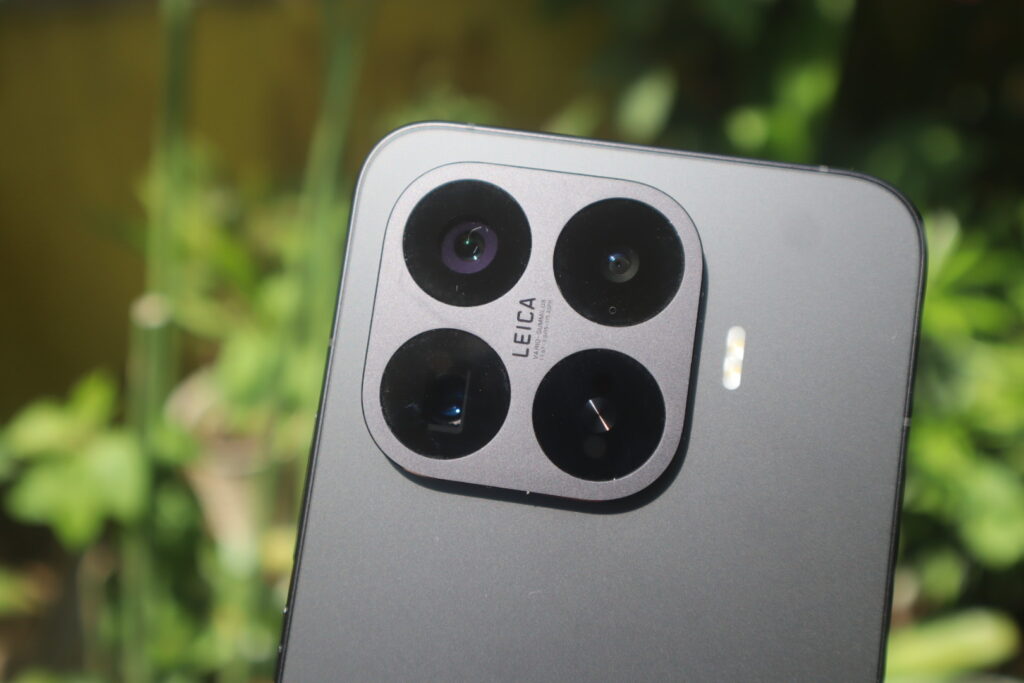
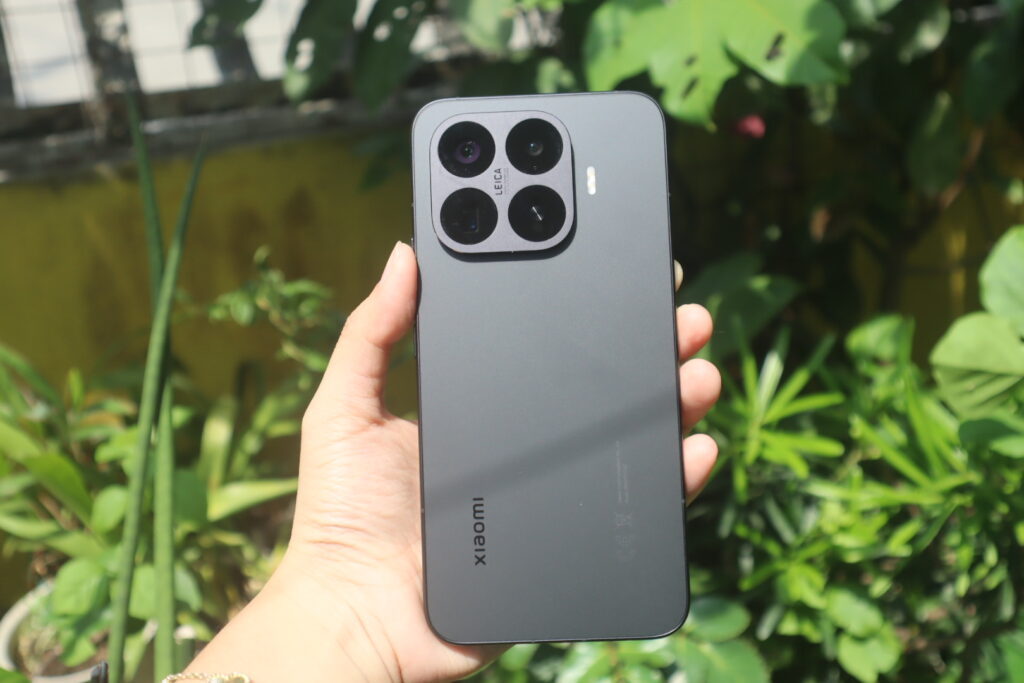
The Leica branding will undoubtedly be one of the Xiaomi 17T Pro’s biggest selling points. After all, Leica optics have traditionally been associated with Xiaomi’s more premium offerings, particularly the flagship Ultra series.
Alongside the Leica-powered camera system, Xiaomi has equipped the device with a MediaTek Dimensity 9500 processor built on a 3nm process, a 6.83-inch 1.5K AMOLED display with a refresh rate of up to 144Hz, and a massive 7,000mAh silicon-carbon battery, the largest battery ever fitted into an international Xiaomi Series smartphone.
During my time with the smartphone in Taipei, that combination often felt just as important as the camera itself. The large battery made it easier to spend an entire day shooting photos, navigating the city.
The inclusion of 100W wired HyperCharge and 50W wireless HyperCharge further reinforces the idea that the Xiaomi 17T Pro is designed to be an all-around flagship experience rather than simply a camera phone.
The Xiaomi 17T Pro starts at ₱45,999 for the 12GB + 256GB variant, while the 12GB + 512GB model retails for ₱47,999.
Looking back at these four photos, it was the freedom to approach a subject from different perspectives that I say is its greatest strength. The Leica branding may be what draws people in, but the complete package is what makes the Xiaomi 17T Pro worth considering. Overall, if these photos are any indication, it’s a smartphone that rewards those willing to look a little closer.
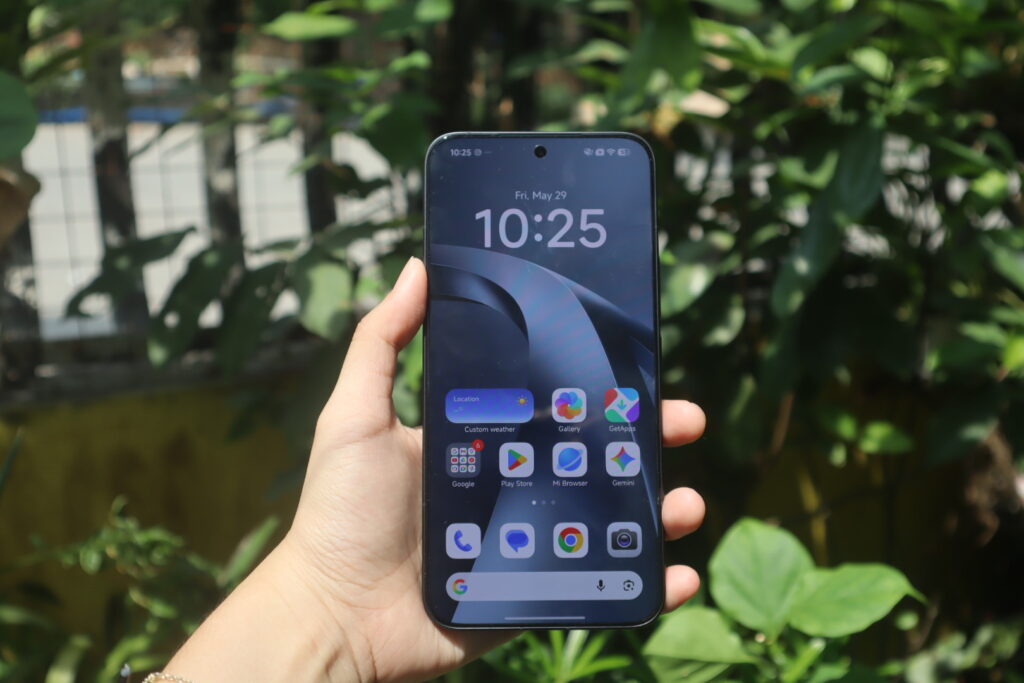
Specs:
Display
- 6.83-inch AMOLED display
- 2772 × 1280 resolution (1.5K)
- Up to 144Hz refresh rate
- 3,500 nits peak brightness
- HDR10+ and Dolby Vision
- Corning Gorilla Glass 7i
Processor
- MediaTek Dimensity 9500
- 3nm process
Memory and Storage
- 12GB RAM
- 256GB, 512GB, or 1TB storage options
Rear Cameras
- 50MP Leica main camera (f/1.67, OIS)
- 50MP Leica 5x telephoto camera (f/3.0, OIS)
- 12MP Leica ultra-wide camera (120° field of view)
Front Camera
- 32MP selfie camera
Video Recording
- Up to 8K at 30fps
- Up to 4K at 120fps
- HDR10+ video recording
- Log video recording
- Movie Mode up to 4K60
Battery and Charging
- 7,000mAh silicon-carbon battery
- 100W wired HyperCharge
- 50W wireless HyperCharge
- 22.5W reverse wired charging
Connectivity
- Wi-Fi 7
- Bluetooth 6.0
- NFC
- Dual SIM / eSIM support
Audio
- Dual stereo speakers
- Dolby Atmos
- Hi-Res Audio and Hi-Res Wireless Audio
Durability
- IP68 dust and water resistance
Colors
- Deep Blue
- Deep Violet
- Black
