


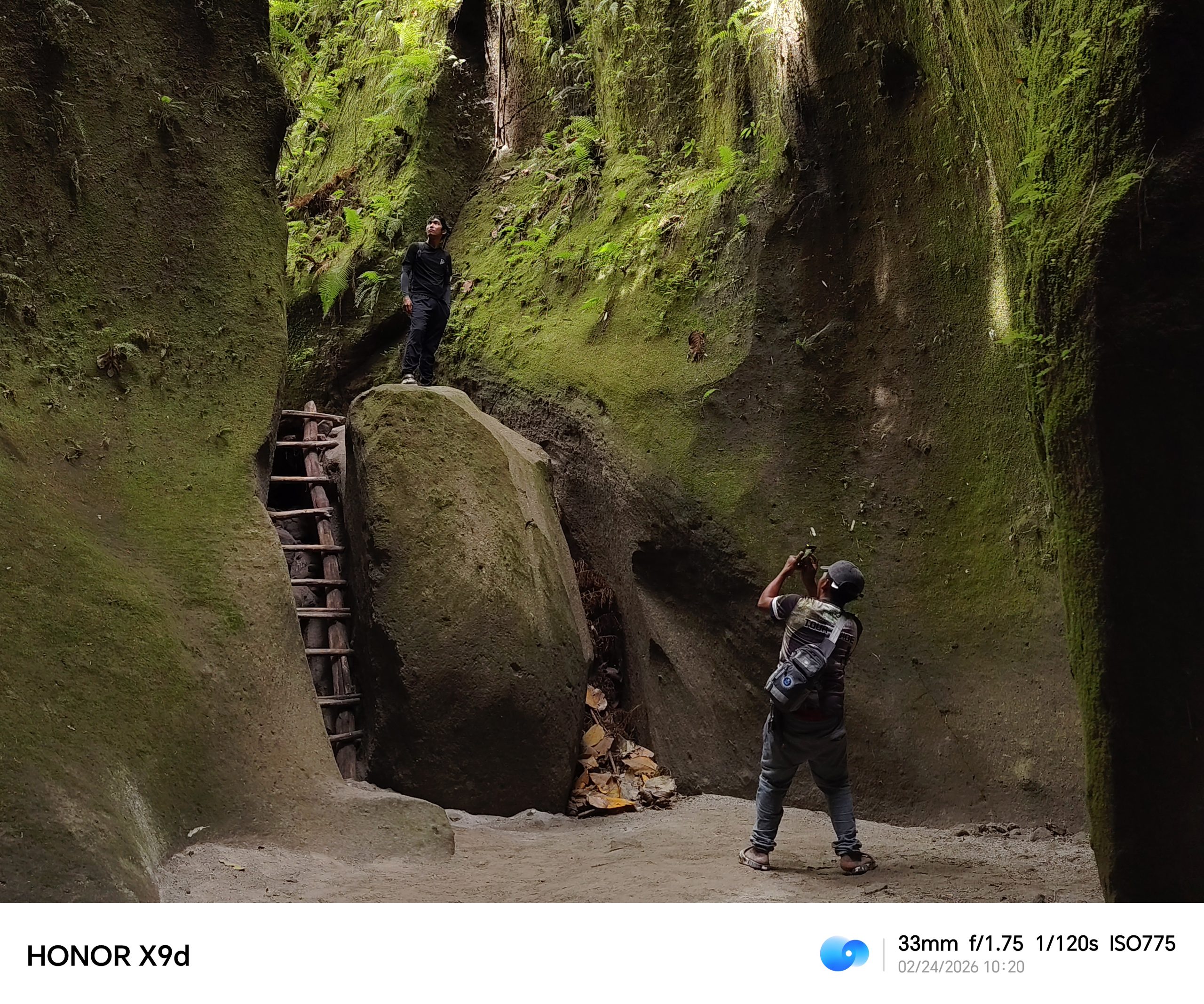
When Honor invited us to Pampanga’s Tutulari Avatar Gorge for their “Honor Toughest Trail” Challenge, the goal was simple: take the Honor X9d 5G into unorthodox settings and see whether its specifications translate into real-world performance and satisfaction.
This was not a controlled lab test.
It was heat. Dust. Uneven natural terrain. Long walks with the camera constantly open and nonstop shooting in varying lighting conditions.
Before diving into how the phone performed on the trail, let’s first look at what it promises on paper.
Quick Spec overview
The Honor X9d 5G offers:
- Display: 6.78-inch AMOLED, 120Hz refresh rate, up to 6,000 nits peak brightness
- Processor: Snapdragon 6 Gen 4 5G chipset paired with 12GB RAM
- Camera: 108MP main camera with OIS + EIS, 5MP ultra-wide, 16MP selfie camera
- Video: 4K at 30fps (main), 1080p (front)
- Battery: 8,300mAh silicon-carbon battery with 66W HONOR SuperCharge
- Durability: 2.5m drop resistance and IP69K water and dust resistance
On paper, this is a midrange device that positions itself slightly above its class, particularly in battery endurance, durability, and outdoor usability.
But how does that hold up in the gorge?
The trail test: Real-world experience
Camera performance
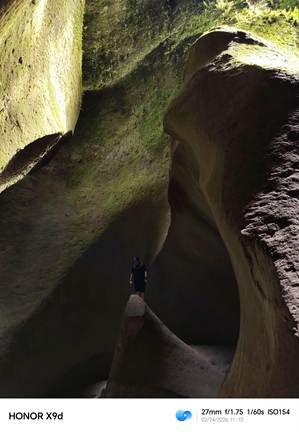
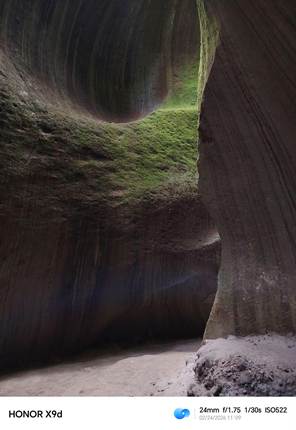
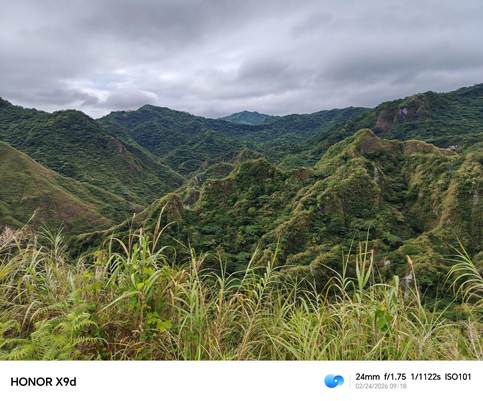
All clips I recorded during the trek were shot in 4K at 30fps. Photos were taken entirely in the phone’s standard “Normal” mode, with no Pro adjustments or manual tweaking.
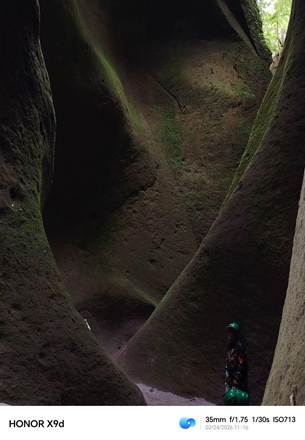
The footage captured the rugged rock formations, deep shadows, and harsh sunlight with impressive clarity and natural color reproduction. No filters or color grading were applied. What you see in the photos and videos comes straight from the phone’s image processing.
For photography, the AI processing deserves mention. It does a solid job of enhancing contrast and detail without pushing the image too far. Colors remain natural, and highlights are not aggressively blown out to the point of looking artificial or overly processed. The result is images that feel vibrant yet still realistic, which is important when capturing landscapes.
That said, one challenge I noticed was exposure adjustment during video. When panning from darker shaded areas to brighter open spaces, the phone took a moment to recalibrate. The adjustment wasn’t instantaneous, but it stabilized into a balanced exposure after a brief transition.
Verdict
In demanding natural lighting conditions, the Honor X9d 5G delivered vibrant and consistently usable results. Photo performance stands out, with AI enhancement that improves detail without sacrificing realism. Video quality in 4K is solid in sharpness and color reproduction, though exposure transitions during lighting changes could be smoother.
Overall, it is a capable outdoor camera system, with photography as its clear strength and video performance that is ok but still has room to improve.
Battery life
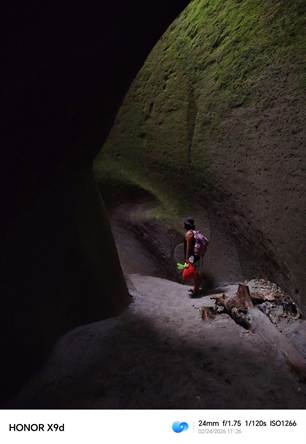
The Honor X9d houses a substantial 8,300mAh battery paired with 66W fast charging, a combination that suggests serious endurance.
I began the challenge at 93% battery.
After capturing 371 photos and 65 videos (all recorded in 4K), the phone still had 61% remaining. That represents roughly a 32% drop under sustained heavy usage, including constant camera operation and on-site navigation across uneven terrain.
There was no overheating, no performance throttling, and no unexpected shutdowns throughout the morning’s shoot.
Verdict
A 32% drop may sound significant at first glance, but considering the workload, which was continuous 4K recording and high screen usage, the performance aligns well with expectations. For a full outdoor trek scenario, the battery proved dependable and more than sufficient for extended shooting sessions.
Durability
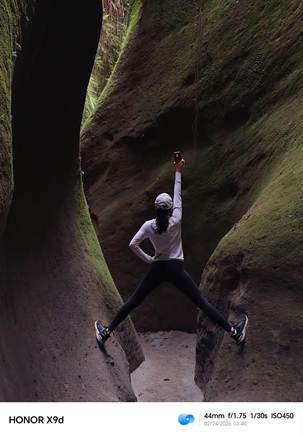
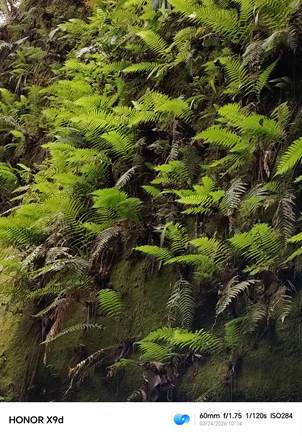
Between rocky surfaces, frequent handling, backpack storage, and a small deliberate drop test, the phone endured the trail without issue.
There were no cracks, no system freezes, and no sensor failures following the drop.
Verdict
While this was not a laboratory-certified stress test, real-world human handling confirmed that the Honor X9d 5G’s durability claims align with practical use. It feels solid and behaves accordingly.
Display Performance
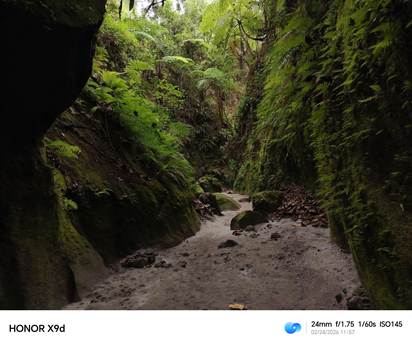
If I were to name a standout feature from the phone, it would be the display.
Under direct sunlight, the screen remained bright and readable, which allowed for easy photo and video review without glare issues. In shaded areas and cave-like sections of the gorge with minimal natural light, the display brightness remained phenomenal.
The 120Hz refresh rate also contributed to a smooth, responsive experience, particularly important when navigating terrain where you don’t want to struggle with a sluggish device.
Verdict
Outdoor and indoor visibility were excellent throughout the trek. The display is impressive on paper and in practice, with its high brightness and AMOLED panel translating into real usability under direct sunlight and in low-light environments.
Colors remain vibrant, text stays sharp, and the 120Hz refresh rate keeps interactions smooth and responsive. The overall experience made everyday use feel fluid and reliable.
| Feature | On Paper | In the Gorge |
| Camera Quality | Strong 108 MP sensor + 4K | Delivered usable, vibrant outdoor footage |
| Battery Life | 8,300mAh capacity | Sustained heavy 4K use with reliable endurance |
| Durability | IP69K + Drop resistance | Handled real drops and rough handling |
| Display | 120Hz AMOLED, 6,000 nits | Bright, clear, and responsive outdoors |
| Processor & Performance | Midrange Snapdragon chipset | No performance issues during shooting and navigation |
Concluding thoughts on the Honor X9d 5G
The Honor X9d 5G’s specifications do translate into meaningful real-world benefits, particularly for outdoor users:
- A battery that keeps going
- A camera that captures reliably without constant adjustments
- Durability that survives rough handling
- A display that stays visible in varying conditions
If your lifestyle demands endurance and reliability, the Honor X9d 5G promises and delivers.
