


SAN FRANCISCO – Samsung is relying heavily on Galaxy AI as the next growth driver in Southeast Asia, targeting both consumers and enterprises as artificial intelligence (AI) reshapes productivity and the whole device ecosystem.
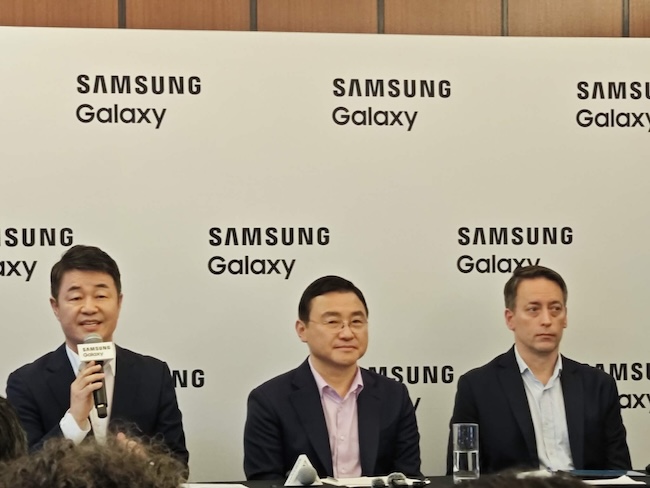
“AI can understand user intent and proactively handle tasks, simplifying work without loss,” said CU Kim, president and CEO, Southeast Asia and Oceania, Samsung, during a roundtable discussion with the media.
Still, he cautioned that wider AI adoption also expands more security concerns. As AI systems handle more sensitive data, security becomes a business priority. Samsung sees business-to-business opportunities across eight Southeast Asian markets where it operates, as organizations look for secure, AI-enabled devices.
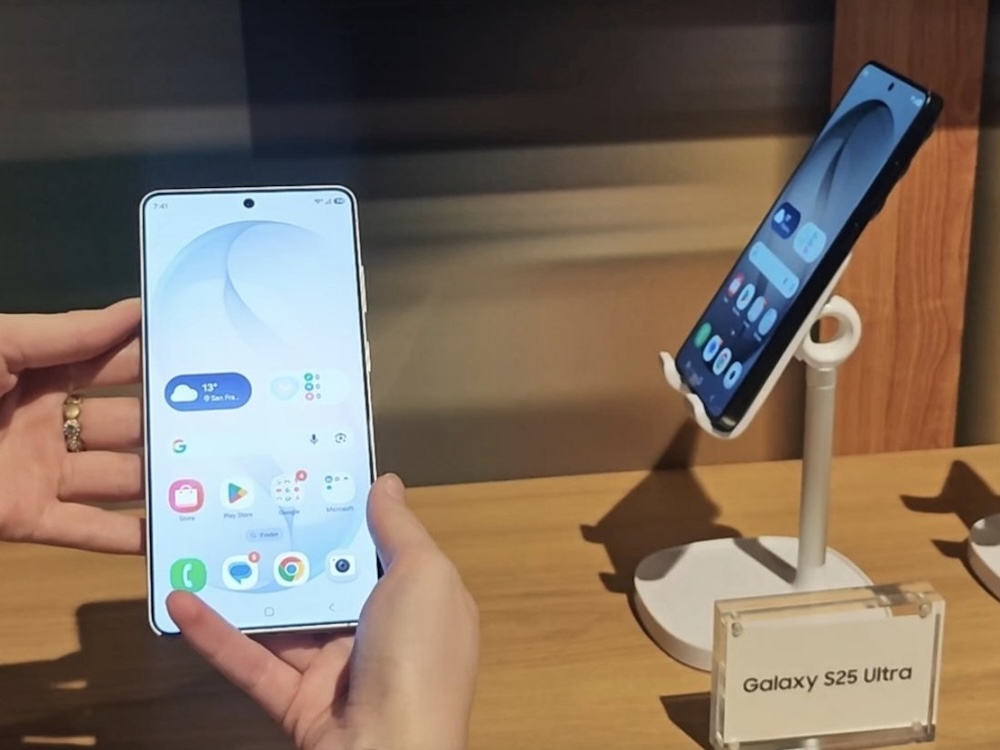
Samsung’s strategy is all about embedding AI across its product portfolio while maintaining strong privacy safeguards as seen in the newly unveiled Galaxy S26 Series.
“Galaxy AI is already being used in business contexts to improve efficiency,” said Carl Nordenberg, VP, regional head of Mobile Business, SE Asia & Oceania. “The opportunities for Samsung and businesses to improve efficiency through Galaxy AI will continue to grow.”
The retail deployment shows the efforts to turn Galaxy smartphones into what Samsung describes as “agentic” devices, phones that act proactively rather than waiting for commands.
That the shift from feature phones to smartphones was driven by apps and touch navigation. The next inflection point, Samsung believes, will come from personalized AI agents and multimodal interaction.
“With the S26, the phone will better understand user intent and proactively respond to simplify routine tasks, making the device an assistant in the user’s hand,” said TM Roh, CEO, president, head of Device eXperience Division and head of Mobile eXperience (MX) Business at Samsung Electronics.
Samsung aims to extend this capability beyond smartphones. AI is being integrated into TVs, home appliances, wearables, and connected devices, with the smartphone as the control point.
According to Roh, in Southeast Asia, demand for AI features is strongest among younger consumers.
Samsung introduced a hybrid AI model with the Galaxy S24 series, combining in-house AI technologies with those from strategic partners. Processing can occur on-device or in the cloud, depending on the scenario and user preference.
The company said this flexible approach allows it to optimize performance, manage costs, and address privacy concerns.

While AI is becoming key to Samsung’s value proposition, executives acknowledged pricing pressures.
“There is upward pressure on pricing due to component costs and exchange rates, but we are committed to providing meaningful innovation and minimizing the burden on consumers,” Roh said.
To reduce total cost of ownership, Samsung is offering seven years of operating system upgrades on selected devices and working with channel partners on promotional programs. Galaxy AI features are also being extended beyond flagship models to the Galaxy A series, broadening access to AI tools.
Financing is another lever. Through the Samsung Finance Plus Program in markets including Vietnam, the company has financed 3 million devices over three years with a 75% approval rate, which Samsung said is about twice the industry average. The company plans to expand such programs to make the devices more accessible across Southeast Asia.
As AI workloads increase, hardware differentiation becomes critical. Samsung executives highlighted investments in custom application processors, stronger neural processing unit performance, and enhanced security features such as Samsung KNOX and a privacy display that helps shield on-screen content.
“Samsung is continuously innovating and differentiating its hardware to strengthen privacy and security,” Roh said. “Hardware upgrades will depend on technological trends and consumer needs, and we are always ready to introduce new capabilities.”
Samsung is exploring agentic AI in new form factors as it seeks to define the next stage of mobile computing. For Samsung, the bet is clear: AI will not just enhance smartphones, it will reshape how devices, businesses, and consumers interact across Southeast Asia.
