


I’ve been to Dumaguete three times, but only ever in transit — on the way to Siquijor, chasing white shores and clearer waters.
Like many, I treated it as a stopover. Not a place to linger, and certainly not a place I associated with technology.
That unfamiliarity led me to overlook something more substantial, which is a local university building the foundations of what it believes could become a regional tech hub.
Founded in 1949 as a post-war reconstruction effort, Foundation University (FU) was envisioned as a non-sectarian institution for Filipinos outside major cities, those who had limited access to higher education at the time.
Its founder, Vicente G. Sinco, a legal scholar and former University of the Philippines president, saw education as part of rebuilding a nation still finding its footing after the war.
More than seven decades later, that same institution is trying to position itself at the center of a different kind of reconstruction — this time, digital.
According to its vice chancellor for innovation, Stephen Sinco, the ambition starts with how the university sees itself. With over a decade of experience in the tech startup space in Seattle, working on customer growth and bringing new products to market, Sinco brings a startup-oriented lens to the university’s efforts to innovation.
“The idea is that we want to have a bedrock of a tech-centric student body,” Sinco said, explaining the positioning of the university being the “Silicon Grove.”
From classroom to community
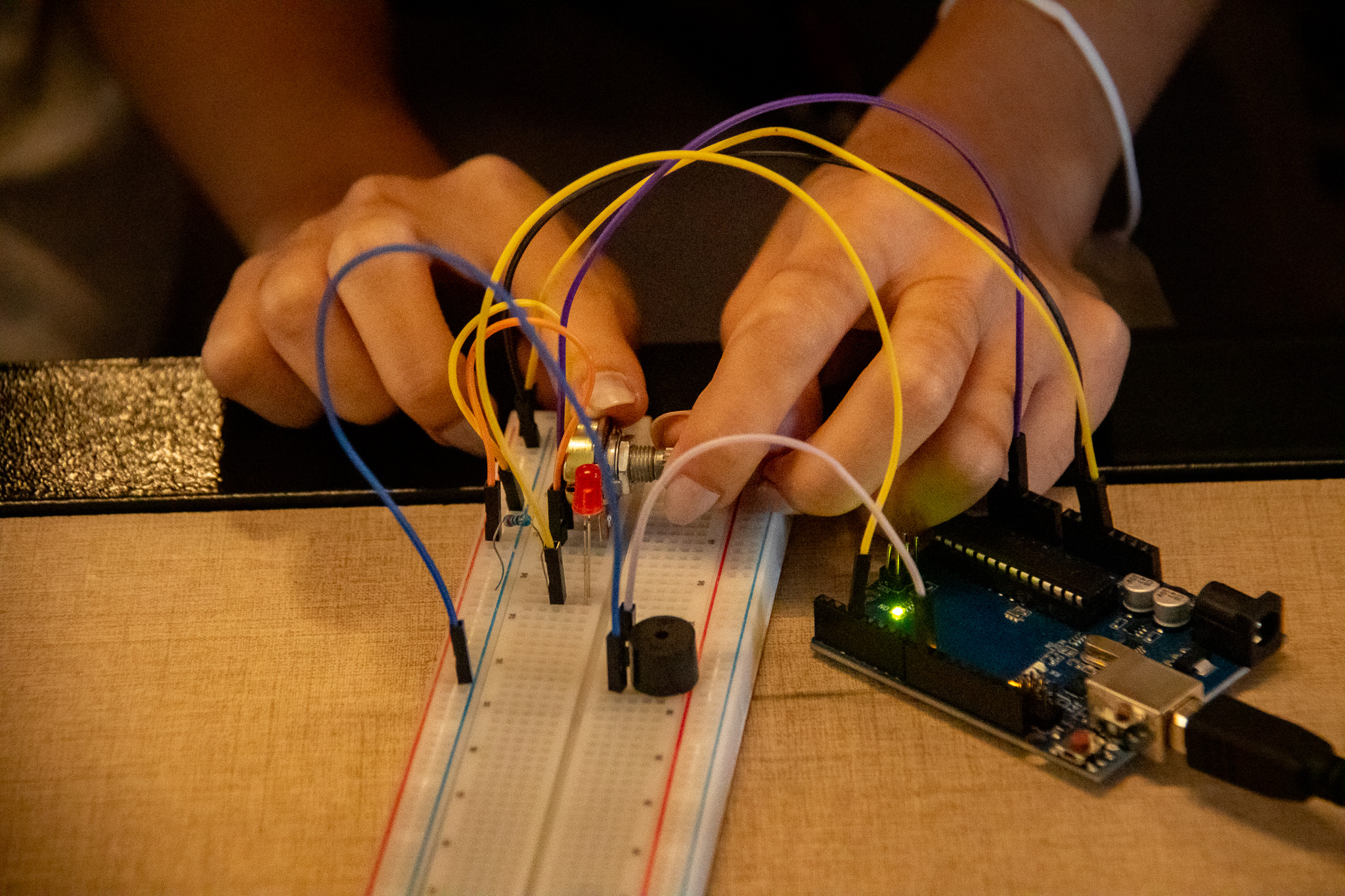
At Foundation University, students are introduced to robotics from junior high school as a structured progression, where complexity builds year after year.
Classrooms are also designed differently. Devices like iPads, referred to as “learning devices” are used not just for access, but to reshape participation.

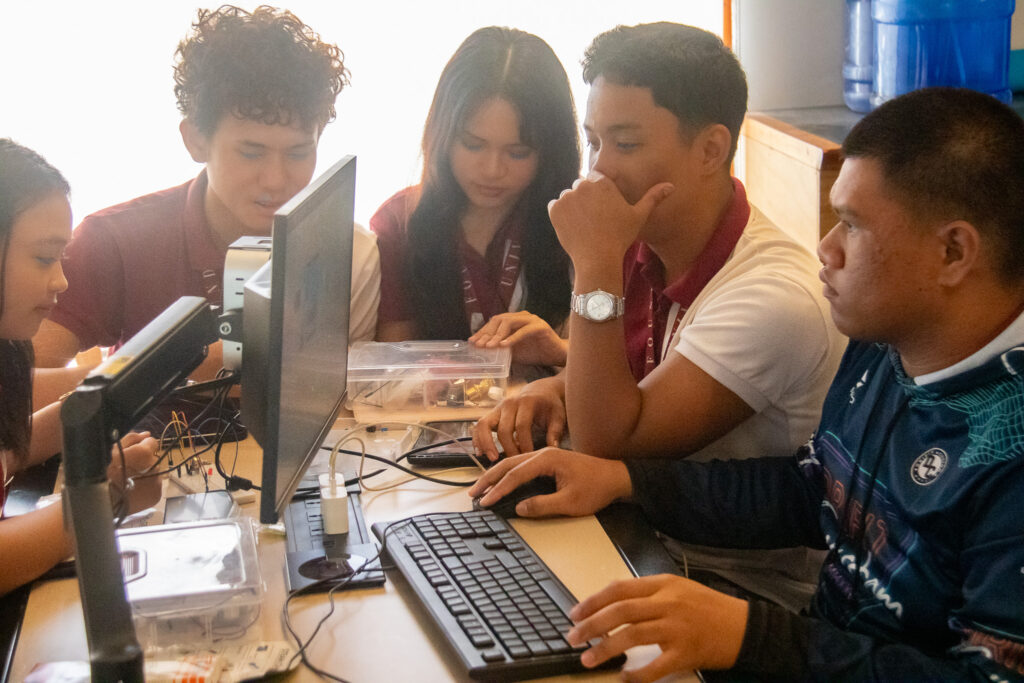
Student outputs are required to respond to real-world problems, with projects often tied to community needs, from sustainability-driven concepts to early-stage systems like flood monitoring tools.
Taken together, the model indicates a broader goal, which is to build a pipeline of talent that can contribute locally. That vision extends beyond the campus and into how students are trained across disciplines.
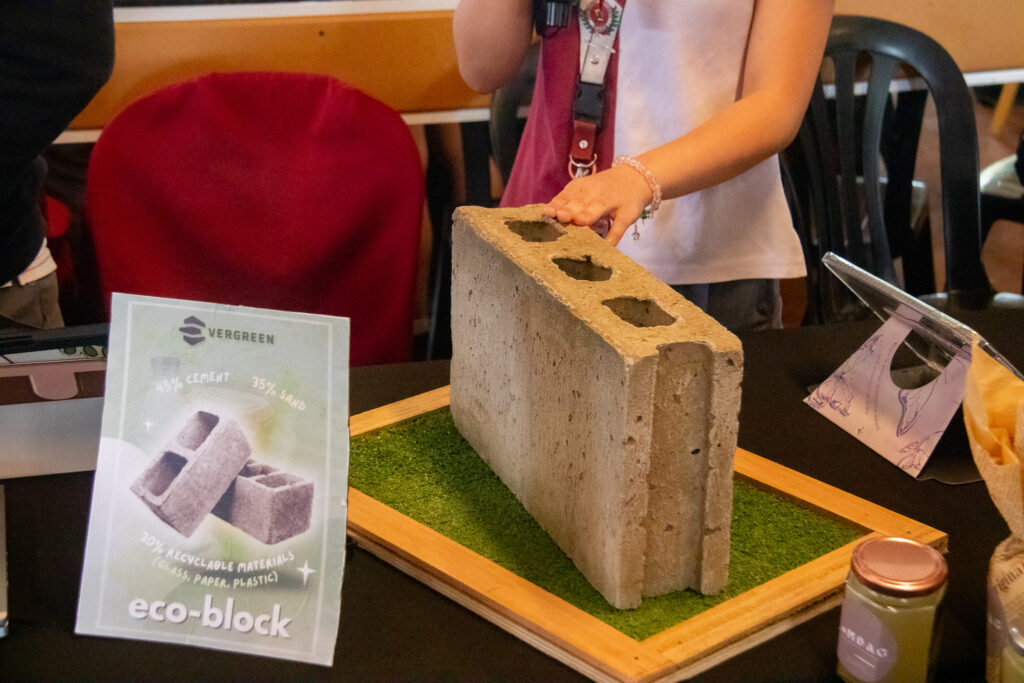
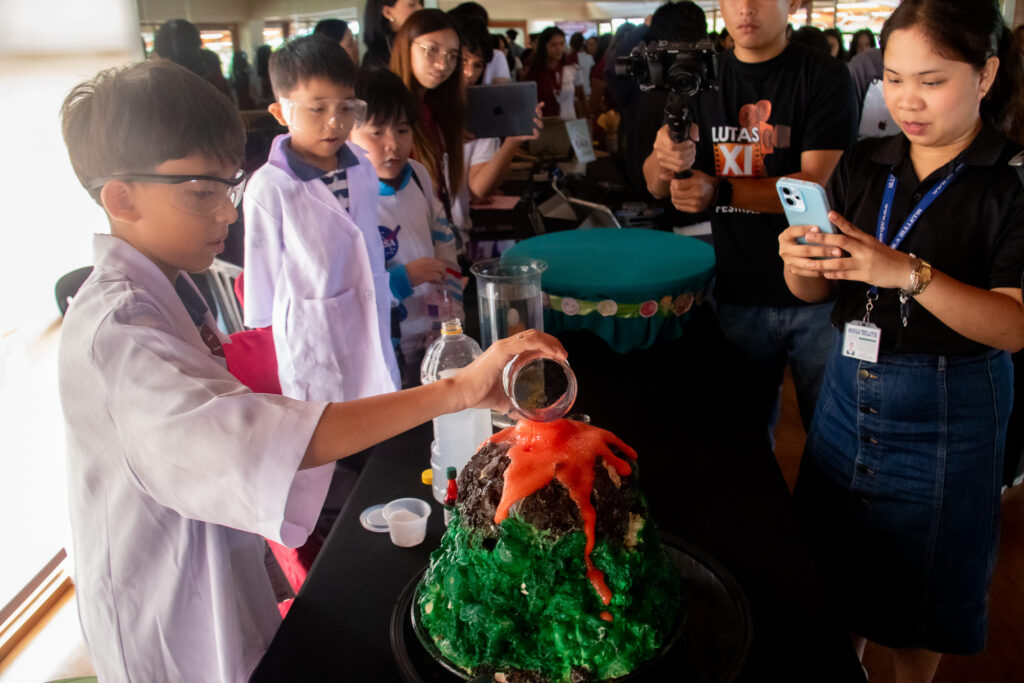
Key to this is its Technology, Environment, and Entrepreneurship (TEE) course, a program required for students from basic education to graduate school, regardless of their field.
Through TEE, students are introduced to concepts like sustainability, design thinking, and social entrepreneurship. They are also tasked to identify real-world problems and build solutions around them.
One example is a cacao scanner application that uses artificial intelligence (AI) to detect diseases in cacao plants, allowing farmers to assess crop health more efficiently. Developed at a prototype level, it has already seen use within local communities, alongside similar tools such as a rice disease monitoring app.
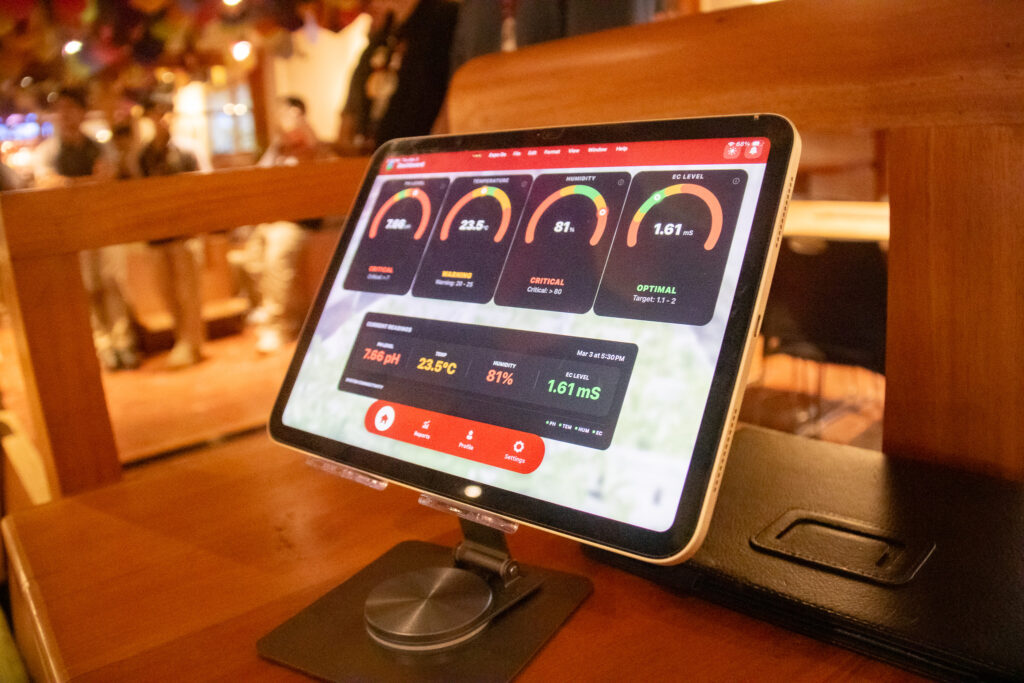

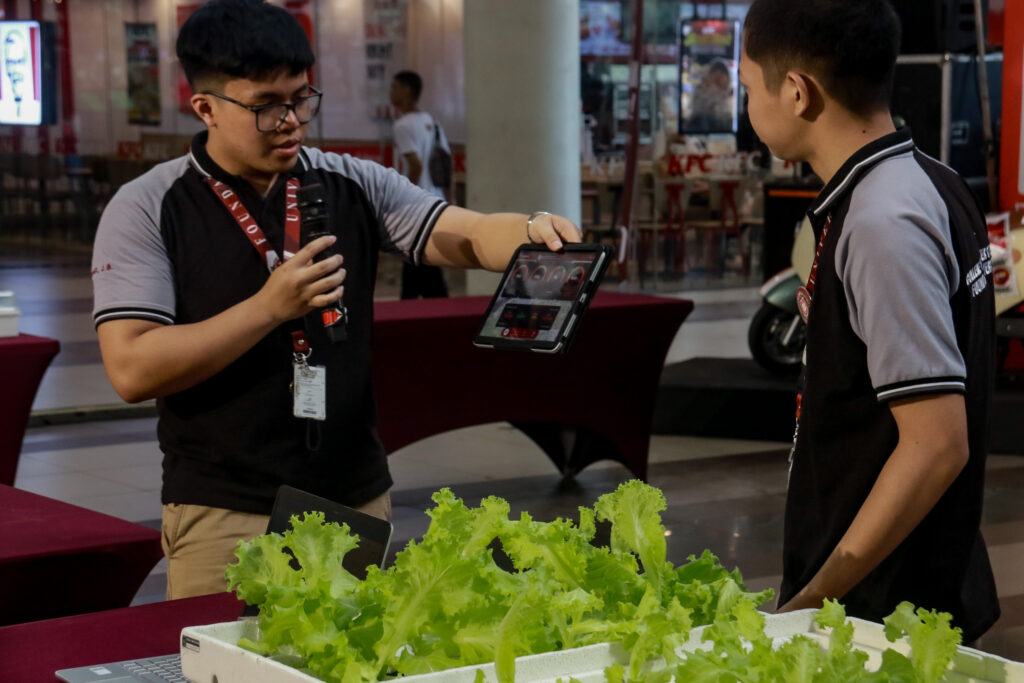
Other projects span different disciplines, from agriculture systems that monitor nutrient levels in water using sensors, to business and design concepts rooted in sustainability.
Rethinking brain drain
In a country long defined by the export of its talent and workforce, the university wanted its approach to be deliberate.
“There’s the brain drain. And of course, that’s great because they can go away, make good money, come back, hopefully. But the ultimate, ultimate mission is that they stay (here in the Philippines),” Sinco said.
For the university, the goal is not just to produce graduates, but to create an environment where staying becomes a viable option.
“Talented, smart people can replicate themselves. So a very talented engineer that we create hopefully can create 10 more, and then they can all stay in the country and develop Dumaguete and the other neighboring cities,” he said.
Sinco emphasized on seeing how work is being done, where geography is no longer as limiting as it once was.
By anchoring training and innovation within Dumaguete, Foundation University aims to become the catalyst for a local tech ecosystem: one that aims to develop not just workers, but also builders.
The idea of a “Silicon Grove” may still be in its early stages. Yet, for a city often seen as a stopover, it suggests the next wave of innovation may not come from where it is expected, but from where it has simply been overlooked.
