


Rizal has long been known as a weekend destination, with its trees, museums, and cafes attracting visitors from Metro Manila. However, beyond its reputation for leisure, a different side of the province is steadily taking shape, one defined by innovation.
This was highlighted during the Department of Science and Technology’s Regional Science and Technology Week (RSTW) 2025, where members of the press were taken on a tour across Rizal to see how digital-readiness is being built at the local level.

The first stop was the University of Rizal System (URS), home to a newly established Innovation Hub. The facility provides students with space and tools to experiment and design solutions for real-world problems.
But as DOST Secretary Renato Solidum Jr. explained during the RSTW press conference, the hub is more than just another laboratory.
“The innovation hubs that we are establishing per province is an innovation hub that would fill in the gap at the ideation stage of innovation,” Solidum said.
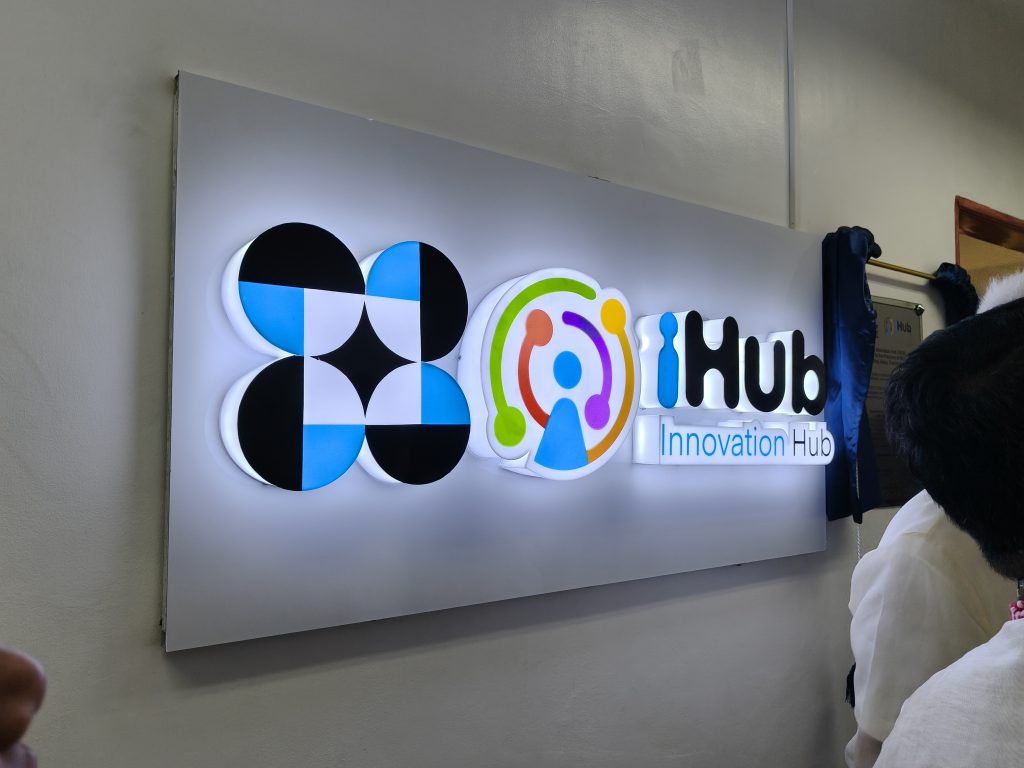
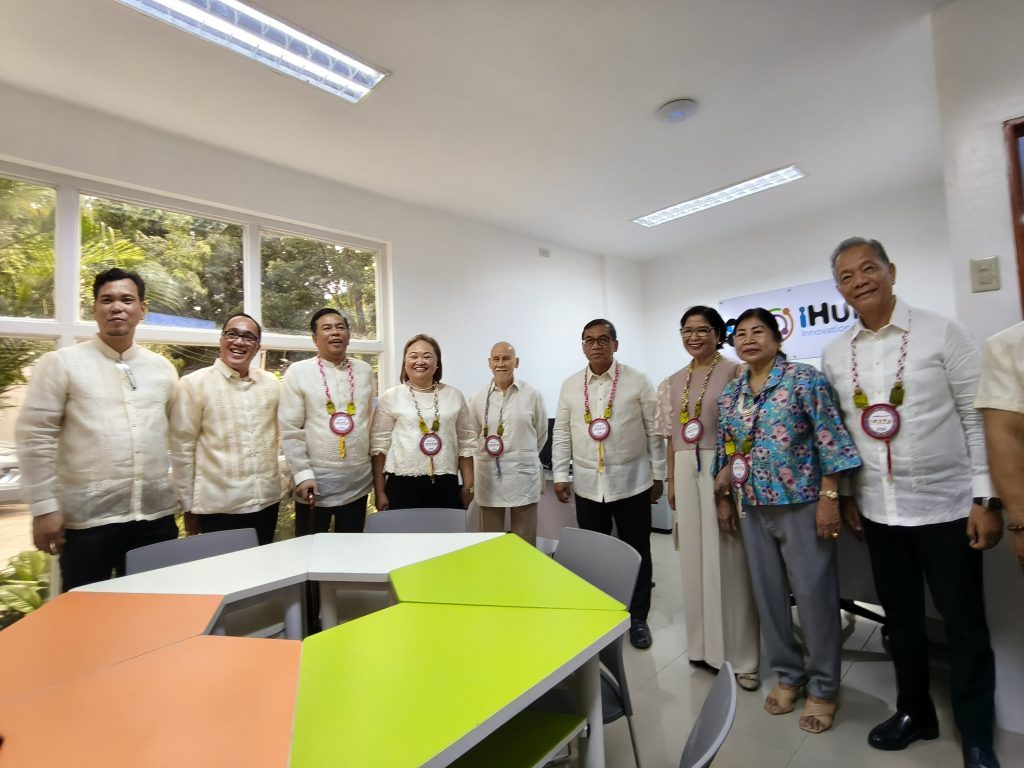
Unlike past programs that catered mostly to universities or established enterprises, the iHub is designed to welcome anyone, from students to inventors to small entrepreneurs, who has an idea but may not know where to start.
“This is the very foundational, which is the lacking thing: idea to reality,” he added.
From learning spaces
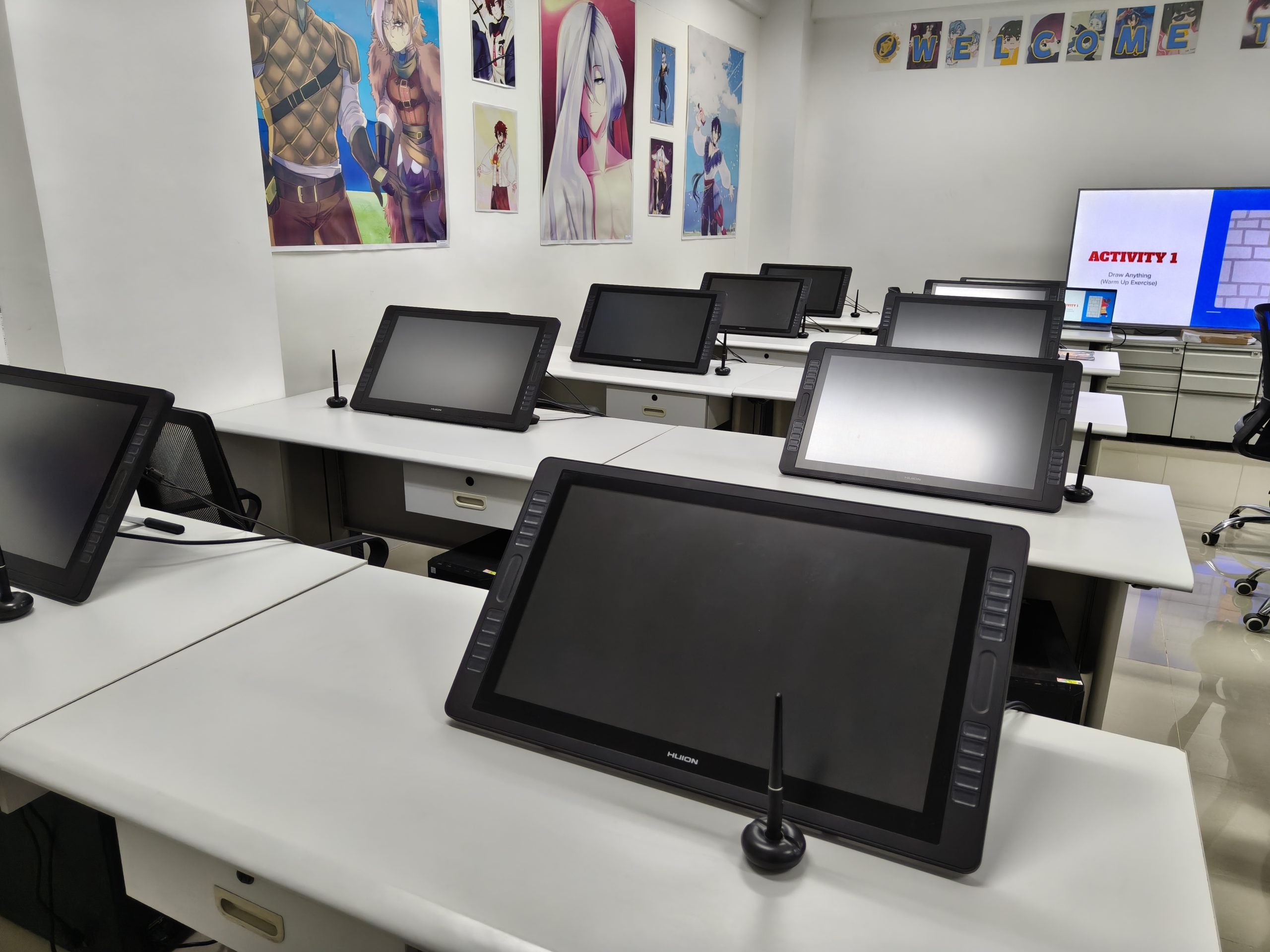
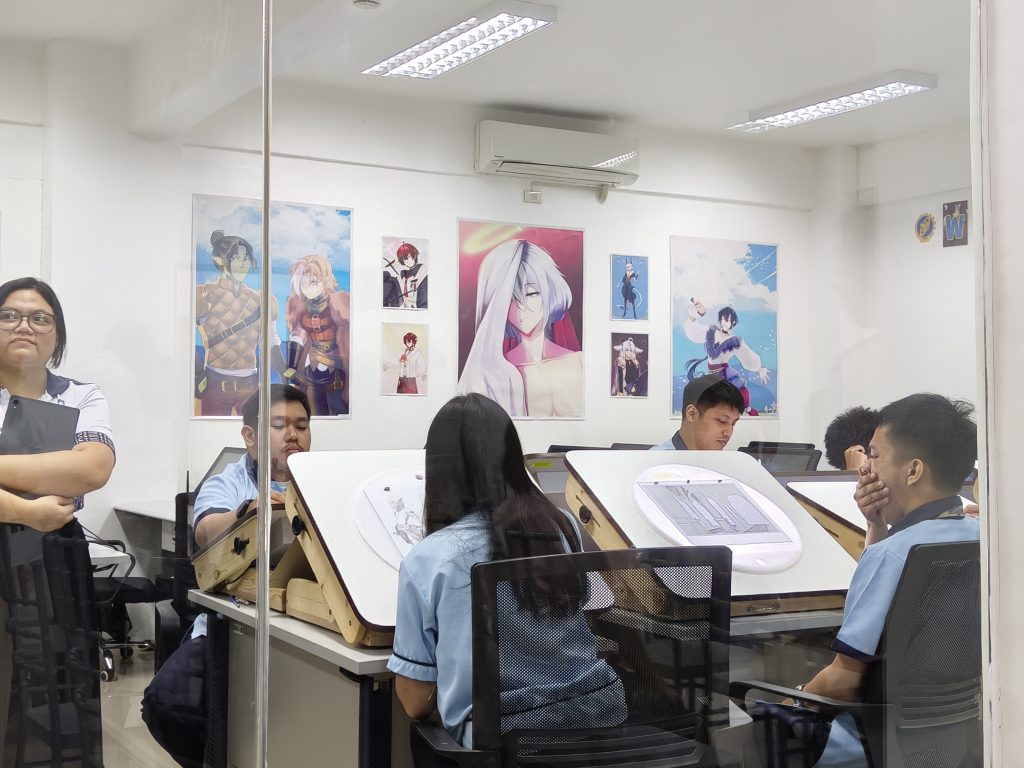
Students can be found sketching illustrations on a traditional drafting desk inside the Regional Design and Creativity Hub for Innovation of MSMES and Education. The facility, situated next to the iHub in URS, also houses computers for digital drawing, along with dedicated rooms for brainstorming sessions.
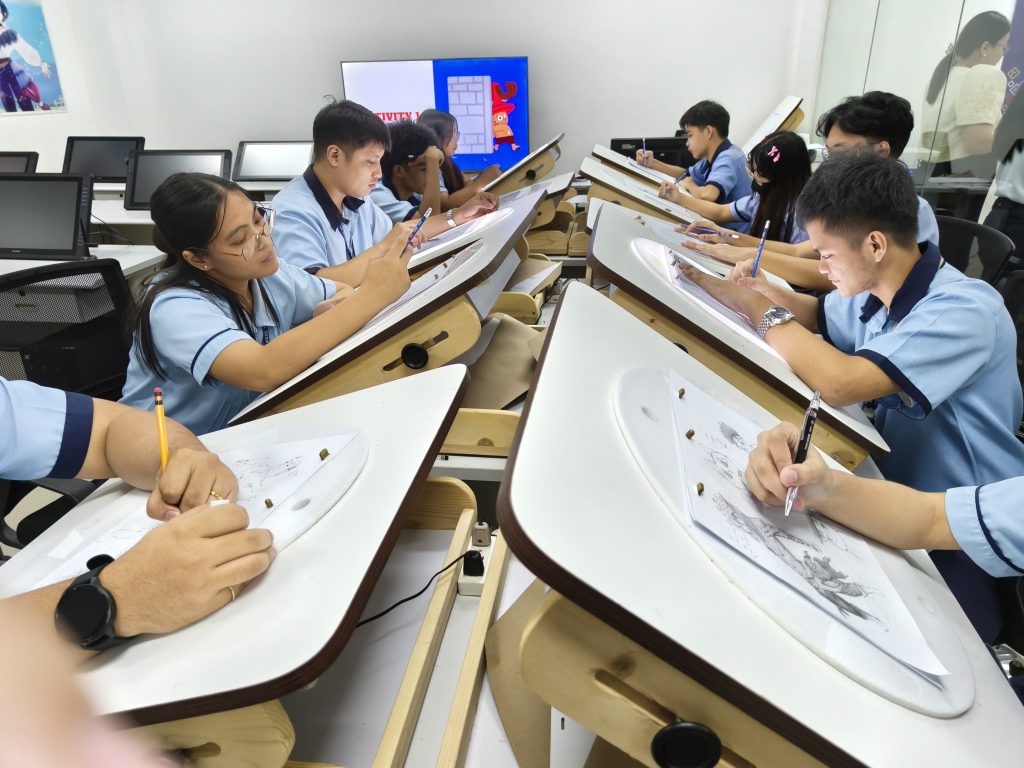
Together with the iHub, it serves as a kind of pre-incubator for startups, providing innovators with an environment to refine their ideas before moving on to full-scale incubation programs.
At the Antipolo City National Science and Technology High School, DOST and its partners unveiled the 21st Century Learning Environment Model (CLEM) classroom.
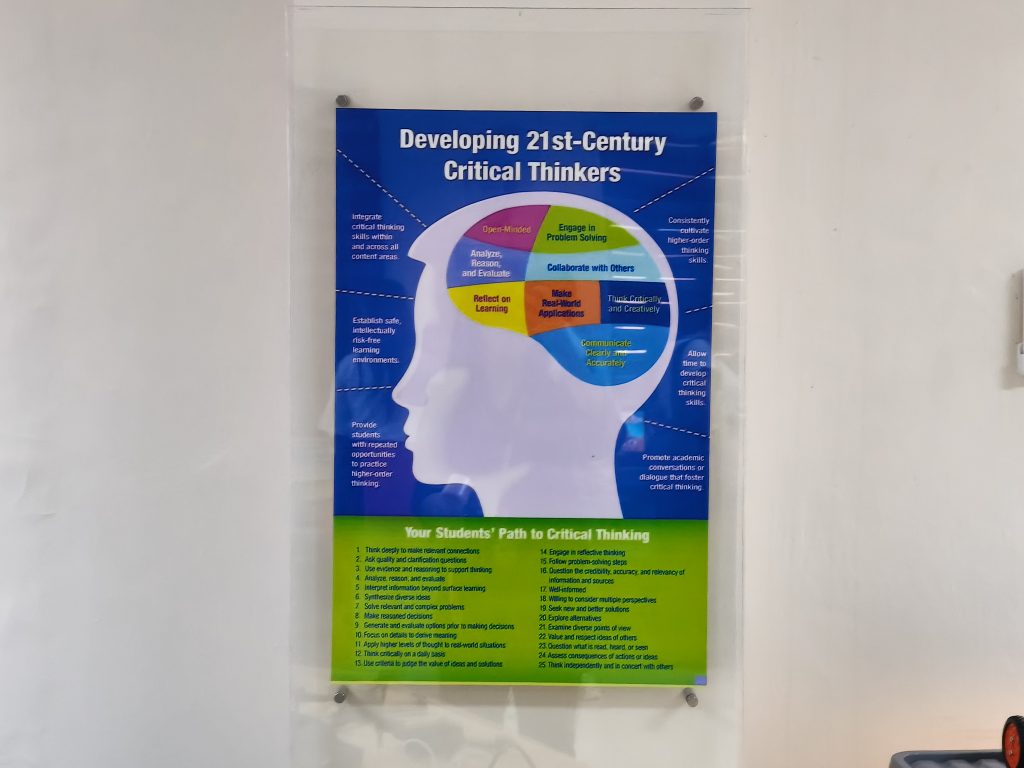
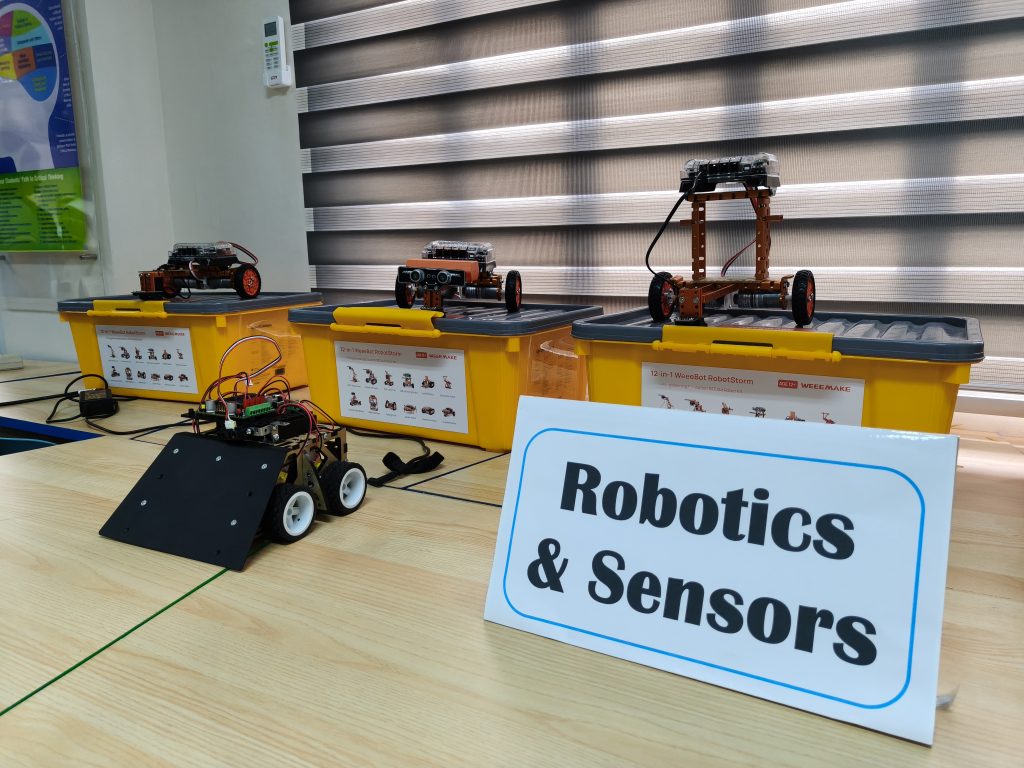
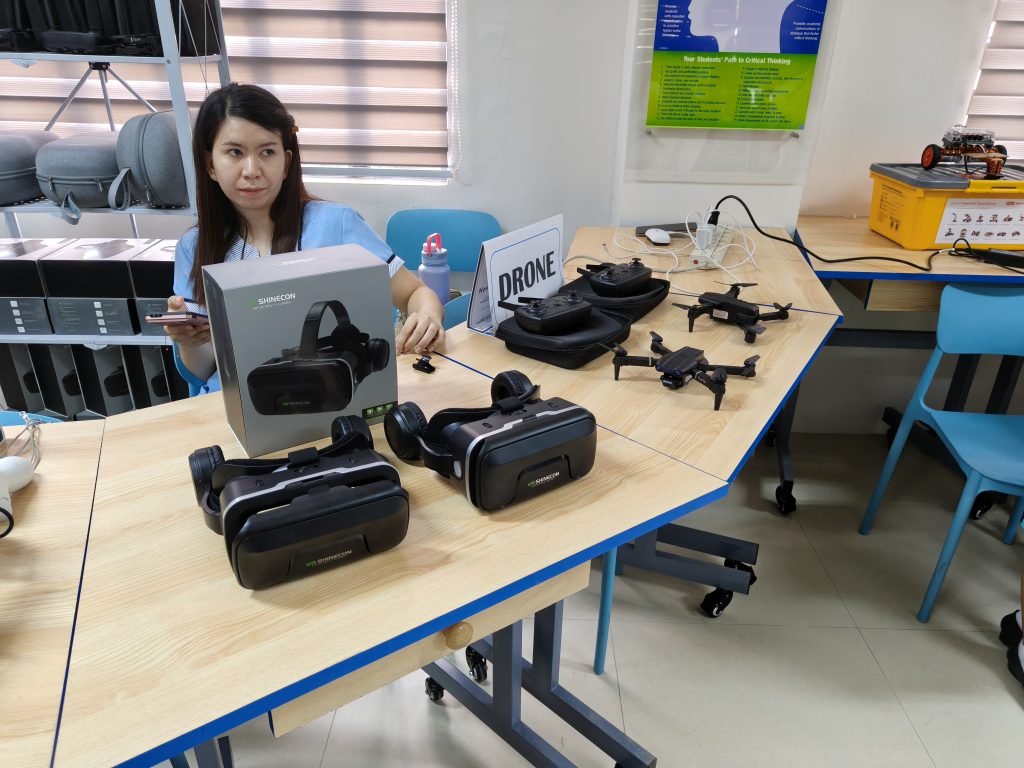
Inside, the setup departs from the traditional rows of chairs and blackboards. Instead, the space features robotics kits, drones, virtual reality headsets, and laptops.
There are also stations designed for experiments with chemicals, giving students the opportunity to apply science concepts in a hands-on setting.
Among the first to experience the classroom was Prince Skylee Mannag, a STEM student at the science high school.
He said that this would help him and his classmates test theories into practice, and that this would help bolster their education after senior high and into college.
“‘Yung mga ideas po na nasa paper lang, nasa manuscripts lang, magagawa na po siya in reality, physically, may experience na po. So, I think that’s a huge thing,” he said.
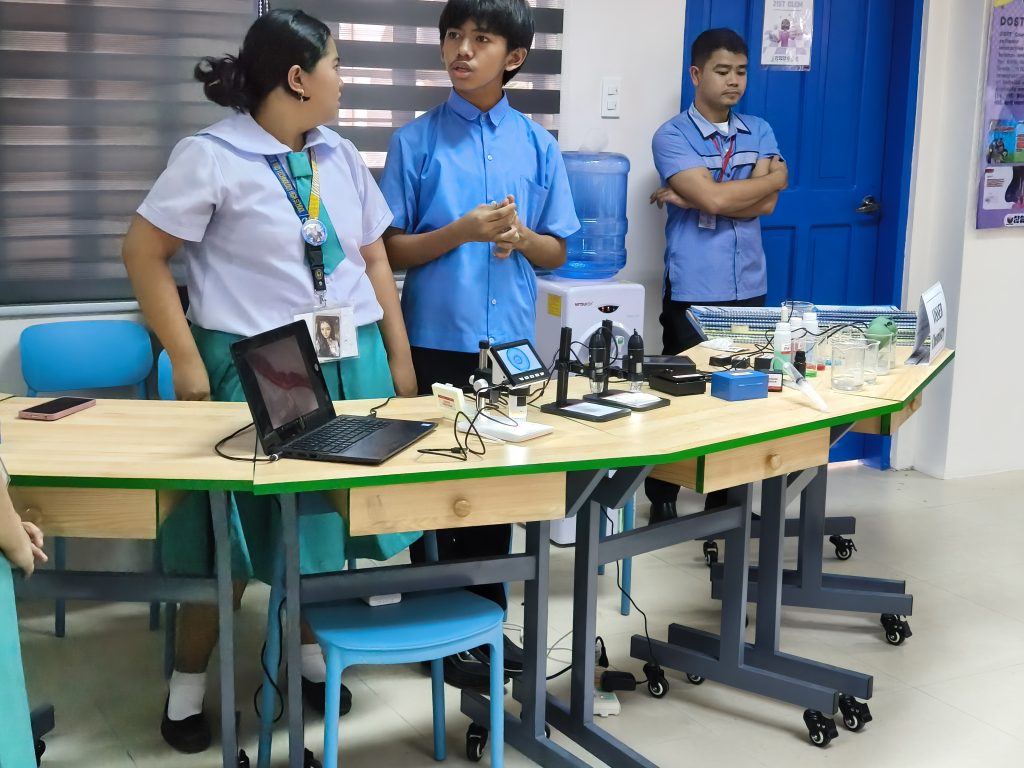
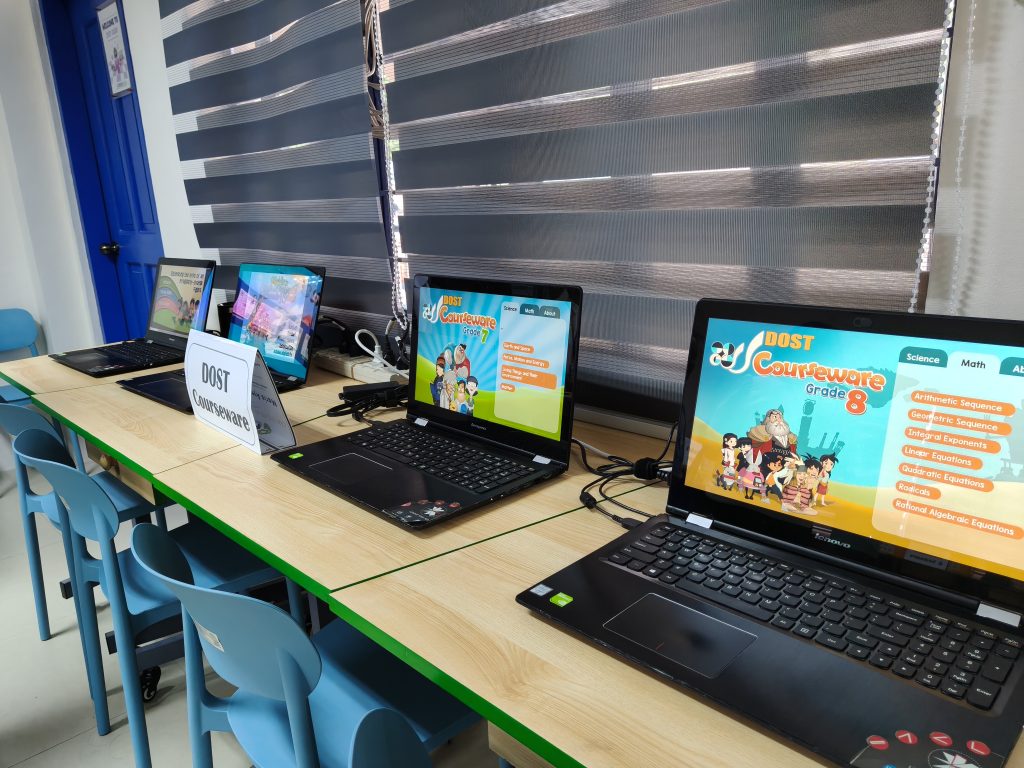
Beyond the DOST-supported initiatives, Rizal is already home to other educational hubs and institutions contributing to innovation and learning.
Firstly, the Southeast Asia Interdisciplinary Development Institute in Antipolo offers graduate programs in organization development and planning, with a focus on interdisciplinary approaches.
The Antipolo Institute of Technology, or AiTech, established by the city government, provides specialized programs including a Bachelor in Construction Engineering Technology and Management.
There are also community-focused digital education hubs, such as those developed in partnership with EdgePoint Infrastructure and Habitat for Humanity, aimed at providing connectivity and learning resources to underserved areas.
Overall, Rizal is steadily expanding spaces where students and innovators can experiment and turn ideas into reality. The educational and digital learning centers provide tools and environments that equip learners for higher education and future careers in science and technology.
Rizal’s push for innovation does not stop at the classroom. The same spirit of digital readiness is being extended to local businesses, where DOST lends a hand through machines and technical support.
To businesses and entrepreneurs
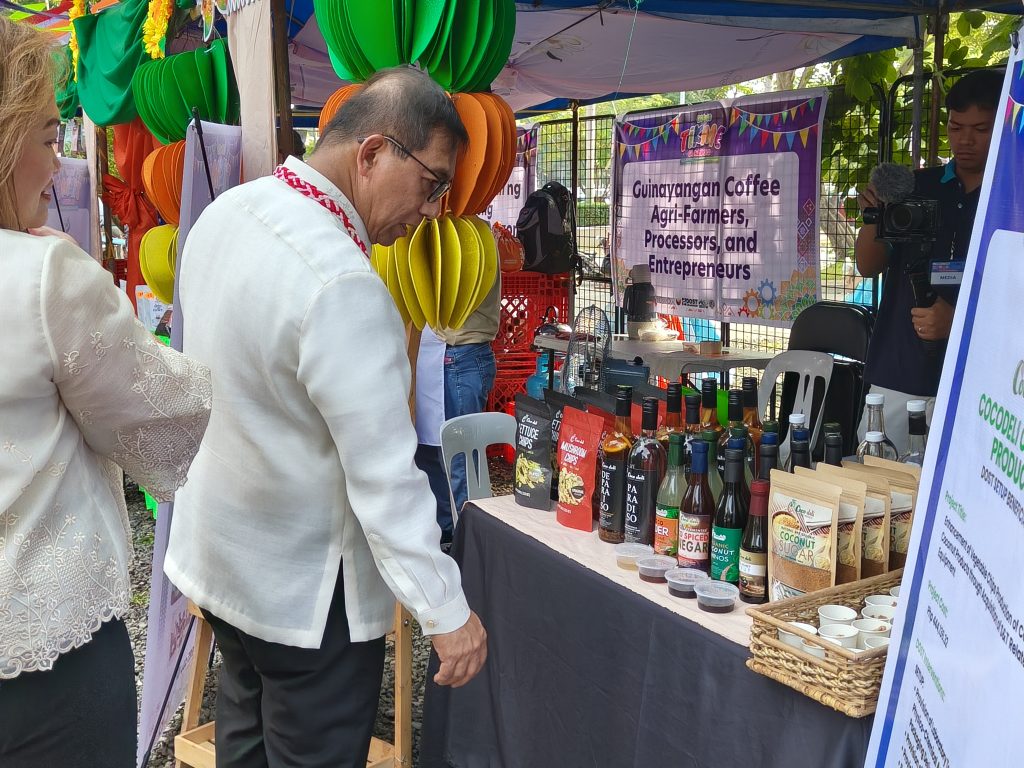
Local enterprises that received machines and technical support from DOST were also given stage time during the tour.
One of them is Good Heart Food and Industrial Corporation, a company that has been part of the ice cream cone industry since 2009. With the help of DOST-provided equipment, the business has been able to refine its production process and expand its reach.
Its first availment of financial assistance from the department’s Small Enterprise Technology Upgrading Program (DOST-SETUP) amounted to P1,980,000.
The business acquired a batter preparation and mixing system with a 600-liter mixing capacity and a 1,200-liter storage tank. In practice, this means the company can now prepare and store batter in bulk, rather than doing several smaller rounds.
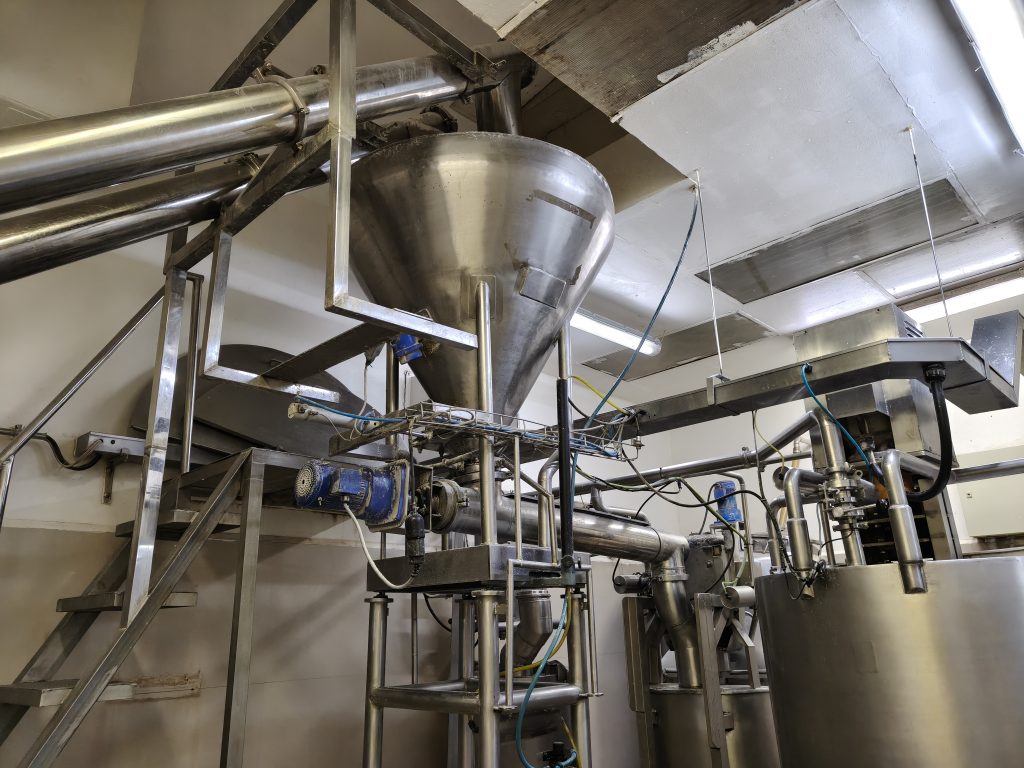
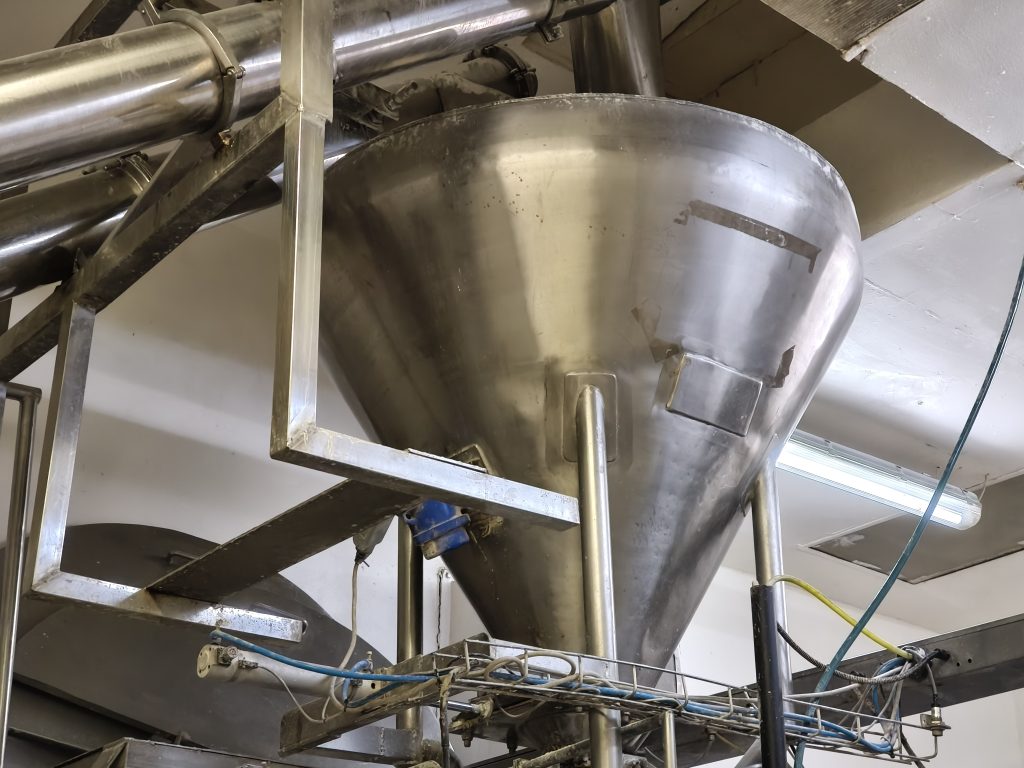
In 2024, they availed the program a second time, investing ₱2.9 million in a 100 kWp grid-tied solar power system. While the return on investment is still underway, the project positions the company for lower electricity costs and a more sustainable operation in the long run.
With this, the company said it has moved their business from medium to large category.
Also located in Taytay, Rizal, is a plastic fabrication company called Sealtite Co. Inc. Established in 2006, the company manufactures PVC gaskets and sealing products.
Through DOST-SETUP, the company first acquired a parallel twin screw extruder worth ₱2,987,000, enabling them to improve efficiency and consistency in production.
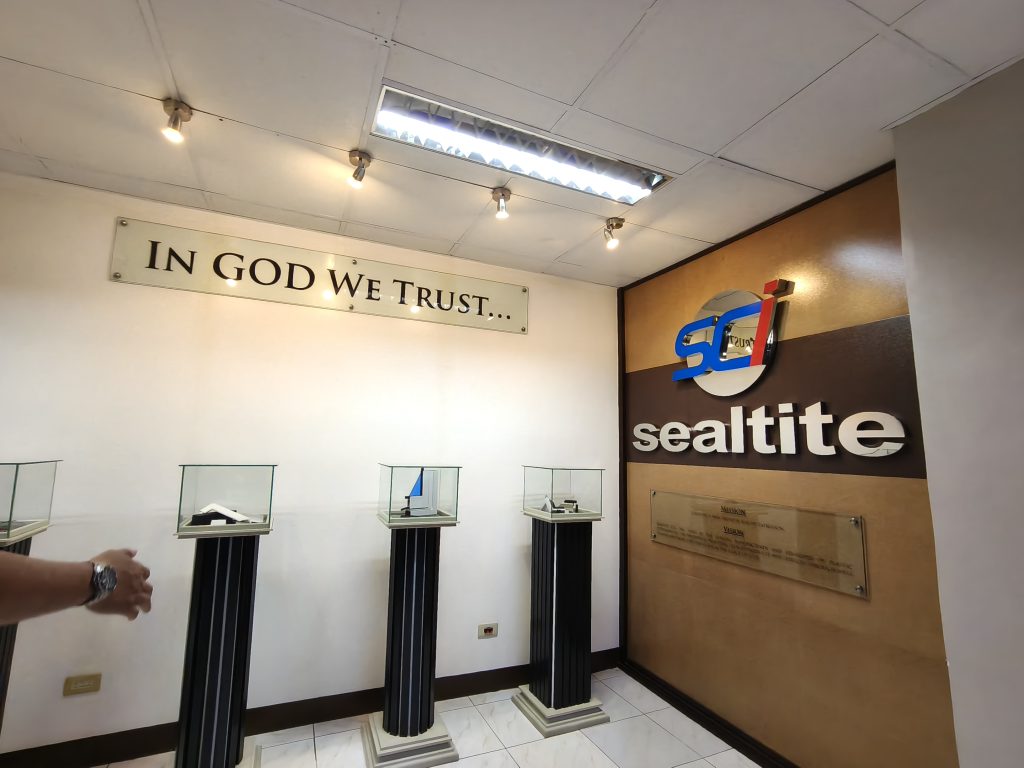
For their second availment, they invested ₱2,008,000 in a PVC soft gasket extrusion machine, further expanding their manufacturing capacity.
Despite facing cheaper foreign competition, Sealtite reported that its clientele was “boosted by 58 percent,” from 10 regular clients to 17, after these technology upgrades.
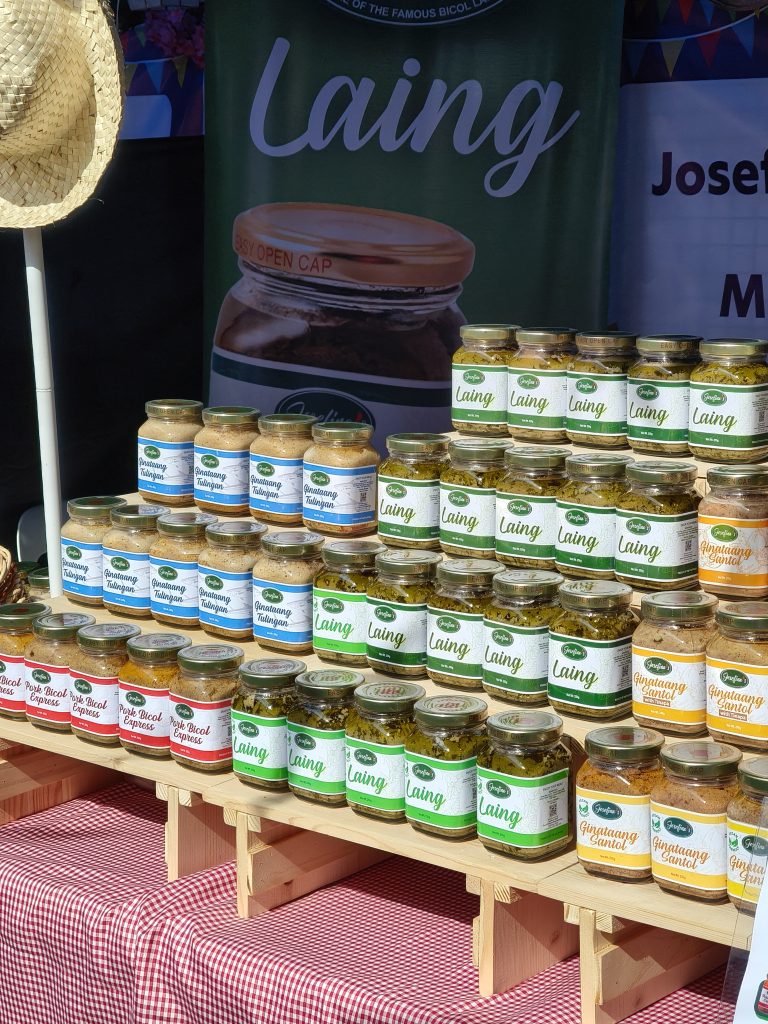
Last on the tour is Tropical Palm Herb Manufacturing in San Mateo, Rizal, produces herbal supplements and traditional remedies. Through DOST’s program, the company strengthened both its processing and packaging capabilities.
Its first availment funded a unit dehydrator, ensuring consistent drying quality for raw herbal ingredients. On its second availment, the company acquired a fully automatic capsule filling machine, a semi-automatic powder filling machine, a stainless pulverizer, and an automatic three-side sealed packaging machine.
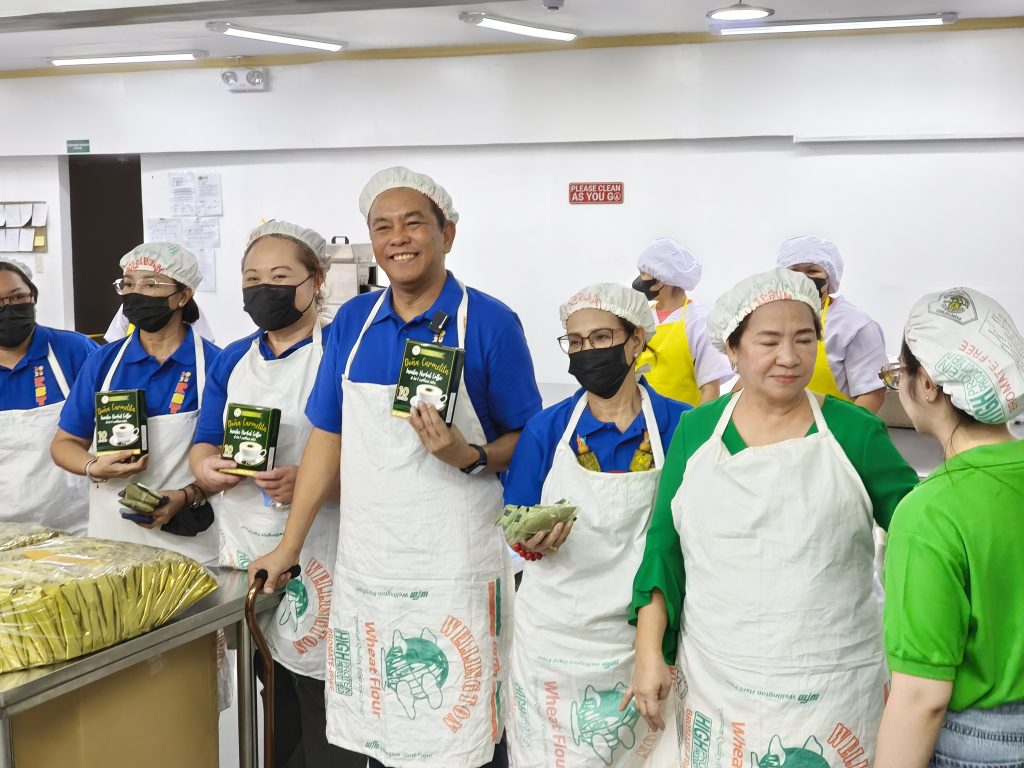
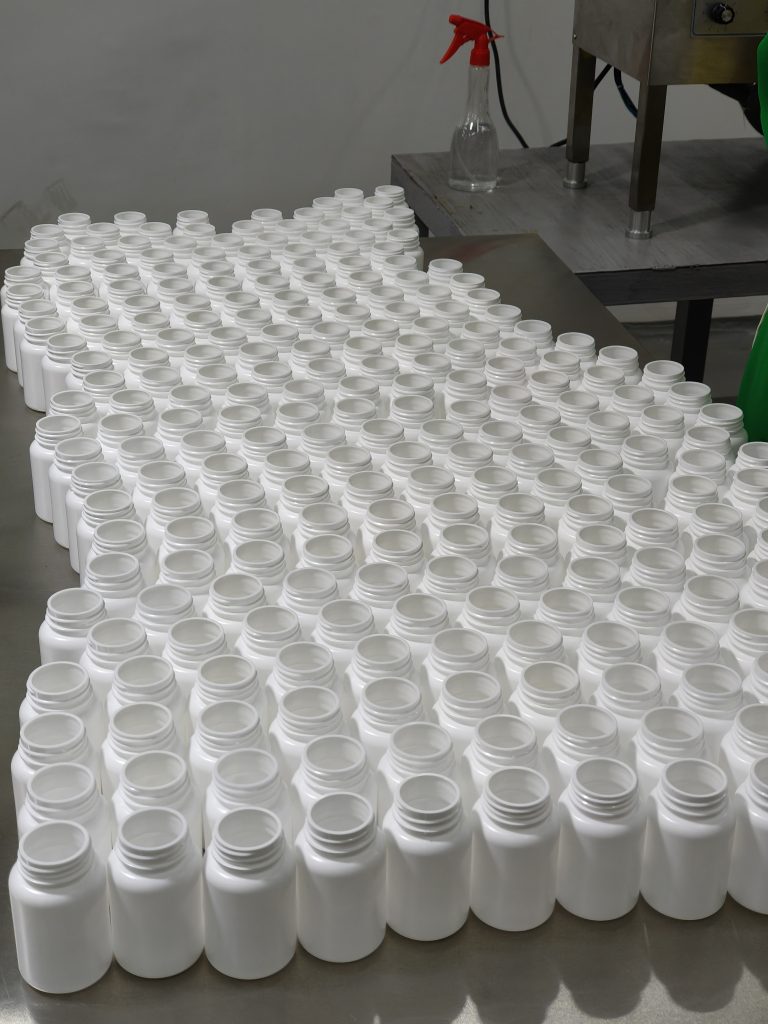
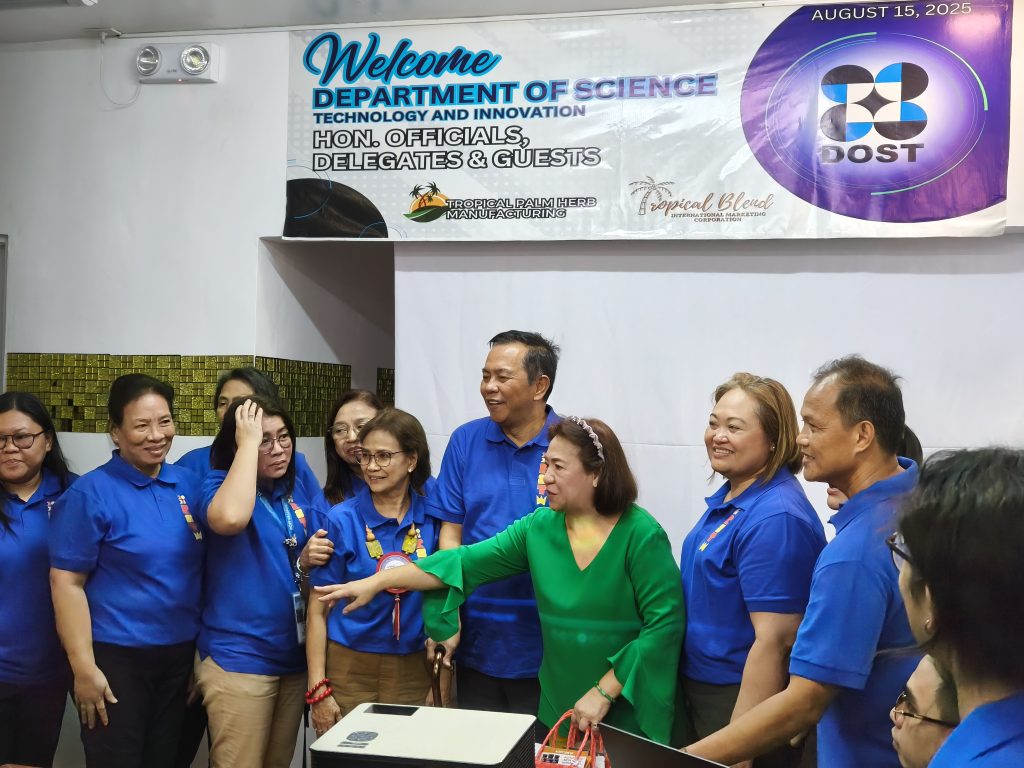
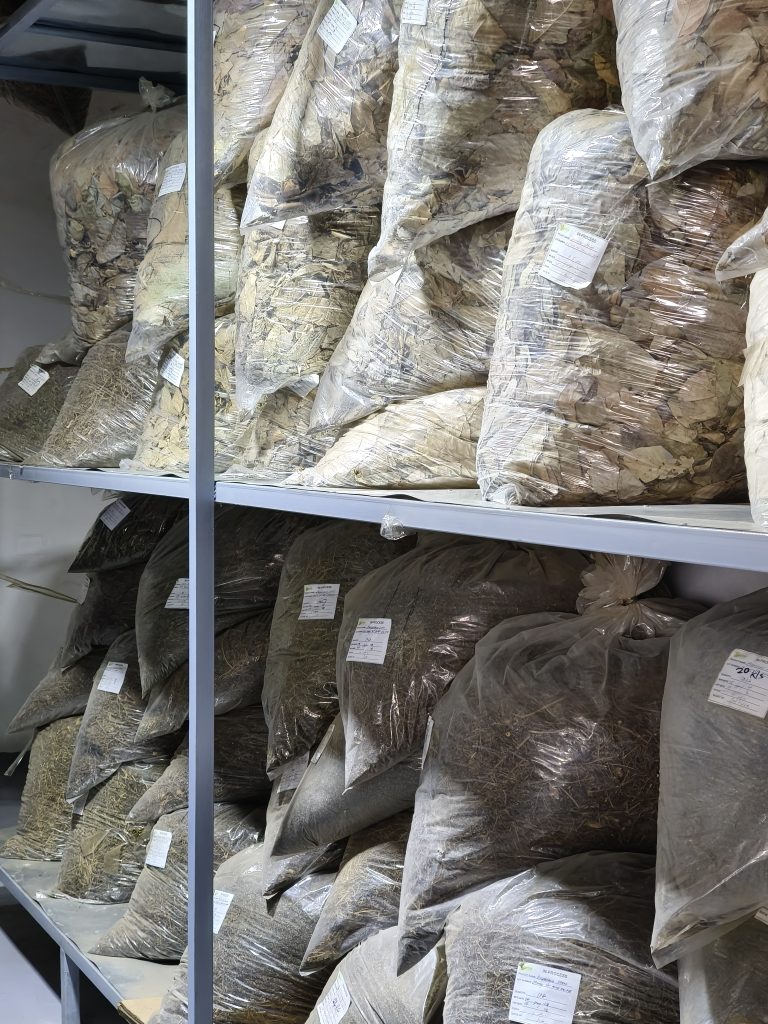
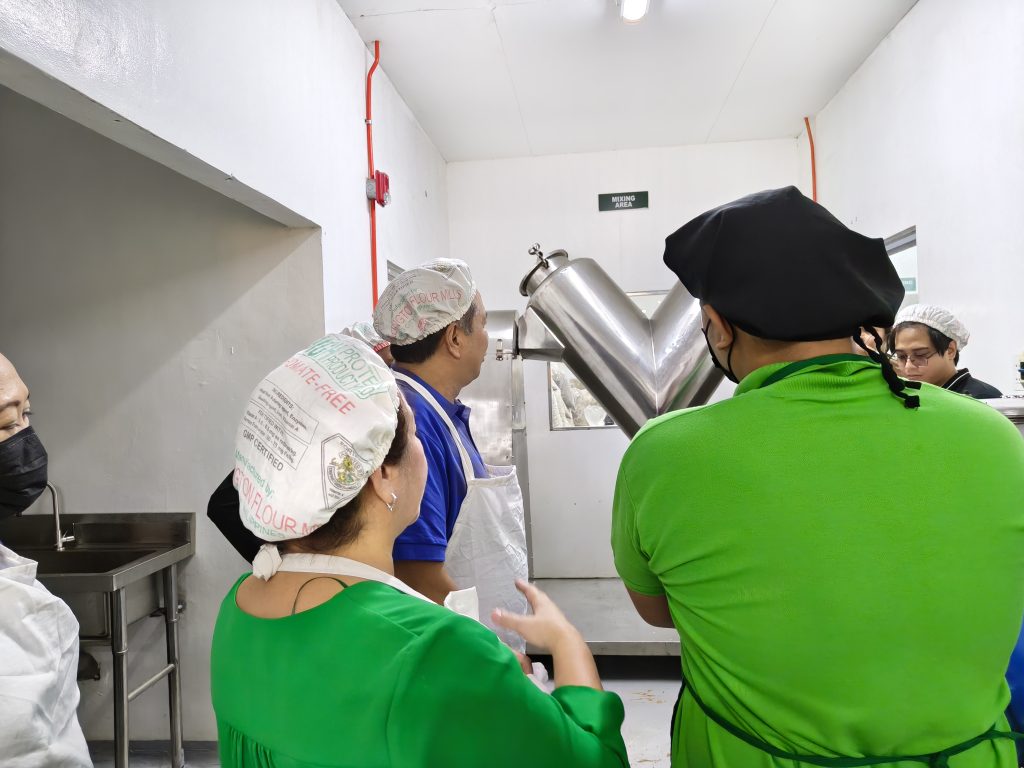
With these upgrades, the company was able to expand its market reach significantly, growing its clientele from 9 to 72, both in the local and export markets.
Rizal in a newer light
While an exact count of establishments in the province is not publicly available, recent labor data suggests active economic participation.
Rizal posted the highest labor force participation rate in CALABARZON at 68.1% in 2023. Its economy grew 3.2% in 2021, led by manufacturing, information and communication, and construction.
Yet despite this activity, Rizal recorded the lowest per capita GDP in the region, signaling both the urgency and potential of inclusive growth.
Education is also a key driver of opportunity in the province. Rizal hosts 44 higher education institutions, including Rizal Technological University, University of Rizal System, San Mateo Municipal College, and ICCT Colleges, along with the Rizal Research Center that fosters local scholarship. These institutions not only supply talent to its industries but also shape how the province imagines its future.
Once known primarily as a serene weekend retreat, appreciated for its cafes, Rizal is now charting a new identity.
It is here that the province is sculpting a future where young minds are equipped to innovate, where enterprises are powered by modern tools, and where communities are built to endure.
In Rizal today, education and entrepreneurship fuel each other, forging a province ready to compete and evolve.
