


For many Filipinos, loans once meant a major decision: buying a house, financing a car, or starting a business. Today, borrowing looks very different.
When I first heard about credit scores, I thought they were only for people taking out car loans, mortgages, or running a business. I’m a Gen Z just starting to figure out money, and credit always felt like something far away, something for “grown-ups.”
But at the recent CIBI Impact 2025, I learned something that surprised me. Even the smallest loans I take now are already shaping my financial identity.
The rise of small-ticket, short-term credit
Data from the Credit Information Corporation (CIC) shows that borrowing habits are shifting dramatically. The fastest growth today comes from loans below ₱100,000 with tenors under six months.
Their market share has more than doubled in recent years, as more Filipinos choose short-term credit to bridge everyday needs.
At the center of this shift is Buy Now, Pay Later (BNPL). In 2021, BNPL made up only 14% of short-term loans. By mid-2025, that number had climbed to 38%, fueled by the rise of e-commerce and digital payments.
From Lazada to Shopee, checkout pages now routinely offer installment plans that make purchases more manageable.
Fintech platforms, meanwhile, have digitized what used to be informal lending practices, like paluwagan or “5-6” loans, by offering instant cash loans approved in minutes.
Flexible repayment schedules, from daily to monthly, have made borrowing both easier and more frequent.
Small loans, big impact
While these small loans often look trivial, a few thousand pesos to cover groceries, gadgets, or bills, their impact is anything but. Each loan leaves a footprint in the CIC database, which now contains 66 million individual records and over 400 million trade lines.
For lenders, this means that every installment, whether paid or missed, feeds into a richer picture of a borrower’s habits. For borrowers, it means that every small loan is a building block of their credit identity.
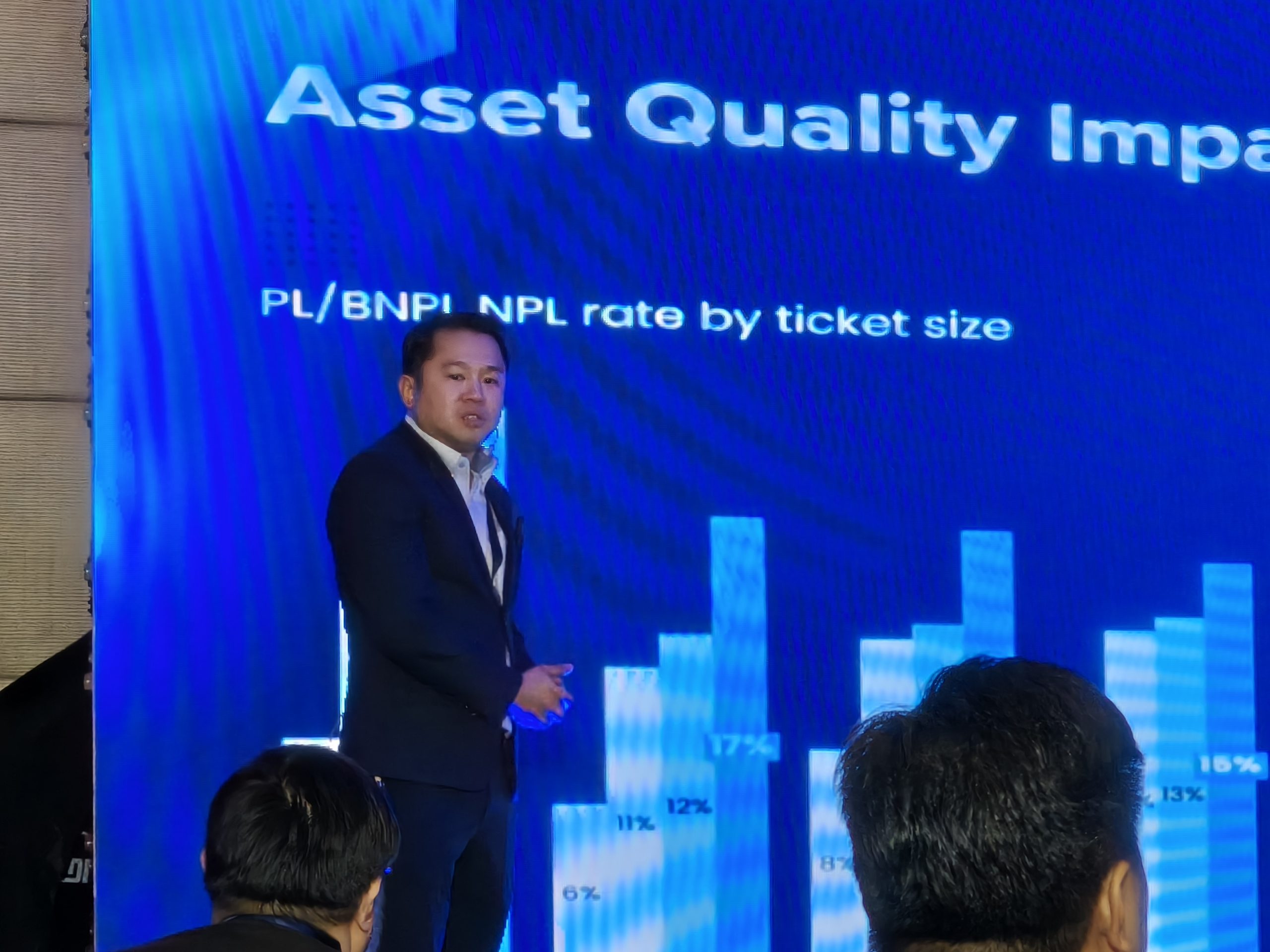
As CIBI’s Chief Analytics Officer Harley Chan explained in the presentation, better visibility into these micro-transactions is reshaping how financial institutions assess risk.
While delinquency rates in BNPL and microloans remain in the double digits, the data also shows that 80% of borrowers in this segment pay on time. That 80%, once overlooked, is now visible, thanks to advanced data.
A new credit era for Filipinos
This evolution suggests a more inclusive future for lending. Small, frequent loans are no longer “too small to matter;” they are becoming the foundation of how financial institutions judge trustworthiness.
As Chan put it simply, “You are actually now beginning to see the customers’ full behavior as well as total exposure.”
And that behavior, down to every small-ticket transaction, is turning into the new currency of financial identity.
In short, the ₱5,000 loan you take today isn’t just a short-term lifeline. It could be a stepping stone toward bigger opportunities tomorrow.
