


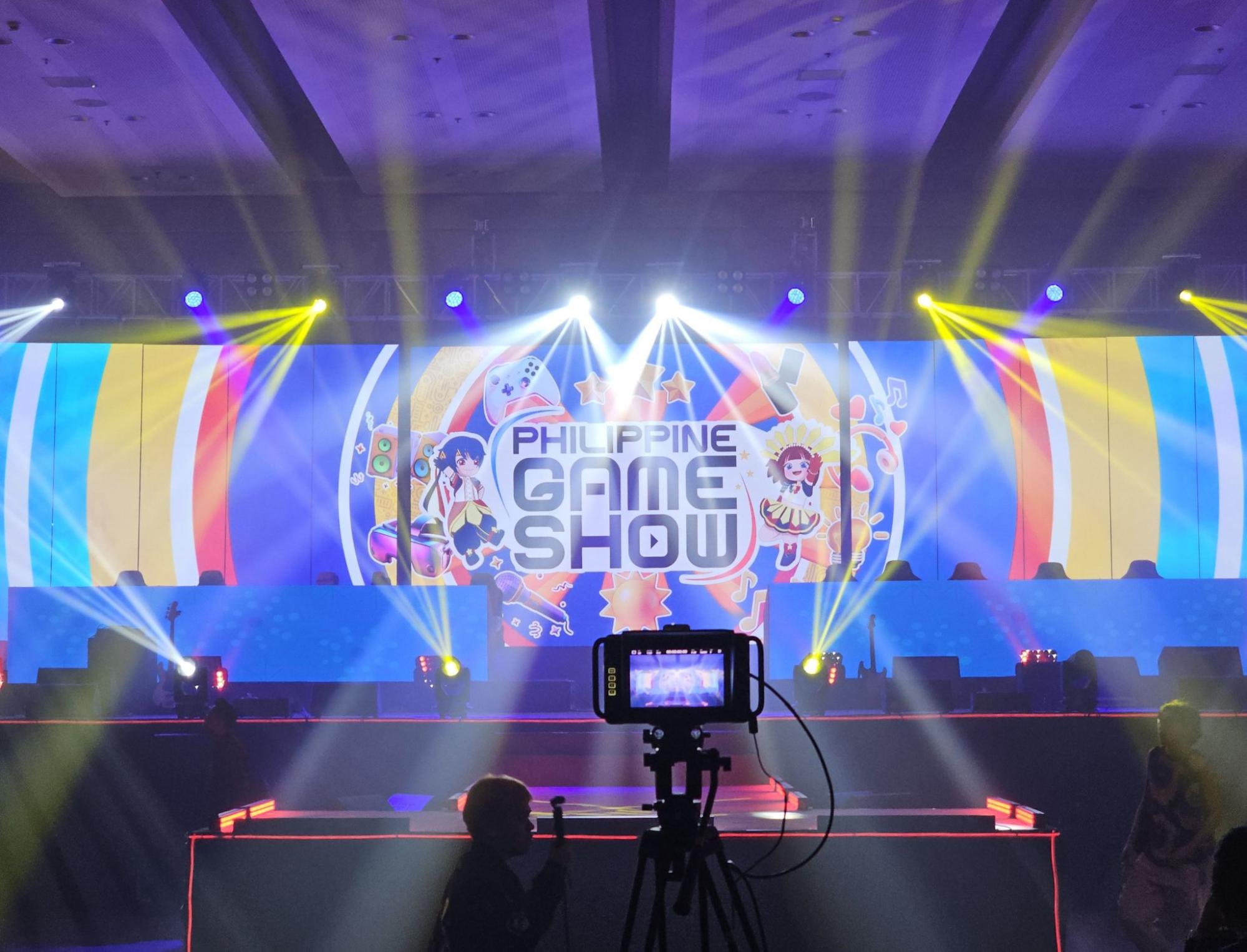
There’s power in a name.
A name shapes a person’s identity, hints at one’s origin story, and shows how the world perceives them. That idea doesn’t only apply to people, pets, characters, and even your favorite plushie of ten years. Names also carry expectations. And when an event chooses a strong title, that expectation becomes even louder.
Which is why a name like Philippine Game Show carries weight. It sets the stage for something ambitious, exciting, and worth showing up for. It’s the kind of title that instantly calls to mind global counterparts like Tokyo Game Show and Thailand Game Show. Naturally, it raises a high bar. It’s the kind of name that you’d associate with big exhibitors, high-energy fueled esports matches, and a space where both gamers and creators can converge.
So when I walked into the event with curious eyes, my question was simple: Does the event live up to its name?
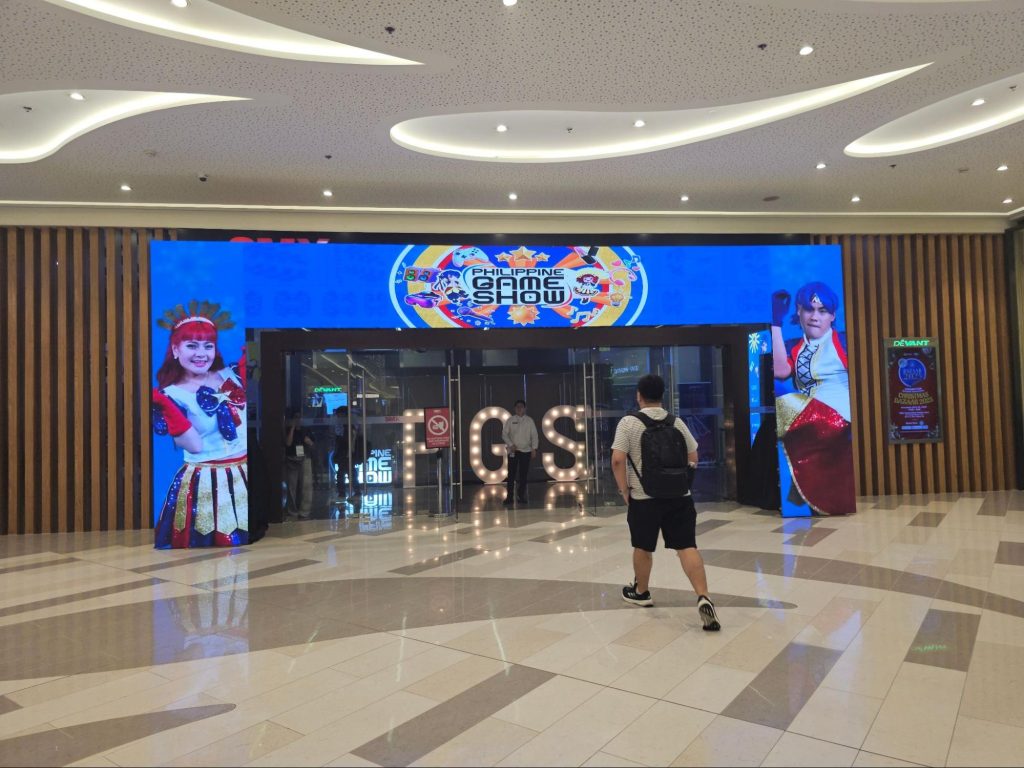
Moments that hit the mark
I’ll be honest: when Philippine Game Show was announced months prior, I was thrilled. It felt like the perfect follow-up to PGDX, another opportunity for a game-centric event in the local landscape.
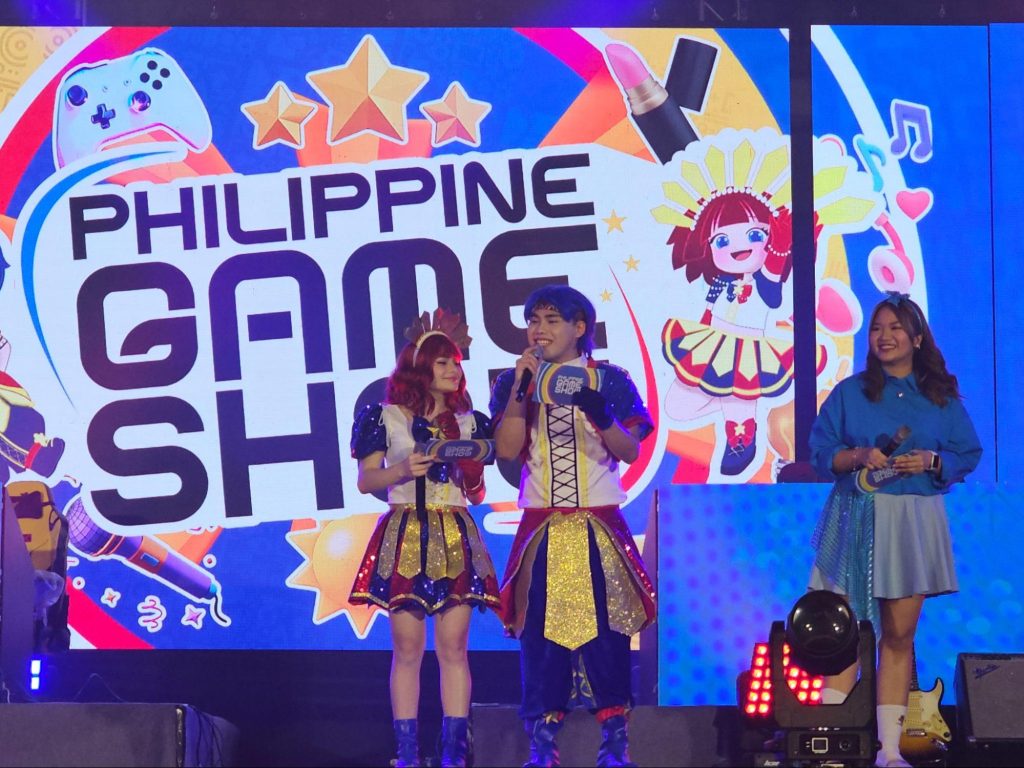
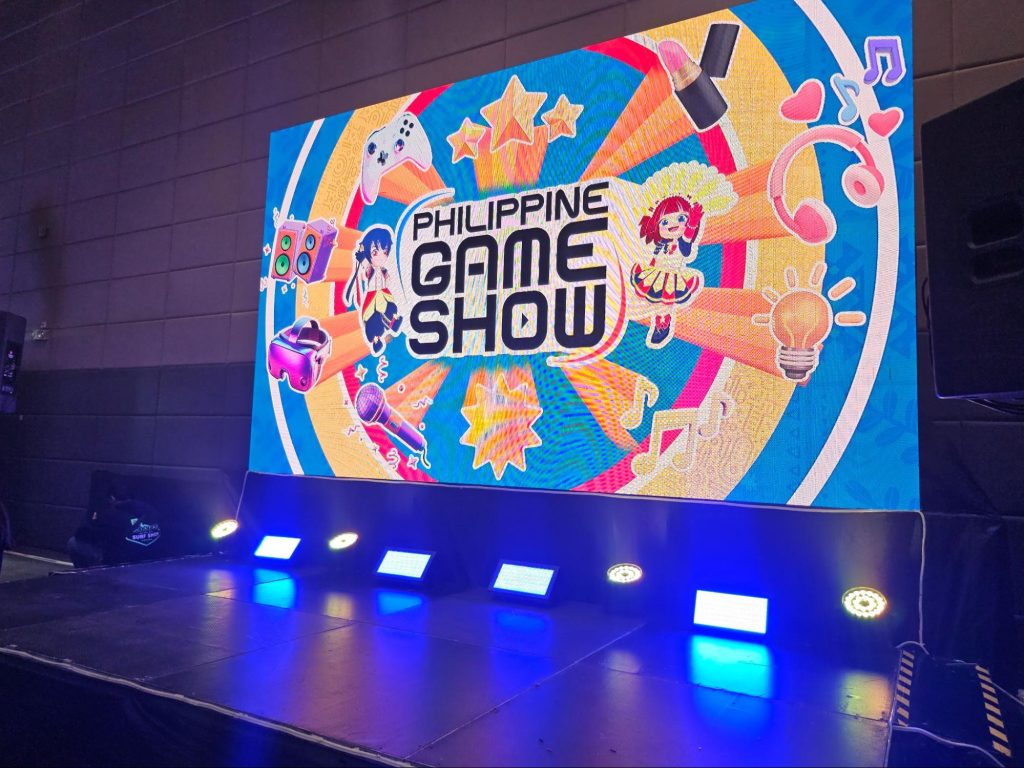
Held last November 14 to 16, 2025, Philippine Game Show chose the somewhat unusual but interesting venue of SMX Aura in Taguig City, a space that felt like a test run for something bigger. To its credit, the event built strong early energy. Hosts Lucee and Rajee, who were also the event’s mascots, opened with a charismatic performance that immediately set the tone.
The main stage looked like something lifted from a small concert, featuring a T-shaped stage that gave the audience great visibility during the performance. It served as the home of the World Cosplay Summit PH Finals, as well as Philippine Game Show’s own competitions, such as Animelody Star, Cosplay Champions, Cosplay Talent Showcase, and the Ultimate Idol for both solo and group performers.
Beyond that, the event added a mini stage inside the hall for fan interactions, creating more intimate moments for attendees who couldn’t make the scheduled fanmeets.
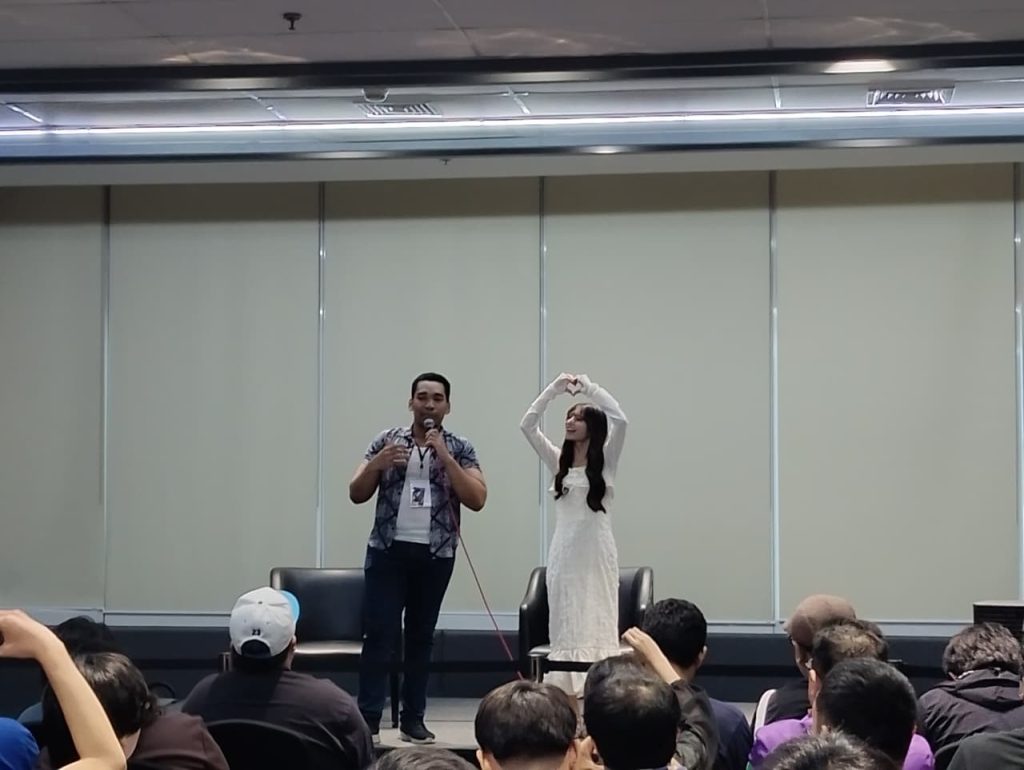
Another highlight is when Marika Kohno, the voice of Silence Suzuka from the popular game Umamusume: Pretty Derby takes the center stage as the crowd sings along while waving their glowing light sticks as she performs the song “Umapyoi Densetsu”. International acts like Miura Ayme ft. Miko, Kamen Joshi, and Super Macaroni Salad brought energetic sets while local talents such as Davao-based idol group Pastel Mix, as well as a Filipino Final Fantasy group, Squeenix Productions proved that Filipinos can hold their own stage packed with color, music and fandom energy.
It’s in these moments that you can feel that the event has found its footing somehow.
The parts that needed more XP
Still, some gaps were hard to ignore.
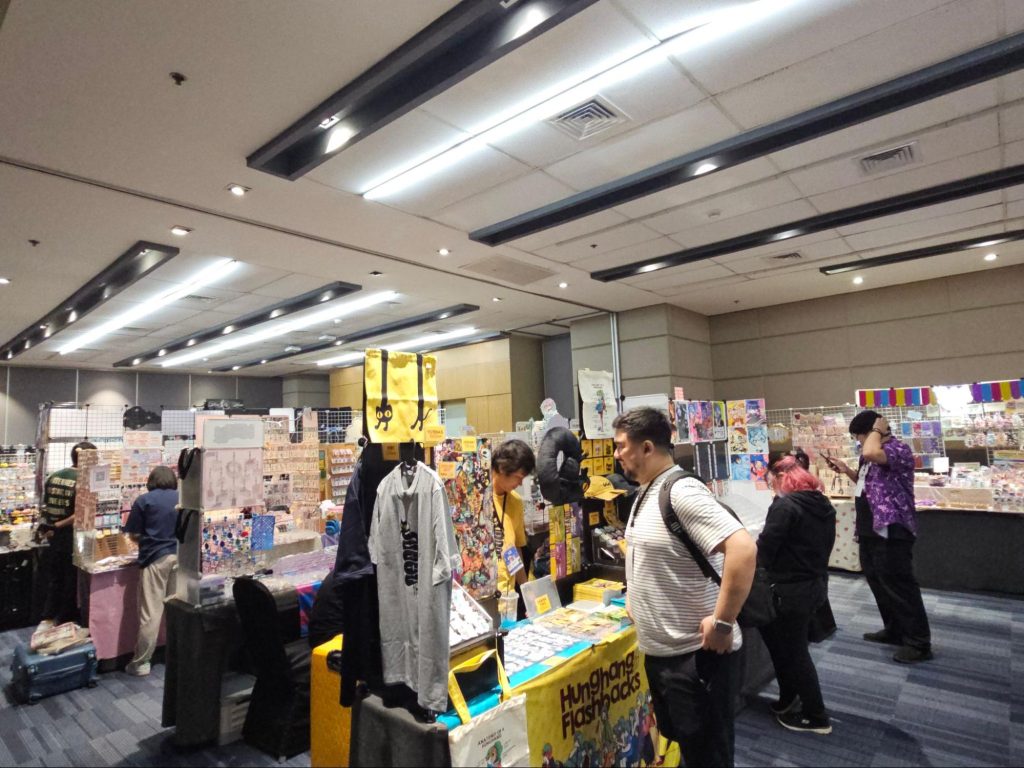
Yes, the first floor hosted a few merch booths, but the selection felt limited. Meanwhile, Sticky Expo, the event’s artist alley, was tucked away on the second floor. Honestly, you wouldn’t even notice they were there due to the lack of signage. Worse, the entire event layout wasn’t posted in public until Day 2.
But the biggest concern for me? For an event with “Game Show” in its name, the gaming section was almost nonexistent.
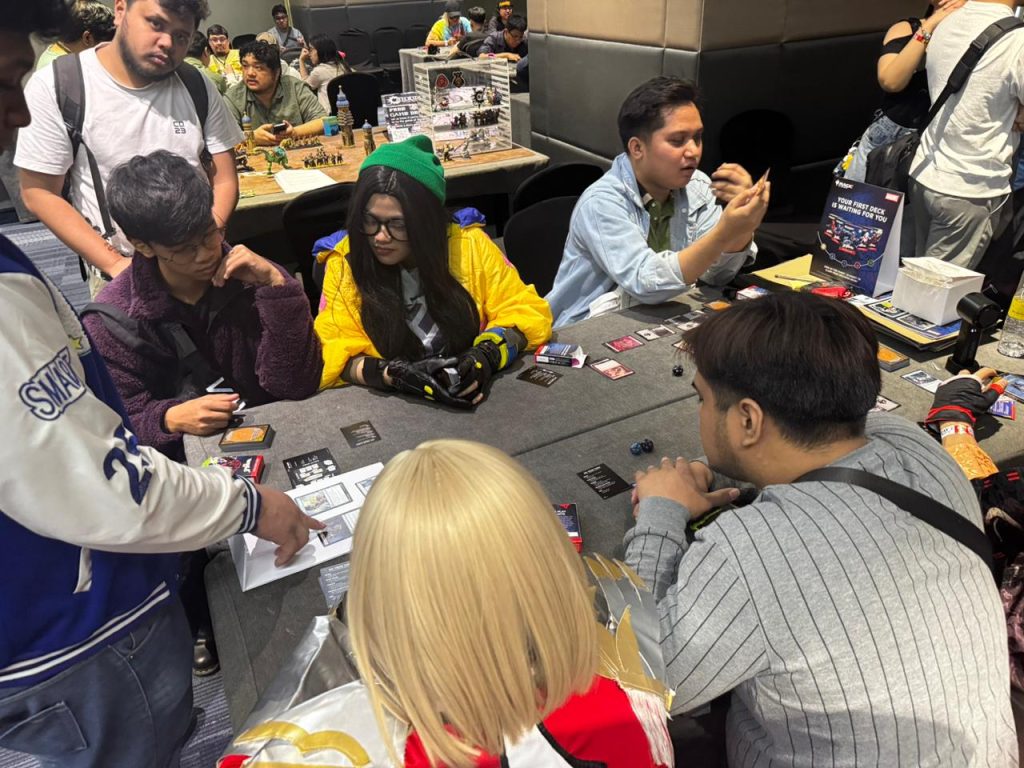
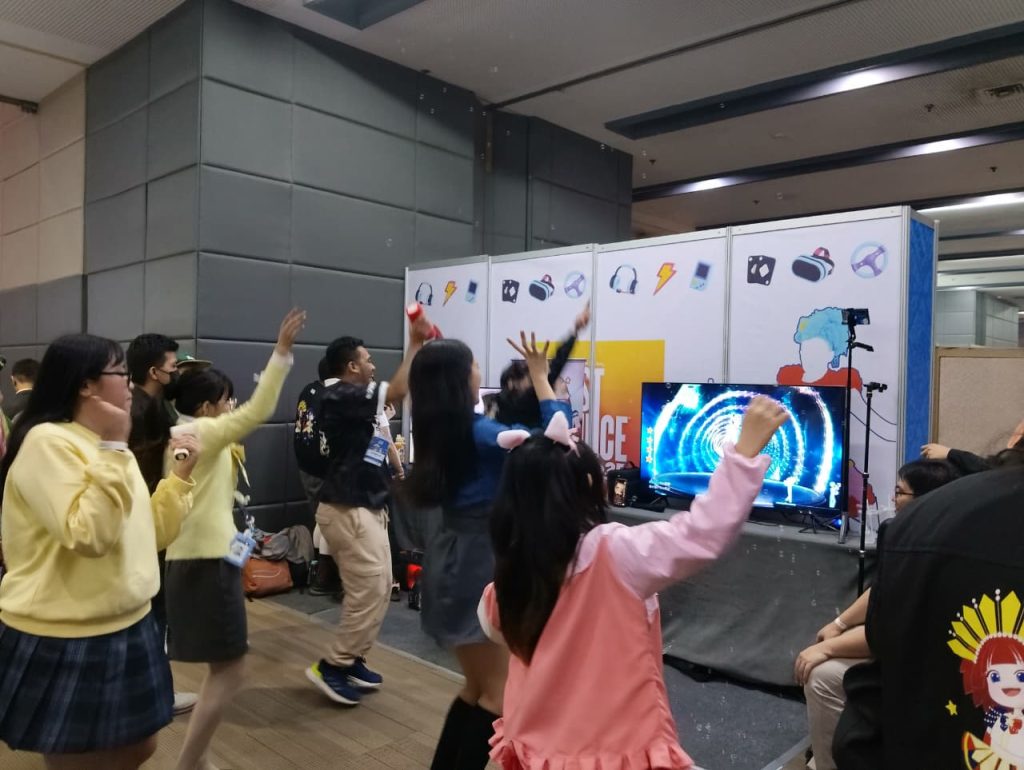
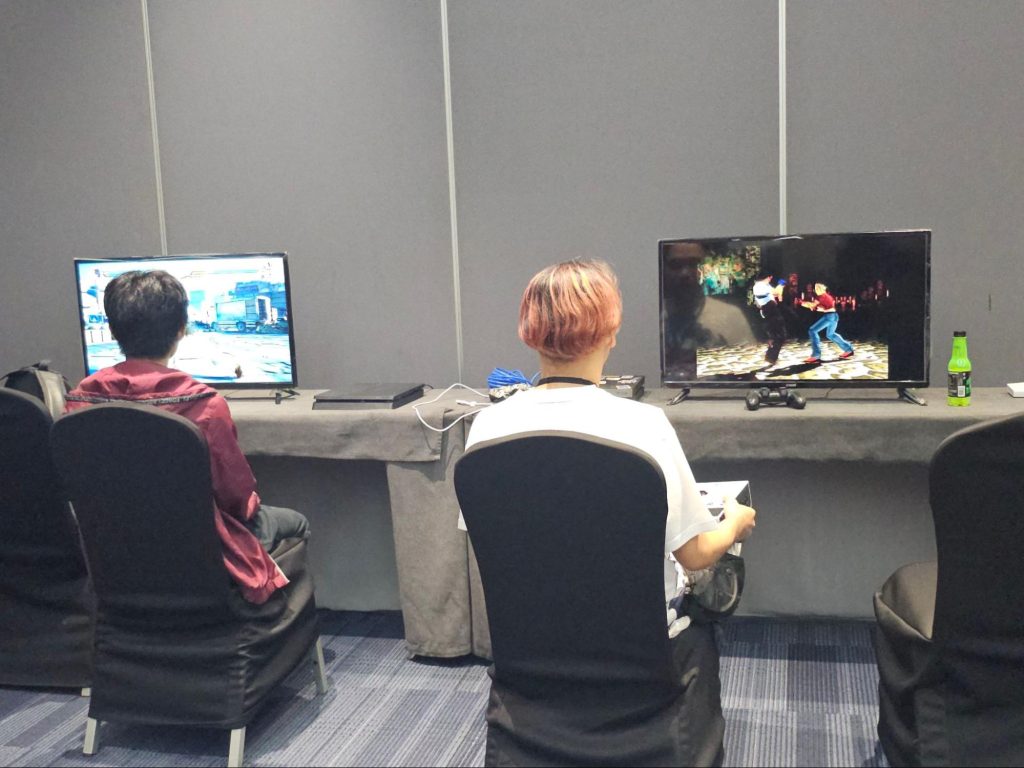
There was a room for TTRPGs and an area for miniature painting, which was great. But when it comes to video games, only fighting titles like Tekken and Street Fighter were available on the second floor, and a dome for Beyblade play. On the first floor, a small space was dedicated to Just Dance. Overall, the one part the name should have been the loudest felt overshadowed.
Another odd detail was that there’s a Playtime booth on the first floor, which sticks out like a sore thumb for being there, especially with the country’s current situation about online gambling. Interestingly, I haven’t seen any advertisements about their participation in the event.
Growing Pains: Growing into the name
With events like ESGS or PGDX, which set a standard for a mixed-format gaming event, the Philippine Game Show enters the scene like a novice character still figuring out its own class. The debut event felt more like a regular convention that includes music, cosplay, and a banger performance than what I initially expected. Of course, there’s nothing wrong with leaning into that. Those communities are pillars of Philippine conventions. However, the imbalance made the “Game Show” part of its title feel a bit mismatched.
And truth be told, I think that’s okay. Many events take a few runs before they fully evolve. What matters is that the potential is still visible.
Though it may not live up to its name on its first rodeo, what I think it needs is a proper direction with more curated booths, a program that feels packed with intention, and a stronger commitment to showcasing more games. If the event can grow into the name it proudly carries, it could also someday stand alongside events like PGDX.
Imagine a Philippine Game Show that truly puts Filipino gamers and developers on the map. Imagine an event where global studios fly in to feature their upcoming titles? An event could match Thailand Game Show or Tokyo Game Show in that regard? Wouldn’t that be something worth waiting for?
For now, I’d like to think of this as a new chapter. Imperfect but still filled with such promise to level up. And sometimes, the most exciting part is watching something grow into the name it chose.
