

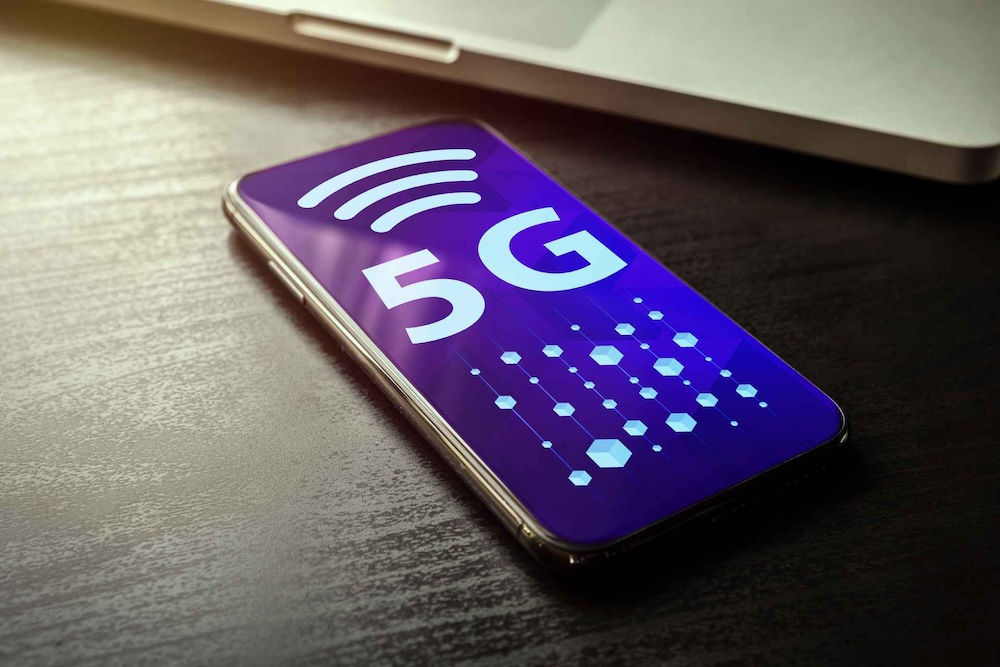
The Philippines has an opportunity to expand its use of 5G Standalone (5G SA), but stronger cooperation among the government, telecom companies, and technology providers will be needed to make the most of the technology.
“The Philippines was an early 5G frontrunner in the region and that is something to be proud of,” said Daniel Ode, head of Singapore, Brunei & Philippines at Ericsson. “Since then, several neighboring markets in the region have accelerated ahead, but with ecosystem partnerships there is a big opportunity for the Philippines to quickly move and capture the full value of 5G SA.”
5G Standalone is a newer version of 5G that is built specifically for the technology, rather than relying on existing 4G networks. It can provide more reliable and secure connections and support services that need fast response times.
One of its features is network slicing, which allows one network to be divided into separate connections for different uses. Network slicing basically means dividing one 5G network into separate “lanes,” with each lane optimized for a different purpose.
This could allow 5G to be used for more than faster internet on smartphones, including healthcare, transportation, government services, and other industries.
Ode said government policies can also help speed up 5G deployment and adoption. He cited Singapore and Vietnam, where government policies and partnerships between the public and private sectors helped support faster 5G rollout.
The Philippines also has another issue to address as it moves toward newer mobile technology: its older 2G networks.
“One area of consideration for the Philippines is the sunsetting of 2G, something we have seen successfully executed in several markets,” Ode said.
Ode said 2G networks still use part of the radio frequencies that could be used for newer mobile technology. He also noted security risks associated with older networks.
“These networks remain vulnerable to exploitation through IMSI catchers, rogue devices that intercept calls and messages, enabling the kind of scams and fraudulent activity that erode user trust and cause real financial harm,” Ode said.
A government-supported phase-out of 2G could free up frequencies for newer networks while addressing some of these security concerns, Ode said.
Better mobile connectivity could also help people in areas where building traditional wired internet infrastructure is difficult or expensive.
“In the Philippines, a country comprising more than 7,000 islands, 5G can help bridge the digital divide in a commercially viable manner,” Ode said.
One option is 5G Fixed Wireless Access (FWA), which uses a mobile network to provide internet to homes and businesses without requiring traditional wired connections.
“As we have seen in markets like India, 5G Fixed Wireless Access (FWA) is a cost-effective solution to fixed network deployment, helping close the gap between urban and rural areas. It’s therefore encouraging to see operators in the Philippines focusing on FWA offerings,” Ode said.
The push for better connectivity also matters to the Philippine economy. Reliable digital networks are important to companies that operate in the country, particularly the business process outsourcing (BPO) industry, which is a major source of jobs and economic activity.
Ode said the Philippines will need cooperation among the government, telecom operators, technology companies, and other groups to make the most of new connectivity technologies.
“Digital transformation at national scale cannot be achieved by any single organization, it accelerates when the entire ecosystem moves together in sync,” he said.
