


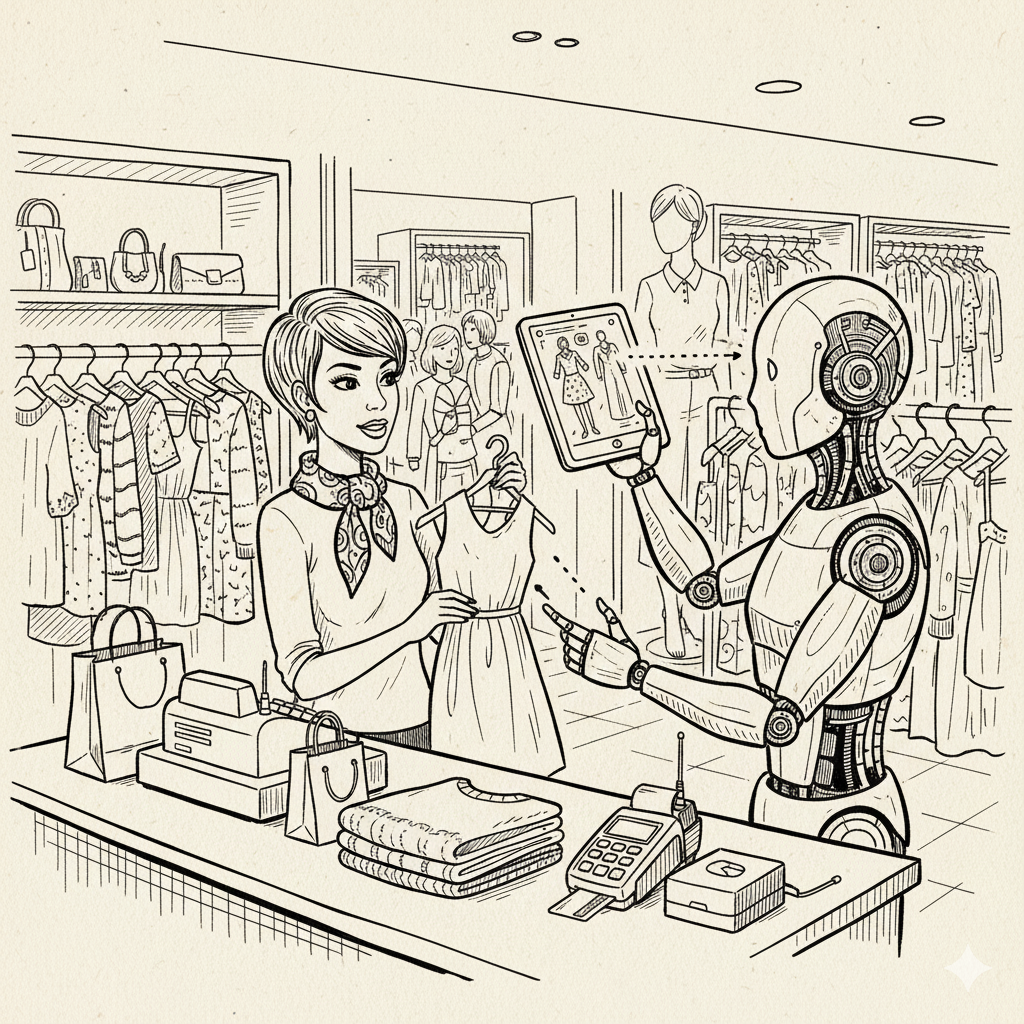
If you’ve ever wondered how your favorite store always seems to have what you need, there’s a good chance AI had something to do with it
AI is becoming a vital part of how retailers operate and connect with customers, especially in Southeast Asia. The region’s young population and rapid digital growth make it an ideal place for AI-powered retail innovation.
Traditionally, managing inventory and logistics relied heavily on human decision-making. Now, AI algorithms analyze real-time data from sales, suppliers and customer demand to predict what products are needed, when they are needed and in what quantities. Starbucks rolled out an AI-driven inventory counting system across 11,000+ company-owned stores in North America last month. The system uses handheld tablets with computer vision and spatial intelligence (from NomadGo) to let employees scan shelves; the system detects low stock and triggers restocking alerts.
Remember panic-buying toilet paper during the pandemic? Or that time your go-to snack was out of stock for weeks? Stores are increasingly proactive instead of reactive. Rather than scrambling when a product unexpectedly flies off shelves or watching items gather dust because they over-ordered, retailers now operate with the kind of precision that was impossible just a few years ago. It’s smarter and saves everyone a whole lot of frustration.
A typhoon warning goes out, and AI can automatically signal stores to stock up on canned goods and batteries before the rush even starts. Major global retailers like Walmart and Amazon have been doing this for years. Walmart’s “Supply Chain Intelligence” (SCI) platform is being portrayed as a “living, self-aware ecosystem” that continuously learns, predicts, and acts.
With its tech-savvy population and booming e-commerce, Southeast Asia is well-positioned to become a global leader in AI-driven retail. Businesses in the Philippines that adopt AI solutions will be able to offer smarter inventory management, personalized marketing and seamless shopping journeys that blend online with the physical.
The Philippines has all the ingredients for an AI retail boom: millions of smartphone users, growing e-commerce adoption, and a population that’s comfortable with tech. We’re talking about a country where people queue for hours for the latest phone release and where mobile wallets have become second nature.
We’re beginning to see exciting examples of AI improving both supply chains and in-store experiences. At the Retail Asia Summit Philippines 2025, retailers emphasized that to stay competitive, they must integrate AI into both digital and physical stores, using the likes of predictive analytics and automation software.
7-Eleven Philippines tapped US supply chain and AI firm Blue Yonder to modernize store operations. The aim is to get near real-time inventory visibility, mobile management of store operations, automated alerts (for example, low stock), improve reporting and reduce manual work.
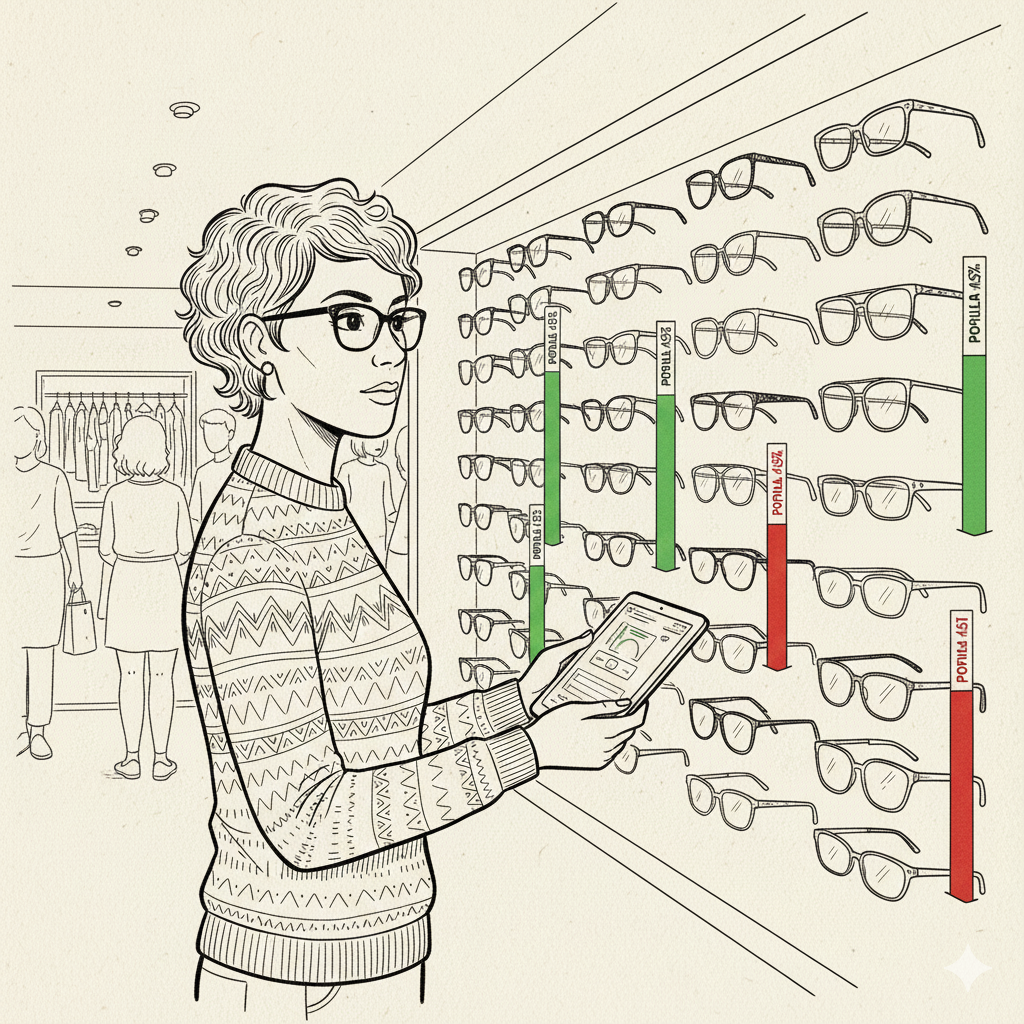
Vision Express Philippines uses AI to suggest eyeglass frames based on your face shape and budget. Behind the scenes, the same AI forecasts which styles will sell, so the store keeps popular frames in stock without overordering. You get glasses you love, and they manage inventory smarter.
Packworks, a marketplace targeting the network of sari-sari stores, are developing AI-driven inventory management tools and precision marketing models (customized recommendations on which items to sell, promos from FMCG partners) for micro-retailers.
Walk into certain stores, and you might encounter smart mirrors that let you “try on” makeup virtually, chatbots on store tablets that answer questions faster than hunting down a sales associate and even personalized discounts sent straight to your phone the moment you enter the mall.
Some brands are even gamifying the experience. Imagine getting points or rewards for trying AI-recommended products or completing style challenges in-store. It makes shopping feel less like a chore and more fun. These loyalty programs powered by AI learn what motivates you specifically, like discounts and exclusive products and tailor rewards accordingly.
Ever notice how Lazada or Shopee seem to know what you’re looking for before you do? That’s AI analyzing your browsing history, what similar shoppers bought, and even factors like payday schedules or local festivals. It’s why you might see grilling equipment pop up before a long weekend or gift suggestions just before Valentine’s Day.
There’s also Unilever’s Beauty Hub Pro. Snap a selfie, and AI analyzes your skin tone and concerns preferences to recommend products that actually suit you. The system considers factors like humidity levels in Manila versus Baguio, suggesting lighter formulas for tropical climates. This kind of technology has been in use at least since 2012 but is now significantly more advanced.
As more businesses integrate AI, we’ll see even smoother experiences, like seamlessly switching between browsing online and picking up in-store, or getting recommendations that feel less creepy-algorithm and more genuinely helpful. Some stores in Southeast Asia are already experimenting with AI-powered fitting rooms that suggest complementary items or different sizes without you having to ask.
AI is making retailers faster and smarter. Next time you find the perfect product without even trying, you might just have AI to thank, as the Philippines’ smart retail market is projected to grow from USD 32 billion (2025) to USD 83 billion in 2031.
[AI Disclosure: Reference images generated using Google Nano Banana]
