


The tomatoes looked fresh when you bought them. A few dinners out and several busy evenings later, they are softening behind a container you have barely touched. And then another pack has made its way onto your grocery list because you forgot about the first one.
Food waste at home can begin with that gap between what we buy and what we remember to use. For households juggling work, errands, and meals, keeping track of refrigerator contents is another task competing for attention.
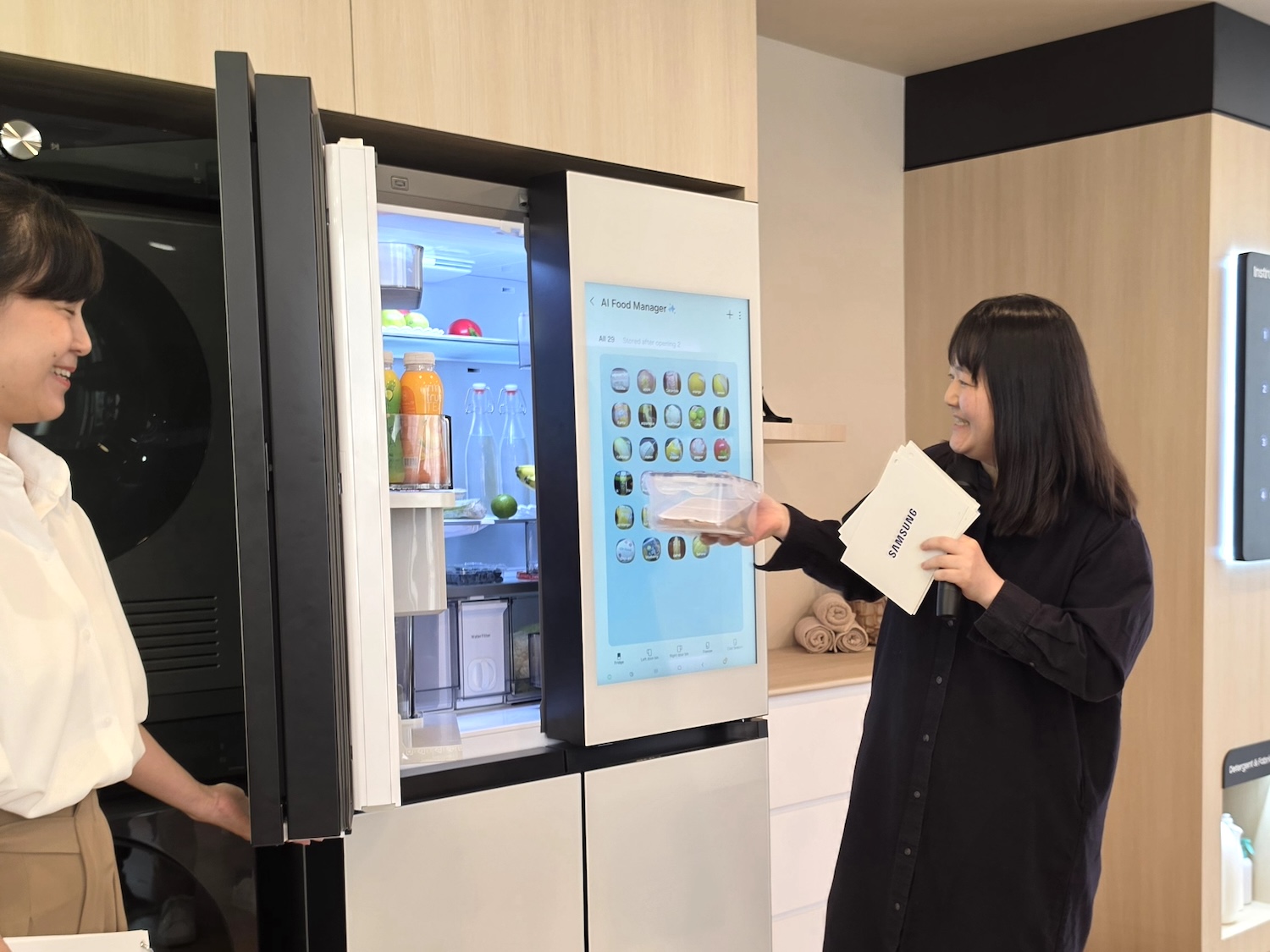
Samsung’s AI-enabled refrigerators offer a way to make that task easier. On supported Bespoke AI models, an internal camera and food recognition software help maintain a digital food list. The idea is to give ingredients a better chance of being noticed before they are forgotten.
Samsung explained the technology during The Brief tech seminar at its Business Experience Center in Hanoi, Vietnam. As food is placed inside or taken out, the camera captures items passing through its view. AI software then works to identify them and update the list, which users can consult on the refrigerator’s door screen.
The practical benefit begins before the next grocery purchase.
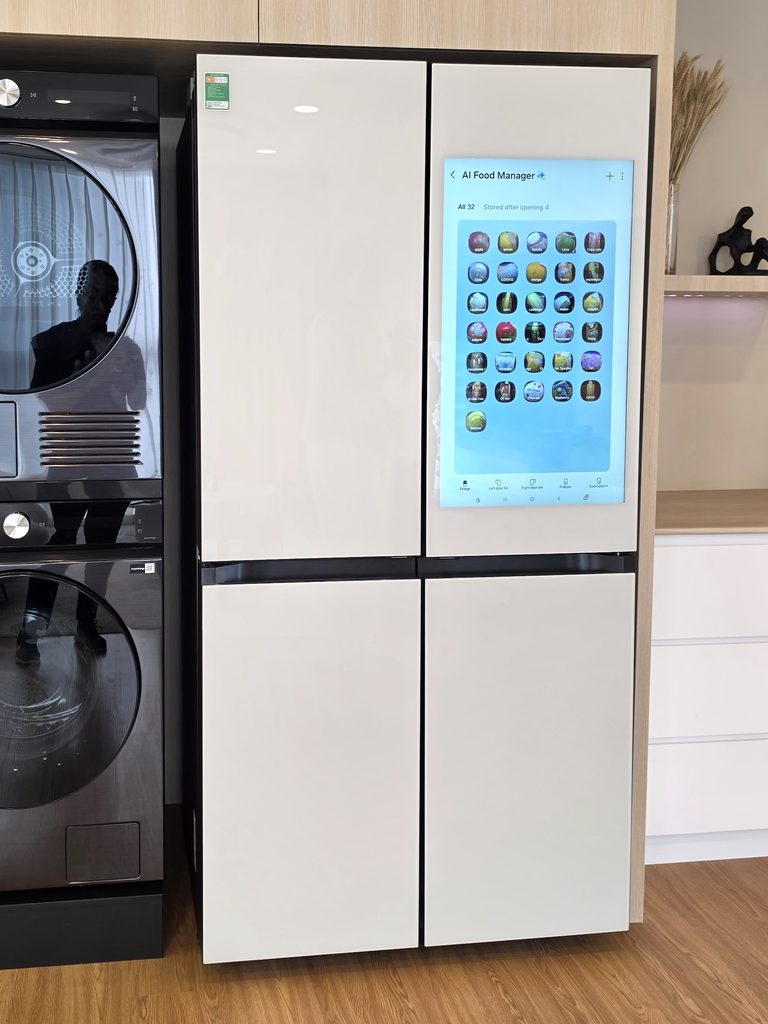
Through the SmartThings app, users can check their food list while shopping. Instead of buying another ingredient just in case, they can first see whether it is already at home. That reference could help prevent duplicate purchases, particularly for fresh produce that needs to be used relatively quickly.
It also offers a different starting point for meal planning. Rather than choosing a dish and buying everything it requires, you can look at available ingredients and build dinner around them.
AI Food Manager supports that approach by suggesting recipes based on refrigerator contents. On select models, What’s for Today can offer a menu suggestion using available food or provide a random option.
For someone staring at a seemingly unrelated assortment of groceries, a recipe suggestion could make the difference between using those ingredients and ordering dinner. It provides an idea when deciding what to cook feels like the hardest part.
The system still requires attention. Recognition capabilities vary by model and software version, some items need manual labeling, and users should check the list for accuracy. AI Vision Inside does not identify food stored in door bins or the freezer. A digital inventory also cannot tell you whether an ingredient is safe to eat.
Beyond food management, supported refrigerator displays allow control of compatible connected appliances, while Bixby enables voice interaction for supported functions.
Samsung also offers eligible Wi-Fi-enabled appliances up to software updates, that can improve features, usability, and security, subject to hardware limitations over time.
Whether these tools reduce waste ultimately depends on household habits. Checking the list before shopping and acting on meal suggestions still fall to the people using the refrigerator.
But making food easier to keep track of is a useful place to start. The next time you plan dinner, those forgotten tomatoes might finally get their turn in the pan.
