


Editor’s Note: This special report was originally published in the 40th anniversary issue of The Philippine STAR on July 27, 2026.
The questions began as soon as the gunfires stopped. The shooting in Tacloban City revived a debate that resurfaces after almost every act of youth violence.
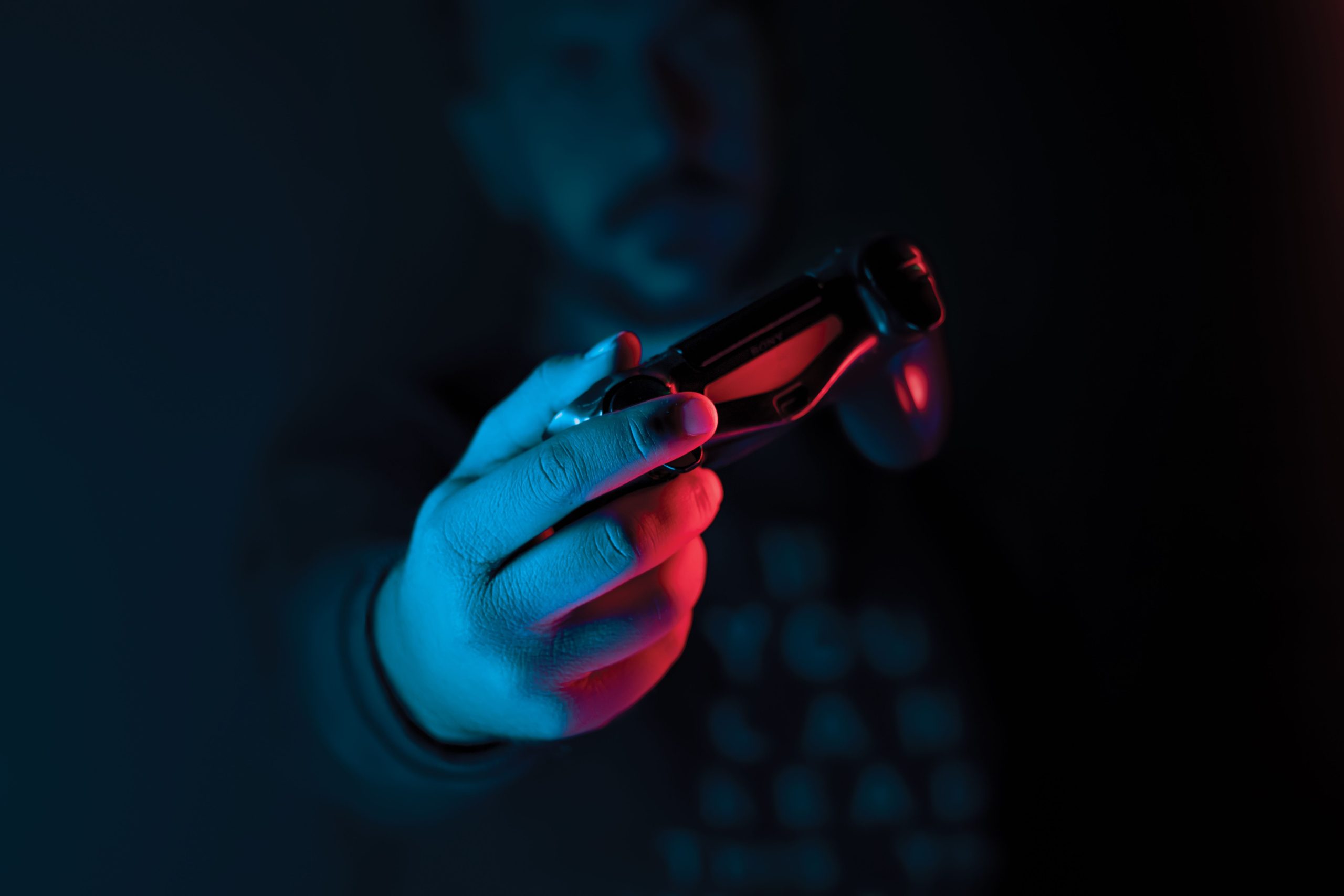
The Philippine National Police (PNP) said that the teenage suspect had played Gorebox, a sandbox game that features graphic violence and realistic physics.
While authorities have not identified a motive, the Cybercrime Investigation and Coordinating Center (CICC) announced a temporary ban on GoreBox, later securing Google’s and Steam’s cooperation to restrict access to the game in the Philippines pending the investigation.
“With this restriction, we are assured that minors will no longer be able to access such a violent game,” Department of Information and Communications Technology (DICT) Secretary Henry Aguda said after Google implemented the restriction.
For some, it was a necessary precaution. For others, it risked reducing a complex tragedy to a single digital influence before investigators had established what led to the attack.
From the United States to Europe and Asia, high-profile cases involving young perpetrators have repeatedly drawn attention to the games they played, often before questions are asked about their family.
Looking to screens for answers
Comic books, television, action films and heavy metal music have each been blamed at different points in history for shaping aggressive behavior among young people.
The concern has only grown as games became more immersive and connected. Popular titles now allow players to interact with millions of others, create their own content, and spend time in persistent online worlds.
Dr. Ryan Cayubit, a registered psychologist and associate professor at the University of Santo Tomas, said linking one video game to a violent crime oversimplifies how human behavior develops.
“Current research does not support the conclusion that violent video games alone lead people to commit serious acts of violence,” Cayubit told PhilSTAR Tech.
While some studies have observed short-term increases in aggressive thoughts or emotions after playing violent games, he said there is little evidence that those effects translate into crimes such as school shootings.
Violence, he said, develops through multiple interacting influences, including mental health, family environment, previous exposure to violence, social relationships, and access to weapons.
A widely cited 2020 study by researchers at the University of Oxford found no evidence that playing violent video games was associated with aggressive behavior among adolescents.
Other reviews have similarly concluded that while violent games may temporarily influence aggressive thoughts in some players, evidence linking them to serious real-world violence remains limited.
The new playground
The debate surrounding GoreBox also shows how governments view children’s safety online.
The Philippines has spent years strengthening efforts against online sexual abuse and exploitation of children (OSAEC), working alongside international organizations such as the International Justice Mission to identify offenders and prosecute those responsible.
Elsewhere in Southeast Asia, authorities have also warned that young people can become vulnerable to extremist content online.
Earlier this year, Singapore detained a teenager under the Internal Security Act after investigators said he had been radicalized through online material and was planning attacks inspired by terrorist ideology.
The cases involve different forms of online harm. Together, they illustrate how children’s digital lives have become increasingly difficult to separate into categories of gaming, social media or messaging platforms.
Roblox, one of the world’s largest gaming and social platforms, says its goal has never been simply to create games. The company describes Roblox as an immersive platform for communication and connection where people create experiences, socialize, and learn together.
“Our guiding vision is to create the safest and most civil community in the world,” Roblox Chief Safety Officer Matt Kaufman said in a company blog.
According to Roblox, it uses a combination of artificial intelligence and human moderators to review content uploaded to the platform.
It also employs text filtering, voice moderation, parental controls, age recommendation and age verification for certain features.
Roblox says its community standards prohibit child exploitation, terrorism and violent extremism, and cyberbullying and harassment.
The company says these measures are intended to help create a safer environment for young users. However, like other major platforms, Roblox continues to face the challenge of balancing open online interaction with protecting children from harmful content.
Still, parents and internet safety advocates warn of potential dangers within the game. A few months ago, the DICT alerted the public of reports that Roblox is being used for “sexual predation, grooming, and exploitation of Filipino minors.”
The view from home
Cayubit said conversations about regulating children’s access to games and social media should not stop at age restrictions.
“To be effective, though, this must be combined with parental guidance and supervision and digital literacy,” he said, adding that children should be taught how to responsibly find, evaluate and use information online rather than simply being shielded from it.
For parents such as May Catubag, those conversations begin at home.
Her eight-year-old daughter uses Facebook, Messenger, and TikTok only through her mother’s account and under her supervision. Allowing her to create her own account, Catubag said, would expose her to far more than she is prepared to understand.
“As a mother, I know that once she has her own social media account, she will have access to almost everything, and that’s what I’m afraid of,” she said.
Catubag worries about misinformation, AI-generated posts and the difficulty children face in distinguishing truth from fiction online.
“They will adopt what they are seeing. Not everything they see or hear online is true,”
she said.
She believes children should wait until around age 12 before managing their own social media accounts, when they are more capable of understanding what they encounter online and using digital platforms responsibly.
The limits of blame
The tragedy of the Tacloban shooting has renewed calls for stronger safeguards online, but it has also shown the limits of searching for a single cause.
Children today move across gaming platforms and social media with little distinction between them. Their online experience is now shaped by both the games they play and by the communities they join.
Cayubit said discussions surrounding video games should not lose sight of the broader goal of raising children who can navigate the internet responsibly.
“There is no single solution to protecting young people’s mental health,” he said.
As investigators continue to examine what led to the Tacloban school shooting, the debate over GoreBox is unlikely to fade.
What decades of research have consistently shown, however, is that youth violence rarely stems from a single influence. Behind every tragedy lies a combination of circumstances that extends well beyond the screen.
